
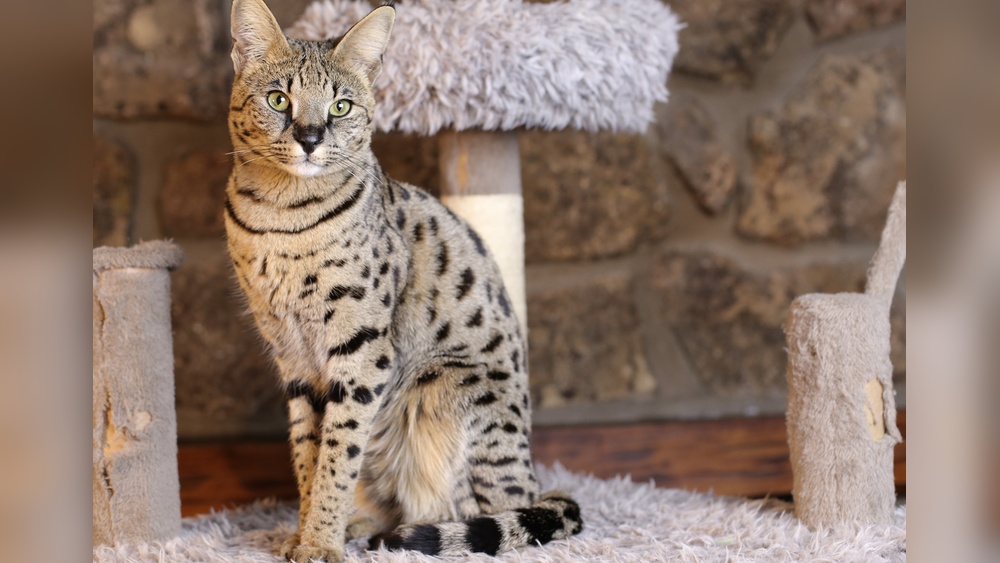
Have you ever wondered what makes a Savannah cat so unique and striking? If you’re curious about where this beautiful feline comes from, you’re in the right place.
Knowing which two breeds combine to create a Savannah cat will not only satisfy your curiosity but also help you understand its amazing traits. Keep reading, and you’ll discover the surprising mix behind this exotic pet that could be the perfect addition to your home.
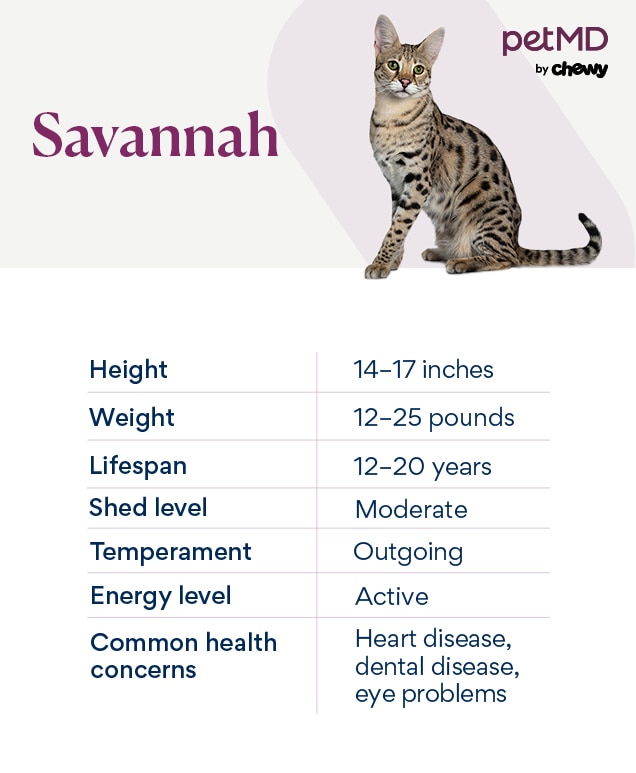
Credit: www.petmd.com
Origins Of The Savannah Cat
The Savannah cat is a unique and striking breed. It is known for its wild look and friendly nature. This breed comes from a special mix of two different cats. Understanding its origins helps explain its special traits.
The Savannah cat started as a crossbreed. Breeders wanted to combine the wild beauty of a wild cat with the gentle nature of a domestic cat. This gave birth to a new and exciting breed.
Serval: The Wild Ancestor
The serval is a wild cat from Africa. It has large ears, long legs, and a spotted coat. These traits help it hunt in tall grass. The serval is known for its agility and speed.
Its striking spots and tall frame make the Savannah cat look wild and exotic. The serval’s genes give the Savannah its unique appearance and athletic ability.
Domestic Cat: The Gentle Parent
The domestic cat is the second breed in the mix. Usually, breeders use a Siamese or an Oriental Shorthair. These cats are friendly and easy to live with. They also have a slim body and large ears.
This part of the mix adds a calm and social nature. It helps the Savannah cat fit well into homes and families. The domestic cat’s genes balance the wild traits from the serval.
The Wild Parent: Serval
The Savannah cat owes much of its unique look and personality to its wild parent, the serval. This wild African cat is known for its striking spots and tall, slim body. Understanding the serval helps explain why Savannah cats are so special and different from other domestic cats.
Serval’s Characteristics
Servals have long legs and large ears. Their body is slender and built for speed. The coat is golden with black spots and stripes. Their ears are rounded and help with hearing prey. Servals can jump high to catch birds and rodents. These cats are fast and agile hunters.
Habitat And Behavior
Servals live mostly in African grasslands and wetlands. They prefer areas with tall grass and water nearby. They hunt alone, mainly at night or dawn. Servals use their sharp hearing to find prey underground. They eat small animals like birds, frogs, and insects. These cats are shy and avoid people. Their wild behavior influences the Savannah cat’s energy and alertness.
The Domestic Parent: Siamese Cat
The Domestic Parent: Siamese Cat plays a key role in creating the Savannah Cat. This breed adds unique traits to the hybrid mix. Siamese cats bring a sleek look and a lively personality. Their influence shapes the Savannah’s charm and behavior.
Siamese Traits
Siamese cats have a slim, muscular body with short fur. Their fur usually shows a light base color with darker points on ears, face, paws, and tail. They have striking blue almond-shaped eyes that stand out. Their ears are large and pointed. Siamese cats are known for their elegance and grace.
Temperament And Appearance
Siamese cats are social and love attention from humans. They are vocal and use many sounds to communicate. These cats are playful and curious, often exploring their surroundings. Their strong bond with owners makes them loyal pets. Siamese cats are active and enjoy interactive play.
Breeding Process And Challenges
The breeding process of a Savannah cat involves careful planning and skill. Breeders combine two distinct breeds to create this unique feline. The process is not simple and faces many challenges. Understanding these steps helps appreciate the effort behind each Savannah cat.
Crossbreeding Techniques
Breeders start by mating a domestic cat with a serval. The serval is a wild African cat known for its tall ears and spotted coat. The domestic cat brings a friendly and calm nature to the mix. Breeders use specific methods to ensure successful mating. Timing and environment play key roles in this process. Sometimes, artificial insemination is necessary. This method helps when natural mating is difficult. The goal is to keep traits from both breeds in the offspring.
Genetic Considerations
Genetics are crucial in breeding Savannah cats. The serval’s genes can cause health or behavioral issues if not handled well. Breeders study the gene pool to avoid problems. They check for traits like size, coat pattern, and temperament. Maintaining a balance between wild and domestic traits is important. Genetic testing helps identify potential risks. This careful selection ensures healthier kittens and better quality cats.
Physical Features Of Savannah Cats
Savannah cats are unique pets with striking appearances. They inherit traits from two different breeds. These features make them stand out in any room. Their looks reveal their wild ancestry and domestic roots. Each cat shows a mix of elegance and power.
Their physical traits include coat patterns, colors, size, and body shape. These features tell a story about their origin and character. Let’s explore what makes Savannah cats so special.
Coat Patterns And Colors
Savannah cats have spotted coats that catch the eye. Their fur shows dark spots on a light background. Spots can be round or oval, scattered evenly. This pattern looks like wild African cats.
Colors vary from gold to silver and black. Some cats have a golden tan base with black spots. Others may show silver or smoke colors. The contrast between spots and base color is sharp.
Their coats feel short and dense. Soft to the touch but tough enough for outdoor play. Their ears often have markings like stripes or spots. These add to their wild, exotic look.
Size And Body Structure
Savannah cats are larger than typical house cats. They have long legs that give them height and grace. Their bodies are lean but muscular. This build helps them move quickly and jump high.
Their necks are long, and their heads are small and angular. Large ears sit high on the head. Their eyes are almond-shaped and bright, giving alert expressions.
Their tails are medium length with black rings or tips. This adds balance to their overall shape. Each cat’s size varies depending on its generation.
Behavioral Traits And Temperament
The behavioral traits and temperament of a Savannah cat reflect its unique heritage. This breed is a mix of a domestic cat and a wild African serval. These traits create a lively and curious pet. Understanding their behavior helps owners provide a happy home.
Energy Levels
Savannah cats have very high energy. They love to run, jump, and explore. These cats need lots of playtime every day. Toys that mimic hunting keep them busy. Without enough activity, they may become bored or restless. Their energy makes them fun but also demanding pets.
Social Interaction
Savannah cats enjoy social time with people. They are friendly and often bond closely with their owners. These cats like to follow you around the house. They also get along well with other pets. They do not like being left alone for long periods. Regular attention keeps them happy and calm.
Legal And Ethical Aspects
The Savannah cat is a unique mix of wild and domestic traits. It comes from crossing a domestic cat with a wild African serval. This blend creates a striking animal with a special appearance and behavior. Owning such a cat involves legal and ethical questions. These questions help protect both the cats and the people who care for them.
Ownership Regulations
Rules for owning Savannah cats differ by location. Some places allow them without limits. Others require permits or have bans. These laws protect native wildlife and public safety. Always check local laws before getting a Savannah cat. Owners must follow these rules to avoid fines or legal trouble. Proper licensing helps ensure the cat’s well-being.
Conservation Concerns
Savannah cats come from servals, a wild species. Servals live in African forests and grasslands. Protecting wild servals is important for nature balance. Breeding Savannah cats should not harm wild serval populations. Ethical breeders avoid taking servals from the wild. They focus on healthy, responsible breeding practices. Conservation helps keep both wild and domestic cats safe.
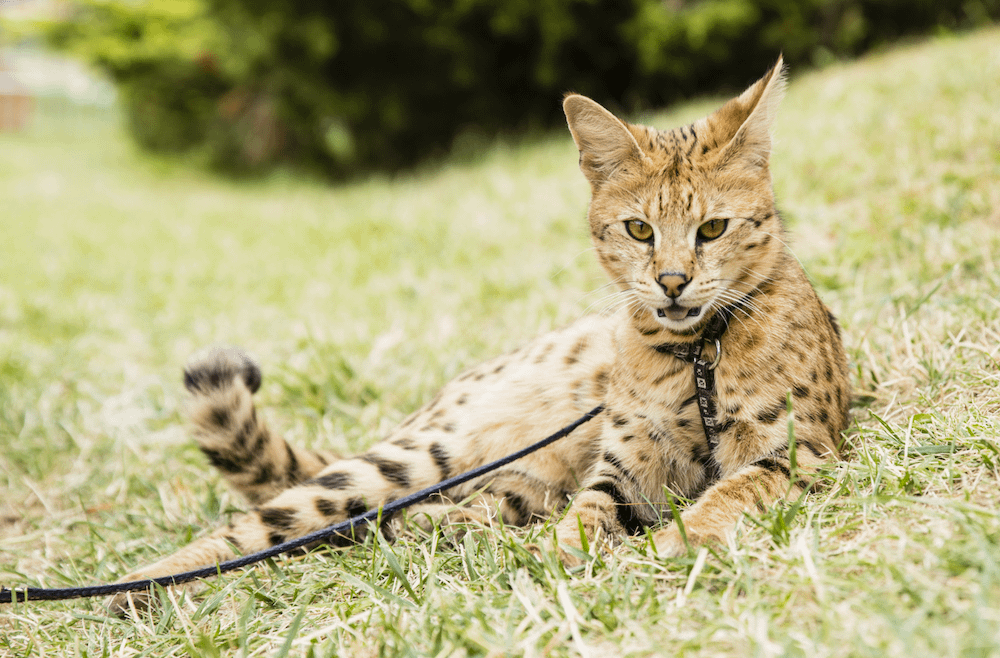
Credit: www.litter-robot.com
Caring For A Savannah Cat
Caring for a Savannah cat requires special attention. These cats are active and smart. They need the right food and plenty of playtime. Meeting their needs helps them stay healthy and happy. Understanding their diet and exercise needs is key to good care.
Diet And Nutrition
Savannah cats need a high-protein diet. Their wild ancestry means they thrive on meat. Provide quality cat food with real meat as the main ingredient. Avoid fillers like corn or wheat. Fresh water should always be available. Some owners add raw or cooked meat to their meals. Consult a vet for balanced diet advice. Proper nutrition supports energy and muscle health.
Exercise And Enrichment
These cats are playful and curious. They need lots of exercise to prevent boredom. Provide toys that encourage chasing and climbing. Interactive play sessions help build a bond. Puzzle feeders can challenge their minds. Safe outdoor time or large play areas are ideal. Keeping them active reduces stress and destructive behavior. Regular activity keeps a Savannah cat fit and content.

Credit: en.wikipedia.org
Frequently Asked Questions
What Two Breeds Create A Savannah Cat?
A Savannah cat is a hybrid breed resulting from crossing a domestic cat with an African serval. The serval is a wild, medium-sized cat native to Africa, known for its distinctive spots and long legs. The domestic breed involved is usually a Siamese or Oriental Shorthair.
Is A Serval Part Of The Savannah Cat’s Lineage?
Yes, the African serval is one of the two breeds used to create the Savannah cat. Its wild genes give the Savannah its unique appearance and energetic personality. The serval’s traits influence the hybrid’s large ears, spotted coat, and athletic build.
Which Domestic Cat Breed Is Crossed With A Serval?
The domestic cat breed commonly crossed with the serval to make a Savannah cat is the Siamese. Sometimes, Oriental Shorthairs are also used. These breeds contribute to the Savannah’s sleek body, social behavior, and striking coat patterns.
How Does The Breed Mix Affect Savannah Cat Traits?
The serval’s wild traits combined with the domestic cat’s temperament create a unique pet. Savannah cats are intelligent, active, and loyal. They often have large ears, long legs, and spotted coats. Their behavior is playful but requires proper socialization and care.
Conclusion
The Savannah cat is a mix of two special breeds. It comes from the wild African Serval and the domestic cat. This mix gives it a unique look and playful nature. Many people love Savannah cats for their energy and beauty.
Knowing their roots helps you understand their behavior better. This breed combines wild traits with a friendly home pet. It’s a great choice for those who want something different. Now you know what makes a Savannah cat special.