
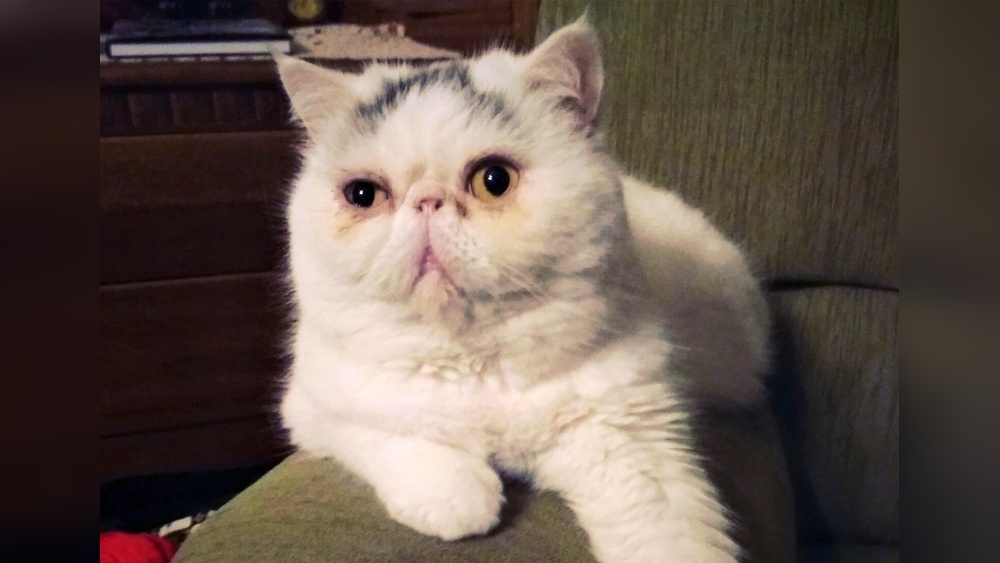
Have you ever wondered what really happens behind the scenes of cat breeding? It might seem like a harmless way to get a cute kitten, but there’s a darker side that many people don’t see.
If you care about your feline friend’s health and happiness, you need to know why cat breeding can actually cause more harm than good. Keep reading, and you’ll discover the surprising reasons why supporting cat breeding could be hurting cats—and what you can do to help instead.

Credit: www.floppycats.com
Ethical Concerns
Cat breeding raises many ethical concerns that affect animals and communities. These issues go beyond just creating new pets. They touch on animal welfare, health risks, and the balance of pet populations. Understanding these concerns helps us see why cat breeding can be harmful.
Animal Exploitation
Breeding cats often treats animals as products, not living beings. Breeders may focus on profit, ignoring cats’ needs. This can lead to poor living conditions and lack of proper care. Cats may suffer from stress, illness, or injury. Exploiting cats for money is unfair and causes harm.
Inbreeding Issues
Many breeders use inbreeding to keep certain traits. This practice lowers genetic diversity. It often causes health problems like weak immune systems and birth defects. Cats can suffer from chronic pain or shortened lifespans. Inbreeding reduces the quality of life for these animals.
Overpopulation Crisis
Breeding adds more cats to an already large population. Shelters are full of homeless cats needing care. Many cats are euthanized due to lack of homes. Overpopulation causes suffering and strain on animal services. Responsible pet ownership includes stopping unnecessary breeding.
Credit: www.quora.com
Health Risks For Cats
Cat breeding can cause serious health problems for cats. These problems affect their quality of life. Many cats suffer because of poor breeding practices. Understanding these risks helps us protect cats.
Genetic Disorders
Breeding often focuses on looks, not health. This leads to genetic disorders in cats. These disorders can cause pain and discomfort. Some common issues include heart problems and joint pain. Genetic defects pass down through generations. This makes many cats sick.
Compromised Immune Systems
Breeding can weaken a cat’s immune system. Weak immune systems make cats more likely to get sick. They catch infections and diseases easily. Sick cats need more medical care. Their bodies struggle to fight off illnesses.
Shortened Lifespans
Many bred cats live shorter lives. Health problems reduce their lifespan greatly. Chronic diseases and infections are common causes. Poor breeding increases risks of early death. Cats deserve long, healthy lives.
Impact On Animal Shelters
Cat breeding often leads to many unwanted cats ending up in animal shelters. These shelters face many problems because of this. The impact on animal shelters is serious and affects both the animals and the people who care for them.
Rising Shelter Populations
More cats from breeding mean more cats in shelters. Shelters get crowded quickly. Overcrowding makes it hard to give each cat enough space and care. Many shelters struggle to find homes for all these cats.
Strain On Resources
Shelters have limited money and supplies. More cats need more food, medicine, and bedding. Staff and volunteers work harder but often cannot keep up. The quality of care for each cat drops when resources are stretched thin.
Increase In Euthanasia Rates
Too many cats and not enough homes lead to tough choices. Sadly, shelters sometimes must euthanize healthy cats. This happens because space and resources run out. The increase in euthanasia is a direct result of overbreeding and overcrowding.

Credit: maine-coon.pictures-of-cats.org
Behavioral Problems
Cat breeding often causes behavioral problems in cats. Poor breeding affects how cats act and feel. These problems make cats unhappy and hard to live with.
Stress From Poor Breeding Practices
Breeding cats too often causes stress. Cats may not get enough rest or care. Stress leads to fear, aggression, and hiding. Stressed cats can stop eating or grooming themselves.
Temperament Issues
Bad breeding changes a cat’s nature. Some cats become very shy or very angry. Others may be overly nervous or scared. These temperament problems make cats hard to train or enjoy.
Difficulty In Adoption
Cats with behavior problems find new homes slowly. People avoid cats that act strange or bite. This leaves many cats stuck in shelters for long times. It hurts both cats and shelters.
Alternatives To Breeding
Choosing alternatives to cat breeding helps reduce the number of homeless cats. It also supports the health and well-being of cats everywhere. Many options exist that give cats loving homes without adding to overpopulation.
Adopting From Shelters
Shelters have many cats waiting for homes. Adopting saves lives and frees space for other animals. Cats from shelters often come vaccinated and checked by vets. Adoption helps reduce the demand for breeding. It gives cats a second chance at life.
Supporting Rescue Organizations
Rescue groups work hard to save stray and abandoned cats. They provide care and find good homes. Supporting these groups with donations or volunteering helps them continue their work. Rescues focus on the well-being of cats, not profit. Helping rescues is a kind way to protect animals.
Promoting Spay And Neuter Programs
Spaying and neutering cats prevent unwanted litters. These programs control the cat population humanely. They reduce the number of homeless and suffering cats. Many communities offer low-cost or free spay/neuter services. Promoting these programs keeps cats healthier and safer.
Legal And Social Implications
The legal and social implications of cat breeding are serious. Many countries have laws to control breeding. These laws aim to protect animal welfare and prevent cruelty. Breeding without following rules can lead to fines and legal trouble. The social impact is also strong. Communities often see the harm caused by irresponsible breeding. This affects public opinion and the way people treat animals. Understanding these implications helps everyone make better choices.
Regulations On Breeding
Governments set rules for cat breeding to keep animals safe. These rules include licensing breeders and limiting the number of cats. They also require proper care and living conditions. Ignoring these rules can cause breeders to lose their license. Some places ban breeding cats for profit. These regulations help stop overpopulation and poor treatment. They protect cats from neglect and abuse.
Public Awareness Campaigns
Public campaigns teach people about the risks of cat breeding. They show the problems caused by too many cats. Campaigns promote adopting from shelters instead of buying. They warn about health issues in poorly bred cats. These efforts raise community understanding and support animal welfare. Awareness helps reduce demand for irresponsible breeding. It encourages kindness and responsible pet care.
Responsibility Of Pet Owners
Pet owners must act responsibly to help stop bad breeding. They should adopt from shelters or trusted sources. Owners need to spay or neuter their cats to avoid unwanted litters. Providing good care and health checks is important. Responsible ownership lowers the chance of cats suffering. It also reduces the number of cats needing homes. Every owner has a role in protecting animal welfare.
Frequently Asked Questions
Why Is Cat Breeding Considered Harmful?
Cat breeding can lead to health problems and genetic defects in kittens. It often promotes overpopulation and neglects animal welfare, causing suffering and abandonment.
How Does Cat Breeding Affect Animal Welfare?
Breeding can cause stress, illness, and poor living conditions for cats. Many breeders prioritize profit over the cats’ well-being, leading to mistreatment.
Does Cat Breeding Contribute To Pet Overpopulation?
Yes, cat breeding increases the number of unwanted cats, worsening shelter overcrowding. This often results in more cats being euthanized or abandoned.
Are There Ethical Concerns With Cat Breeding?
Breeding raises ethical issues like exploiting animals for money and ignoring the importance of adoption. It often disregards responsible care and animal rights.
Conclusion
Cat breeding often causes health problems for cats. It can lead to genetic defects and weak immune systems. Many cats end up homeless or in shelters. Breeding also adds to pet overpopulation. Choosing adoption helps save lives and reduce suffering.
Treat cats with kindness and respect. Protect their health and happiness. Think twice before supporting cat breeding. Small choices make a big difference.