
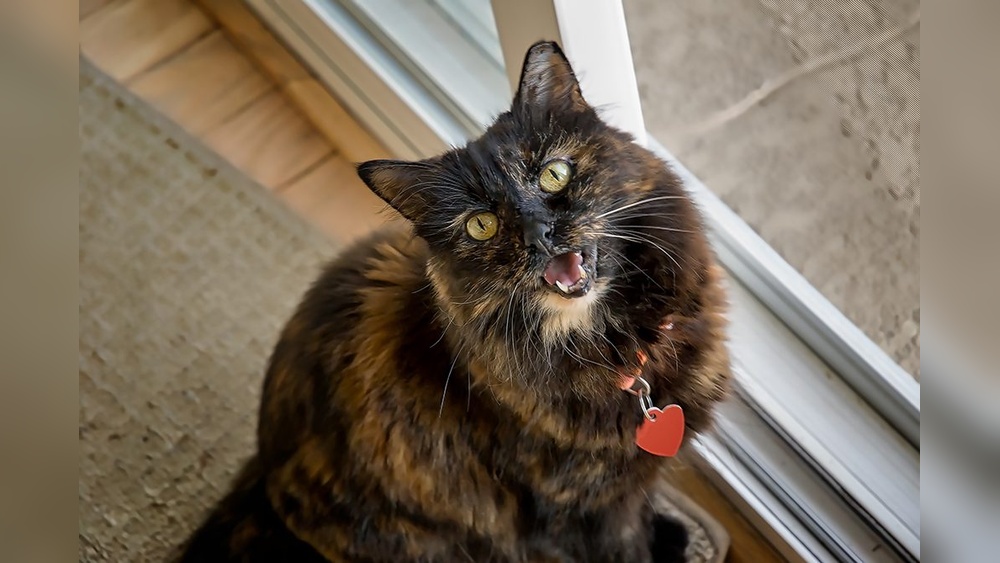
Have you ever wondered why your cat seems to turn into a night owl, meowing loudly when everyone else is asleep? If your furry friend’s nighttime vocal concerts leave you puzzled or even a little frustrated, you’re not alone.
Some cat breeds are naturally more talkative after dark, and understanding which ones can help you create a calmer, quieter home. Keep reading to discover which cat breeds meow at night and why they do it—so you can finally get a good night’s sleep.
Nocturnal Nature Of Cats
Cats are known for their activity during the night. This behavior comes from their natural instincts. Cats are crepuscular, meaning they are most active at dawn and dusk. Many cat breeds show this pattern, making them more lively and vocal at night. Understanding this helps explain why your cat meows after dark.
Why Cats Meow At Night
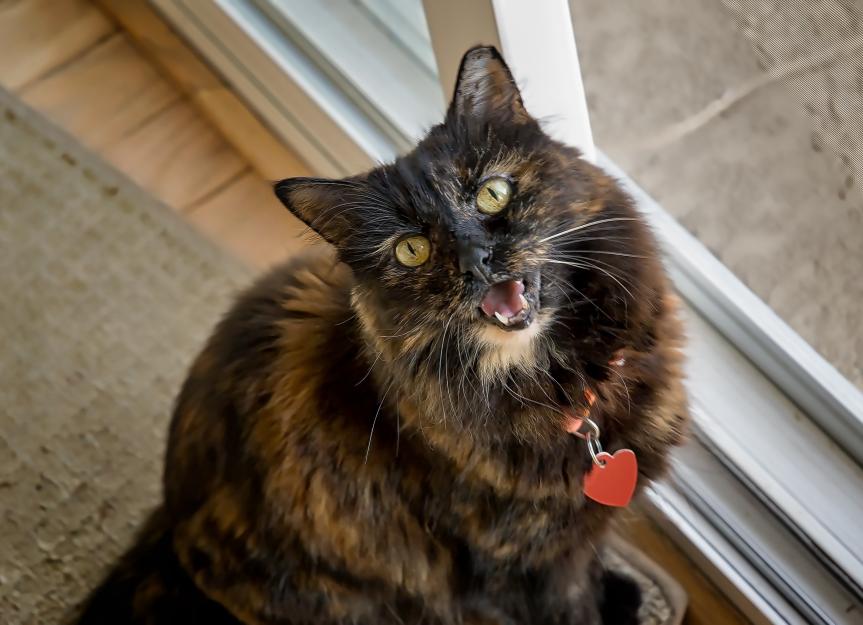
Cats meow at night for many reasons. Some feel lonely and want attention. Others may be hungry or thirsty. Nighttime is when their natural hunting instincts awaken. This can make them more restless and noisy. Older cats might meow due to confusion or discomfort. Knowing these reasons helps you respond better to their needs.
Cat Communication Styles
Meowing is one way cats communicate with humans. Each cat has a unique way of talking. Some meow softly, others loudly. Cats also use body language and purring to express themselves. Nighttime meows can mean different things than daytime sounds. Paying attention to tone and frequency helps understand your cat’s messages better.

Credit: iandloveandyou.com
Breeds Known For Nighttime Vocalization
Some cat breeds are famous for making sounds at night. These cats often meow loudly or talk to their owners after dark. Their voices can be soft or loud, and their meows have different meanings. Understanding these breeds helps you know why your cat is vocal at night.
These cats use meowing to get attention, show hunger, or express loneliness. Their talkative nature makes them unique and special to cat lovers. Here are some breeds known for their nighttime vocal habits.
Siamese Cats
Siamese cats are very talkative and vocal. They have a loud, clear meow that sounds like a baby’s cry. They use their voice to ask for attention or food. Siamese cats often meow at night to communicate with their owners.
Oriental Shorthairs
Oriental Shorthairs are similar to Siamese cats in their vocal habits. They meow softly but very often, especially at night. These cats love to chat and express their feelings through sounds. Oriental Shorthairs may keep owners awake with their nightly conversations.
Burmese Cats
Burmese cats have a sweet, soft voice that they use a lot. They meow to show love and ask for attention. At night, these cats may use gentle meows to feel connected to their owners. Burmese cats enjoy being social and vocal.
Maine Coon
Maine Coons are big cats with surprisingly soft voices. They often chirp or trill instead of loud meowing. These cats communicate quietly but clearly, sometimes at night. Maine Coons use sounds to express curiosity or call for company.
Behavioral Traits Linked To Night Meowing
Many cats meow at night due to specific behaviors. These behaviors come from their natural instincts and emotions. Understanding these reasons helps owners manage night meowing better. Here are common behavioral traits linked to night meowing in cats.
Attention Seeking
Cats often meow at night to get attention. They want their owners to interact or play. Nighttime can feel lonely for them. Meowing becomes a way to ask for company or food. Some breeds are more vocal and demand more attention.
Hunting Instincts
Cats are natural hunters, active at dawn and dusk. Night meowing can signal their hunting drive. They may feel restless and vocalize to express this urge. Indoor cats especially show this behavior. Meowing might be their way of releasing hunting energy.
Loneliness And Anxiety
Lonely cats often meow at night to express sadness. Separation from owners can cause anxiety. This leads to increased nighttime vocalization. Cats may feel scared or insecure alone in the dark. Meowing helps them seek comfort and reassurance.
Managing Nighttime Meowing
Nighttime meowing can disrupt sleep for both cats and their owners. Managing this behavior helps everyone rest better. Understanding why cats meow at night is the first step. Some breeds are more vocal, but all cats can learn to be quieter at night.
Simple changes in the environment and routine can reduce nighttime noise. Play and health also affect how much a cat meows. Small actions make a big difference in calming your cat after dark.
Environmental Adjustments
Keep your cat’s sleeping area calm and dark. Use blackout curtains to block outside lights. A quiet room helps cats feel safe and relaxed. Remove toys or items that might excite them at night. Provide a cozy bed to encourage restful sleep.
Interactive Playtime
Play with your cat before bedtime to use up energy. Use toys that mimic hunting, like feathers or laser pointers. Short, active play sessions tire your cat out. A tired cat is less likely to meow at night. Regular play builds a stronger bond too.
Health Check-ups
Frequent meowing can signal health problems. Schedule regular vet visits to rule out pain or illness. Older cats might meow more due to cognitive issues. Early health checks prevent serious problems later. Keep your cat’s vaccinations and treatments up to date.
When To Consult A Veterinarian
Some cats meow at night due to breed traits or normal behavior. Yet, loud or frequent nighttime meowing can signal health problems. Knowing when to consult a veterinarian helps protect your cat’s well-being. Watch for signs that suggest your cat needs medical attention. Early action can prevent serious issues and ease your cat’s discomfort.
Signs Of Distress Or Illness
Notice if your cat’s meows become weak or hoarse. Check for coughing, sneezing, or difficulty breathing. Look for changes in appetite or water intake. Vomiting or diarrhea also require prompt vet attention. Your cat may hide or seem unusually tired. Limping or trouble moving can signal pain. Any sudden changes in physical health need a vet’s check.
Behavioral Changes
Observe if your cat becomes more restless or anxious. Excessive meowing without clear cause can mean stress. Your cat may stop using the litter box or hide more. Aggression or withdrawal are important warning signs. Changes in sleep patterns or energy levels matter too. These shifts can indicate underlying health or emotional issues. A veterinarian can help identify and treat these problems.
:max_bytes(150000):strip_icc()/why-do-cats-meow-at-night-feline-fine-0bfff66ad93948c4b3af11321f6d2f91.png)
Credit: www.dailypaws.com
Credit: www.petmd.com
Frequently Asked Questions
Which Cat Breeds Are Known To Meow At Night?
Siamese, Bengal, and Oriental Shorthair cats often meow at night. They are vocal breeds seeking attention or communication during quiet hours.
Why Do Some Cats Meow More At Night?
Cats meow at night due to boredom, hunger, or loneliness. Nighttime vocalization is common in active or social breeds needing interaction.
How Can I Reduce My Cat’s Nighttime Meowing?
Provide playtime before bed, ensure food and water are available. Create a calm environment to reduce anxiety and nighttime vocalization in cats.
Are Nighttime Meowing Habits Breed-specific?
Yes, some breeds like Siamese and Burmese are naturally more vocal, especially at night. Genetics influence their communication and nighttime behavior patterns.
Conclusion
Many cat breeds tend to meow more at night. Some cats are naturally more vocal after dark. This behavior can be due to attention seeking or instinct. Understanding your cat’s breed helps explain their night sounds. You can try gentle ways to calm your cat.
Patience and care work best to reduce night meowing. Every cat is different, so observe and respond kindly. Enjoy the unique sounds your cat makes at night.