
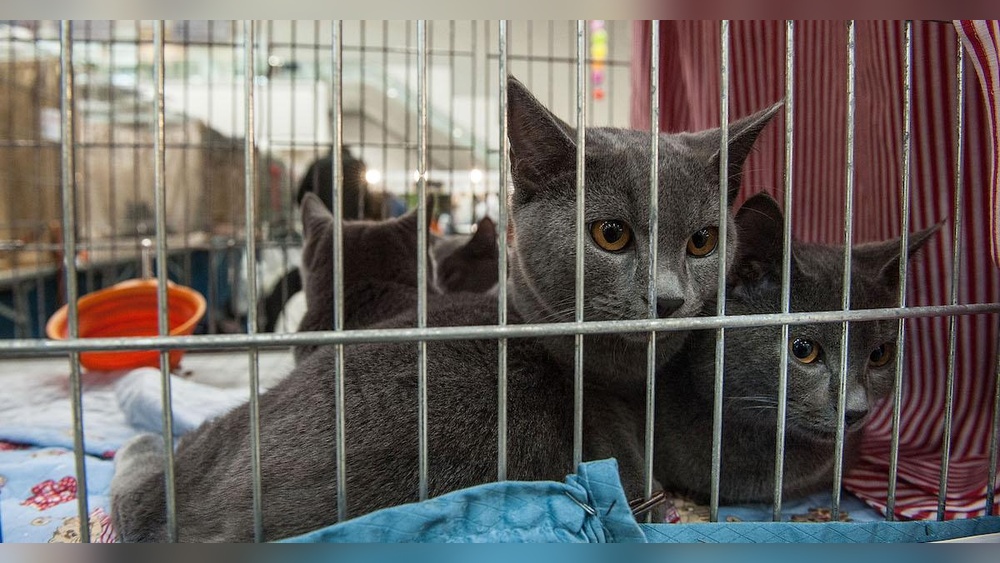
Have you ever wondered where some cats really come from? If you’re thinking about adding a furry friend to your family, it’s important to know what a cat breeding mill is—and why it matters to you and your future pet.
These places often hide harsh realities that can affect a cat’s health and happiness. By understanding what a cat breeding mill is, you’ll be better equipped to make smart, kind choices for your new companion. Keep reading to uncover the truth behind these mills and how you can help make a difference.
Credit: www.nyshumane.org
Cat Breeding Mill Basics
Cat breeding mills are places where cats are bred in large numbers. These places focus on producing many kittens quickly. The conditions often prioritize quantity over the cats’ health and well-being. Understanding how these mills work is important for anyone interested in cat welfare or adoption.
Many cats from these mills suffer from poor care and lack of socialization. The breeding practices can cause health problems in the kittens. Learning about these basics helps people make informed choices.
What Are Cat Breeding Mills
Cat breeding mills are commercial operations that breed cats in bulk. Their main goal is to produce as many kittens as possible. These mills often keep cats in small cages or crowded spaces. The focus is on profit rather than animal care. Cats in mills rarely get proper veterinary attention or social interaction.
How They Operate
Breeding mills use female cats to produce many litters each year. The cats are bred repeatedly without enough rest. They live in cramped and dirty conditions. The kittens are separated from their mothers early. Staff often ignore signs of illness or injury. The business runs with little regard for the cats’ comfort or health.
Common Breeds Produced
Breeding mills often produce popular cat breeds. These include Persians, Siamese, and Maine Coons. Such breeds sell quickly and for high prices. The focus is on appearance, not temperament or health. This can lead to genetic problems in the kittens. Buyers should be careful about where they get these breeds.

Credit: www.reddit.com
Conditions Inside Breeding Mills
The conditions inside cat breeding mills are often harsh and unhealthy. These places focus on making money, not on the well-being of cats. Cats live in small, crowded spaces with little comfort. The environment causes stress and suffering. Understanding these conditions helps people see why mills are harmful.
Living Environment
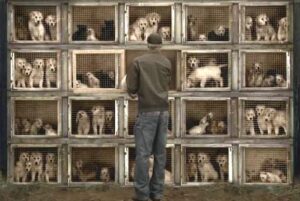
Cats in breeding mills live in cramped cages or small rooms. They have little space to move or play. The area is usually dirty and noisy. There is no soft bedding or toys for comfort. Many cats stay in the same place without fresh air. This environment causes fear and sadness in cats.
Health And Hygiene Issues
Hygiene is poor inside breeding mills. Waste and urine often build up around cats. This dirty space spreads germs and disease quickly. Many cats get sick from infections or parasites. They rarely get proper cleaning or vet care. Illness spreads fast because of close contact.
Treatment Of Cats
Cats in mills often face neglect and rough treatment. They are used only to produce kittens. Many cats do not get enough food or water. Sick cats may be ignored or left to suffer. There is little attention to their emotional needs. This treatment causes pain and fear in cats.
Impact On Cats’ Health
Cats from breeding mills often suffer serious health problems. These places focus on quantity, not quality. Poor care and overcrowding harm the cats. Many health issues come from bad breeding practices. These problems affect cats’ lives deeply.
Genetic Problems
Breeding mills often breed cats too closely related. This causes genetic defects. Some cats have weak bones or heart issues. Others may have eye problems or joint pain. These problems make cats sick early in life.
Behavioral Issues
Cats in mills get little social interaction. This lack causes fear and aggression. Many cats act nervous or shy. Some show signs of stress or anxiety. These behaviors make it hard for cats to live happily.
Shortened Lifespan
Health issues and stress shorten cats’ lives. Illnesses from poor conditions lead to early death. Many cats do not live beyond a few years. A healthy cat can live over 15 years. Mill cats rarely reach this age.

Credit: www.sixthtone.com
Ethical Concerns
Cat breeding mills raise serious ethical questions. These places focus on making money over animal care. Cats often suffer in poor conditions. Understanding these concerns helps protect animals and promote kindness.
Animal Welfare Violations
Cats in breeding mills live in crowded, dirty cages. They rarely get fresh air or exercise. Many suffer from diseases and injuries. Basic needs like food and clean water are often ignored. Stress and illness harm their health deeply.
Exploitation For Profit
Breeding mills breed cats rapidly to sell quickly. They treat cats as products, not living beings. Profit drives their decisions, not animal welfare. Female cats are forced to have many litters. This hurts their health and lifespan significantly.
Legal And Regulatory Gaps
Many regions lack strong laws against breeding mills. Inspections and punishments are often weak or rare. This allows mills to operate with little oversight. Without better rules, cats remain at risk of abuse.
Signs Of A Breeding Mill Cat
Signs of a breeding mill cat are often clear but easy to miss. These cats may suffer from poor care and unhealthy conditions. Recognizing these signs helps protect cats from cruel treatment. It also guides potential adopters to make better choices.
Physical Indicators
Breeding mill cats often look unhealthy. Their fur might be dirty or matted. They may have bald patches or wounds. Eyes can be watery or have discharge. Their weight is usually too low or too high. Notice if the cat moves stiffly or limps. These signs suggest poor living conditions.
Behavioral Red Flags
These cats often act scared or nervous. They may hide or avoid contact. Some show aggression or sudden fear. Lack of social skills is common. They might not play or respond to attention. These behaviors come from stress and neglect.
Questions To Ask Sellers
Ask where the cat was born. Request health and vaccination records. Inquire about the cat’s living conditions. Check if the seller allows a visit. Ask about the cat’s parents and siblings. Good sellers will answer openly and honestly.
Alternatives To Breeding Mills
Breeding mills often treat cats poorly and cause many problems. Choosing better options helps animals live happy, healthy lives. Many people want cats but want to avoid supporting mills. Several alternatives offer love and care without cruelty.
Adopting From Shelters
Shelters have many cats waiting for homes. These cats often need love and a fresh start. Adoption fees usually cover vet care and vaccinations. Shelters help reduce stray populations and save lives. Adopting gives a cat a second chance.
Reputable Breeders
Good breeders care about cat health and well-being. They follow strict rules and breed responsibly. Reputable breeders provide health records and allow visits. They prioritize cats’ quality of life over profit. Buying from them supports ethical breeding practices.
Rescue Organizations
Rescue groups focus on saving cats from harm. They nurse sick or injured cats back to health. Many rescues specialize in certain breeds or needs. Adopting from rescue groups helps reduce mill demand. These cats often come with full medical care.
How To Help End Breeding Mills
Ending cat breeding mills takes effort from many people. These places treat cats badly and cause harm. Everyone can help stop this cruelty. Simple actions can make a big difference. Here are some ways to help end breeding mills and protect cats.
Supporting Legislation
Lawmakers can create rules to stop breeding mills. Supporting these laws helps protect cats from abuse. Contacting local leaders shows that people care about animal welfare. Voting for animal-friendly laws pushes change forward. Strong rules can close down cruel breeding mills.
Raising Awareness
Sharing information teaches others about breeding mills. Many people do not know about the harm these places cause. Talking with friends and family spreads the message. Social media posts can reach a large audience. The more people know, the more pressure there is to act.
Responsible Pet Ownership
Choosing pets wisely helps reduce demand for mill cats. Adopting from shelters saves lives and stops mills from profiting. Avoid buying cats from unknown breeders or pet stores. Caring for pets properly sets a good example. Responsible owners help end the cycle of cruelty.
Frequently Asked Questions
What Is A Cat Breeding Mill?
A cat breeding mill is a large-scale facility focused on breeding cats for profit. Conditions are often poor, prioritizing quantity over animal welfare. These mills typically lack proper care, leading to health and behavioral issues in cats.
How Do Cat Breeding Mills Affect Cat Welfare?
Cat breeding mills often neglect cats’ health and social needs. Overcrowding, unsanitary conditions, and lack of veterinary care are common. This results in physical and emotional suffering for the cats involved.
Why Are Cat Breeding Mills Controversial?
Breeding mills prioritize profit, often ignoring animal welfare. They contribute to pet overpopulation and increase the risk of genetic disorders. Ethical concerns arise due to inhumane treatment and poor living conditions.
How Can You Identify A Cat Breeding Mill?
Look for signs like overcrowded cages, poor hygiene, and lack of socialization. Sellers may refuse to show the breeding facility. Legitimate breeders prioritize transparency, proper care, and health guarantees.
Conclusion
Cat breeding mills cause harm to animals and reduce their well-being. These places focus on profit, not proper care. Many cats suffer from poor health and bad living conditions. Choosing a responsible breeder or adopting from a shelter helps animals live better lives.
Everyone can help stop cruel breeding practices by learning and sharing the facts. Protecting cats means giving them love, care, and respect they deserve. Think about kindness and make better choices for animals.