
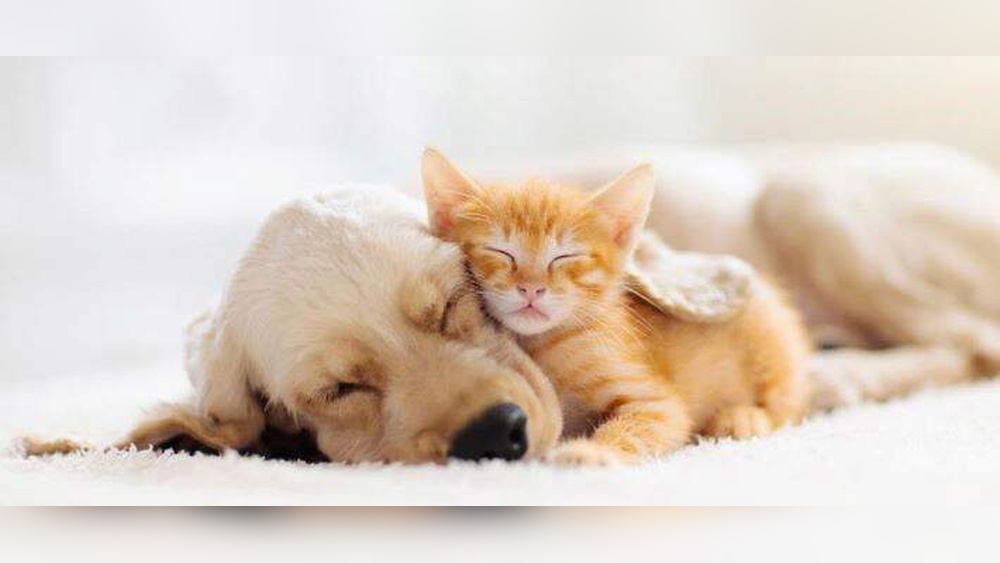
Are you wondering which dog breeds get along best with cats? If you want your furry friends to live in harmony, choosing the right dog is key.
Some dogs have a natural calmness that helps them bond easily with cats, while others may need more time and patience. You’ll discover the best dog breeds that fit perfectly into a home with cats. Keep reading to find out which dogs can become your cat’s new best friend—and make your life a lot easier.
Traits Of Cat-friendly Dogs
Choosing a dog that gets along well with cats can make your home peaceful. Some dogs have traits that help them live happily with feline friends. Understanding these traits helps pick the right dog for your cat.
Temperament To Look For
Calm and gentle dogs fit best with cats. Dogs with low prey drive usually do better. Friendly and patient dogs show less aggression. Avoid dogs that are overly dominant or territorial.
Energy Levels And Compatibility
Dogs with moderate energy levels match well with cats. Too much energy can stress a cat. Low-energy dogs are often more relaxed around cats. Matching play styles helps both pets enjoy each other.
Size Considerations
Small to medium dogs usually fit better with cats. Large dogs can accidentally hurt cats during play. Size difference matters for safety and comfort. Choose a dog size that suits your cat’s personality.
Credit: www.nylabone.com
Top Dog Breeds That Get Along With Cats
Choosing a dog breed that gets along well with cats is important for a peaceful home. Some dogs have gentle personalities that fit perfectly with feline friends. These breeds tend to be calm, friendly, and patient. They enjoy company and rarely show aggression towards cats. Here are some top dog breeds that usually live happily with cats.
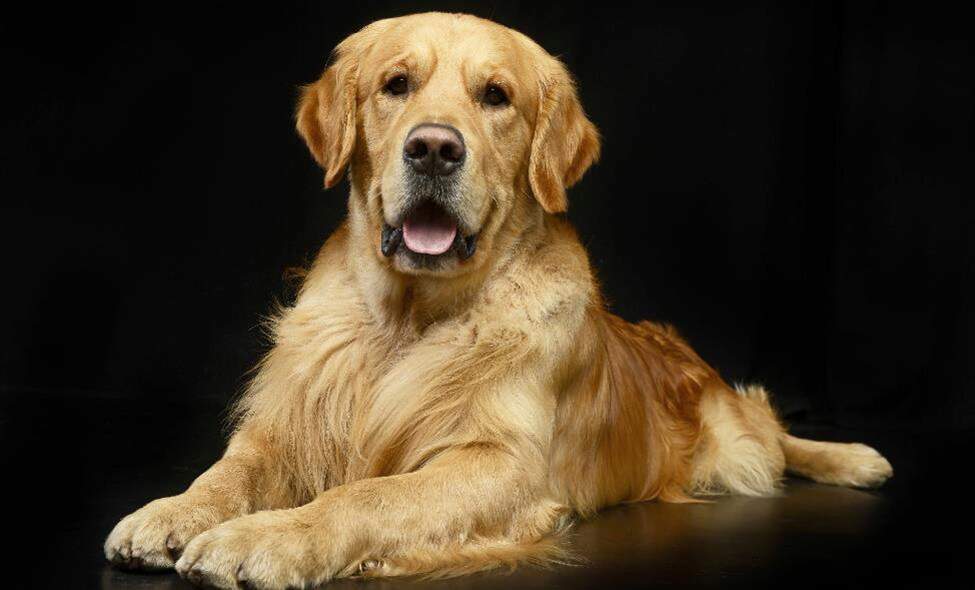
Golden Retriever
Golden Retrievers are friendly and gentle dogs. They are patient and kind with cats. Their calm nature helps create a peaceful home. These dogs love to play but know when to be gentle. They often accept cats as part of the family.
Beagle
Beagles are curious and friendly dogs. They enjoy socializing with other pets, including cats. Beagles are small to medium in size, which makes them less threatening. Their playful spirit matches well with a cat’s energy. Beagles adapt easily to living with cats.
Cavalier King Charles Spaniel
This breed is known for being gentle and loving. Cavaliers enjoy quiet time and are very affectionate. They usually do not chase or bother cats. Their calm and sweet nature makes them great companions for cats. They thrive in homes with multiple pets.
Basset Hound
Basset Hounds have a laid-back and friendly personality. They are not aggressive and tend to be patient. Their slow and steady behavior helps cats feel safe. Basset Hounds are loyal and enjoy being part of a family. They often get along well with cats.
Maine Coon Dog Breeds
Maine Coon cats are large and friendly, known for their social nature. Some dog breeds match their calm and gentle spirit well. Dogs that are patient and loving work best with Maine Coons. These pets often enjoy each other’s company and play gently together. Finding a dog breed with a similar calm attitude helps build harmony.
Training Tips For Dog-cat Harmony
Creating peace between dogs and cats takes time and patience. Training helps both pets feel safe and happy together. Focus on clear steps to build trust and respect.
Early Socialization
Introduce dogs and cats at a young age. Early meetings reduce fear and aggression later. Let them see and smell each other calmly. Praise good behavior to encourage calmness. Early socialization sets a positive tone for their relationship.
Supervised Introductions
Keep first meetings short and controlled. Use a leash for the dog to prevent chasing. Watch the cat’s body language for signs of stress. Separate pets if either shows fear or aggression. Gradually increase time together as they grow comfortable.
Establishing Boundaries
Create safe spaces for both pets. Cats often need high places or quiet rooms. Teach dogs not to invade these areas. Use baby gates or barriers to separate when needed. Respecting boundaries helps avoid conflicts and builds trust.
Signs Of A Successful Dog-cat Relationship
A successful dog-cat relationship shows harmony and mutual respect. Both pets feel safe and relaxed around each other. They share space without tension or fear. Understanding the signs helps owners support this positive bond. Watch closely for how they behave together. Their actions reveal comfort and trust.
Body Language To Watch
Calm body posture means pets feel safe. Dogs with relaxed tails and soft eyes show friendliness. Cats with slow blinking or purring signal comfort. Avoid stiff bodies or raised hackles; these show stress. Ears forward or sideways often mean curiosity, not threat. Look for gentle movements and soft gazes between them.
Play And Interaction Cues
Play is a good sign of a strong bond. Dogs and cats may chase gently or wrestle softly. Watch for pauses to check on each other’s mood. Shared toys or resting close together show trust. Both pets take turns leading or following. Play without growling or hissing means respect.
Managing Conflicts
Small disagreements happen but should end quickly. Look for quick calming signals like yawning or looking away. Owners should separate pets if tension grows. Teach pets to respect each other’s space. Reward calm behavior to build peace. Safe spaces for each pet reduce stress and fights.
Common Challenges And Solutions
Introducing a dog to a home with cats can bring challenges. Knowing these common issues helps owners prepare. Solutions make living together peaceful and happy.
Jealousy And Attention Seeking
Dogs may feel jealous when cats get attention. They might bark or act out to get noticed. Give both pets equal time and affection. Reward calm behavior to encourage good manners.
Prey Drive Issues
Some dogs have a strong prey drive. They may chase or scare cats. Choose breeds with low prey instincts for homes with cats. Train dogs to stay calm and respect the cat’s space.
Adjusting To New Additions
Introducing a new dog or cat needs patience. Let them meet slowly and in safe spaces. Keep initial meetings short and positive. Use treats and praise to build good feelings between pets.
:strip_icc()/DogAndCat461331121-56a9c1f25f9b58b7d0febc84.jpg)
Credit: www.thesprucepets.com
Creating A Pet-friendly Home Environment
Creating a pet-friendly home environment helps dogs and cats live peacefully together. It reduces stress and builds trust between them. A calm and safe space supports good behavior and happy pets.
Safe Spaces For Cats
Cats need places to retreat and feel secure. High shelves, cozy beds, or quiet rooms work well. These spots allow cats to relax away from energetic dogs. Safe spaces help cats avoid stress and stay calm.
Shared Resources
Keep food and water bowls separate for dogs and cats. This prevents competition and fights over meals. Provide multiple litter boxes in quiet areas for cats. Toys and beds should be placed apart to avoid conflicts.
Routine And Consistency
Pets thrive on routine and clear rules. Feed dogs and cats at the same times daily. Playtime and walks should happen regularly. Consistency helps pets know what to expect and feel safe.

Credit: manypets.com
Frequently Asked Questions
Which Dog Breeds Are Most Cat-friendly?
Breeds like Golden Retrievers, Beagles, and Basset Hounds are known for being gentle with cats. They have calm temperaments and social personalities. These breeds typically adapt well to living with cats, promoting a peaceful household.
Can Small Dog Breeds Get Along With Cats?
Yes, small breeds like Cavalier King Charles Spaniels and Pugs often coexist well with cats. They are usually friendly and less aggressive. Proper socialization from an early age helps build a strong bond between them.
What Dog Traits Help Coexistence With Cats?
Calmness, patience, and sociability are key traits. Dogs that are not overly aggressive or territorial tend to get along with cats. Training and gradual introductions also improve their relationship.
Are There Dog Breeds That Dislike Cats?
Some breeds with strong prey drives, like Siberian Huskies and Terriers, may not get along with cats. These dogs might see cats as prey. Supervised interaction and training are essential if living together.
Conclusion
Choosing the right dog breed can help pets live happily together. Friendly and gentle dogs often get along well with cats. Patience and slow introductions make a big difference too. Watching their behavior helps keep both safe and calm. Remember, every pet is unique and may react differently.
A peaceful home with cats and dogs is possible. Care, love, and respect build strong bonds between them. This way, both pets can enjoy a happy life together.