
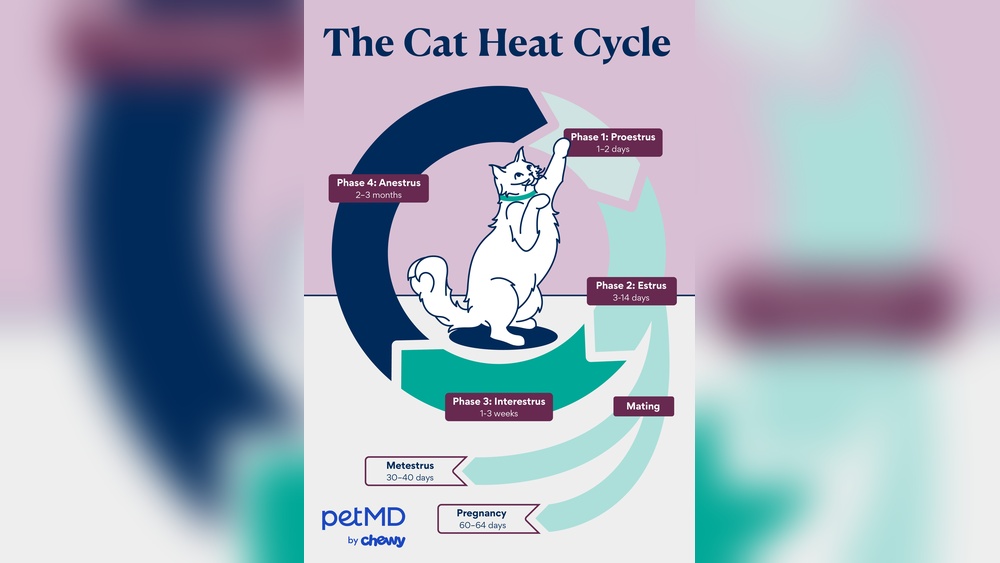
Are you wondering when your female cat might start breeding? Knowing the right time is important for keeping her healthy and happy.
Understanding her breeding cycle can help you make smart decisions about her care. You’ll discover exactly when female cats begin to breed and what signs to watch for. Keep reading to learn how to take the best care of your furry friend during this critical stage.
Cat Sexual Maturity Age
Understanding the age at which female cats reach sexual maturity helps in responsible pet care. It guides owners on when cats can start breeding. Knowing this age helps prevent unplanned litters and health issues.
Female cats mature faster than many people expect. Their bodies prepare early for reproduction. Learning about this maturity can improve cat health and welfare.
Typical Onset Of Heat Cycle
Female cats usually enter their first heat cycle between 5 and 9 months old. Some cats may start earlier, around 4 months. Others might take longer, up to 12 months.
The heat cycle, or estrus, signals readiness to breed. It can last from a few days to two weeks. During this time, cats show behaviors like loud meowing and restlessness.
Factors Influencing Maturity
Several factors affect when a female cat reaches sexual maturity. Breed plays a role; some breeds mature faster than others. Domestic cats often mature earlier than wild breeds.
Nutrition impacts growth and maturity. Well-fed cats tend to mature sooner. Environment also matters; indoor cats may start heat cycles earlier than outdoor cats.
Season affects maturity too. Cats in warmer climates may enter heat earlier. Light exposure can trigger hormonal changes that start the cycle.
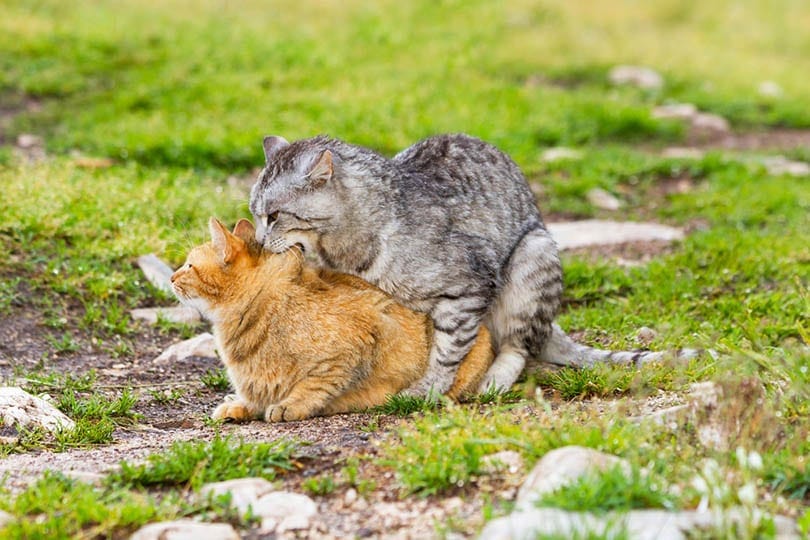
Credit: articles.hepper.com
Signs Of Heat In Female Cats
Female cats show clear signs when they enter heat. Recognizing these signs helps you understand their breeding cycle. The signs include changes in behavior and physical symptoms. These signs usually appear when the cat is ready to breed. Being aware of these helps in managing your cat’s health and well-being.
Behavioral Changes
Female cats become more vocal during heat. They may meow loudly or yowl at night. You might notice them rubbing against furniture or people more often. They also show restlessness and seem more active. Some cats try to escape outside to find a mate. Increased affection and attention-seeking are common too.
Physical Symptoms
The cat’s tail position changes, often held to the side. Swelling of the vulva is a typical sign. Some cats show slight discharge, but it is usually clear. You may notice more frequent licking of the genital area. These physical symptoms signal that the cat is fertile and ready to breed.
Breeding Risks And Considerations
Breeding female cats too early can cause many problems. It is important to know the risks and think carefully before deciding to breed. Early breeding affects the cat’s health and growth. Careful planning helps keep cats safe and healthy.
Understanding these risks helps owners make the best choices for their pets. Responsible breeding means waiting until the cat is ready physically and mentally. This section explains key risks and important points to consider.
Health Risks For Early Breeders
Breeding too soon can harm a female cat’s health. Young cats may suffer from infections and complications during pregnancy. Their bodies may not be strong enough to carry kittens safely. Early breeding raises the chance of stillbirths and weak kittens.
Stress and injury are common in young breeding cats. They may have difficulty delivering kittens naturally. These cats often need medical help, which can be costly and risky. Waiting until the cat is mature lowers these health problems.
Impact On Growth And Development
Breeding before full growth can stunt a cat’s development. Young cats need time to build strong bones and muscles. Pregnancy uses a lot of energy, slowing their growth. This can cause lifelong health problems and a weak body.
Early pregnancy can also affect a cat’s behavior. Young cats may become anxious or aggressive. They are not ready to care for kittens properly. Allowing full development helps cats become better mothers and stay healthy.
Optimal Breeding Age
Female cats usually start breeding between 5 to 9 months old. Their first heat signals readiness to mate. Early breeding can affect their health.
Female cats usually start breeding around six months old. This age can vary depending on the cat’s health and breed. Breeding too early can cause health problems for young cats. Waiting until they are fully grown helps ensure safer pregnancies. Most experts suggest waiting at least one year before breeding a female cat. This allows her body to mature and handle pregnancy better.
Proper timing improves the chances of healthy kittens and a healthy mother. Knowing the right age to start breeding helps cat owners make smart choices. It also reduces risks during pregnancy and birth. Each cat is different, so understanding their needs is important.
Veterinarian Recommendations
Veterinarians often recommend breeding female cats after one year old. This age helps ensure the cat is physically ready for pregnancy. Vets check a cat’s health before breeding to avoid complications. They may suggest vaccinations and health screenings first. Regular vet visits help monitor a cat’s condition during pregnancy. Following vet advice reduces risks for both mother and kittens.
Breed-specific Variations
Some cat breeds mature faster than others. Small breeds may start breeding earlier than large breeds. For example, Siamese cats often reach breeding age sooner. Large breeds like Maine Coons may need more time to mature. Each breed has unique growth rates and health needs. Understanding these differences helps decide the best breeding time. Breeders should learn about their cat’s breed traits before planning.
Managing Unplanned Pregnancies
Managing unplanned pregnancies in female cats is important for their health and well-being. Early pregnancies can be risky for young cats. Owners need to act quickly and carefully to handle the situation. Understanding the right steps helps avoid stress for the cat and the owner.
Knowing how to prevent unplanned pregnancies and what to do after can keep your cat safe. This section explains simple ways to manage these situations clearly and effectively.
Preventative Measures
Spaying your cat is the best way to prevent unplanned pregnancies. It stops the heat cycles and reduces health risks. Keep your female cat indoors during heat periods to avoid contact with male cats. Monitor your cat’s behavior for signs of heat, such as restlessness or loud vocalizing. Early spaying, usually before six months old, helps prevent early pregnancies. Consult a vet for the right time and care before surgery.
Options After Pregnancy
If your cat is already pregnant, provide a safe and quiet place for her to give birth. Ensure she has proper food and water to stay healthy. You can choose to keep the kittens or find good homes for them. Talk to a vet about caring for the mother and kittens. In some cases, vets may suggest humane options if you cannot care for the kittens. Always make decisions with the cat’s health as the top priority.
:strip_icc()/will-heat-cycle-end-after-mating-554846-0287b41fab614446a08cf8eea4c6dbd6.jpg)
Credit: www.thesprucepets.com
Spaying Benefits And Timing
Spaying female cats is an important choice for pet owners. It helps control the cat population and keeps your cat healthy. Choosing the right time to spay affects your cat’s well-being and behavior. Understanding the benefits and timing helps you make the best decision.
Health Advantages
Spaying lowers the risk of many health problems. It prevents uterine infections and breast tumors. These tumors are often cancerous in older cats. Spaying also stops unwanted pregnancies and related complications. Cats that are spayed tend to live longer and healthier lives.
When To Spay
Veterinarians usually recommend spaying before the first heat. This is often around five to six months old. Spaying early reduces health risks and unwanted behaviors. Some vets suggest spaying as early as eight weeks old. Talk to your vet to find the best time for your cat.
:strip_icc()/the-cat-mating-game-552391_v4-dabfffab635f4c0bad958505417544f3.png)
Credit: www.thesprucepets.com
Frequently Asked Questions
When Do Female Cats Usually Start Breeding?
Female cats typically start breeding around 5 to 6 months old. This age can vary based on breed and health. Early breeding is common in well-nourished cats and warm climates.
How Can I Tell If My Female Cat Is Ready?
Signs include a swollen vulva, restlessness, and vocalizing. She may also show affection and spray urine. These indicate she is in heat and ready to breed.
Is It Safe For Young Female Cats To Breed?
Breeding too early can harm a young cat’s health. It’s best to wait until she is at least one year old for safer pregnancies.
How Often Do Female Cats Go Into Heat?
Cats can go into heat every 2 to 3 weeks during breeding season. Heat cycles last about 7 to 10 days, making frequent breeding possible.
Conclusion
Female cats usually start breeding around six months old. Their first heat cycle signals readiness to mate. Early breeding can lead to health risks for young cats. Responsible care helps keep cats safe and healthy. Understanding breeding age aids in better cat care.
Watch for signs and consult a vet if unsure. Proper knowledge protects both the cat and her kittens. Breeding at the right time supports a happy, healthy cat life.