
Have you ever wondered why cats that have been breeding suddenly stop? If you’re a cat owner or breeder, this can be confusing and even worrying.
Understanding the reasons behind this change is important for your cat’s health and happiness. You’ll discover the key factors that cause breeding cats to quit and what signs you should watch for. By the end, you’ll feel more confident in caring for your feline friend and knowing when to seek help.
Keep reading to learn what might be going on with your cat.

Credit: www.amazon.com
Signs A Breeding Cat Is Quitting
Noticing a breeding cat is quitting can be tricky. Cats do not tell us directly. Instead, they show signs through their behavior and health. Understanding these signs helps you act early. You can provide better care and support. Watch closely for changes. They often signal the cat is ready to stop breeding.
Behavioral Changes
Cats that are quitting breeding often change their behavior. They may become less active and more withdrawn. Playfulness might drop significantly. The cat could avoid mating or showing interest. Aggression or irritability can increase. These shifts show the cat is losing interest in breeding activities.
Physical Health Issues
Health problems often appear when a cat stops breeding. Weight loss or gain is common. The cat might show fatigue or weakness. Coat quality may decline, becoming dull or patchy. You may notice changes in eating or drinking habits. These signs mean the cat’s body is under stress.
Decreased Fertility
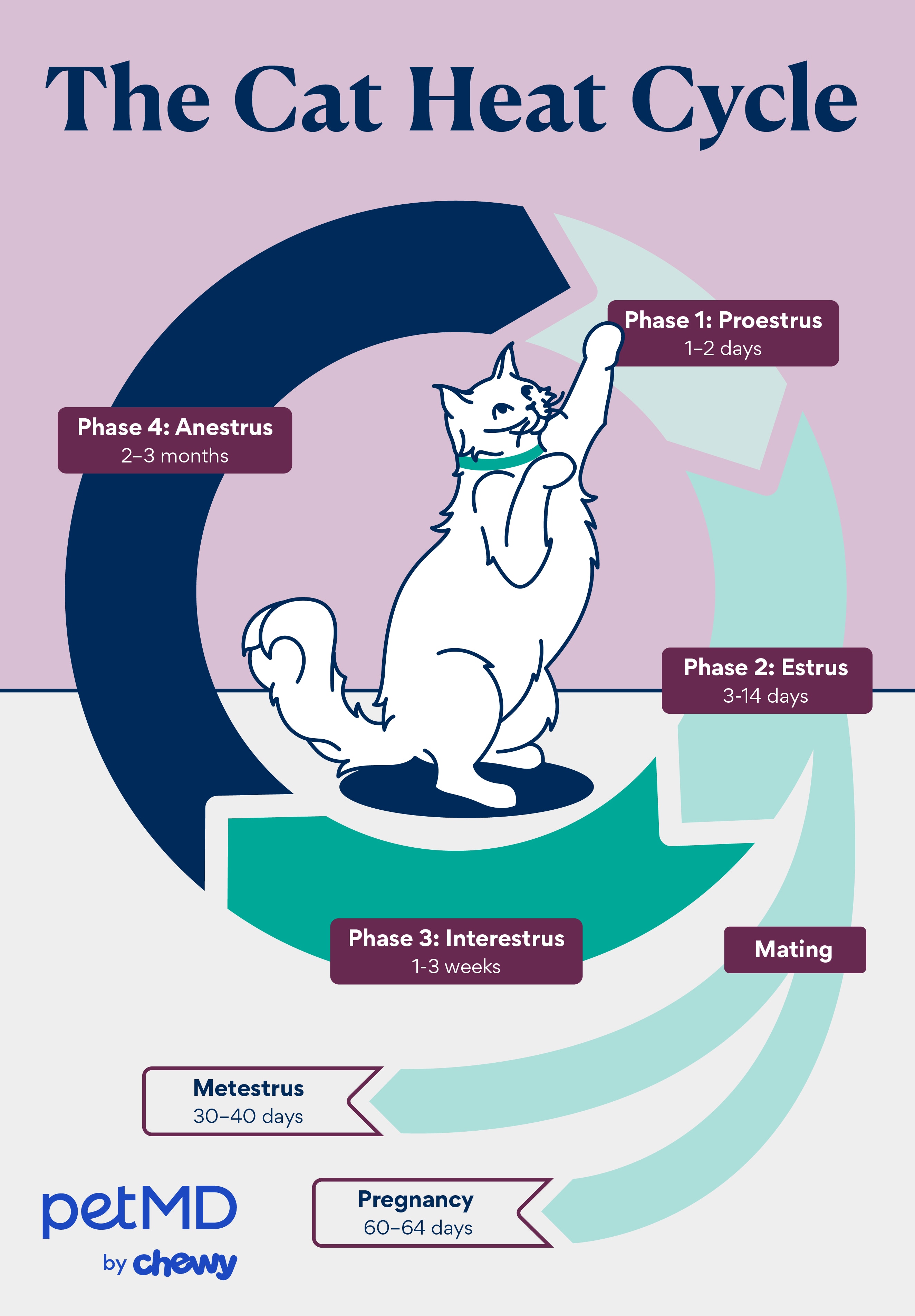
Fertility drops as a cat quits breeding. Heat cycles become irregular or stop altogether. The cat may fail to conceive despite mating. Litter sizes shrink over time. Monitoring fertility helps spot early quitting signs. It shows the reproductive system is aging or affected by health issues.
Common Health Problems In Breeding Cats
Breeding cats face many health challenges. These problems can cause stress and lead to quitting breeding. Knowing common health issues helps owners care better for their cats. It also helps prevent early retirement from breeding.
Many health problems affect a cat’s ability to reproduce and stay healthy during breeding cycles. Some issues are serious and need quick action. Others develop slowly but still impact the cat’s well-being and breeding success.
Reproductive Disorders
Breeding cats often suffer from reproductive problems. These include infections, cysts, and hormonal imbalances. Such issues can cause infertility or miscarriage. Some cats may have difficulty during labor. These disorders weaken the cat and reduce breeding ability.
Nutritional Deficiencies
Proper nutrition is vital for breeding cats. Lack of vitamins and minerals harms health. Deficiencies can cause weak kittens and poor milk production. Cats may lose weight and energy. Balanced diets support strong pregnancies and healthy offspring.
Chronic Illnesses
Long-term diseases affect many breeding cats. Conditions like kidney disease or diabetes cause fatigue and discomfort. Chronic illnesses lower fertility and cause early retirement. Regular vet visits help catch these problems early. Managing illness can extend breeding life.
Emotional And Environmental Factors
Emotional and environmental factors play a big role in why cats stop breeding. These factors affect a cat’s mood and health deeply. Understanding these can help owners provide better care. Cats are sensitive animals. Changes in their surroundings or feelings can cause them to quit breeding.
Stress And Anxiety
Stress and anxiety are common reasons cats stop breeding. Loud noises, new places, or unknown animals can scare cats. When cats feel unsafe, their body stops working normally. Stress lowers their chances to mate and have kittens. Stress also makes cats hide or avoid people.
Poor Living Conditions
Poor living conditions hurt a cat’s health and mood. Dirty spaces, lack of food, or no clean water make cats sick. Sick cats cannot breed well. Small or crowded cages cause discomfort and fear. Good space and cleanliness are key for healthy breeding.
Lack Of Social Interaction
Cats need social time with other cats or humans. Without social contact, cats feel lonely and sad. Loneliness can cause cats to lose interest in breeding. Friendly play and gentle touch improve their mood. Regular social interaction helps cats stay active and healthy.
Impact Of Age On Breeding Cats
The impact of age on breeding cats is a key reason many stop breeding. As cats grow older, their bodies change. These changes affect their ability to have healthy kittens. Age affects both the cat’s fertility and overall health. Understanding these changes helps explain why breeding cats quit over time.
Older cats often face challenges that younger cats do not. These challenges reduce their chances of successful breeding. Breeders must watch for signs of aging to keep cats healthy and safe.
Decline In Reproductive Capability
Reproductive ability drops as cats age. Older female cats have fewer eggs. Their cycles become irregular and less frequent. Male cats produce less sperm and lower quality sperm. This decline lowers the chance of pregnancy. Kittens born to older cats may have more health issues. The body’s natural decline makes breeding less effective.
Age-related Health Concerns
Health problems increase with age. Conditions like arthritis, kidney disease, and dental issues are common. These problems affect a cat’s comfort and energy. Stress from breeding can worsen these illnesses. Older cats may also recover more slowly after pregnancy. These health concerns often cause breeders to retire older cats. Protecting a cat’s well-being is very important.
Role Of Genetics And Breeding Practices
Genetics and breeding practices have a big impact on why breeding cats stop having kittens. These factors affect the cat’s health and ability to reproduce. Understanding the role of genetics helps explain common problems in breeding cats. Careful breeding is needed to keep cats healthy and fertile.
Inbreeding Risks
Inbreeding happens when close relatives mate. This raises the chance of genetic problems. Cats may inherit diseases or weak immune systems. Inbreeding can cause smaller litters or no kittens at all. Over time, it lowers the cat’s natural ability to breed.
Selective Breeding Consequences
Selective breeding chooses cats with certain traits to mate. This can lead to health issues tied to those traits. Breeders might focus on looks over health. This causes hidden genetic problems to spread. Some cats may become infertile or stop breeding earlier than normal.
Credit: www.petmd.com
Preventive Measures To Keep Cats Breeding
Preventive measures help keep cats healthy and able to breed. Caring for breeding cats needs attention to health, diet, and environment. This care reduces chances of breeding problems and helps cats stay strong and fertile.
Focus on key areas like vet care, proper food, and stress control. These steps keep cats in good condition for breeding. Small changes in care make a big difference for long-term breeding success.
Regular Veterinary Care
Vet visits catch health issues early. Regular check-ups ensure cats get vaccines and parasite control. This prevents diseases that can stop breeding. Blood tests help monitor reproductive health. A healthy cat breeds more easily and safely.
Balanced Diet And Supplements
Good food supports fertility. Feed cats high-quality cat food made for their life stage. Nutrients like taurine and omega-3 are important. Supplements can help if a diet lacks key vitamins. Proper nutrition keeps cats energetic and ready to breed.
Stress Reduction Techniques
Stress harms a cat’s ability to breed. Keep cats in calm, quiet places. Avoid loud noises and sudden changes. Give safe spaces for rest and play. Gentle handling helps cats feel secure. Less stress means better breeding chances.
When To Retire A Breeding Cat
Knowing when to retire a breeding cat is very important for her health and happiness. Cats have natural cycles, and their bodies change as they age. Continuing to breed them past a certain point can cause stress and health problems. Retiring a cat means giving her a break from pregnancy and kitten care. This helps her live a longer, healthier life.
Deciding the right time to retire a breeding cat depends on several signs. Watching for these signs helps you make the best choice for your cat’s well-being. Retirement is not just about age but also about how the cat feels and behaves. It shows respect for her needs and comfort.
Signs It&39;s Time To Stop
One clear sign is a drop in the cat’s energy and activity. She may seem tired or less playful than before. Another sign is irregular or difficult pregnancies. This can mean her body is struggling. Weight loss or poor coat condition also shows she may be stressed. Behavioral changes, like increased aggression or withdrawal, are warnings. If she shows any health problems, such as infections or injuries, it might be time to stop breeding. Regular vet checks help catch these signs early.
Alternatives For Retired Cats
After retirement, cats need a new role in your home. They can live as loving pets with no breeding duties. Focus on their comfort and mental health. Provide soft beds, toys, and gentle playtime. Some retired cats enjoy being companions to younger cats. Ensure they get regular vet care and a healthy diet. Enrich their environment with climbing spots and quiet areas. Treat retired cats with patience and kindness. This helps them adjust and stay happy.
Credit: www.petmd.com
Frequently Asked Questions
Why Do Breeding Cats Suddenly Stop Reproducing?
Breeding cats may stop reproducing due to age, health issues, or hormonal changes. Stress and poor nutrition also affect fertility. Regular vet checkups help identify problems early and maintain breeding health.
How Does Age Affect A Cat’s Breeding Ability?
As cats age, their fertility naturally declines. Older cats produce fewer eggs and have irregular heat cycles. Breeding beyond prime age risks health issues for both mother and kittens.
Can Health Problems Cause Breeding Cats To Quit?
Yes, health problems like infections, hormonal imbalances, or malnutrition can stop breeding. Timely veterinary care and a balanced diet are crucial for maintaining reproductive health in cats.
Does Stress Influence Breeding Cessation In Cats?
Stress significantly impacts a cat’s reproductive cycle. Changes in environment, loud noises, or other animals cause stress. Reducing stress improves the chances of continued breeding success.
Conclusion
Cats that stop breeding often face health or stress issues. Breeding takes energy and can tire them out. Age and changes in environment also play a role. Understanding these reasons helps owners care better for their pets. Watching your cat’s behavior closely makes a big difference.
Give them rest and proper medical care. This helps keep cats happy and healthy for years. Always listen to your cat’s needs and respond quickly. Caring well means a longer, peaceful life for your feline friend.