
Are you curious about Cymric cats and what makes them special? If you love cats or are thinking about adding a furry friend to your family, understanding the different Cymric breeds can help you find the perfect match.
These charming cats have unique looks and personalities that might surprise you. Keep reading, and you’ll discover the fascinating world of Cymric breeds—what sets each one apart and why one of them could be the ideal companion for you.
Origins Of Cymric Cats
Cymric cats come mainly in one breed, known for their long fur and tail-less bodies. They are a type of Manx cat, often seen with different coat colors and patterns. This breed is loved for its unique look and gentle nature.
The Cymric cat is a unique breed with an interesting past. It is a long-haired version of the Manx cat. The Manx cat is famous for its short or missing tail.
These cats come from the Isle of Man, a small island in the Irish Sea. The island gave the Manx its name. The Cymric breed was developed by breeding Manx cats with longer fur.
Breeders aimed to keep the Manx’s distinctive tailless trait while adding a thick, soft coat. This made the Cymric stand out from other cats.
Connection To The Isle Of Man
The Isle of Man is central to the Cymric’s story. It is where the Manx cat was first found. The local cats had no tails because of a natural genetic mutation.
People on the island valued these cats for hunting rodents. Over time, the tailless trait became common among island cats.
Development As A Separate Breed
The Cymric became a separate breed in the mid-1900s. Breeders began to focus on the long-haired form of the Manx. They wanted a cat with the same traits but a beautiful coat.
Careful breeding helped fix the long fur trait in the population. This created the Cymric as a distinct breed with its own look.
Genetic Background
The Cymric shares most genes with the Manx. Both have a gene that causes taillessness or a short tail. This gene is unique and rare in cats.
The long hair comes from crossing with other long-haired breeds. This mix gave the Cymric its plush, thick fur.

Credit: www.wisdompanel.com
Physical Features
The Cymric cat breed is known for its unique physical features. These cats have a distinct look that sets them apart from other breeds. Their appearance combines softness with strength, making them very charming and appealing. Understanding their physical traits helps in recognizing a true Cymric cat.
Coat And Color Variations
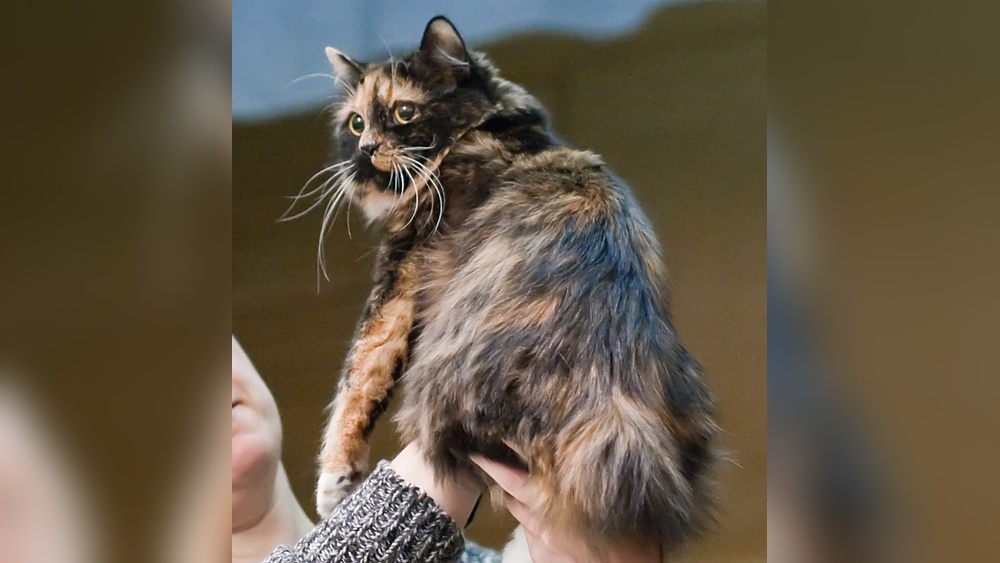
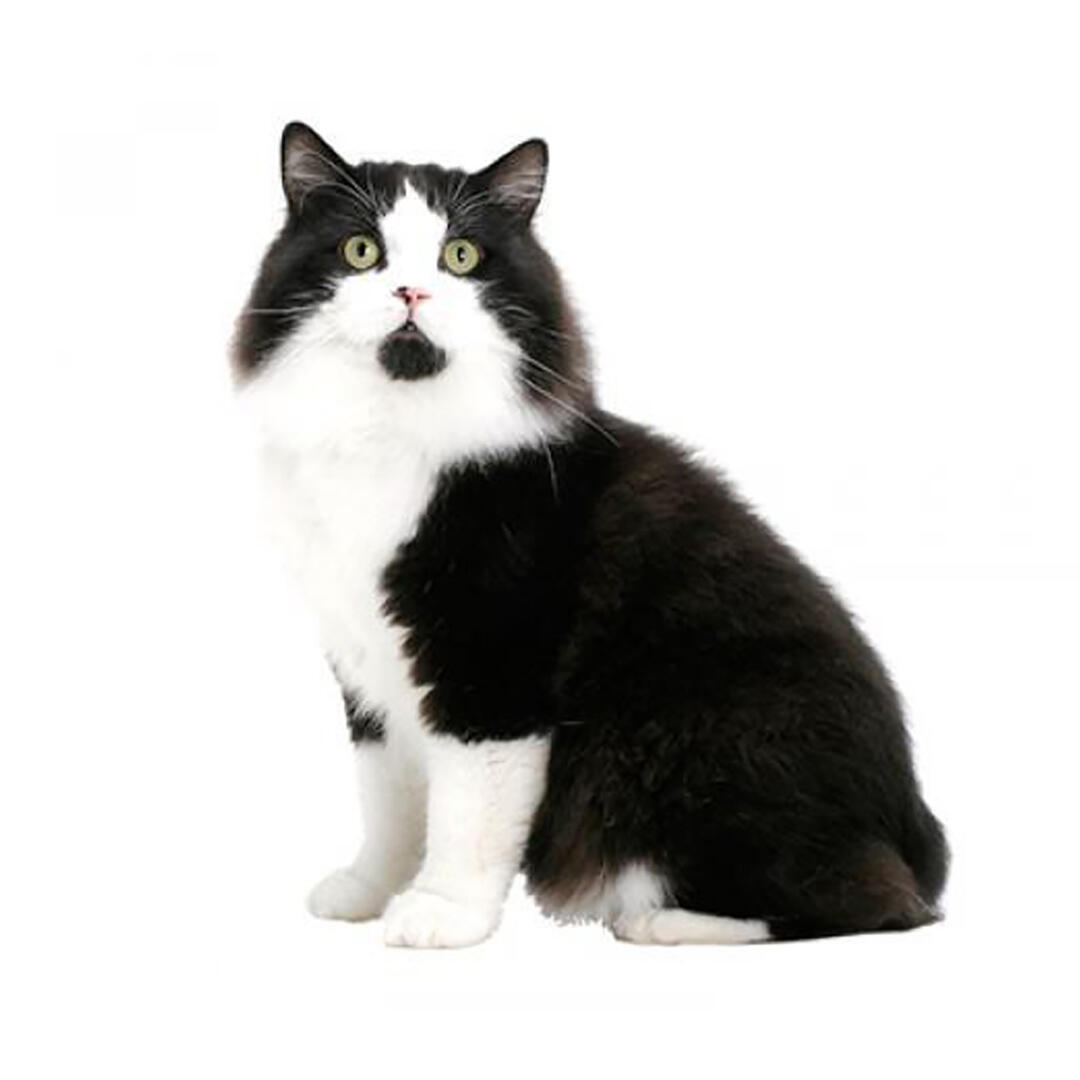
The Cymric has a thick, medium to long coat. It feels soft and dense to touch. Their fur protects them from cold weather. Colors vary widely. Common colors include solid, tabby, and bicolor. Some have patterns like calico or tortoiseshell. The coat shines with good grooming and care.
Tail Characteristics
The most notable feature is the tail. Cymrics often have a short, fluffy tail. Some may have a full-length tail but with a slight kink. Others have a tail that looks almost bobbed. This tail trait is natural and part of their charm. It adds to their playful and curious personality.
Size And Build
Cymric cats have a medium to large size. They have a sturdy and muscular build. Their legs are strong and well-proportioned. The body is compact but solid. This build helps them move gracefully. They look powerful yet gentle at the same time.
Personality Traits
The Cymric cat has a unique personality that makes it a favorite for many cat lovers. This breed is known for its gentle and loving nature. Understanding their personality traits helps owners build a strong bond. The following sections explore the temperament, social behavior, and activity levels of Cymric cats.
Temperament
Cymric cats are calm and affectionate. They enjoy quiet moments and gentle petting. These cats rarely show aggression. They are patient with children and other pets. Their easygoing nature makes them great companions. Cymrics adapt well to new environments. They rarely get stressed or anxious.
Social Behavior
Cymric cats love being around people. They often follow their owners from room to room. These cats enjoy socializing but also value alone time. They get along well with other pets. Cymrics do not like being left alone for long. They respond well to attention and playtime. Their friendly nature helps them form strong bonds.
Activity Levels
Cymric cats have moderate energy levels. They enjoy playful sessions but also like to rest. These cats love interactive toys and puzzles. They are not overly hyper but stay curious. Cymrics appreciate climbing and exploring their space. Regular play helps keep them healthy. They balance active moments with plenty of relaxation.
Popular Cymric Varieties
The Cymric cat is a beloved breed with a few well-known varieties. Each type has unique features that appeal to different cat lovers. Understanding these popular Cymric varieties helps you appreciate their charm and beauty. Here are the main types you should know about.
Standard Cymric
The Standard Cymric is the classic version of this breed. It has a medium-long, thick coat that feels soft and plush. This type has a round face with big eyes and no tail or a very short one. Its friendly nature makes it a favorite in many homes.
Long-haired Manx
The Long-Haired Manx is closely related to the Cymric. It shares the same tailless or short-tailed trait. The key difference lies in its longer, flowing fur. This variety looks elegant with its thick coat and strong body. It is gentle and playful, just like the Standard Cymric.
Rare Color Patterns
Cymric cats come in many colors, but some patterns are rare and special. These include unusual shades like chocolate, lilac, or even tortoiseshell. The rare colors make these cats unique and sought after. Their beautiful coats add to the breed’s overall appeal.
Health And Care Tips
Taking care of a Cymric cat means paying attention to its health and daily needs. These cats are charming and loving but need special care to stay happy and well. Understanding their health risks, grooming needs, and diet helps you give them the best life.
Common Health Issues
Cymric cats may face some health problems. They often have heart conditions like hypertrophic cardiomyopathy. Watch for signs like tiredness or breathing trouble. Some also suffer from joint problems due to their body shape. Regular vet visits help catch problems early. Vaccinations and parasite control are important too.
Grooming Needs
Cymric cats have thick, medium-long fur that needs care. Brush their coat two to three times a week. This stops mats and reduces shedding. Check their ears and eyes for dirt or infection. Trim their nails every two weeks. Bathing is not needed often, only if very dirty.
Diet Recommendations
Feed your Cymric a balanced diet with good protein. High-quality cat food supports muscle and coat health. Avoid giving too many treats or human food. Fresh water should be available all the time. Talk to your vet about portion sizes and special diets.
Credit: www.purina.co.uk
Choosing The Right Cymric Cat
Picking the right Cymric cat means thinking about your daily life and what the cat needs. This breed is known for its friendly and calm nature, but every cat has its own personality. Understanding the different types of Cymric cats helps you find one that fits your home and routine well.
Consider how much time you can spend with your pet. Some Cymrics need more attention than others. Also, think about space and other pets in your home. These factors make a big difference in choosing a happy cat.
Matching Lifestyle
Cymric cats enjoy both play and rest. They adapt well to quiet homes or busy families. If you work long hours, choose a more independent cat. For families with children, a gentle and patient cat works best. Active homes may prefer a lively Cymric that loves to explore.
Adoption Vs. Breeders
Adopting a Cymric cat gives a home to a cat in need. Shelters and rescues often have cats with mixed backgrounds. Buying from breeders can ensure purebred traits and known health history. Check breeders carefully to find responsible ones. Both options need time to find the right match.
Cost Considerations
Cymric cats can have different costs based on source and age. Adoption fees are usually lower and may include vaccinations. Breeders charge more for purebred cats with pedigrees. Remember to budget for food, toys, and vet visits. Plan for unexpected health costs too.

Credit: tica.org
Frequently Asked Questions
What Is A Cymric Cat Breed?
A Cymric cat is a long-haired version of the Manx breed. It features a tailless or short-tailed body. Known for its playful and affectionate nature, the Cymric has a dense, water-resistant coat and strong hind legs.
How Many Cymric Cat Varieties Exist?
Cymric cats are primarily one breed with various coat colors and patterns. These include solid, tabby, and bicolor variations. Each coat type maintains the breed’s characteristic tail traits and sturdy build.
Are Cymric Cats Good Family Pets?
Yes, Cymric cats are excellent family pets. They are friendly, social, and enjoy human interaction. Their gentle temperament makes them suitable for homes with children and other pets.
What Distinguishes Cymric Cats From Manx Cats?
Cymric cats have long, thick fur, while Manx cats have short hair. Both share the distinctive tailless or short-tail trait. The Cymric’s plush coat requires more grooming compared to the Manx.
Conclusion
Cymric cats come in a few lovely types, each with unique traits. They have soft, thick fur and friendly personalities. These cats enjoy being with people and playing often. Choosing a Cymric means welcoming a gentle and loyal friend. Their calm nature fits well in many homes.
Exploring these breeds helps you find the perfect pet for your family. Remember, every Cymric is special in its own way. They bring joy and warmth wherever they live.