
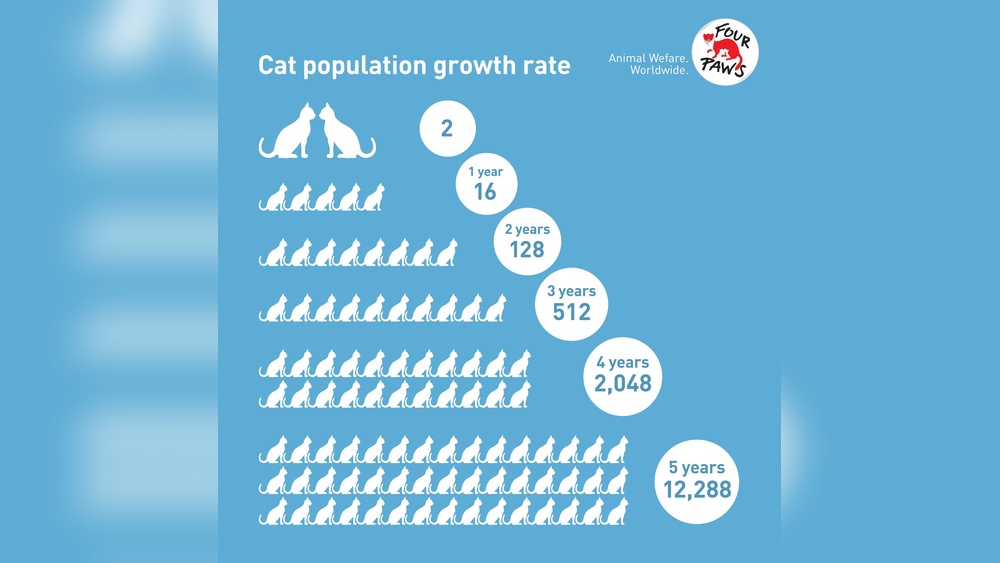
Are you curious about when cat breeding season happens in the UK? Knowing the right time can help you care better for your feline friends.
Whether you have a pet cat or you’re thinking about breeding, understanding the season is key. You’ll discover exactly when cat breeding season starts and ends, and what it means for your cat’s health and behavior. Keep reading to learn how to prepare and protect your cat during this important time.
Cat Breeding Cycle In The Uk
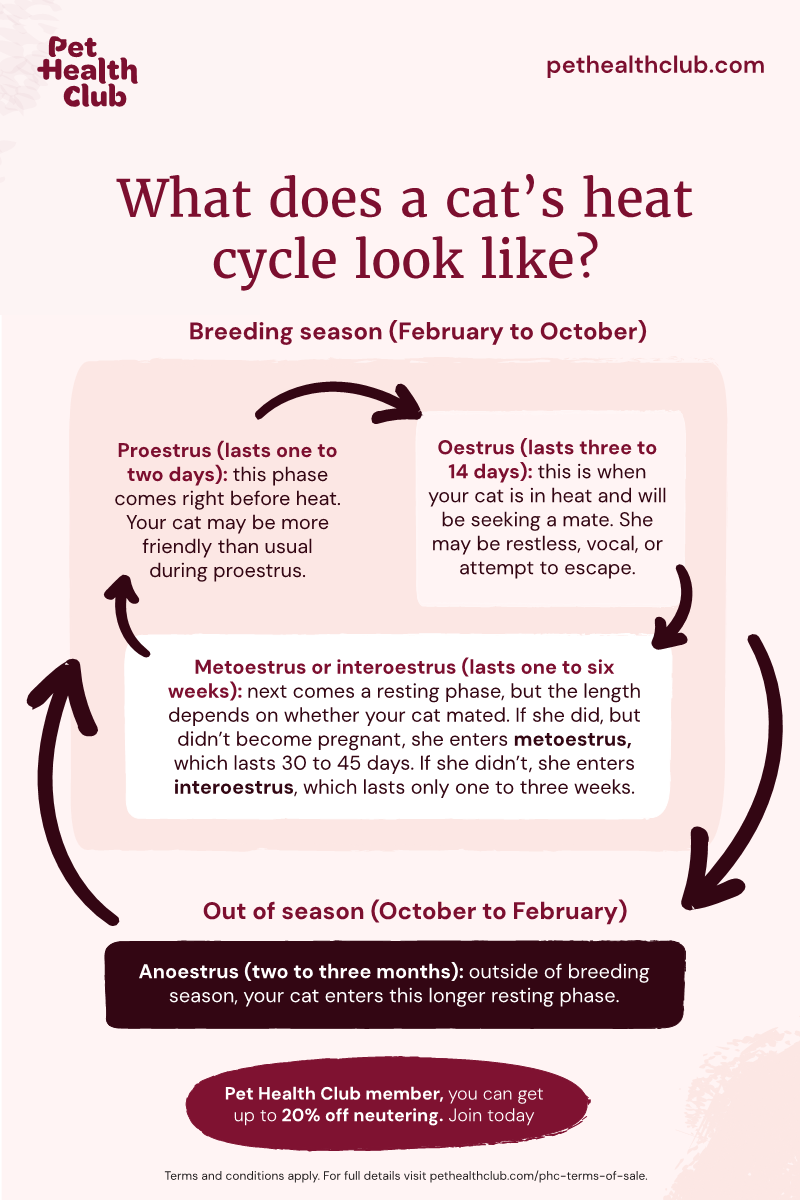
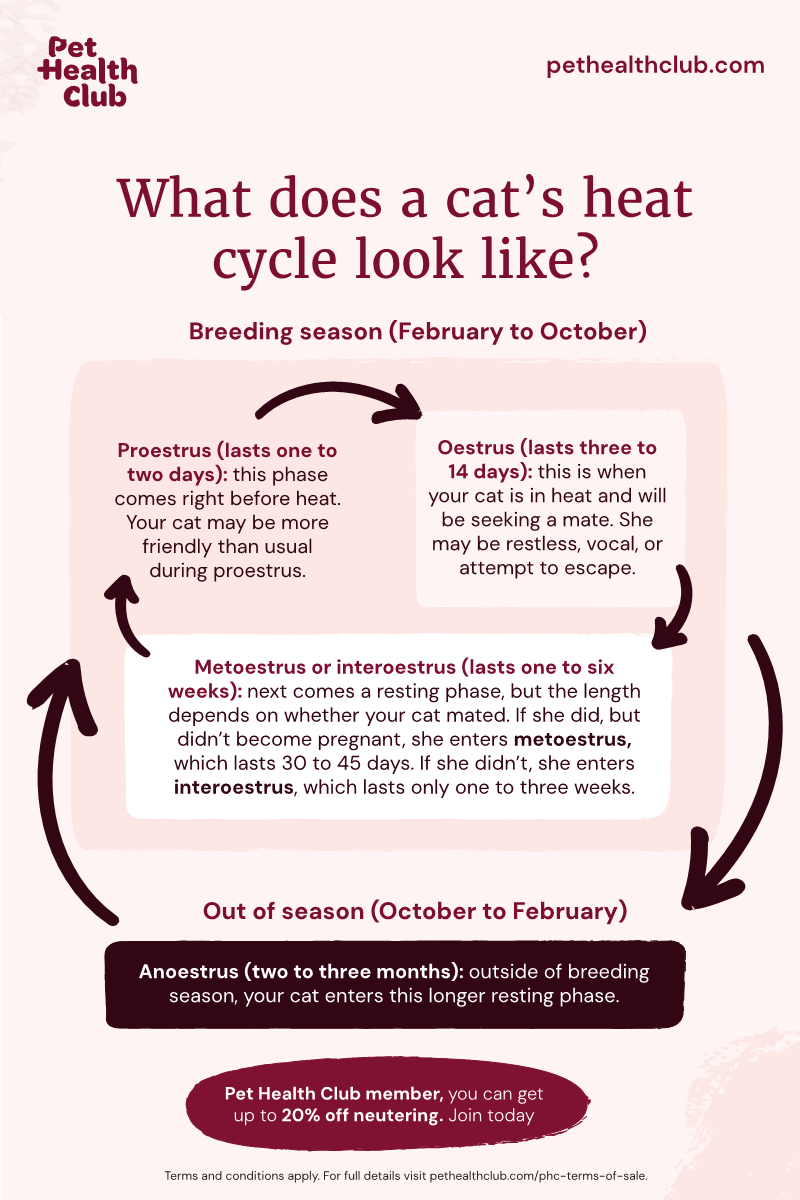
The cat breeding cycle in the UK follows natural patterns influenced by daylight and seasons. Cats are known as seasonal breeders. Their reproductive activity increases as daylight hours grow longer. This cycle affects when cats go into heat and mate. Understanding this cycle helps cat owners and breeders manage cat care properly.
The breeding cycle depends on several factors. These include the cat’s age, health, and environment. Most cats start their breeding season in early spring. It continues through summer and into early autumn. During this time, female cats experience heat periods more often.
Seasonal Patterns
Cat breeding in the UK mainly happens from February to September. Longer days and more sunlight trigger hormonal changes. These changes start the heat cycle in female cats. During winter, shorter days reduce breeding activity. Many cats may not come into heat at all in cold months.
Heat Period Duration
A cat’s heat period lasts about 5 to 10 days. During this time, females show signs like vocalizing and restlessness. They may rub against objects or people more. Heat periods can be shorter or longer depending on the cat. Some cats cycle through heat every few weeks if not pregnant.
Frequency Of Estrus
Estrus, or heat, can occur every 2 to 3 weeks during breeding season. If the female does not mate, the cycle repeats until autumn. This frequent cycling helps increase the chances of reproduction. Male cats are ready to mate whenever females are in heat. This pattern lasts until daylight decreases again in autumn.
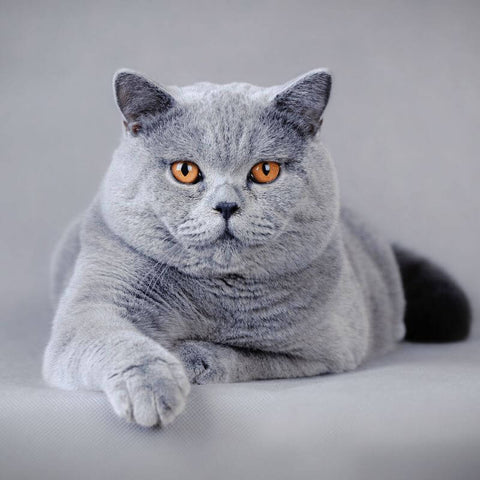
Credit: thepetslarder.co.uk
Factors Influencing Breeding Season
The breeding season for cats in the UK depends on several key factors. These factors affect when female cats go into heat and are ready to mate. Understanding these helps cat owners and breeders manage cats better during breeding times.
Each factor plays a role in the timing and length of the breeding season. Some cats may start earlier or later based on their environment and breed. Let’s explore the main influences below.
Daylight And Temperature
Cats are influenced by the amount of daylight they receive. Longer days in spring and summer trigger heat cycles. Shorter days in autumn and winter slow down breeding activity.
Temperature also affects breeding. Warmer weather encourages cats to be more active and ready to mate. Cold weather can delay the start of the breeding season.
Breed Variations
Different cat breeds have varied breeding patterns. Some breeds come into heat more often than others. For example, Siamese cats may breed year-round.
Other breeds follow natural seasonal cycles closely. Breed genetics play a strong role in breeding frequency and timing.
Indoor Vs Outdoor Cats
Indoor cats often breed differently than outdoor cats. Indoor cats may experience heat cycles throughout the year due to artificial lighting and stable temperature.
Outdoor cats rely on natural light and weather. Their breeding season usually matches the natural spring and summer months.
Signs Of A Cat In Heat
Cats in heat show clear signs that tell you their breeding season has started. Understanding these signs helps owners care for their cats better. The signs include changes in behavior and physical traits. These signs often appear suddenly and can last several days.
Behavioral Changes
A cat in heat acts differently than usual. She may become very vocal, making loud meowing or yowling sounds. This noise attracts male cats nearby. The cat might also rub her face and body against furniture or people more than normal. She can be more restless, pacing around the house without settling. Some cats show unusual affection, wanting constant attention and petting. Others may try to escape outdoors to find a mate.
Physical Indicators
Physical signs of heat include swelling of the cat’s genital area. The vulva becomes larger and softer. You may notice a clear or slightly bloody discharge. The cat often assumes a mating position by raising her rear and moving her tail aside. This posture signals she is ready to breed. These physical changes usually start early in the heat cycle and last for several days.
Managing Your Cat During Breeding Season
Managing your cat during breeding season is important for both the cat’s health and your peace of mind. Cats can behave differently during this time, making it a challenge to care for them properly. Knowing how to handle your cat helps avoid stress and unwanted litters. It also keeps your home calm and safe.
Keeping Cats Indoors
Keeping cats indoors limits their contact with other cats. This reduces chances of mating and fights. Indoor cats stay safer from accidents and diseases. Provide toys and places to climb to keep them active. Regular play helps reduce restlessness during breeding season.
Spaying And Neutering Benefits
Spaying or neutering your cat stops unwanted pregnancies. It lowers the risk of some health problems, like infections and cancers. It also helps control the stray cat population. Cats that are fixed tend to be calmer and less likely to roam.
Handling Unplanned Pregnancies
Unplanned pregnancies can be stressful but manageable. Take your cat to the vet for a check-up. Prepare a quiet, warm space for the mother to give birth. Keep the area clean and limit visitors. Watch the mother and kittens daily to ensure they stay healthy.
Health Considerations For Breeding Cats
Breeding cats need special care to stay healthy. Their bodies go through many changes. Proper health care helps cats have strong kittens. It also keeps the mother cat safe during pregnancy and birth.
Understanding key health factors can make breeding smoother. Focus on good nutrition, regular vet visits, and keeping stress low. These steps support both the mother and her kittens.
Nutrition Needs
Breeding cats require extra nutrition for energy and growth. Feeding high-quality food with more protein and fat is important. Pregnant cats need more calories to support their kittens. Kittens also get nutrients through their mother’s milk. Fresh water must always be available to keep cats hydrated.
Veterinary Care
Regular check-ups ensure breeding cats stay healthy. Vets can spot problems early and give vaccines. Testing for diseases prevents passing infections to kittens. Parasite control protects cats from fleas and worms. A vet can give advice on safe breeding practices too.
Stress Reduction
Stress harms breeding cats and their kittens. A calm, quiet space helps cats feel safe. Avoid loud noises and sudden changes around them. Gentle handling keeps cats relaxed and comfortable. Providing a cozy nesting area reduces stress before birth.
Credit: www.pethealthclub.com
Common Myths About Cat Breeding Season
Cat breeding season in the UK brings many questions and myths. People often believe things that are not true about when and how cats breed. These myths can confuse cat owners and affect how they care for their pets. Understanding the facts helps keep cats safe and healthy.
Misconceptions About Timing
Many think cat breeding only happens in spring or summer. Cats can actually come into heat any time if the conditions are right. Indoor cats may go into heat throughout the year. Daylight length affects outdoor cats’ breeding cycles. Shorter days usually mean less breeding activity. Some believe cats breed only once a year. In reality, cats can have several heat cycles each year.
Behavioral Myths
People often think female cats act wild only during heat. While behavior changes happen, not all cats become loud or restless. Some show very little change in mood. Male cats can roam far and fight during breeding season. Not all males do this; some stay close to home. Another myth says cats stop eating during heat. Most cats keep eating normally, just with more attention to mates.
Credit: www.pethealthclub.com
Frequently Asked Questions
When Does Cat Breeding Season Start In The Uk?
Cat breeding season in the UK typically starts in early spring, around March. It lasts until late autumn, usually October. During this period, cats are more likely to go into heat and breed due to longer daylight hours and warmer weather.
How Long Is The Cat Breeding Season In The Uk?
The breeding season in the UK usually spans about seven to eight months. It begins in March and ends around October. This extended period allows multiple heat cycles for female cats, increasing chances of mating and kitten births.
What Triggers Cat Breeding Season In The Uk?
Longer daylight hours and warmer temperatures trigger cat breeding season in the UK. These environmental changes influence cats’ reproductive hormones, making them more fertile. Indoor cats may have less defined breeding cycles due to artificial lighting.
Can Cats Breed Outside The Usual Season In The Uk?
Yes, cats can breed outside the usual season, especially indoor cats. Artificial lighting and controlled environments can cause irregular heat cycles. However, outdoor cats mainly follow the natural seasonal breeding pattern tied to daylight length.
Conclusion
Cat breeding season in the UK usually starts in early spring. Cats are more active and ready to mate as days get longer. Knowing this helps owners prepare and care for their pets better. Breeding can happen until late autumn, depending on the weather.
Understanding these times can prevent unwanted litters. Take care of your cat’s health during this period. Watch for signs of heat and provide extra attention. This knowledge helps keep cats safe and happy all year.