
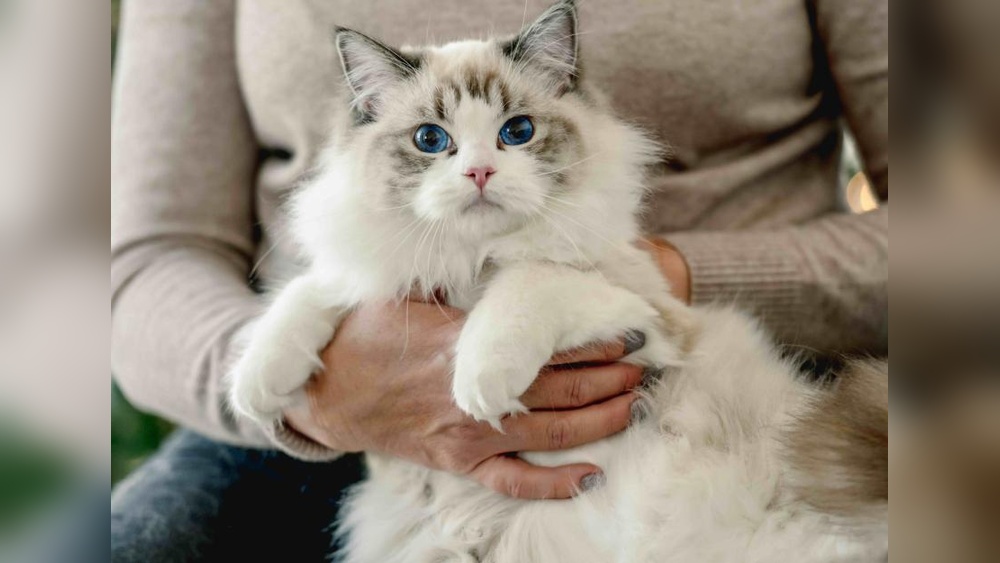
Are you curious about which cat breeds might stay by your side the longest? Knowing which cats have a longer lifespan can help you choose a furry friend who will share many happy years with you.
Whether you want a playful kitten or a calm companion, understanding which breeds tend to live longer can make a big difference. Keep reading, and you’ll discover the secrets behind the longest-living cats and how to give your pet the best chance at a long, healthy life.
Your perfect, long-lasting feline friend might be just a few paragraphs away.
Credit: www.petmd.com
Factors Influencing Cat Lifespan
Cats can live very different lengths of time. Several key factors affect how long a cat might live. Understanding these can help pet owners provide the best care. These factors range from genetics to daily care routines. Each element plays a role in a cat’s overall health and lifespan.
Genetics And Breed Traits
Genetics influence a cat’s health and lifespan. Some breeds have longer average lives than others. For example, Siamese cats often live longer than some large breeds. Genetic diseases can shorten a cat’s life. Breeds with fewer inherited health problems usually live longer. Knowing a cat’s breed traits helps predict its lifespan.
Diet And Nutrition
Good nutrition supports a cat’s health and longevity. Cats need balanced food with proper proteins and vitamins. Poor diet can cause obesity and health issues. Feeding high-quality cat food helps maintain a healthy weight. Clean water is also essential for a long life. Regular meals support steady energy and health.
Living Environment
A safe, clean home environment extends a cat’s life. Indoor cats often live longer than outdoor cats. Outdoor cats face risks like accidents and diseases. Stress-free environments reduce health problems in cats. Space to play and rest keeps cats active and calm. Clean litter boxes and fresh air matter too.
Healthcare And Vet Visits
Regular vet visits catch health problems early. Vaccinations protect cats from serious diseases. Dental care prevents infections that can shorten life. Parasite control keeps cats free from harmful bugs. Early treatment improves chances for longer, healthier lives. Routine check-ups build a strong health foundation.
Top Long-lived Cat Breeds
Certain cat breeds tend to live longer than others. These breeds often have good health and strong genetics. Knowing which cats live longer helps owners plan better care. Here are some top long-lived cat breeds to consider.
Siamese Cats
Siamese cats are famous for their striking looks and vocal nature. They often live 15 to 20 years. Their slim build and active lifestyle help keep them healthy. Many Siamese cats enjoy strong bonds with their owners.
Burmese Cats
Burmese cats are sturdy and muscular. They usually live around 16 to 18 years. These cats love to play and stay active. Their friendly nature makes them great companions for families.
Ragdoll Cats
Ragdolls are large, gentle cats with calm temperaments. They can live 15 to 20 years with proper care. Their relaxed personality fits well in quiet homes. Ragdolls enjoy cuddling and being close to people.
Russian Blue Cats
Russian Blues are known for their beautiful blue-gray coats. They often live 15 to 20 years. These cats are quiet and shy but very loyal. Their low-maintenance coat helps keep them healthy.
Maine Coon Cats
Maine Coons are one of the largest domestic cats. They usually live 12 to 15 years. Their thick fur protects them in cold weather. Maine Coons are playful, social, and love human company.
Lifestyle Tips For Longevity
Caring for a cat’s health goes beyond breed traits. Lifestyle plays a big role in how long a cat lives. Cats with good habits tend to live longer and stay healthier. Simple daily actions can make a big difference.
Providing a balanced diet, exercise, mental stimulation, and regular health checkups all help. These lifestyle tips support your cat’s well-being and add years to their life.
Balanced Diet Plans
Feed your cat high-quality food. Choose meals with the right nutrients for their age and size. Avoid overfeeding to prevent obesity. Fresh water should always be available. A proper diet keeps the cat’s body strong and healthy.
Regular Exercise And Play
Encourage daily playtime to keep your cat active. Use toys like balls or feather wands. Exercise helps maintain a healthy weight and strong muscles. Active cats have better heart health and less stress.
Mental Stimulation
Provide toys and puzzles to challenge your cat’s mind. Change toys often to keep interest high. Training sessions or hiding treats can also stimulate thinking. Mental activity helps prevent boredom and behavioral problems.
Routine Health Checkups
Visit the vet regularly for checkups and vaccinations. Early detection of illness improves treatment success. Keep up with flea, tick, and worm prevention. Routine care supports long-term health and comfort for your cat.
Common Health Issues In Long-lived Breeds
Long-lived cat breeds often face health challenges despite their extended lifespans. These health issues can affect their quality of life and require attention from pet owners. Understanding common problems helps in giving better care to these cats.
Genetic Disorders
Some long-lived cats inherit genetic disorders from their parents. These problems can affect organs like the heart, kidneys, or eyes. Breeds such as the Siamese and Burmese may have higher risks. Early detection of genetic disorders helps in managing symptoms effectively.
Age-related Diseases
As cats age, they often develop diseases linked to old age. Arthritis and kidney disease are common in senior cats. Cognitive decline can also affect behavior and memory. Regular check-ups help catch these diseases early for better treatment.
Preventive Care Strategies
Prevention plays a key role in keeping long-lived cats healthy. Balanced diets support strong immune systems and healthy weight. Routine vet visits catch problems before they worsen. Exercise and mental stimulation keep cats active and happy.
Adopting And Caring For Long-lived Cats
Adopting and caring for cats known to live longer requires thought and care. Choosing the right breed is the first step. Preparing your home creates a safe and happy space. Building a strong bond helps your cat feel loved and secure. These steps help your cat enjoy a healthy, long life.
Choosing The Right Breed
Some cat breeds tend to live longer than others. Breeds like Siamese, Burmese, and Ragdolls often have longer lifespans. Learn about each breed’s health needs and temperament. Pick a breed that fits your lifestyle and home. A healthy cat breed starts with good genetics and care.
Preparing Your Home
Make your home safe for a curious cat. Remove harmful plants and small objects they might swallow. Provide clean water and healthy food daily. Set up cozy resting places with soft bedding. Keep litter boxes clean and easy to reach. A calm, clean home helps cats stay healthy and happy.
Building A Strong Bond
Spend time playing and talking with your cat. Gentle petting and regular grooming build trust. Notice their moods and respect their space. Regular vet visits keep health problems away. A strong bond lowers stress and boosts your cat’s lifespan. Loving care is key to a long, happy life.
:max_bytes(150000):strip_icc()/cat-breeds-live-the-longest-oriental-shorthair-getty-treatment-1023-24ad8c51e3dd46c8a18b664f919621e8.jpg)
Credit: www.marthastewart.com
:max_bytes(150000):strip_icc()/cat-breeds-live-the-longest-treatment-1023-b0dba0682e0c47898a552e493dd55b64.jpg)
Credit: pakistan-africa.com
Frequently Asked Questions
Which Cat Breeds Have The Longest Lifespan?
Siamese, Burmese, and Ragdoll cats typically live the longest. They often reach 15 to 20 years with proper care. Genetics and health also influence their longevity. Regular vet visits and a balanced diet help extend their lives.
Do Indoor Cats Live Longer Than Outdoor Cats?
Yes, indoor cats usually live longer. They face fewer risks like accidents, predators, and diseases. Indoor cats often live 3 to 5 years longer than outdoor cats. Safe environments contribute to their overall health and lifespan.
How Does Diet Affect A Cat’s Lifespan?
A balanced, nutritious diet directly impacts a cat’s lifespan. High-quality food supports immune health and prevents obesity. Proper feeding reduces risks of kidney and heart diseases. Always provide fresh water and avoid harmful human foods.
Can Mixed Breed Cats Live Longer Than Purebreds?
Mixed breed cats often have fewer genetic issues, potentially living longer. They usually have greater genetic diversity, which can improve health. However, lifespan depends on care, diet, and environment too. Both mixed and purebred cats need regular vet care.
Conclusion
Choosing a cat breed with a longer life can bring years of joy. Small breeds and mixed cats often live well into their teens. Healthy food, regular vet visits, and love help them thrive. Every cat is unique and deserves good care.
A longer life means more moments to cherish together. Think about health and personality when picking your pet. Your cat’s happiness and health matter most for a long life. Care well, and enjoy many happy years with your feline friend.