
Are you tired of constantly cleaning up cat hair from your clothes and furniture? If you love cats but hate the mess they leave behind, you’re not alone.
Finding a cat breed that sheds less can make a huge difference in your daily life. Imagine enjoying the company of a furry friend without worrying about endless shedding. You’ll discover which cat breeds shed the least and why they might be the perfect match for your home.
Keep reading to find your ideal low-shedding companion!
Credit: rexipets.com
Why Cat Shedding Happens
Cat shedding is a natural process. Cats lose old or damaged fur to make room for new growth. Shedding helps keep their coat healthy and clean. Understanding why cats shed helps us care for them better.
The Shedding Cycle
Cats shed in cycles. First, old hairs loosen and fall out. Then, new hairs grow in their place. This cycle happens regularly to keep the coat fresh. Some cats shed more during certain times of the year. This is often linked to changes in daylight and temperature.
Factors Affecting Shedding
Many things affect how much a cat sheds. Breed plays a big role. Some breeds have thick coats and shed a lot. Others have short or fine fur and shed less. Diet also matters. Poor nutrition can cause more shedding. Stress and health problems can increase hair loss too. Indoor cats often shed less than outdoor cats because of stable conditions.
Benefits Of Low-shedding Cats
Low-shedding cats bring many benefits to pet owners. They help keep the home cleaner and reduce allergens. These cats often suit people with mild allergies. They also make daily care easier. Choosing a low-shedding breed can improve your living space and comfort.
Allergy-friendly Pets
Low-shedding cats release fewer allergens into the air. This helps reduce allergic reactions in sensitive people. They are a better choice for families with mild cat allergies. These cats still need care but cause less sneezing and itching. They make pet ownership easier for allergy sufferers.
Easier Home Maintenance
Low-shedding cats leave less hair on furniture and floors. Cleaning becomes faster and less frequent. Vacuuming and dusting take less time. Fewer hairs mean less clogging in air filters and vents. This helps keep your home tidy and fresh with less effort.
Top Low-shedding Cat Breeds
Many cat lovers want pets that shed less. Low-shedding cats mean less fur on clothes and furniture. These breeds suit people with mild allergies or busy lifestyles. They offer beauty and charm without heavy shedding. Below are some popular low-shedding cat breeds.
Sphynx
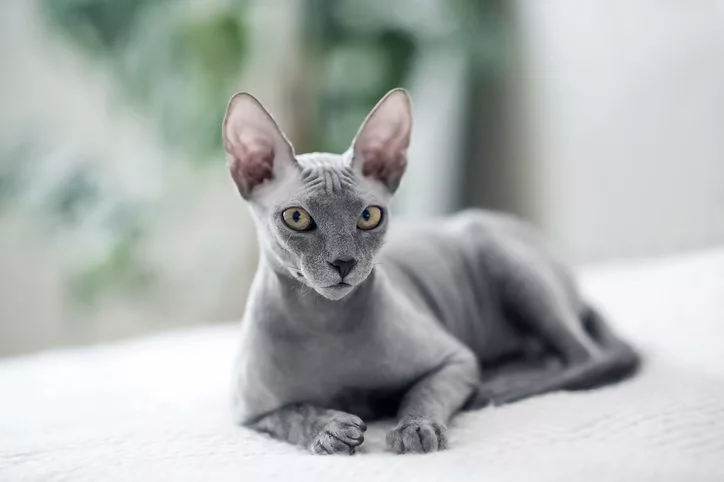
The Sphynx is almost hairless, with soft, suede-like skin. It sheds very little because it has no fur. Regular baths keep its skin clean and healthy. This breed loves attention and is very friendly.
Russian Blue
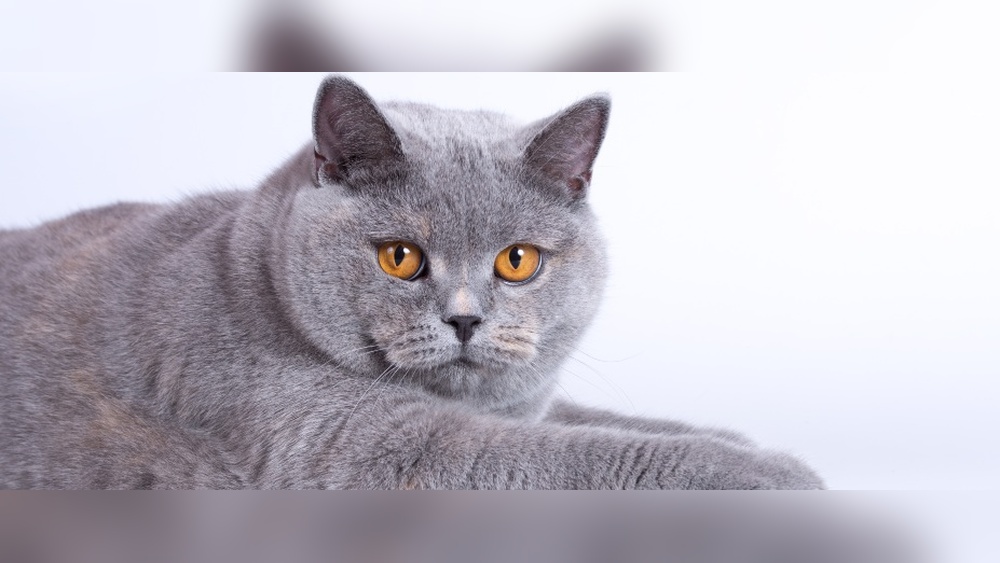
Russian Blues have dense, short coats. They shed less than many other cats. Their fur feels soft and plush. These cats are quiet and gentle companions.
Bengal
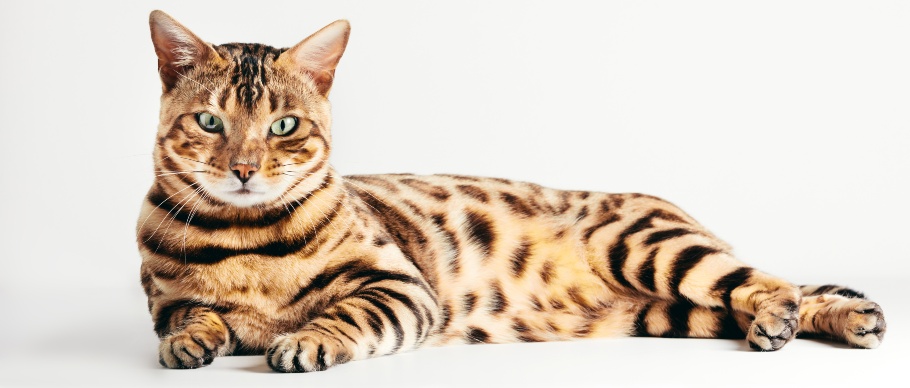
Bengals have short, sleek coats that shed minimally. Their spots and stripes make them look wild. They are active and playful cats with strong personalities.
Devon Rex
Devon Rex cats have soft, curly fur. Their coat is thin and sheds very little. They enjoy being around people and are very social.
Siberian
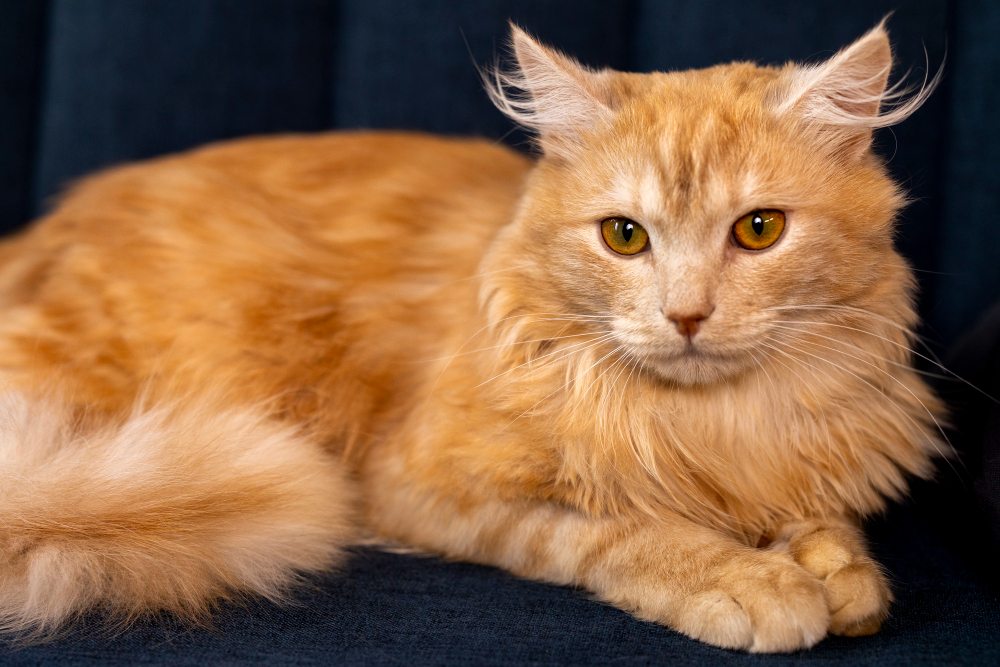
Siberians have thick, long fur but shed less than expected. Their coat is water-resistant and helps with allergens. They are friendly and good with families.
Balinese
Balinese cats have silky, medium-length hair. They shed less than many long-haired breeds. These cats are intelligent and affectionate pets.
Oriental Shorthair
Oriental Shorthairs have short, fine coats. They shed minimally and are easy to groom. These cats are lively and love interaction.
Credit: lacvets.com
Care Tips For Low-shedding Cats
Caring for low-shedding cats involves more than just choosing the right breed. Proper care helps keep their coat healthy and reduces shedding. This section shares tips to maintain your cat’s fur and overall health.
Grooming Practices
Regular brushing removes loose hairs and dirt. Use a soft brush designed for cats. Brush at least twice a week to prevent hairballs. Bathing is rarely needed but can help if your cat is very dirty. Keep nails trimmed to avoid skin scratches during grooming.
Diet And Health
A balanced diet supports healthy skin and fur. Feed your cat high-quality food rich in omega-3 and omega-6 fatty acids. These fats improve coat shine and reduce shedding. Keep your cat hydrated by providing fresh water daily. Regular vet visits help detect skin or health problems early.
Managing Allergies
Low-shedding cats still produce dander, which can cause allergies. Clean your home often to reduce dander buildup. Use air purifiers to improve air quality. Wash your cat’s bedding regularly. Avoid smoking or strong scents around your cat to prevent irritation.
Choosing The Right Low-shedding Cat
Choosing the right low-shedding cat can make life easier. Cats that shed less help keep your home cleaner. They also reduce allergies for sensitive people. Picking a breed that fits your lifestyle is key. Think about your daily routine and personality. This helps find a cat that feels like family.
Matching Lifestyle And Personality
Each cat breed has unique traits and energy levels. Some cats are playful and active. Others prefer quiet and calm environments. Consider how much time you spend at home. Active breeds need more play and attention. Calm breeds suit quiet homes or busy people. Also, check how much grooming the breed needs. Low-shedding cats may still need regular brushing. Match a breed that fits your time and energy.
Adoption And Breeder Tips
Adopt from shelters or find reputable breeders. Shelters often have low-shedding cats waiting for homes. Ask about the cat’s shedding habits and health. Reputable breeders provide health records and breed info. Visit the breeder to see how cats are raised. Avoid places that keep cats in poor conditions. Choose breeders who care about cat welfare. This ensures you get a healthy, happy pet.
Credit: www.fourpaws.com
Frequently Asked Questions
Which Cat Breeds Shed The Least?
Breeds like the Sphynx, Russian Blue, and Siamese shed the least. These cats have minimal fur loss, making them ideal for allergy sufferers. Their coats require less grooming and cleaning compared to heavy shedders.
Are Hypoallergenic Cats Always Low Shedders?
Not always. Hypoallergenic cats produce fewer allergens, but shedding varies by breed. Low-shedding cats may still cause allergies. Choose breeds like Balinese or Siberian for both low shedding and reduced allergens.
How To Reduce Shedding In Cats Naturally?
Regular brushing removes loose fur and reduces shedding. A healthy diet with omega-3 fatty acids strengthens fur. Keeping cats hydrated and stress-free also minimizes shedding. Clean their environment often to manage loose hair.
Do Short-haired Cats Shed Less Than Long-haired Ones?
Generally, yes. Short-haired cats shed less visibly and require less grooming. However, shedding amount depends more on breed and health than hair length. Some short-haired breeds still shed moderately throughout the year.
Conclusion
Choosing a cat breed that sheds less can help keep your home cleaner. Some breeds naturally lose less hair, making them ideal for people with allergies or busy schedules. Remember, all cats need care and love, no matter their shedding level.
Regular grooming helps reduce hair around the house and keeps cats comfortable. Think about your lifestyle and preferences before picking a breed. A low-shedding cat can make pet ownership easier and more enjoyable. Simple steps go a long way in managing pet hair.