
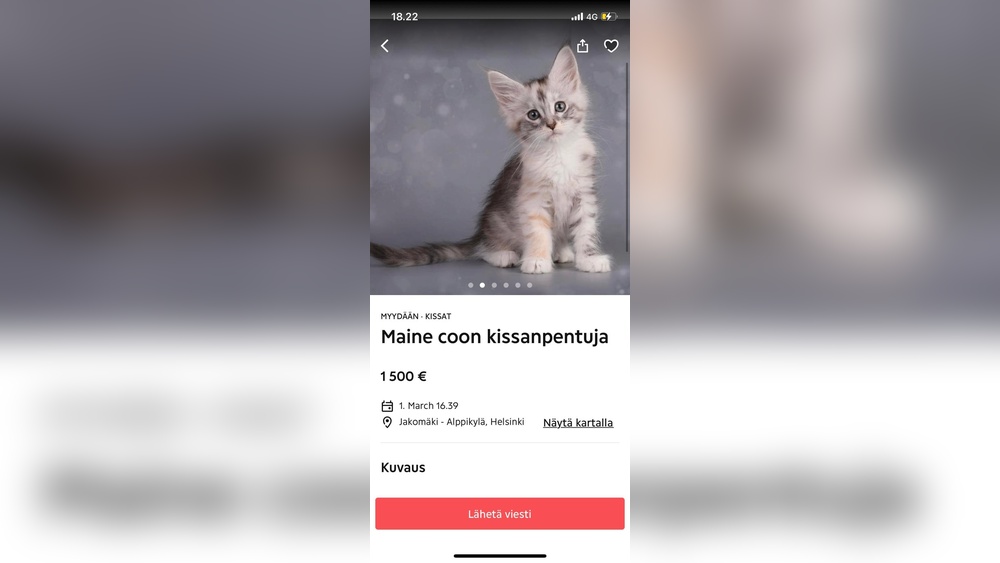
Are you thinking about bringing home a cat that stands out from the rest? Maybe you’ve heard about expensive cats from breeders and wonder what makes them so special.
You might ask yourself, is it just about looks, or is there more to it? Understanding what an expensive cat from a breeder really is can help you make the best choice for your home and heart. Keep reading, and you’ll discover the secrets behind these unique cats, why they cost what they do, and what to expect when you decide to welcome one into your life.
This knowledge could save you time, money, and give you the joy of owning a truly exceptional feline companion.
Credit: www.rd.com
Luxury Cat Breeds
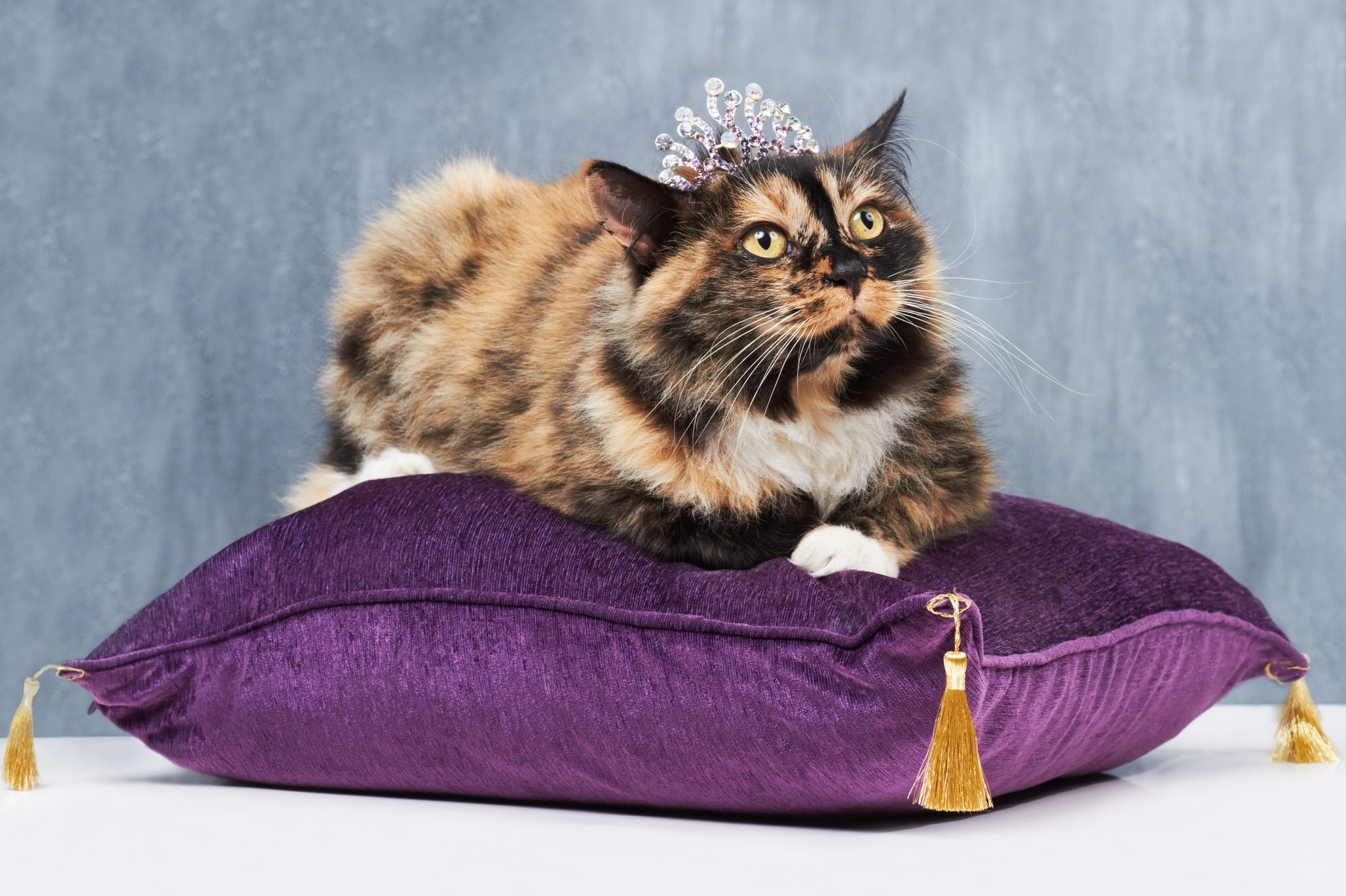
Luxury cat breeds are known for their beauty and rarity. These cats often cost more because of their special features and bloodlines. People who want a unique pet often choose these breeds. They stand out in looks and personality.
Breeders carefully select parents to keep these traits strong. The price reflects the cat’s pedigree and care during breeding. Owning a luxury cat breed is a special experience for many pet lovers.
Top Expensive Breeds
The Persian cat is famous for its long, soft fur and calm nature. It often tops the price list. The Bengal cat has a wild look with spots and stripes. It is active and playful. The Sphynx cat has no fur but a warm, soft skin. It attracts attention easily. The Scottish Fold is loved for its folded ears and sweet expression.
Unique Characteristics
Each luxury breed has traits that make it special. Persians have thick coats that require daily care. Bengals are strong and energetic with leopard-like spots. Sphynx cats feel like warm suede to touch. Scottish Folds have round faces and soft, folded ears. These features make each breed unique and attractive.
Breed Origins
Persian cats come from ancient Persia, now Iran. Bengals are bred from domestic cats and Asian leopard cats. Sphynx cats started in Canada from a natural hairless mutation. Scottish Folds come from Scotland and were discovered in the 1960s. Knowing their origins adds to their charm and value.
Cost Factors
Expensive cats from breeders come with many cost factors. These factors affect the price you pay. Understanding them helps explain why some cats cost more. The quality, care, and special features all matter.
Breeder Reputation
A breeder’s reputation is a big cost factor. Top breeders spend years building trust. They follow strict rules for health and care. Their cats often have better social skills and health. Paying more means buying from a reliable source.
Pedigree And Lineage
Pedigree refers to a cat’s family tree. Cats from champion bloodlines cost more. Good lineage means fewer health problems and better traits. Breeders keep detailed records of ancestry. This history adds value to the cat.
Health Screenings
Health tests are essential before selling a cat. Tests check for diseases and genetic problems. Breeders pay for vaccinations and vet visits. Healthy cats need more care and cost more. This protects your pet’s future well-being.
Rare Traits
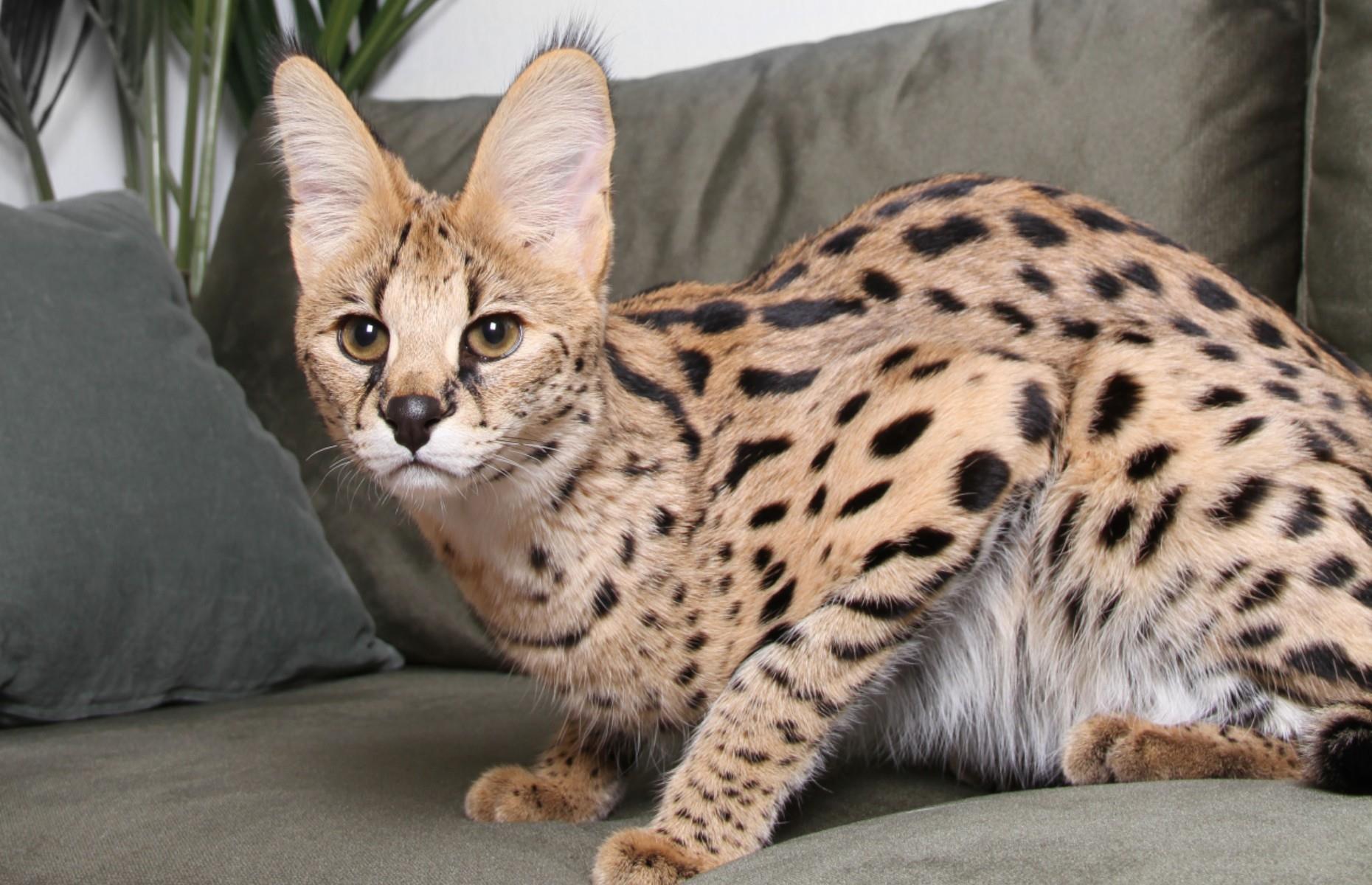
Some cats have unique colors or patterns. Rare traits make cats stand out and cost more. Special fur types or eye colors are prized. Breeders breed for these unique features carefully. These traits add to the cat’s value and price.
Choosing A Reputable Breeder
Choosing a reputable breeder is key to finding a healthy and happy cat. A good breeder cares about the cats’ health, behavior, and well-being. They provide a safe and clean environment and are ready to answer your questions honestly. This helps ensure your new pet is well socialized and has a good start in life.
What To Look For
Check if the breeder is registered with a cat club or association. Visit their facility to see how cats live. Look for clean cages and enough space for cats to move. Healthy cats have clear eyes, clean ears, and shiny coats. The breeder should provide health records and vaccination history. A reputable breeder will also offer a contract and a return policy.
Questions To Ask
Ask about the cat’s parents and their health history. Inquire about genetic testing and vaccinations. Find out how the breeder socializes the kittens. Ask if the breeder offers support after you take the cat home. Check if the breeder allows visits before adoption. Request references from past buyers to learn about their experiences.
Red Flags To Avoid
Beware of breeders who refuse to show their facility. Avoid sellers who cannot provide health records or vaccination details. Watch out for cats that look sick or scared. Be cautious if the breeder pressures you to buy quickly. Do not trust breeders who sell many litters at once. Avoid those who don’t ask about your home or lifestyle.

Credit: www.zooplus.com
Care And Maintenance
Expensive cats from breeders need special care to stay healthy and happy. Their care and maintenance require time and attention. These cats often have unique needs due to their breed and genetics. Proper care ensures they live a long, comfortable life.
Diet And Nutrition
Feeding an expensive cat the right food is very important. Choose high-quality cat food with balanced nutrients. Protein is essential for strong muscles and energy. Avoid cheap foods with fillers or artificial ingredients. Fresh water should always be available. Feeding small, frequent meals helps maintain healthy weight.
Grooming Needs
Many expensive cats have thick or long fur. Regular brushing stops mats and reduces shedding. Some breeds need daily grooming to stay clean. Nail trimming is necessary to prevent damage. Clean ears and teeth help avoid infections. Grooming also builds trust and comfort with your cat.
Health Care Essentials
Regular vet visits keep your cat healthy. Vaccinations protect against common diseases. Parasite control is important to avoid fleas and ticks. Spaying or neutering helps behavior and health. Monitor your cat for any changes in behavior or appetite. Early care can prevent serious health problems.
Legal And Ethical Considerations
Buying an expensive cat from a breeder involves more than just money. There are important legal and ethical points to know. These affect the cat’s health, safety, and your responsibility as an owner. Understanding these rules helps make better choices for pets and people.
Breeding Regulations
Breeders must follow laws to protect animals. These rules cover the breeding environment and care standards. Licensed breeders show they meet these legal requirements. They keep cats in safe, clean places. Proper records must be kept for all cats. These laws stop poor breeding practices and illegal sales.
Animal Welfare
Animal welfare means caring for cats with respect and kindness. Breeders should provide good food, medical care, and social interaction. Healthy cats come from breeders who avoid overbreeding. Stress and illness reduce when cats live in good conditions. Ethical breeders put the cat’s well-being first, not just profit.
Adoption Vs. Buying
Adoption saves cats from shelters and rescues. It helps reduce the number of homeless animals. Buying from a breeder supports specific breeds and careful breeding. Both choices need responsible owners who care for pets long-term. Think about your lifestyle and the cat’s needs before deciding.
Credit: valledelgeneral.com
Investment And Value
Buying an expensive cat from a breeder is more than just a purchase. It is an investment that involves both money and care. Understanding the value helps you see why these cats cost more. The price reflects quality, health, and potential benefits over time.
Long-term Costs
Expensive cats often require special food and regular vet visits. Grooming can be more frequent and sometimes needs a professional. These costs add up over the cat’s lifetime. Planning for these expenses is important before buying.
Resale And Breeding Potential
Some cats have value beyond being pets. They might be used for breeding or sold later. Cats with good lineage and health can bring a good price. This potential makes them an investment for some buyers.
Emotional Rewards
Expensive cats often have unique traits and personalities. They can bring joy and comfort to their owners. The emotional bond is a big part of their value. This connection makes the price worth it for many people.
Frequently Asked Questions
What Defines An Expensive Cat From A Breeder?
An expensive cat from a breeder is usually a purebred with rare traits. These cats often have documented lineage, show potential, and specific breed standards. Their high price reflects quality, health guarantees, and breeder reputation. Unique colors and rare breeds also increase costs significantly.
Why Do Breeders Charge High Prices For Cats?
Breeders charge high prices due to selective breeding, health screenings, and vaccinations. They invest time, money, and care into raising quality kittens. The price covers medical care, pedigree documentation, and ensuring the kittens meet breed standards. Ethical breeders prioritize health and temperament, which adds to costs.
Are Expensive Cats Healthier Than Shelter Cats?
Expensive cats from reputable breeders usually have thorough health checks and vaccinations. Shelters may not always provide detailed medical history. However, many shelter cats are healthy and need loving homes. Health depends on individual care, not just price. Always check a cat’s health records regardless of origin.
How To Verify A Breeder’s Credibility?
Check for breeder registration with recognized cat associations. Ask for health certificates, pedigree papers, and references from previous buyers. Visit the breeder’s facility to see living conditions. A credible breeder is transparent, knowledgeable, and prioritizes kitten welfare over profit.
Conclusion
Expensive cats from breeders often have unique traits and pure bloodlines. Buyers pay for health checks, vaccinations, and quality care. These cats usually come with a strong family history and good temperament. Choosing a breeder wisely helps avoid future problems.
Remember, a high price does not always mean the best pet. Take time to research and meet the cat before buying. A well-informed choice leads to a happy pet and owner.