
Are you thinking about becoming a cat breeder but wonder what kind of education you really need? Your knowledge and skills can make all the difference in raising healthy, happy cats.
Knowing the right information not only protects your cats but also builds your reputation as a responsible breeder. You’ll discover exactly what education will prepare you to care for your cats the best way possible. Keep reading to learn how to set yourself up for success and give your feline friends the life they deserve.
Basic Knowledge Of Cat Breeds
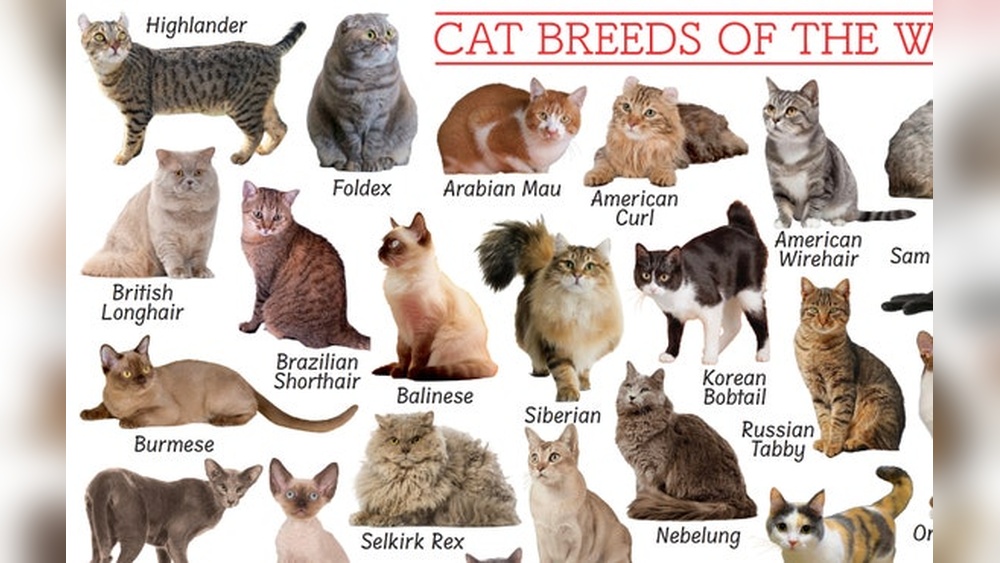
Basic knowledge of cat breeds is essential for any cat breeder. Understanding different breeds helps in caring for cats properly. It also aids in selecting the right breed for breeding purposes. Each breed has unique traits and needs. Knowing these details ensures healthy cats and successful breeding.
Popular Cat Breeds And Their Traits
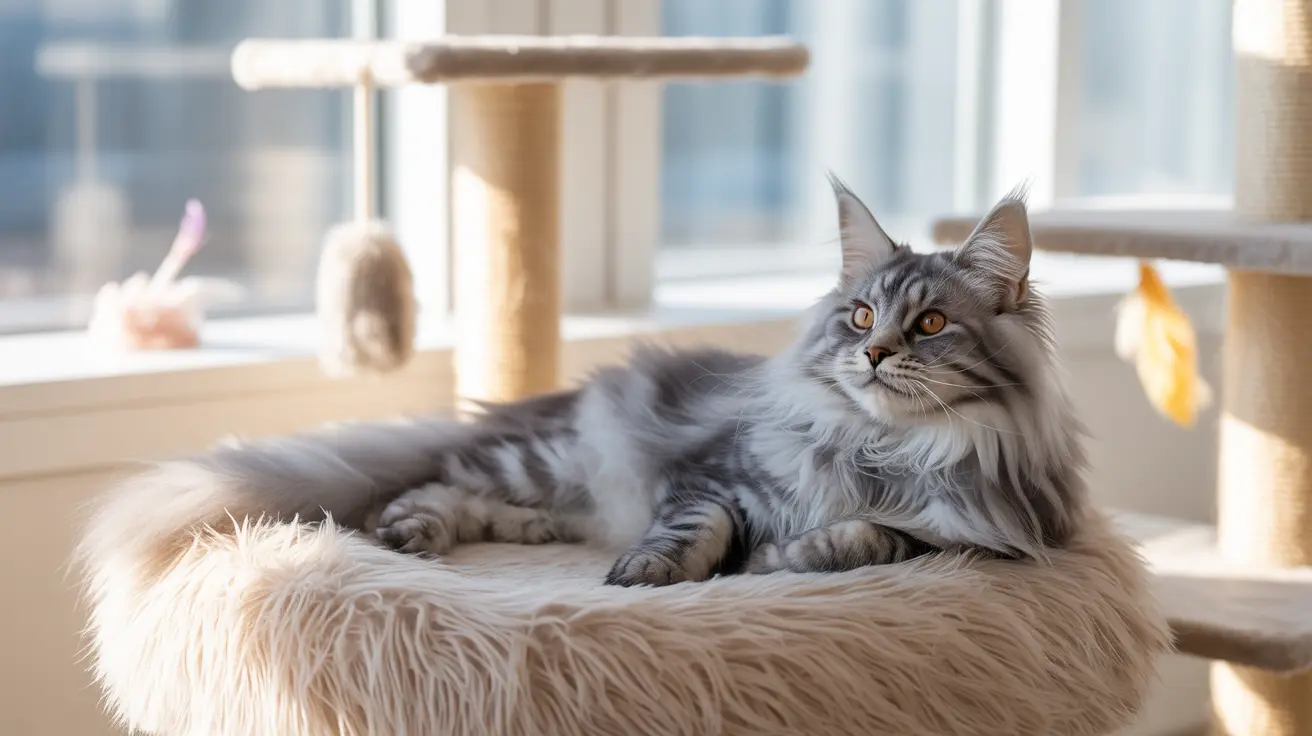
Some cat breeds are more popular than others. The Persian cat is known for its long fur and calm nature. Siamese cats are vocal and social. Maine Coons are large and friendly. Bengal cats have a spotted coat and high energy. Knowing these traits helps breeders match cats with owners’ needs and lifestyles.
Breed Standards And Characteristics
Breed standards describe the ideal look and behavior of a cat breed. These include size, coat color, eye shape, and personality. Breeders must learn these standards to maintain breed quality. Following standards helps prevent health problems. It also keeps the breed’s identity clear and respected in shows and competitions.

Credit: cfa.org
Genetics And Heredity
Genetics and heredity play a key role in cat breeding. They help breeders understand how traits pass from parent cats to their kittens. Knowledge of genetics guides breeders to produce healthy cats with desired features. It also helps prevent health problems caused by poor breeding choices.
Understanding Cat Genetics
Cat genetics is the study of genes and how traits are inherited. Each cat has genes that determine its color, size, and behavior. Some traits come from one parent, while others come from both. Learning about dominant and recessive genes helps predict kitten traits. This knowledge helps breeders select parents carefully to get the best results.
Managing Inbreeding And Genetic Disorders
Inbreeding means breeding cats that are closely related. It raises the risk of genetic disorders. These disorders can cause serious health problems in kittens. Responsible breeders avoid inbreeding by tracking family history and using genetic tests. They choose mates to reduce the chance of passing harmful genes. This keeps cat lines healthy and strong for future generations.
Health And Veterinary Care
Health and veterinary care form the backbone of responsible cat breeding. A knowledgeable breeder must understand how to keep cats healthy. This knowledge protects the cats and ensures strong, healthy litters. Regular health checks and prompt veterinary care prevent many problems. Learning about common health issues and vaccination schedules is essential.
Common Cat Health Issues
Breeders should know common cat health problems. These include respiratory infections, parasites, and dental disease. Some cats may inherit genetic conditions. Early signs of illness need quick attention. Knowing symptoms helps catch problems early. Good hygiene and nutrition reduce many health risks.
Vaccination And Preventive Care
Vaccinations protect cats from serious diseases. A breeder must follow a vet-recommended vaccine schedule. Preventive care also includes parasite control and regular check-ups. Proper vaccinations keep cats safe and healthy. Preventive steps lower the chance of outbreaks within breeding catteries.
Credit: www.petscare.com
Breeding Techniques
Breeding techniques are essential for any cat breeder. They help ensure healthy kittens and maintain breed standards. Proper techniques lead to better outcomes in breeding programs. Understanding these methods improves the overall quality of the breeding process.
Good breeding techniques start with careful planning. Each step requires knowledge and attention to detail. Learning these skills is key to becoming a responsible cat breeder.
Selecting Breeding Pairs
Choosing the right cats for breeding is very important. Breeders must look at health, temperament, and breed traits. Genetic testing helps avoid passing on diseases. Pairing cats with strong, healthy genes improves kitten quality. Avoid breeding cats with known health problems. Compatibility between cats also affects success. Select pairs that complement each other physically and behaviorally.
Mating And Pregnancy Management
Proper care during mating increases chances of pregnancy. Timing is crucial to match the female’s heat cycle. Monitor cats closely for signs of readiness. After mating, provide a calm and safe environment. Pregnancy lasts about nine weeks. Regular vet check-ups ensure the mother stays healthy. Nutrition and comfort are critical during this time. Watch for any problems and act quickly if needed. Good management results in strong, healthy kittens.
Kitten Care And Socialization
Kitten care and socialization are vital for raising healthy cats. These early stages shape a kitten’s future behavior and health. Proper care ensures kittens grow strong and confident. Socializing kittens helps them trust humans and other animals. This section covers essential practices for newborn kittens and their behavior growth.
Neonatal Care Practices
Newborn kittens need warmth and cleanliness. Keep their environment cozy and free from drafts. Feed kittens every two to three hours. Use kitten milk replacer, not cow’s milk. Monitor their weight daily to ensure healthy growth. Watch for signs of illness like lethargy or poor feeding. Handle kittens gently to avoid stress. Keep the nesting area clean to prevent infections. Regularly check the mother cat’s health and nutrition. A healthy mother supports strong kittens.
Behavioral Development
Kittens start learning social skills early. Handling them daily helps build trust and reduces fear. Introduce kittens to gentle sounds and sights gradually. Play with kittens using safe toys to encourage natural hunting skills. Socialize kittens with other cats and people carefully. Early socialization prevents future aggression and anxiety. Reward calm behavior with gentle praise and petting. Avoid harsh punishment; it harms trust and learning. Consistent, positive experiences create well-adjusted adult cats.

Credit: www.aspcapetinsurance.com
Business And Legal Aspects
Running a cat breeding business requires more than caring for cats. Understanding business and legal aspects is essential. These help protect your animals, customers, and your reputation. Learning about laws and marketing builds a strong foundation for success.
Licensing And Regulations
Every area has rules for cat breeders. These rules protect the health and welfare of cats. You must get the right licenses before starting. Some places require inspections and permits.
Follow breeding limits and record-keeping laws strictly. Know the rules about selling cats and health checks. Staying legal avoids fines and business closures. It shows customers you are trustworthy and responsible.
Marketing And Customer Relations
Marketing helps people find your cat breeding service. Use simple websites and social media to share information. Show pictures of healthy cats and clean facilities.
Good communication builds trust with buyers. Answer questions clearly and quickly. Provide honest information about your cats’ health and care.
Creating a positive reputation brings repeat customers and referrals. Treat customers with respect and care. Happy buyers spread good words about your business.
Ethics And Responsibility
Ethics and responsibility form the core of education for cat breeders. Knowing how to care for cats goes beyond breeding techniques. It means respecting animals and putting their needs first. Every breeder must learn how to act with kindness and care.
Promoting Animal Welfare
Animal welfare means keeping cats healthy and happy. Breeders must provide clean homes and proper food. They should watch for health problems and give medical care. Gentle handling and socialization help cats feel safe. Education teaches breeders how to support cats’ well-being every day.
Avoiding Overbreeding
Overbreeding harms cats and lowers their quality of life. Responsible breeders only breed cats that are healthy and mature. They plan carefully to avoid too many litters. This practice helps maintain strong bloodlines and reduces health risks. Education stresses the importance of breeding with care and limits.
Frequently Asked Questions
What Education Is Needed To Become A Cat Breeder?
A basic understanding of feline genetics and health is essential. Many breeders take courses in animal care, breeding ethics, and veterinary science to ensure responsible breeding practices.
How Important Is Veterinary Knowledge For Cat Breeders?
Veterinary knowledge helps breeders identify health issues early. It ensures proper care, vaccination, and breeding decisions to maintain healthy, high-quality cats.
Are Formal Certifications Required For Cat Breeders?
Formal certifications are not legally required but highly recommended. Certifications from recognized cat breeding organizations demonstrate professionalism and commitment to ethical breeding.
What Skills Should A Cat Breeder Develop Through Education?
Cat breeders need skills in genetics, animal husbandry, and record-keeping. Communication and business management skills are also vital for successful breeding operations.
Conclusion
A good education builds a strong foundation for cat breeders. Learning about cat health, genetics, and care is key. Training helps breeders raise healthy, happy cats. It also teaches them how to handle challenges well. Ongoing education keeps breeders updated with new information.
This knowledge improves breeding practices and cat welfare. Choosing the right education means better results for both cats and breeders. Keep learning and growing to become a responsible cat breeder. This effort benefits the cats and the entire breeding community.