
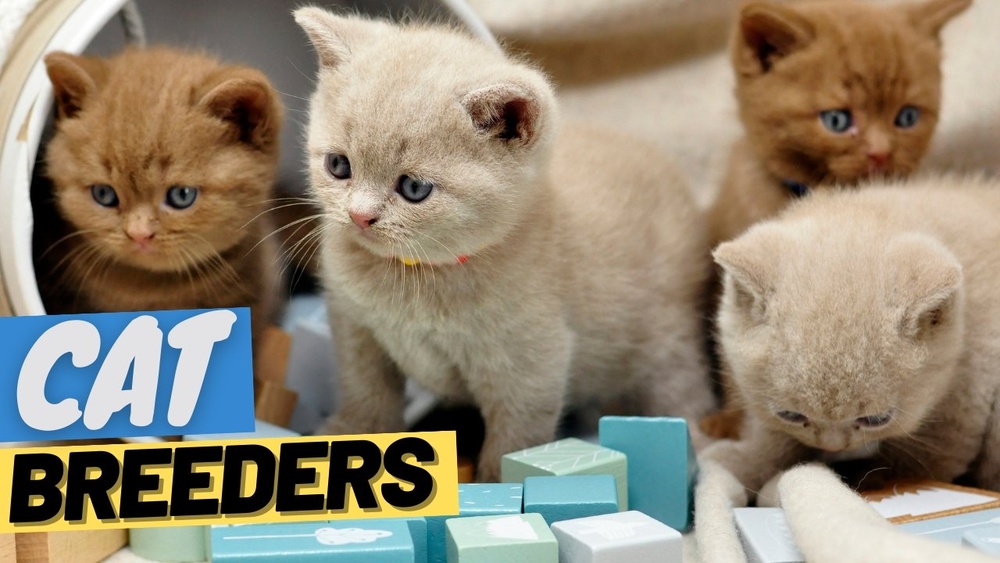
Are you thinking about bringing a new cat into your home? Choosing the right cat breeder is a big step, and asking the right questions can make all the difference.
You want to make sure your future furry friend is healthy, happy, and well cared for. But how do you know what to ask? This guide will help you discover the key questions that reveal a breeder’s honesty, experience, and dedication.
Keep reading to find out what you need to know before you make this important decision.
Credit: www.everypaw.com
Breeder’s Experience
Understanding a breeder’s experience helps you find a responsible and skilled cat breeder. Experience shows their knowledge about cats and their care. It also reveals how serious they are about breeding healthy cats. Asking about their experience gives you confidence in your choice.
Years In Breeding
Ask how many years they have been breeding cats. More years usually mean more skill and knowledge. New breeders might still be learning important things. Experienced breeders often handle health and behavior issues better. Knowing their time in breeding helps you trust their expertise.
Breed Specialization
Find out if they focus on one or more cat breeds. Breeders specializing in a breed know its traits and needs well. They can answer your questions about the breed easily. Specialized breeders often produce healthier and better-tempered cats. This focus shows dedication and passion for that breed.
Breeding Goals
Ask about their goals in breeding cats. Good breeders aim to improve the breed’s health and character. They avoid breeding just for looks or quick profit. Their goal should include raising happy, healthy cats. Clear breeding goals tell you they care about cats, not just business.
Health And Care
Choosing a healthy kitten starts with asking the right questions about health and care. This helps you understand how well the breeder looks after their cats. Knowing this information protects your new pet’s future.
Vaccination And Vet Records
Ask the breeder about the kitten’s vaccination history. Vaccines protect kittens from common diseases. Request to see official vet records. These documents prove the kitten has received proper care. Healthy kittens should have up-to-date shots before leaving the breeder.
Genetic Testing
Genetic testing helps identify inherited health problems. Check if the breeder tests the parent cats for genetic diseases. This reduces the chance of health issues in the kittens. Responsible breeders share test results openly. It shows they prioritize the kittens’ long-term health.
Kitten Socialization
Socialization is key to a well-adjusted cat. Ask how the breeder helps kittens interact with people and other animals. Early socialization makes kittens more confident and friendly. A good breeder spends time playing and handling the kittens daily. This shapes their behavior positively for life.
Parent Cats
Understanding the parent cats is important before choosing a kitten. These cats pass down traits to their kittens. Their health, behavior, and living space affect the kitten’s future.
Parent Temperaments
Ask about the temperaments of the parent cats. Calm and friendly parents often have gentle kittens. Aggressive or shy parents may pass these traits to their young. Knowing this helps predict your new pet’s personality.
Health History
Inquire about the health history of both parents. Healthy parents reduce the risk of genetic diseases. Check if they have had vaccinations and health screenings. This information shows the breeder cares about strong kittens.
Living Environment
Find out where the parent cats live. Clean and safe environments promote healthy cats. Parents raised indoors tend to be more social. This helps kittens grow in a stable and loving home.
Breeding Practices
Understanding a breeder’s practices helps ensure healthy and happy kittens. Good breeders care about the health of their cats and kittens. They follow responsible breeding methods. Asking specific questions reveals how serious they are.
Breeding Frequency
Ask how often the breeder breeds their cats. Frequent breeding can harm the mother cat’s health. Responsible breeders allow time for recovery between litters. They avoid overbreeding to keep cats strong and healthy.
Litter Size
Find out the typical number of kittens per litter. Smaller litters may get more care and attention. Large litters can be harder to manage properly. Knowing litter size helps you understand the breeder’s approach to care.
Weaning Process
Ask how the breeder weans kittens from their mother. Proper weaning helps kittens grow well and stay healthy. It usually starts around 4 weeks old and finishes by 8 weeks. Good breeders feed kittens nutritious food during this time.
Kitten’s Future
Thinking about a kitten’s future is important before bringing one home. A responsible breeder cares about the kitten’s life ahead. They plan for the kitten’s safety, health, and happiness long-term. Asking the right questions helps you understand their commitment. It also shows how they protect the kitten’s well-being beyond the sale.
Return Policy
Ask if the breeder has a return policy. This means you can return the kitten if problems arise. Such policies show the breeder takes responsibility. It protects the kitten’s future if your situation changes. Also, a return policy means the breeder wants the kitten to stay safe.
Spay/neuter Agreements
Check if the breeder requires spaying or neutering. This helps control the pet population. It also keeps the kitten healthier and calmer. Some breeders include this agreement in the sale contract. Understanding this rule shows the breeder cares about the kitten’s long-term health.
Support After Adoption
Find out if the breeder offers support after adoption. This could be advice on care or health questions. Good breeders stay available to help new owners. Support ensures the kitten’s needs are met even after leaving the breeder. It shows the breeder’s commitment to the kitten’s lifelong well-being.

Credit: www.floppycats.com
Legal And Ethical Standards
Asking about legal and ethical standards is key when choosing a cat breeder. These standards show how responsible and trustworthy the breeder is. They also protect you and the cat. Knowing these details helps you find a healthy and well-cared-for pet.
Registration Papers
Ask if the breeder provides registration papers. These papers prove the cat’s breed and origin. They also confirm the cat is purebred. Registered cats often come from careful breeding. This reduces health problems and improves quality.
Contracts And Guarantees
Check if the breeder offers a contract. Contracts explain your rights and the breeder’s duties. They often include health guarantees. These guarantees protect you against hidden illnesses. A clear contract shows the breeder’s honesty and care.
Code Of Ethics
Inquire about the breeder’s code of ethics. This code guides how they treat cats and buyers. Ethical breeders avoid overbreeding and poor conditions. They focus on the cat’s health and happiness. Following a code means the breeder acts responsibly.
Visiting The Breeder
Visiting the breeder is a key step before bringing a cat home. It helps you see where the cats live and how they are treated. This visit also shows the breeder’s care and professionalism. Asking the right questions during your visit can give you peace of mind about your choice.
Facility Cleanliness
Check if the place is clean and tidy. Floors should be free of dirt and waste. Cats need fresh water and clean litter boxes. A clean area means healthy cats. If the space looks messy, it might show poor care.
Interaction With Cats
Watch how the breeder handles the cats. Are the cats calm and friendly? A good breeder spends time playing and caring for them. Cats should not seem scared or stressed. Friendly cats show good socialization and love.
Breeder’s Transparency
Ask the breeder about the cats’ health and history. They should answer questions openly and honestly. A transparent breeder shares medical records and vaccination details. If they avoid questions, be careful. Trust is important when choosing a breeder.

Credit: myfelidae.com
Frequently Asked Questions
What Health Checks Do You Perform On Your Cats?
Responsible breeders conduct thorough health screenings on breeding cats. They check for genetic diseases and ensure vaccinations are current. This guarantees healthier kittens and reduces inherited issues. Always ask for health certificates and vet records to confirm these checks.
How Do You Socialize Your Kittens Before Adoption?
Good breeders expose kittens to humans and other pets early. This helps kittens develop friendly and confident behavior. Socialization includes gentle handling, sounds, and playtime. Proper socialization prepares kittens for smooth transitions into new homes.
Can You Provide References From Previous Kitten Buyers?
Reputable breeders gladly share references from past customers. Positive feedback shows their reliability and kitten quality. Contacting previous buyers helps you understand the breeder’s practices and kitten health. Always ask for references before making a decision.
What Is Included In The Kitten’s Adoption Fee?
Adoption fees typically cover vaccinations, microchipping, and spaying or neutering. They may also include initial vet check-ups and registration papers. Clarify what services and documents are included to avoid surprises. This ensures transparency and fair pricing.
Conclusion
Asking the right questions helps you find a healthy, happy cat. Trust and clear answers matter most. A good breeder shares details about health and care. Knowing the cat’s background protects your new pet. Take time to listen and learn.
This makes your choice safer and smarter. Your new cat deserves the best start. Keep these questions handy when you visit breeders. This way, you feel confident and prepared. Enjoy the journey to welcome your feline friend.