
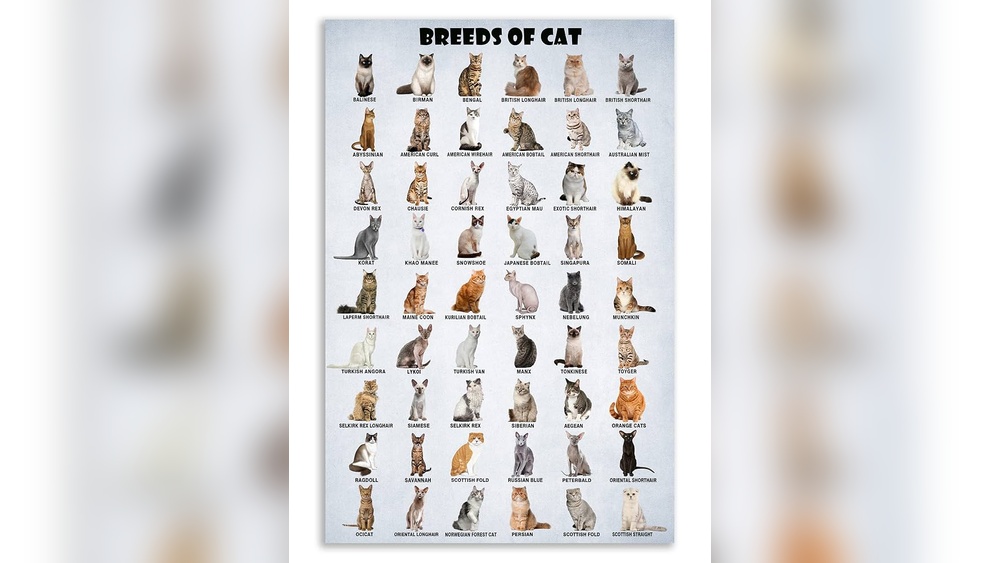
Have you ever wondered why cats come in so many shapes, sizes, and personalities? From the fluffy Persian to the sleek Siamese, each breed has its own unique story.
Understanding why there are different breeds of cats can help you appreciate your furry friend even more. If you want to know how these differences came to be and what makes each breed special, keep reading—you’re about to discover the fascinating world behind your cat’s unique traits.
Origins Of Cat Breeds
Cats have many breeds because of their long history and varied environments. Each breed tells a story about where it came from and how it changed over time. Understanding the origins of cat breeds helps us see why cats look and act so differently today.
Domestication And Early Cats
Cats first lived near humans thousands of years ago. People kept them to catch mice and rats. Early cats were wild but slowly became tame. Over time, they adapted to live closely with humans. This started the process of creating different cat breeds.
Geographical Influence
Places where cats lived shaped their appearance and behavior. Cats in cold areas grew thick fur for warmth. Cats in hot places had short coats to stay cool. Island cats often developed unique traits because they lived apart from others. Geography played a big role in forming diverse cat breeds.
Natural Vs. Selective Breeding
Some cat breeds formed naturally without human help. These cats adapted to their environments over generations. Other breeds came from selective breeding. People chose cats with certain traits to mate. This controlled breeding created new breeds with specific looks and personalities.

Credit: modkat.com
Role Of Genetics
Genetics plays a big part in why there are many cat breeds. Each breed has unique features passed down through genes. These genes control a cat’s color, size, shape, and behavior. Understanding genetics helps explain the variety of cats worldwide.
Genetic Mutations And Variations
Genetic mutations cause new traits in cats. Sometimes a change in a gene creates a new fur pattern or eye color. Variations happen naturally over time. These small changes build up and make new breeds appear.
Inheritance Of Traits
Traits pass from parent cats to their kittens through genes. Some traits are dominant, meaning they show up more often. Others are recessive and appear less. Breeders select cats with certain traits to keep those characteristics strong.
Breed-specific Characteristics
Each cat breed has special traits that define it. For example, Siamese cats have a slender body and blue eyes. Maine Coons are large with thick fur. These traits come from the genes shared within the breed’s family line.
Human Influence On Breeds
Humans have shaped the variety of cat breeds seen today. Through careful choices and actions, people influenced cats’ looks and behaviors. This human role explains why there are so many different breeds now. Each breed reflects specific human interests and needs.
Purposeful Breeding For Traits
People breed cats to keep or enhance certain traits. These traits include fur color, eye shape, or personality. Breeders select cats with desired features and mate them. This process repeats over many generations. It helps create cats with consistent and unique characteristics.
Cultural Preferences And Trends
Different cultures prefer different cat traits. Some like fluffy cats, others prefer sleek ones. Trends in pet ownership also affect breed popularity. For example, a movie or celebrity can make a breed popular. These cultural tastes shape which breeds people focus on breeding.
Breed Standards And Registries
Breed standards describe how a breed should look and behave. Organizations create these standards to guide breeders. Registries keep official records of purebred cats. They help maintain breed quality and identity. These rules ensure breeds stay true to their original traits.
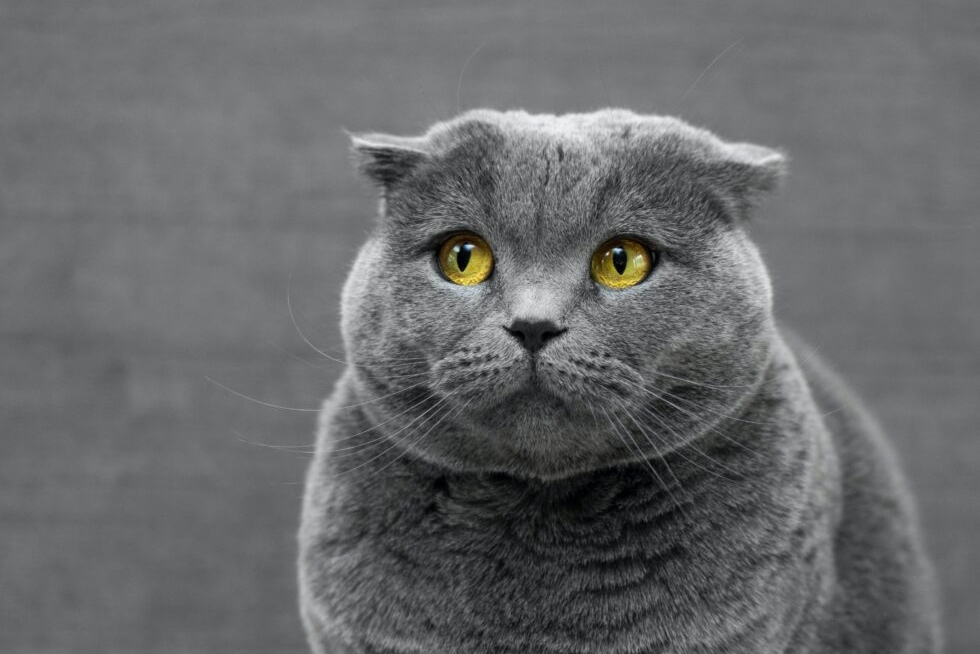
Credit: www.animalcarectr.com
Environmental Adaptations
Cats have lived in many different places around the world. Each place has its own weather and environment. Cats changed over time to live well in these places. These changes are called environmental adaptations. They help cats survive and feel comfortable in their homes.
Environmental adaptations explain why cat breeds look and act differently. These changes affect their fur, size, and behavior. Learning about these adaptations helps us understand cats better.
Climate And Physical Features
Cat breeds develop fur and body types based on climate. In cold places, cats grow thick, long fur to stay warm. Their bodies may be larger to keep heat inside.
In hot areas, cats often have short fur and lean bodies. This helps them stay cool and move easily. Color also plays a role. Light-colored fur reflects sunlight, helping cats avoid heat.
Behavioral Adaptations
Cats change their habits to fit their environment. Some cats hunt at night to avoid heat during the day. Others are more social to protect themselves from dangers.
Some breeds have strong climbing skills to escape predators or find food. These behaviors help cats survive in different surroundings.
Survival Advantages
Adaptations give cats a better chance to live and reproduce. Thick fur protects from cold and harsh weather. Sharp claws and keen senses help them catch prey.
Behavioral changes reduce risks and find food easier. Each breed’s unique traits make it strong in its home area. This is why we see so many different cat breeds today.
Popular Cat Breeds And Their Origins
Cat breeds come from different parts of the world. Each breed has unique traits shaped by its environment and history. Understanding popular breeds helps us see how cats adapted to their homes and climates. Some breeds are ancient, while others are newer. All show the diversity in the cat family.
Here are some well-known cat breeds and their origins. These stories explain why cats look and behave differently.
Siamese And Oriental Cats
Siamese cats come from Thailand, once called Siam. They have a sleek body and striking blue eyes. Their coat has dark points on ears, face, paws, and tail. Oriental cats are close relatives. They share the slim shape but have many coat colors. Both breeds are very social and vocal.
Maine Coon And Northern Breeds
Maine Coons are large cats from the United States. They have thick fur to survive cold winters. Their tufted ears and bushy tail help them stay warm. Other northern breeds, like the Norwegian Forest cat, also have dense fur. These cats are strong and good hunters. They adapted well to harsh climates.
Exotic And Rare Breeds
Exotic breeds often result from recent breeding efforts. For example, the Bengal cat has a wild look but is friendly. Rare breeds like the Sphynx have no fur, which is unusual. These cats attract attention due to their unique looks. They show how breeding creates variety beyond natural origins.
Impact Of Breed Diversity
Breed diversity in cats brings many benefits to both animals and owners. Each breed has unique traits, colors, and behaviors. This variety helps keep cat populations healthy and interesting. It also supports the survival of rare types. Understanding breed diversity reveals why cats are so special worldwide.
Health Considerations
Different cat breeds have different health needs. Some breeds may face specific diseases more often. Knowing these risks helps owners give better care. Breed diversity encourages healthier gene pools. Mixed breeds often have fewer genetic problems. This reduces chances of inherited illnesses.
Conservation Of Rare Breeds
Rare cat breeds need protection to survive. Breed diversity helps keep these cats from disappearing. Breeders and enthusiasts work to maintain unique traits. Saving rare breeds preserves history and culture. It also adds to the overall variety of cats.
Role In Pet Ownership Choices
Breed diversity offers many options for pet lovers. People can find cats that match their lifestyle. Some breeds suit families with children. Others fit well in quiet homes. This choice helps owners enjoy their pets more. It also supports better care and happiness for cats.
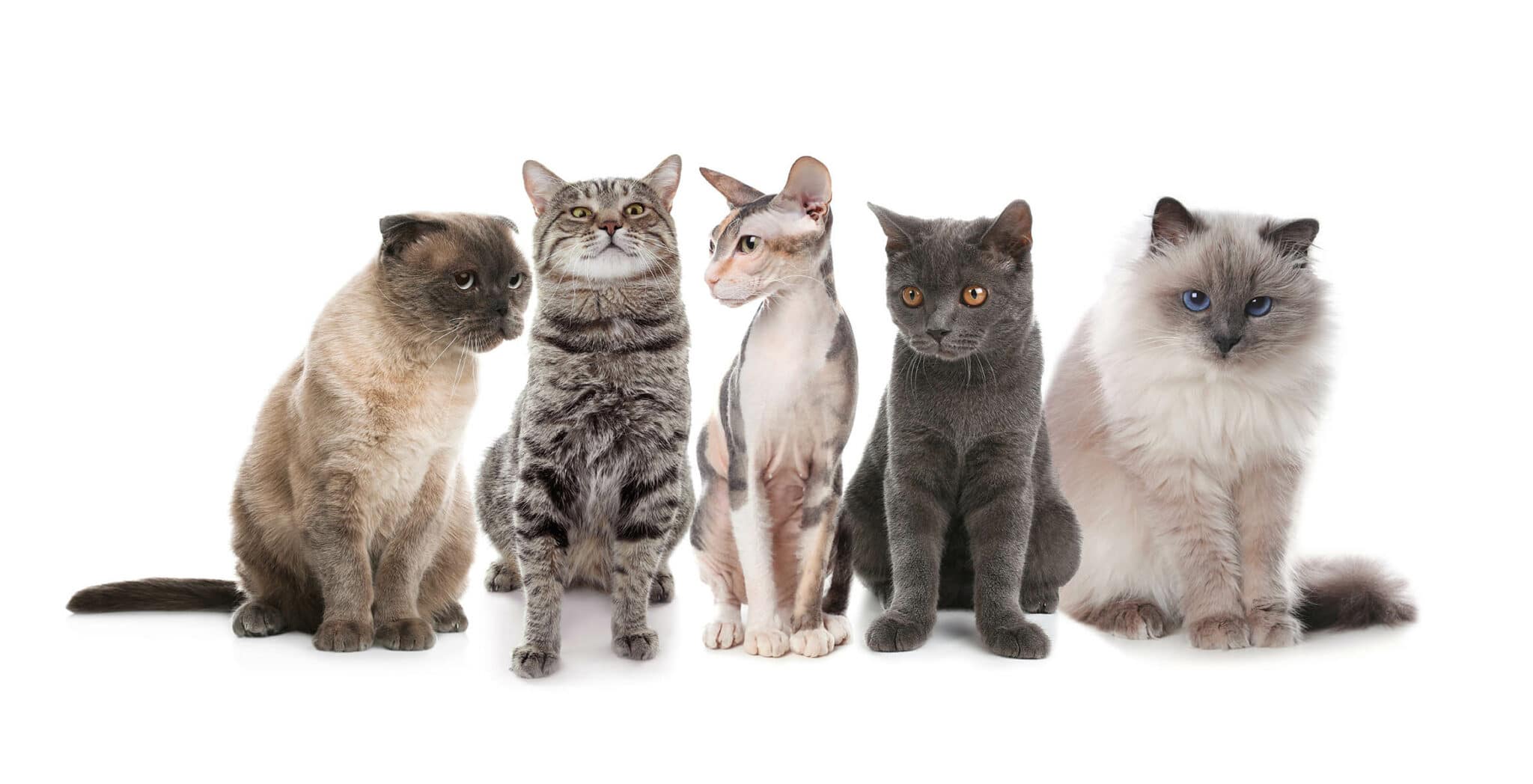
Credit: www.catster.com
Frequently Asked Questions
Why Do Cats Have Different Breeds?
Cats have different breeds due to selective breeding and natural evolution. Breeders chose traits like size, color, and personality. This created distinct breeds with unique appearances and behaviors.
How Did Cat Breeds Develop Over Time?
Cat breeds developed through natural adaptation and human intervention. Early cats evolved in various environments. Humans bred cats for specific traits, enhancing diversity in breeds.
Are Different Cat Breeds Genetically Diverse?
Yes, different cat breeds have unique genetic traits. Breeding isolates specific genes, leading to distinct physical and behavioral characteristics in each breed.
What Influences The Traits Of Cat Breeds?
Traits are influenced by genetics, environment, and selective breeding. Breeders emphasize desired features, while natural factors affect coat, size, and temperament variations.
Conclusion
Different cat breeds exist because of nature and human care. Each breed has unique traits and looks. These differences help cats adapt to many places and lifestyles. People also choose breeds for their special qualities. This variety makes cats interesting and loved worldwide.
Understanding breeds helps us appreciate cats more deeply. Every cat breed tells a story of time and change. This diversity keeps the bond between cats and humans strong.