

Are you thinking about breeding cats or just curious about what it really involves? Understanding cat breeding is more than just pairing two cats and hoping for kittens.
It’s about knowing the health, genetics, and care your cats need to produce healthy, happy babies. If you want to make smart choices and avoid common mistakes, this guide will give you the key facts you need. Keep reading to discover what every cat owner should know before stepping into the world of cat breeding.
Your cats—and their future kittens—will thank you.
Choosing The Right Cat
Choosing the right cat is a key step in cat breeding. It affects the health, behavior, and success of the kittens. Picking a cat with the best traits helps create healthy and happy cats. Understanding what to look for makes the process easier and more rewarding.
Focus on the breed, health, and personality of the cat. Each factor plays a big role in breeding outcomes. Careful choices lead to better results for breeders and cat lovers alike.
Breed Selection
Different cat breeds have unique features and needs. Some breeds are more active, while others prefer calm environments. Choose a breed that fits your goals and lifestyle. Research the breed’s traits and care requirements. This helps avoid surprises later on.
Health Considerations
Health is crucial in cat breeding. Select cats free from genetic diseases and infections. Ask for health records and vet checks. Healthy cats produce stronger and healthier kittens. Pay attention to vaccinations and parasite control too.
Temperament Traits
Temperament affects how cats behave and interact. Friendly, calm cats are easier to handle and breed. Aggressive or shy cats may cause challenges. Observe the cat’s behavior around people and other animals. Choose cats with good social skills for better breeding success.

Credit: catinaflat.com
Preparing For Breeding
Preparing a cat for breeding needs careful attention. This step ensures the health and safety of the cat and her future kittens. Proper preparation helps avoid risks during pregnancy and birth. Knowing what to do before breeding improves chances of healthy offspring.
Health Checkups
Start with a full health checkup by a vet. The vet tests for diseases and infections that affect breeding. Vaccinations must be current to protect the cat and kittens. Spaying history should be checked, ensuring the cat can safely breed. Regular checkups catch health problems early.
Nutrition And Diet
Feed a balanced diet rich in protein and vitamins. Good nutrition supports the cat’s reproductive health. Increase food quality and quantity as breeding time nears. Fresh water should always be available. Avoid sudden diet changes to prevent stress.
Creating A Safe Environment
Prepare a quiet, clean space for the cat to relax. This area should be warm and free from loud noises. Remove any harmful objects or plants. Provide soft bedding for comfort during pregnancy and birth. A calm environment reduces stress for the cat.
Breeding Process
The breeding process in cats involves careful planning and observation. Understanding the key steps helps ensure healthy kittens and a smooth experience. Knowing when and how to breed cats is very important. This section explains the main parts of the breeding process.
Timing And Heat Cycles
Female cats go into heat several times a year. The heat cycle lasts about 7 to 10 days. Cats are most fertile during the middle of this cycle. Breeders watch for signs like loud meowing or restlessness. These signs show the female is ready to mate. Proper timing increases the chance of successful breeding.
Mating Techniques
Introduce the male and female cats in a calm space. Let them meet naturally without force. The male will usually approach the female on his own. Mating is quick and may happen multiple times over a few days. Always supervise to prevent fights or injuries. Gentle handling helps keep the cats comfortable.
Signs Of Successful Mating
After mating, the female may show a short period of restlessness. She might groom herself more or become quieter. Sometimes, a small amount of bleeding appears. These signs suggest mating was successful. Pregnancy can be confirmed by a vet about three weeks later. Early care is vital for the health of the mother and kittens.

Credit: catinaflat.com
Pregnancy Care
Pregnancy care is very important for a healthy cat and her kittens. It helps the mother stay strong and ready for birth. Careful attention during pregnancy can prevent problems and support the kittens’ growth.
Monitoring Health
Watch the cat’s behavior daily. Look for changes in eating, sleeping, and activity. Check her body for swelling or lumps. Keep an eye on breathing and energy levels. Take her to the vet for regular check-ups. Early detection of issues helps ensure safety for mother and kittens.
Diet Adjustments
Provide a balanced diet with extra nutrients. Choose high-quality food made for pregnant or nursing cats. Increase protein and calorie intake gradually. Fresh water must be available all the time. Avoid sudden diet changes that can upset digestion. Proper nutrition supports kitten growth and mother’s health.
Preparing For Birth
Create a quiet and warm nesting area. Use soft blankets or towels for comfort. Place the nest in a safe, low-traffic spot. Gather basic supplies like clean towels and a heating pad. Know the signs of labor to act quickly. Preparing early reduces stress for the cat and her kittens.
Kitten Care
Taking care of kittens is a big responsibility. Kittens need special attention from the start. Their health and happiness depend on proper care. Understanding their needs helps them grow strong and friendly.
Neonatal Needs
Newborn kittens need warmth and safety. They cannot control their body temperature. A warm, quiet place is best for them. They must stay close to their mother for feeding and comfort. Watch for signs of illness or weakness. Cleanliness is very important to avoid infections.
Socialization Tips
Kittens learn to trust people through gentle contact. Handle them softly every day. Play with them using safe toys. Let them meet different people and sounds. Early socialization helps reduce fear and aggression. It shapes friendly and confident adult cats.
Weaning And Nutrition
Start weaning kittens at about four weeks old. Offer soft, wet food in small amounts. Gradually reduce milk feeding as they eat more food. Fresh water should always be available. Use quality kitten food with all needed nutrients. Proper nutrition supports healthy growth and energy.
Health And Genetic Testing
Health and genetic testing play a key role in cat breeding. They help ensure kittens are healthy and strong. Testing also helps avoid passing bad genes to future generations. Understanding these tests can protect your cats and improve breeding results.
Common Genetic Issues
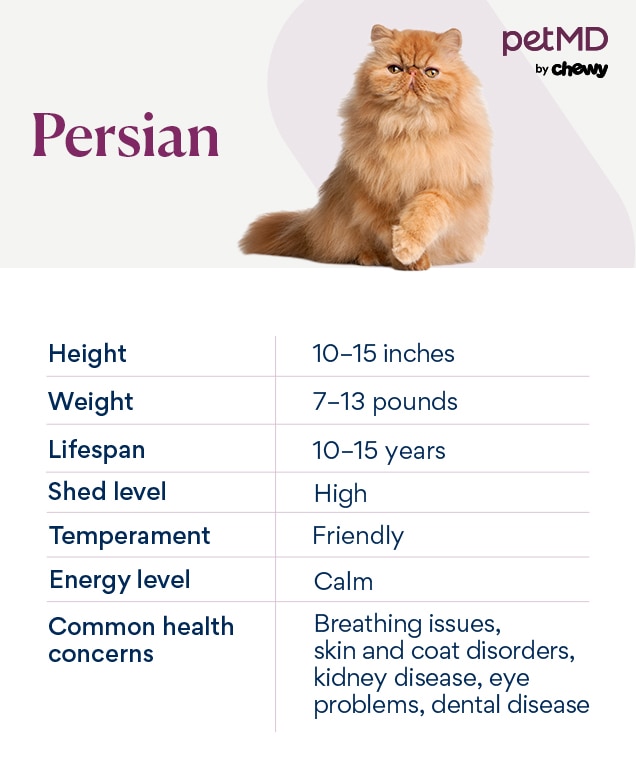
Cats can inherit many genetic problems. Some common ones include heart disease, kidney issues, and blindness. Certain breeds have specific risks. For example, Persians may face polycystic kidney disease. Knowing these issues helps breeders choose healthy cats for mating.
Testing Methods
Genetic testing is done through blood or cheek swab samples. Labs analyze DNA to find mutations or diseases. Some tests look for specific breed-related problems. Others check overall genetic health. Testing is quick and painless for cats.
Preventive Measures
Breeders use test results to make smart breeding choices. Avoid mating cats with the same genetic problems. This reduces the chance of sick kittens. Vaccinations and regular vet visits keep cats healthy. Good nutrition also supports strong genes and overall health.
Legal And Ethical Considerations
Cat breeding involves more than just pairing cats. Legal and ethical rules guide the process. Understanding these rules helps protect cats and breeders alike. It ensures healthy cats and responsible practices.
This section covers key legal and ethical points. These help maintain good standards in cat breeding.
Breeding Regulations
Breeding cats often requires following local laws. Some places need breeders to get licenses. Laws may control the number of litters per year. They ensure cats live in safe, clean environments. These rules help stop cruelty and neglect.
Failing to follow regulations can lead to fines or losing breeding rights. Always check your area’s rules before starting.
Ethical Breeding Practices
Ethical breeding means caring for cat health and well-being. Breeders should avoid mating cats with health problems. Genetic testing helps reduce inherited diseases. Breeding only healthy cats promotes strong kittens.
Providing good food, shelter, and veterinary care is a must. Breeders should not breed cats too often. Respecting the cats’ needs keeps them happy and healthy.
Responsible Ownership
Breeders must find good homes for kittens. They should educate new owners about cat care. It helps kittens live safe and happy lives. Returning cats to breeders if needed is a responsible act.
Keeping detailed records about each cat supports responsible breeding. This practice protects the breed and the animals.
Marketing And Selling Kittens
Marketing and selling kittens is an important part of cat breeding. It requires care and honesty to find the right homes. Breeders need to think about how to reach good families and offer fair prices. They should also provide help after the sale to keep kittens safe and happy.
Finding Suitable Homes
Finding good homes means knowing who will care well for the kittens. Ask questions about the buyer’s experience with cats. Check if their home is safe and clean. Avoid selling to people who want pets for the wrong reasons. A happy home makes a happy kitten.
Pricing Strategies
Set prices based on the kitten’s breed, health, and quality. Research local prices to stay fair and competitive. Do not sell too cheap or too expensive. Include costs for vaccinations and vet checks. Clear prices build trust with buyers.
Post-sale Support
Offer advice and support after the kitten goes home. Be ready to answer questions about feeding or health. Stay in touch to check on the kitten’s progress. Good support helps new owners and shows you care.
Credit: www.petmd.com
Frequently Asked Questions
What Are The Basics Of Cat Breeding?
Cat breeding involves selecting healthy cats with good traits to reproduce. Breeders focus on genetics, health, and temperament to improve breeds and ensure kittens are healthy and well-socialized.
How Do I Prepare A Cat For Breeding?
Prepare a cat by ensuring it is healthy, vaccinated, and of appropriate breeding age. A vet check-up is essential to confirm reproductive readiness and overall health before breeding.
What Are Common Health Risks In Cat Breeding?
Common risks include genetic disorders, infections, and pregnancy complications. Responsible breeding minimizes these by health screening, proper care, and avoiding inbreeding to maintain strong, healthy cats.
How Often Can A Cat Be Bred Safely?
Cats should not be bred more than once a year to ensure recovery and health. Overbreeding can lead to stress, health problems, and lower kitten survival rates.
Conclusion
Cat breeding requires care, knowledge, and patience. Understanding genetics helps produce healthy kittens. Always prioritize the well-being of the mother cat. Responsible breeders avoid overcrowding and health issues. Regular vet visits keep cats safe and strong. Breeding is a serious task, not just a hobby.
Think carefully before starting this journey. Proper care leads to happy cats and good outcomes. Stay informed and prepared for challenges ahead. This ensures a positive experience for both cats and owners.