
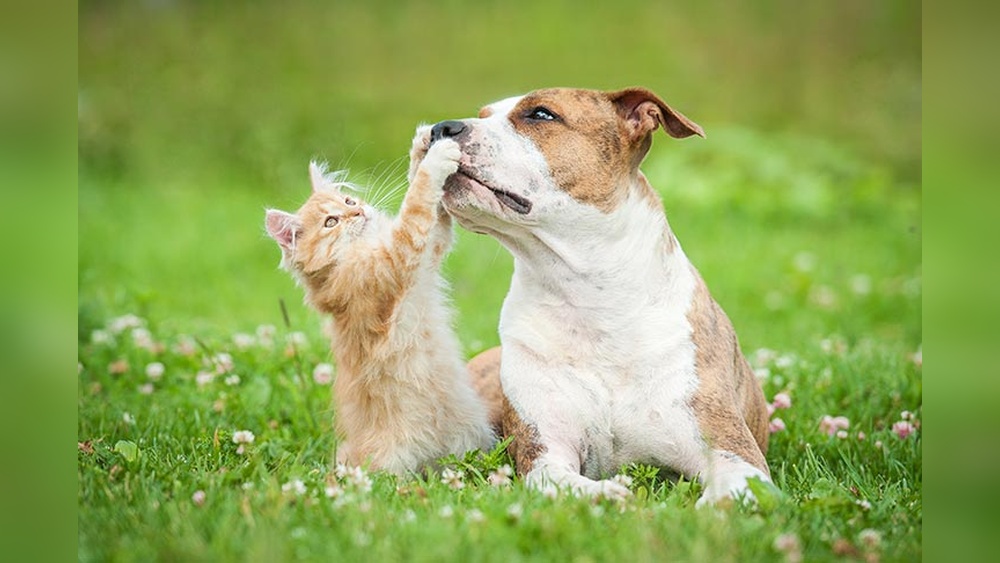
If you have both a dog and a cat at home, you know how tricky it can be to keep the peace. But did you know some dog breeds just don’t get along well with cats?
Understanding which dogs might cause problems can save you stress, protect your furry friends, and keep your home calm. You’ll discover which dog breeds are more likely to clash with cats—and why. Keep reading to learn what to watch out for and how to create a safe environment for both your pets.

Credit: www.amazon.com
Traits Linked To Cat Aggression
Certain dog breeds show traits that make them less friendly with cats. These traits often cause tension or aggression between dogs and cats. Understanding these traits helps owners manage their pets better. It also helps in choosing the right dog breed for homes with cats.
Prey Drive In Dogs
Prey drive is an instinct to chase small animals. Dogs with a strong prey drive often see cats as targets. This chase instinct can lead to aggressive behavior. Breeds like Terriers and Huskies have a high prey drive. They may not live peacefully with cats.
Territorial Behavior
Some dogs protect their space and see cats as intruders. Territorial dogs may growl, bark, or attack cats. Guarding behavior is common in breeds like Rottweilers and German Shepherds. These dogs react strongly to new animals in their area. This behavior can cause conflicts with cats.
Lack Of Socialization
Dogs not socialized with cats may fear or dislike them. Fear can turn into aggression over time. Early exposure to cats helps dogs learn calm behavior. Without it, dogs may react badly to cats. Socializing dogs with cats reduces chances of aggression.

Credit: www.amazon.com
Dog Breeds Often Aggressive Toward Cats
Some dog breeds show more aggression toward cats than others. Their natural instincts and behaviors can make them less suitable for homes with cats. Understanding these breeds helps in keeping both pets safe and happy.
Terriers And Their Hunting Instincts
Terriers were bred to hunt small animals. This makes them quick to chase cats. Their high energy and strong prey drive can cause problems. They often see cats as something to catch, not a friend. Training terriers to live with cats can be very hard.
Hound Breeds And Chase Behavior
Hound breeds have a strong sense of smell and a chase instinct. They love to follow moving things, including cats. Many hounds cannot resist chasing cats around the yard. This chase behavior can stress cats and lead to fights. Hounds need careful introduction to live peacefully with cats.
Guard Dogs With Protective Tendencies
Guard dogs are trained to protect their home and family. They may see cats as threats. Some guard breeds act aggressively toward unfamiliar animals. Their natural protectiveness can turn into hostility. Guard dogs need early socialization to accept cats in their space.
Breeds With Mixed Reputations
Some dog breeds have mixed reputations around cats. These dogs can be good with some cats but not with others. Their behavior often depends on their energy, training, and the cat’s personality. Knowing these breeds helps pet owners manage expectations and interactions.
Working Dogs And Their Energy Levels
Working dogs have lots of energy and strong instincts. They were bred for jobs like herding, guarding, or pulling loads. This makes them very alert and sometimes very focused on moving animals. Cats can trigger their chasing instinct. Without proper training, these dogs may see cats as targets. Examples include the Siberian Husky and the Border Collie. They need plenty of exercise and calm introductions to live peacefully with cats.
Sporting Breeds And Play Styles
Sporting breeds love to play and fetch. They are friendly but can be too rough for cats. Their playful energy may scare or stress a cat. Labrador Retrievers and Golden Retrievers often want to chase or nudge cats during play. They are usually gentle but need supervision. Teaching them gentle play helps them live better with cats. Their natural hunting drive can sometimes cause problems too.
How To Assess A Dog’s Compatibility With Cats
Assessing a dog’s compatibility with cats is key for a peaceful home. Dogs and cats have different ways of communicating. Some dogs chase or bark, which can scare cats. Others may be calm or curious. Observing how a dog behaves around cats helps predict their relationship. Early and careful assessment can prevent stress or harm for both pets.
Behavioral Signs To Watch For
Watch if the dog shows signs of chasing or growling. Look for intense staring or stiff body posture. These signs often indicate high prey drive or aggression. Calm sniffing and relaxed body language show a gentle attitude. Tail wagging can mean excitement but also alertness. Notice if the dog respects the cat’s space or tries to follow it closely.
Importance Of Early Introductions
Introducing dogs and cats early helps build trust. Puppies and kittens learn to accept each other’s presence. Controlled meetings in a quiet room reduce fear. Use a leash on the dog to control sudden moves. Let the cat approach at its own pace. Early positive experiences lower the chance of future conflicts.
Training Tips To Reduce Aggression
Teach the dog basic commands like “sit” and “stay.” Reward calm behavior around cats with treats or praise. Redirect the dog’s attention if it starts to chase. Use a leash during early interactions to maintain control. Avoid punishment; focus on positive reinforcement. Consistent training helps the dog learn safe behavior near cats.
Alternatives For Cat Owners
Choosing the right dog breed matters a lot for cat owners. Not all dogs get along well with cats. Some breeds may chase or bother them. Finding a dog that fits well with your cat can make life peaceful at home. There are good dog breeds that are known to be gentle and friendly with cats. Adopting an older dog with a calm nature is another good option. These dogs have proven they can live well with cats.
Breeds Known For Cat-friendly Nature
Some dog breeds are naturally calm around cats. Breeds like the Golden Retriever, Basset Hound, and Cavalier King Charles Spaniel often get along well with cats. These dogs tend to be patient and gentle. They usually do not chase or scare cats. This makes them a good choice for homes with cats.
Other breeds include the Maltese and the Shetland Sheepdog. These dogs enjoy quiet and calm environments. They can adapt to living with cats easily. Choosing these breeds can help avoid conflicts and stress.
Adopting Older Dogs With Proven Temperaments
Older dogs often have a calmer nature than puppies. They have learned how to behave around other animals. Many older dogs have lived with cats before and can be good companions. Shelters sometimes list dogs with known friendly behavior toward cats.
Adopting an older dog lets you see how they act with cats first. This lowers the risk of problems later. Older dogs are often less energetic and more relaxed. This helps cats feel safe and comfortable in their home.
:strip_icc()/why-cats-are-better-than-dogs-554880-hero-396b75de4afa4971a8bf486bc471e72e.jpg)
Credit: www.thesprucepets.com
Frequently Asked Questions
Which Dog Breeds Are Most Aggressive Toward Cats?
Certain terriers, hounds, and herding breeds often show aggression toward cats. This includes breeds like Jack Russell Terriers, Greyhounds, and Australian Shepherds. Their strong prey drive and high energy can make coexistence difficult without proper training and socialization.
Why Do Some Dogs Dislike Cats?
Dogs may dislike cats due to instinctual prey drive, fear, or lack of socialization. Territorial behavior and previous negative experiences can also cause tension between dogs and cats in the same household.
Can Aggressive Dog Breeds Live Peacefully With Cats?
Yes, with early socialization, training, and supervision, many aggressive breeds can learn to coexist peacefully with cats. Consistent positive reinforcement and controlled introductions are key to building a harmonious relationship.
Are Small Dog Breeds Bad With Cats?
Not necessarily. Some small breeds have high prey drives and can chase cats, but many small dogs live well with cats. Individual temperament and proper introductions matter more than size alone.
Conclusion
Some dog breeds may not get along well with cats. This can cause stress for both pets. Knowing which breeds struggle helps you choose wisely. Training and socialization can improve their relationship. Patience is key when introducing dogs to cats.
Always watch their first meetings closely. A peaceful home needs careful pet choices. Understanding their behavior keeps everyone safe and happy.