
Are you fascinated by Bengal cats and wondering how to start breeding them? Breeding Bengals can be a rewarding experience, but it takes more than just love for these beautiful cats.
You need to understand their unique traits, health needs, and proper care to ensure happy, healthy kittens. In this guide, you’ll discover clear, practical steps to begin your Bengal breeding journey confidently. Ready to unlock the secrets to successful Bengal breeding?
Keep reading, and let’s get started!
Choosing Quality Bengal Cats
Choosing quality Bengal cats is the first step in starting a successful breeding journey. The right cats ensure healthy kittens and maintain the breed’s unique look. Quality Bengal cats have strong health, clear traits, and good family history. This section explains how to pick the best Bengal cats for breeding.
Selecting Healthy Breeding Cats
Health is the top priority when choosing Bengal cats for breeding. Check for clear eyes and clean ears. Look for a shiny coat and strong muscles. Avoid cats with signs of illness or weakness. Healthy cats pass good genes to their kittens. Regular vet checkups and vaccinations are important. Choose cats free from genetic diseases common in Bengals.
Recognizing Desired Bengal Traits
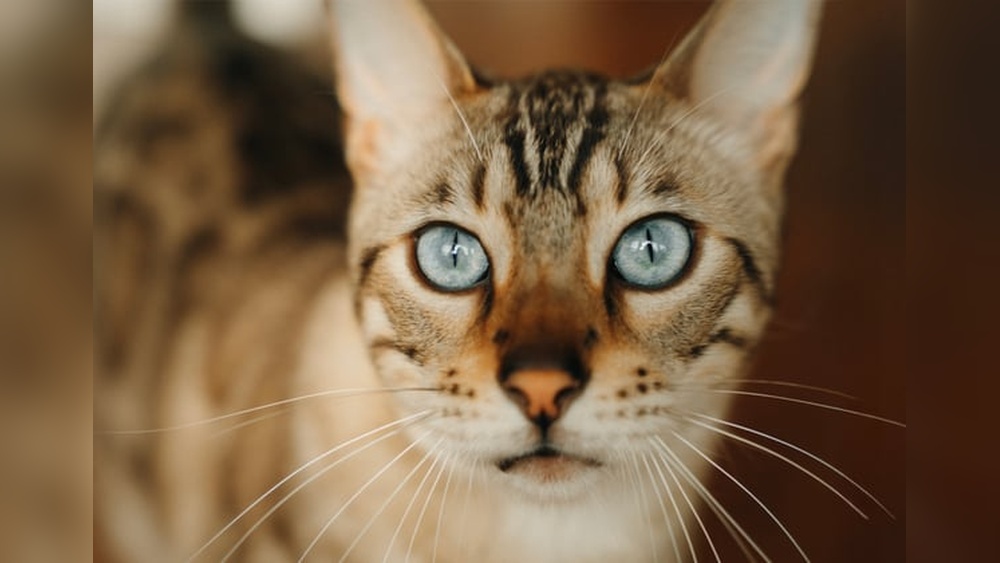
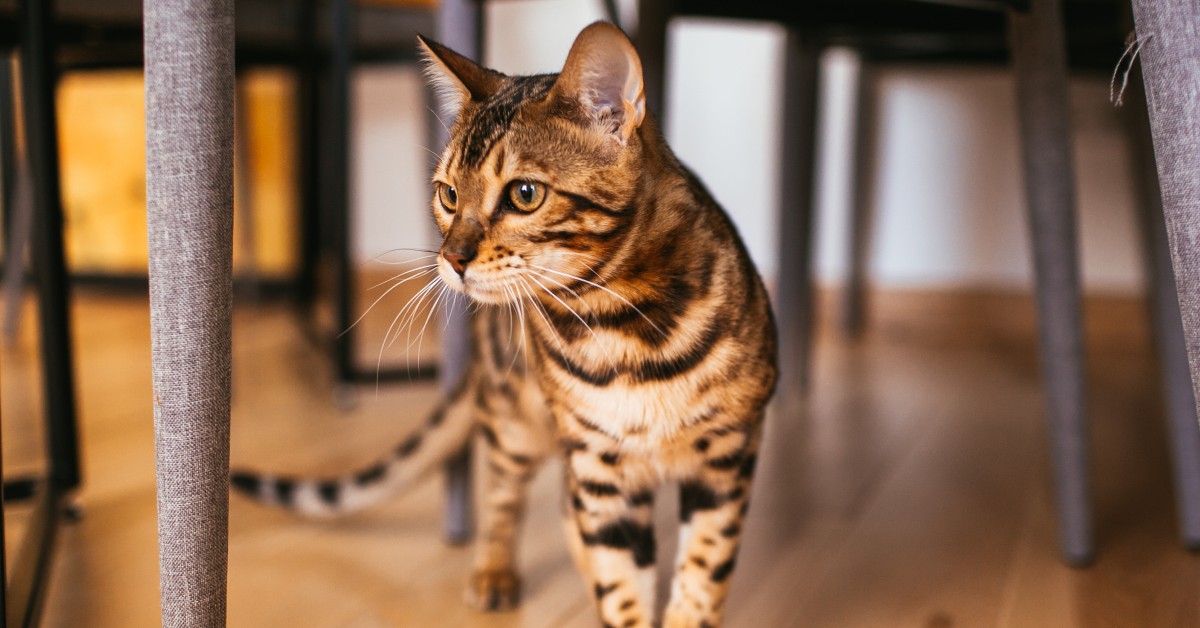
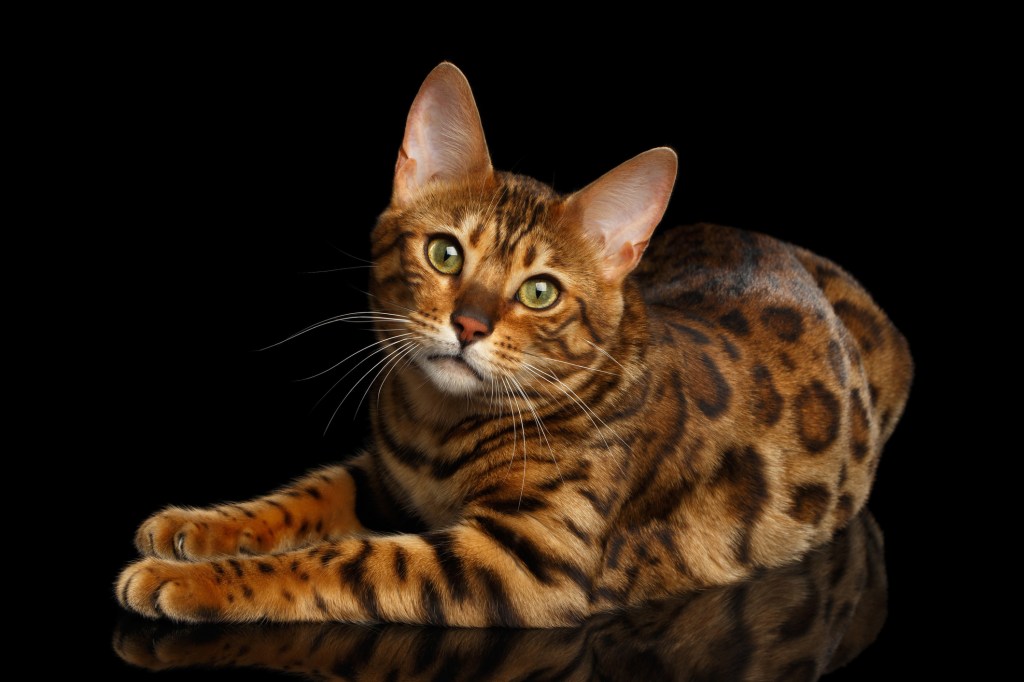
Bengal cats have a wild, spotted coat and a muscular body. Look for bold spots or rosettes on the fur. The coat should have a bright shine. Eyes are usually large and expressive. The cat’s movement should be agile and confident. These traits show a strong Bengal type. Avoid cats with dull coats or weak builds. Picking cats with clear traits keeps the breed strong.
Evaluating Pedigree And Lineage
Pedigree shows a cat’s family history. Check for registered ancestors with good health records. Strong lineage means fewer risks of genetic problems. Look for cats from breeders who follow breed standards. Avoid cats with unknown or mixed backgrounds. A well-documented pedigree helps predict the cat’s qualities. It also builds trust in your breeding program.
Preparing For Breeding
Preparing for breeding Bengal cats is a vital step. It ensures the health and safety of the cats and their kittens. Proper preparation helps avoid problems later. You need to focus on creating a good environment, feeding the cats well, and arranging vet visits.
Setting Up A Safe Environment
Choose a quiet and clean space for the cats. Remove anything sharp or dangerous. Provide soft bedding and enough room to move. Keep the area calm to reduce stress. Make sure the space is warm but well-ventilated. This helps the cats feel comfortable and safe.
Ensuring Proper Nutrition
Feed the cats high-quality food made for their needs. Protein-rich diets support their health and energy. Fresh water must always be available. Avoid giving them treats or food that can harm them. Good nutrition improves chances of healthy kittens.
Scheduling Veterinary Checkups
Take your cats to the vet before breeding. The vet will check for diseases and overall health. Vaccinations and parasite control are important. The vet can give advice on breeding timing. Regular checkups keep the cats and kittens safe.
Breeding Process
The breeding process of Bengal cats needs careful attention and planning. Understanding the right timing and signs helps ensure healthy kittens. Each step affects the success of the breeding. This section explains key parts of the process.
Timing The Mating Period
Female Bengals are ready to mate during their heat cycle. This period happens several times a year. Each cycle lasts about a week to ten days. Mating should occur in the early days of heat. This increases the chances of pregnancy. Keep track of your cat’s cycle to know the best time.
Signs Of Heat In Female Bengals
Recognize when your female Bengal is in heat. She may become more vocal and restless. You might see her rubbing against furniture or people. Her tail may move to the side often. She may also show more affection. These signs tell you the cat is ready to mate.
Successful Mating Techniques
Introduce the male and female Bengals carefully. Let them meet in a calm, quiet space. Watch their behavior closely to avoid stress. Allow natural interactions and avoid forcing them. Mating may take several sessions over a few days. After mating, give both cats space to rest. Proper care improves the chances of a successful pregnancy.

Credit: cfa.org
Pregnancy And Birth Care
Taking care of a pregnant Bengal cat requires careful attention and gentle care. Pregnancy and birth care are key to keeping the mother and kittens healthy. Knowing how to watch for signs of pregnancy, prepare a safe place, and help during birth makes the process smoother. This section guides you through these important steps.
Monitoring Pregnancy Progress
Track your Bengal cat’s health every day. Watch for changes in appetite and behavior. Her belly will grow, and she may become more affectionate. Regular vet visits help confirm pregnancy and check kitten growth. Keep a record of her weight and eating habits. This helps catch any problems early.
Creating A Comfortable Nesting Area
Prepare a quiet, warm spot for the mother to give birth. Use soft blankets or towels for comfort. The area should be private and safe from noise or other pets. Place the nest in a low-traffic part of your home. Make sure it is easy for her to enter and leave. Keep the space clean and dry.
Assisting During Delivery
Stay calm and watch closely as labor begins. Signs include restlessness and licking her genital area. Most cats deliver without help, but be ready to assist if needed. Keep towels and gloves nearby for hygiene. Do not pull kittens out; let her deliver naturally. Contact a vet if delivery takes too long or if problems appear.
Raising Bengal Kittens
Raising Bengal kittens is a rewarding experience that needs care and attention. These kittens grow fast and need proper support. Good care early on helps them become strong and happy cats. Focus on feeding, socializing, and health to give them a great start.
Feeding And Nutrition For Kittens
Bengal kittens need a diet rich in protein for growth. Use high-quality kitten food made for active cats. Feed small meals several times a day. Fresh water should always be available. Avoid giving cow’s milk; it can upset their stomach.
Introduce wet and dry food gradually. Monitor their eating habits and weight. Proper nutrition helps build strong bones and muscles.
Socializing And Handling
Start socializing Bengal kittens early. Gently hold and play with them daily. This helps reduce fear and builds trust. Introduce them to different sounds and people. It prepares them for new environments. Playtime with toys encourages natural hunting skills.
Positive interaction shapes their behavior and confidence. Avoid rough handling to prevent stress or fear.
Health Checks And Vaccinations
Regular vet visits are essential for Bengal kittens. Schedule health checks to catch issues early. Vaccinate according to the vet’s schedule to prevent diseases. Deworm and check for fleas frequently. Keep a record of all treatments and vaccinations.
Healthy kittens grow into strong adult cats. Early care reduces future health problems.
Credit: www.petassure.com
Finding Homes For Kittens
Finding good homes for Bengal kittens is a key part of breeding. Each kitten needs a family that can care for it well. This ensures the kitten grows up happy and healthy. Taking time to find the right owners helps keep the breed strong and loved.
Screening Potential Owners
Ask questions about the person’s experience with cats. Learn about their home environment and daily routine. Check if they understand Bengal cats’ energy and needs. Make sure they can afford veterinary care and proper food. Screening helps avoid future problems for the kitten.
Setting Adoption Policies
Create clear rules for adopting kittens. Include details about deposits, contracts, and return policies. Set minimum age for new owners to have pets. Explain spaying or neutering requirements to control population. Clear policies protect both the breeder and the kittens.
Providing Care Instructions
Give new owners written care guides for Bengals. Include feeding schedules, grooming tips, and health checks. Explain Bengal cats’ special needs and behavior. Offer advice on socializing and training the kitten. Good instructions help owners provide the best care possible.
Legal And Ethical Considerations
Starting to breed Bengal cats requires more than just love for the breed. Legal and ethical factors play a big role. Following these rules keeps cats safe and breeders honest. Respect for the animal’s health and well-being is key. Understanding laws and best practices helps build a good reputation. This section covers important points for responsible Bengal cat breeding.
Breeding Regulations And Licensing
Every area has rules for breeding animals. Check local laws about cat breeding licenses. Some places require registration with a government agency. These rules protect animals from bad care. Licensing ensures breeders follow safety and health standards. Keep records of all cats and litters. This documentation helps if any legal issues arise. Ignoring regulations can lead to fines or shutdowns.
Responsible Breeding Practices
Breeding Bengals needs care and respect. Only breed cats that are healthy and well-behaved. Provide clean, safe spaces for cats and kittens. Socialize kittens early to help their growth. Avoid overbreeding; give cats time to rest. Screen buyers to ensure good homes for kittens. Responsible breeders support the breed’s future. They also share knowledge with new cat owners.
Avoiding Genetic Health Issues
Bengal cats can have inherited health problems. Test breeding cats for common diseases before mating. Avoid breeding cats with known genetic issues. Use genetic screening tools to find risks early. Select mates that improve the breed’s health. Track family history to prevent inbreeding. Healthy cats live longer and are happier pets. Preventing health problems protects the breed’s reputation too.
Credit: cattime.com
Common Challenges And Solutions
Breeding Bengal cats can be rewarding but challenging. Many breeders face common problems that affect success. Knowing these issues and solutions helps maintain healthy cats and strong breeding lines.
Challenges range from fertility problems to health risks and behavior issues. Each requires careful attention and proper care. Below are some common challenges breeders face and simple ways to handle them effectively.
Dealing With Infertility
Infertility is a common challenge in Bengal cat breeding. Some cats may not mate or produce kittens easily. Stress, poor diet, or health problems often cause this issue.
To improve fertility, keep cats healthy and stress-free. Feed a balanced diet rich in nutrients. Regular vet check-ups help find hidden problems early. Sometimes, breeding timing needs adjustment to the cat’s natural cycle.
Managing Health Complications
Bengal cats can develop health issues during breeding. These include infections, birth difficulties, or genetic diseases. Early detection and care prevent serious problems.
Maintain a clean, safe environment for your cats. Vaccinate and deworm regularly. Monitor pregnant cats closely. Consult a vet if any signs of illness or distress appear. Genetic testing helps avoid passing diseases to kittens.
Handling Behavioral Issues
Behavior problems can disrupt breeding success. Aggression, fear, or lack of interest in mating are common. Behavioral stress affects both cats and kittens.
Provide a calm and comfortable space. Socialize cats gently from a young age. Use positive reinforcement to encourage good behavior. Patience and understanding improve cooperation and bonding between breeding pairs.
Frequently Asked Questions
What Are The Basics Of Bengal Cat Breeding?
Bengal cat breeding requires knowledge of genetics, health, and temperament. Start with healthy, purebred Bengals. Understand breed standards and legal regulations. Prepare a safe, comfortable environment for mating and raising kittens. Regular veterinary care and proper nutrition are essential throughout the process.
How Do I Choose The Right Bengal Cats For Breeding?
Select Bengals with strong pedigrees, good health, and desirable traits. Look for clear markings, muscular build, and friendly temperament. Avoid close inbreeding to prevent genetic issues. Consult experienced breeders or veterinarians for guidance on selecting ideal breeding pairs.
What Health Checks Are Needed Before Bengal Breeding?
Health screenings include tests for genetic diseases like hypertrophic cardiomyopathy. Ensure vaccinations are current, and cats are parasite-free. Check reproductive health with a vet. Early detection of health issues helps ensure healthy offspring and successful breeding outcomes.
How Long Is Bengal Cat Pregnancy?
Bengal cat pregnancy typically lasts 63 to 68 days. Monitor the female for signs of labor as the due date nears. Provide a quiet, comfortable space for delivery. Consult a vet if any complications arise during pregnancy or birth.
Conclusion
Starting Bengal cat breeding needs patience and care. Learn about their health and behavior first. Find good cats with strong backgrounds to breed. Keep their living space clean and safe. Track their growth and watch for any problems. Talk to vets and experienced breeders often.
Enjoy the process and respect each cat’s needs. Breeding Bengal cats can be rewarding with the right steps. Stay responsible and focused for the best results.