
Have you ever wondered how Maine Coon cats become the stunning, gentle giants we know today? The secret lies in selective breeding—a careful process where humans like you shape their traits over time.
Understanding how this works can help you appreciate these beautiful cats even more, whether you’re a pet lover, breeder, or simply curious. Keep reading to discover how selective breeding has influenced Maine Coons and why it matters for their health, personality, and unique looks.
Your next favorite cat fact is just ahead!

Credit: www.embracepetinsurance.com
Maine Coon Traits
Maine Coon cats have unique traits that attract breeders worldwide. These traits make them ideal for selective breeding. Breeders focus on specific qualities to maintain and improve the breed.
The traits include both physical features and behavior. These qualities help Maine Coons stand out from other cats. They are known for their size, fur, and friendly nature.
Physical Characteristics
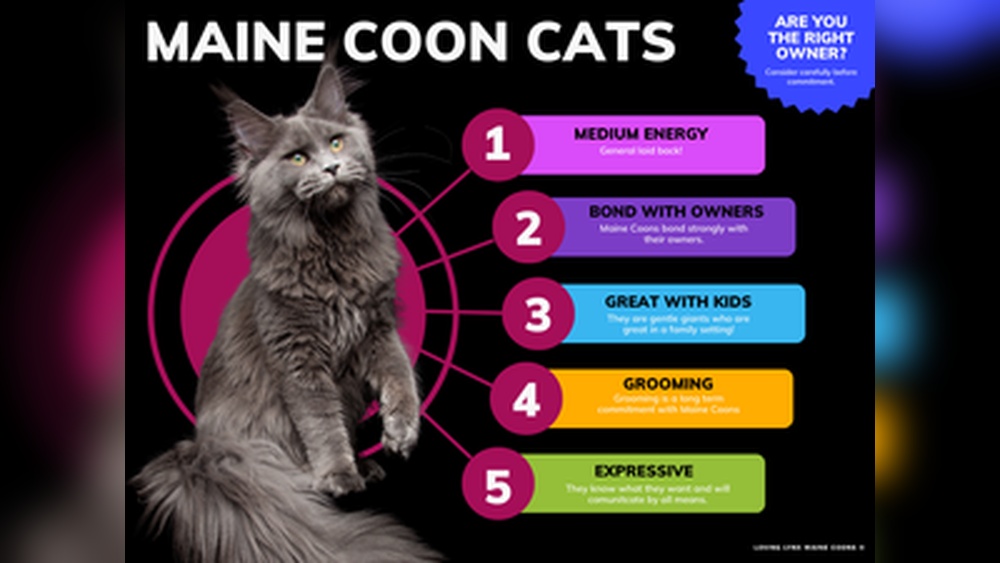
Maine Coons are one of the largest domestic cats. Their bodies are long and muscular. They have a broad chest and strong bones. Their fur is thick and water-resistant, perfect for cold weather.
Their ears are large with tufts of fur at the tips. Their eyes are big, round, and expressive. Their tails are long and bushy, often compared to a raccoon’s tail. These features are important in breeding to keep the breed’s distinct look.
Temperament And Behavior
Maine Coons are known for their gentle and friendly nature. They are social cats that enjoy human company. Their playful attitude makes them great pets for families.
They are also intelligent and curious, often exploring their environment. They get along well with other pets and children. Breeders select cats with these positive traits to keep the breed’s good temperament.
Credit: www.jellicodream.com
Selective Breeding Goals
Selective breeding of Maine Coon cats helps shape their future. Breeders focus on clear goals. These goals guide how they choose which cats to breed. The aim is to keep the breed strong and true to its nature. Each goal plays a vital role in maintaining the breed’s quality.
Breeders work hard to improve health, appearance, and special traits. This careful selection helps Maine Coons thrive and look their best.
Enhancing Health And Longevity
Breeders select cats with strong health records. They avoid breeding cats with genetic diseases. This lowers risks of illness in kittens. Good health means Maine Coons live longer lives. Breeders also focus on strong immune systems. Healthy cats need fewer vet visits and live happily.
Improving Appearance
Appearance matters in Maine Coons. Breeders choose cats with ideal size and coat quality. They aim for thick, shiny fur and large, tufted ears. Eyes must be bright and expressive. The goal is a balanced, majestic look. This keeps the breed recognizable and admired.
Preserving Unique Traits
Maine Coons have special features. Their large size and bushy tails stand out. Breeders protect these traits in each generation. They keep the breed’s gentle nature and playful spirit. Preserving uniqueness helps Maine Coons stay true to their roots. This makes them beloved pets worldwide.
Breeding Techniques
Selective breeding of Maine Coon cats involves careful methods to keep their best traits. Breeders use specific techniques to guide the genetics and health of each generation. These methods help maintain the breed’s unique look and friendly personality.
Genetic Screening
Genetic screening checks cats for inherited diseases. It helps breeders avoid passing on health problems. Tests include screening for hip dysplasia and heart disease. Healthy cats are chosen to keep the breed strong. This step protects the long-term health of Maine Coons.
Mate Selection Criteria
Breeders pick mates based on traits like size, coat, and temperament. They look for strong, healthy cats with good personalities. The goal is to keep the Maine Coon’s friendly nature. Selecting the right pair improves the kittens’ quality and appearance.
Controlled Breeding Practices
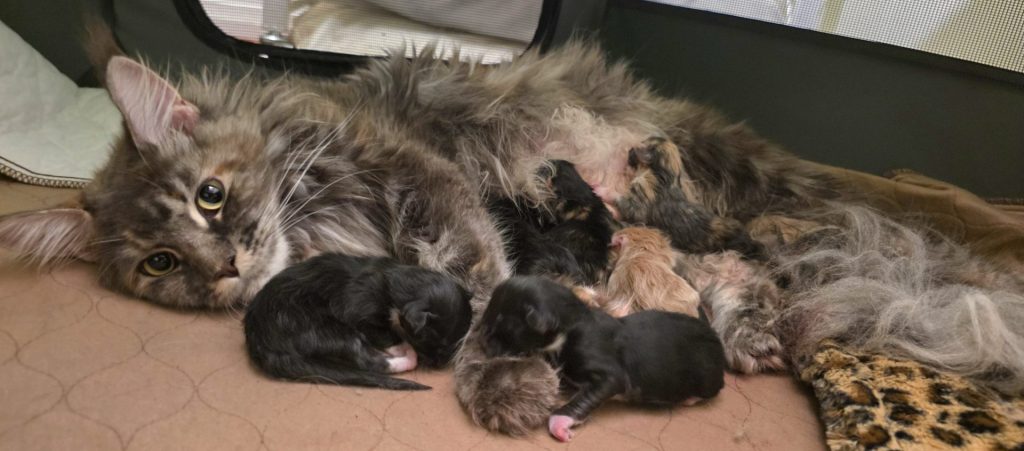
Breeding happens in controlled environments to ensure safety. Breeders monitor the cats before, during, and after mating. This care helps prevent illness and stress. Controlled breeding also tracks lineage to avoid inbreeding. It supports the breed’s diversity and health over time.

Credit: www.embracepetinsurance.com
Challenges In Breeding
Breeding Maine Coon cats is not simple. Breeders face many challenges to keep the breed healthy. These challenges affect the cats’ future and their quality of life. Understanding these issues helps breeders make better choices.
Genetic Disorders
Maine Coons can inherit health problems from their parents. Some common genetic disorders include hip dysplasia and heart disease. These issues can cause pain and shorten the cat’s life. Breeders must test cats for these problems before breeding. This helps reduce passing disorders to kittens.
Maintaining Genetic Diversity
Keeping genetic variety is important for strong cats. Breeding only a few cats can cause inbreeding. Inbreeding raises the risk of health problems. Breeders must find new bloodlines and avoid close relatives. This keeps the breed healthy and alive for many years.
Ethical Considerations
Breeders must care for cats’ well-being. Breeding only for looks can harm the cats. It is important to focus on health and behavior. Breeders should avoid overbreeding and give cats good homes. Respect for the animals is key in all breeding choices.
Expert Roles
Selective breeding of Maine Coon cats involves many experts. Each expert plays a unique role. Their work helps maintain the breed’s health, look, and behavior. These experts share knowledge and skills to improve breeding outcomes.
They check the cats’ health, genetics, and traits. They also set rules and guide breeders. Their combined efforts keep Maine Coons strong and true to their breed.
Veterinarians
Veterinarians care for Maine Coons’ health during breeding. They perform health checks to spot any diseases. They test for genetic conditions common in the breed. Their advice helps avoid passing health problems to kittens. Vets also guide breeders on nutrition and care. Their role is vital for healthy, happy cats.
Professional Breeders
Professional breeders select Maine Coons with the best traits. They breed cats to keep strong features and good behavior. Breeders track family lines to avoid inbreeding problems. They raise kittens in safe, loving homes. Breeders share tips and follow ethical standards. Their goal is to produce healthy, beautiful Maine Coons.
Breed Associations
Breed associations set rules for Maine Coon breeding. They define breed standards for size, coat, and shape. Associations register cats and keep pedigree records. They organize shows to judge cats fairly. Associations educate breeders on ethics and health. Their work ensures the breed stays true and respected.
Impact On The Breed
Selective breeding has shaped Maine Coon cats for many years. Humans choose specific traits to keep or enhance. This process impacts the breed deeply. It changes their numbers, health, and behavior over time. Understanding these effects helps us appreciate the breed better.
Population Trends
Selective breeding affects the Maine Coon population size. Breeders focus on certain traits, which can limit diversity. Popular traits may cause some lines to grow faster. Other lines might become rare or disappear. Careful management helps keep a healthy population balance.
Health Improvements
Breeders work to reduce common health problems. They select cats free from genetic diseases. This lowers the chance of passing illnesses to kittens. Healthier cats live longer and feel better. Ongoing health checks improve the breed’s overall condition.
Behavioral Changes
Selective breeding also changes Maine Coon behavior. Breeders choose friendly and social cats. This makes many Maine Coons gentle and good with families. Some may become more playful or calm. Behavior traits become more consistent in the breed.
Frequently Asked Questions
What Traits Do Humans Select In Maine Coons For Breeding?
Humans select traits like size, coat color, health, and temperament in Maine Coons. These traits ensure the cats are robust, beautiful, and friendly. Selective breeding enhances breed standards and promotes desirable characteristics for pet owners and breeders.
How Does Selective Breeding Improve Maine Coon Health?
Selective breeding reduces genetic disorders by pairing healthy cats. Breeders screen for hereditary diseases to improve overall health. This process results in stronger, healthier Maine Coons with fewer medical issues over generations.
Why Is Temperament Important In Maine Coon Breeding?
Temperament affects a cat’s behavior and compatibility with families. Breeders prioritize friendly, social, and calm Maine Coons. This ensures the cats are good companions and adapt well to home environments.
How Do Breeders Maintain Maine Coon Breed Standards?
Breeders follow strict guidelines for physical and behavioral traits. They document pedigrees and monitor offspring for consistency. Maintaining breed standards preserves the Maine Coon’s unique identity and quality.
Conclusion
Selective breeding of Maine Coon cats helps maintain their unique traits. Humans choose cats with strong health and friendly personalities. This care keeps the breed healthy and happy. Breeders watch for good size, fur quality, and temperament. This careful process supports Maine Coons’ special place in homes.
It also helps preserve their natural beauty. Breeding with care benefits both cats and owners. The bond between humans and Maine Coons grows stronger every day.