
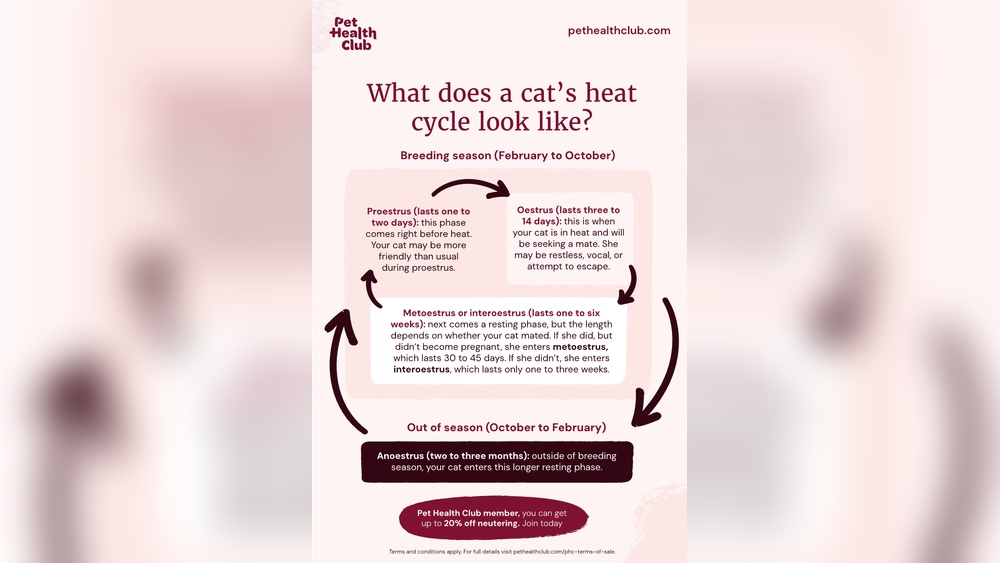
Have you ever noticed your cat acting extra restless or vocal at certain times of the year? You might be wondering if cats have a specific breeding season like some other animals do.
Understanding this can help you better care for your furry friend and avoid surprises. You’ll discover the truth about your cat’s breeding habits and what triggers them. Keep reading to learn how these natural cycles affect your cat’s behavior—and what you can do to stay prepared.
Feline Reproductive Cycle
The feline reproductive cycle is a natural process that controls when female cats can have kittens. Unlike some animals with fixed breeding seasons, cats can go into heat multiple times a year. This cycle depends on various factors like daylight and the cat’s health. Understanding this cycle helps cat owners care for their pets better.
Female cats are known as queens. They experience several stages during their cycle. Each stage has unique behaviors and signs. These signs help identify when a cat is ready to mate.
Estrus Phases In Cats
The estrus cycle in cats has different phases. The main phase is estrus, also called heat. During estrus, the queen is fertile and can mate. This phase lasts about 4 to 7 days. If the cat does not mate, she may return to estrus every two to three weeks. Other phases include proestrus and diestrus. Proestrus is a short time before estrus with subtle signs. Diestrus happens if the cat mates but does not get pregnant. Cats can also go through anestrus, a resting phase with no heat signs.
Signs Of Heat In Female Cats
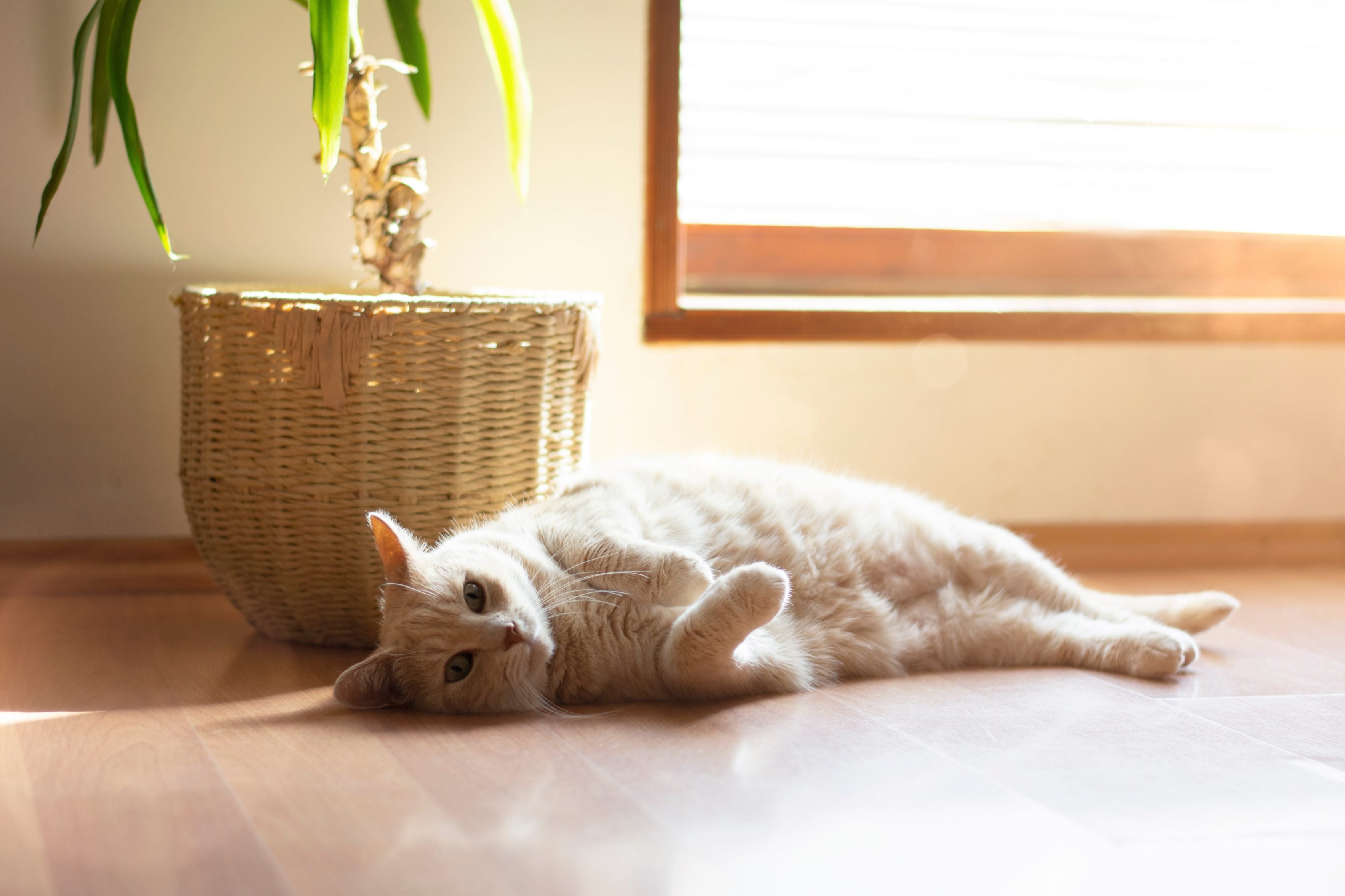
Queens in heat show clear signs. They may become more vocal, making loud meows or yowls. Many cats become restless and rub against objects or people. Some may raise their hindquarters and move their tails to the side. Increased affection and rolling on the floor are common. Female cats may also lick their genital area more often. These signs help owners know when the cat is ready to breed.
Breeding Season Timing
Cats do have specific times when they are more likely to breed. This period is called the breeding season. It is not the same for all cats. The timing depends on several factors. Understanding these helps explain why cats behave differently during certain months.
Influence Of Daylight And Temperature
Daylight plays a big role in a cat’s breeding season. More daylight means more chances for cats to go into heat. This usually happens in spring and summer. Temperature also affects breeding. Warmer weather encourages cats to be more active and ready to mate. Shorter days and cold weather slow down their breeding activity.
Geographic Variations In Breeding
Where a cat lives changes its breeding season. In places with clear seasons, cats breed mainly in spring and summer. In warmer regions, cats may breed all year. Indoor cats may not follow natural patterns. Artificial light and steady temperature can change their breeding timing. Geography shapes how cats reproduce and when.
Male Cat Behavior During Breeding
Male cats show clear changes during breeding season. Their behavior shifts to attract females and compete with rivals. These changes help them secure mates and protect their territory. Understanding these actions reveals much about their natural instincts and survival strategies.
Territorial Marking
Male cats mark their territory with strong-smelling urine. This signals other males to stay away. The scent lets females know a male is nearby and ready to mate. Marking happens more often during breeding season. Males also scratch objects to leave visual marks. These actions defend their space and reduce fights.
Mating Calls And Aggression
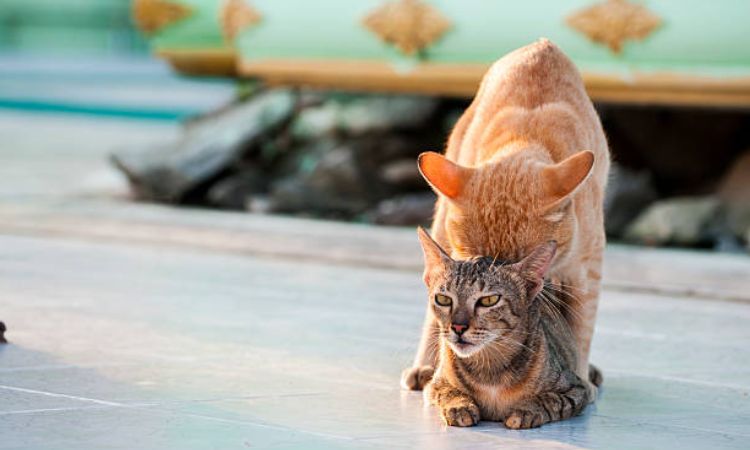
Male cats make loud, persistent calls to attract females. These vocal sounds can carry over long distances. Calls grow louder and more frequent during breeding times. Males may also act aggressive toward other males. Fighting happens to show dominance and win mating rights. Aggression helps establish which male is strongest.

Credit: vetster.com
Impact Of Indoor Living On Breeding
Indoor living changes how cats experience their breeding cycles. Natural signals that trigger breeding can be different inside a home. This affects when and how often cats go into heat.
Indoor cats often have less exposure to natural light and outdoor cues. Their bodies may not follow the usual seasonal patterns seen in outdoor cats. This can lead to changes in their breeding behavior.
Artificial Lighting Effects
Artificial light inside homes can confuse a cat’s natural rhythms. It can extend the hours of light a cat experiences each day. This trick can make a cat’s body think it is always spring or summer.
Longer light hours encourage cats to come into heat more often. The artificial lighting can remove the usual breaks between breeding seasons. This leads to more frequent cycles than in outdoor cats.
Indoor Cats And Year-round Breeding
Indoor cats often breed all year. They do not depend on outdoor weather or daylight changes. This means they can go into heat every few weeks.
Year-round breeding can increase the chance of unexpected litters. It makes controlling pet populations more challenging for owners. Understanding this helps in managing indoor cat care better.
Breeding Challenges And Health
Breeding cats can bring many challenges. It affects their health and wellbeing deeply. Understanding these challenges helps owners make better choices. Healthy cats live longer and happier lives. Managing breeding carefully protects cats from many risks.
Risks Of Uncontrolled Breeding
Uncontrolled breeding leads to many health problems. Overpopulation causes stress and disease spread. Many kittens may not get enough care or food. Some cats suffer injuries during fights for mates. Genetic diseases can pass to new kittens. This creates weak and sick animals. Poor living conditions increase infections and parasites. Many cats end up homeless or in shelters. This situation harms both cats and communities.
Spaying And Neutering Benefits
Spaying and neutering prevent unwanted litters. These surgeries reduce health risks for cats. Females avoid uterine infections and cancer. Males have lower risk of prostate problems. These procedures also calm aggressive behavior. Cats tend to live longer and healthier lives. Less roaming means fewer accidents and fights. Communities benefit from fewer stray animals. Responsible pet care includes spaying and neutering.
Credit: www.petplan.co.uk
Myths About Cat Breeding
Cats and breeding have many myths surrounding them. These myths often confuse people about how cats reproduce. Understanding the truth helps cat owners care better for their pets. Let’s explore some common myths and clear up the facts.
Common Misconceptions
Many believe cats only breed in spring or summer. This is not always true. Cats can go into heat several times a year. Another myth says only female cats decide when to breed. Both males and females play roles in reproduction. Some people think cats need a mate to start their heat cycle. In reality, heat cycles happen naturally without a mate.
Scientific Facts Vs. Folklore
Science shows cats are seasonal breeders but can breed year-round in warm places. Folklore often says cats stop breeding in cold weather, which is partly true. Light and temperature affect a cat’s heat cycle. However, indoor cats with artificial light can have irregular cycles. Understanding these facts helps owners manage cat reproduction wisely.
Credit: nexus-pets.com
Frequently Asked Questions
Do Cats Have A Specific Breeding Season?
Yes, most cats have a breeding season called “estrus,” typically during spring and fall. This cycle depends on daylight length and environmental factors.
How Long Does A Cat’s Breeding Season Last?
A cat’s breeding season can last several months, often from early spring to late fall. During this time, females go into heat multiple times.
Can Indoor Cats Have A Breeding Season?
Indoor cats may experience irregular breeding cycles due to artificial lighting. However, they often still go into heat periodically, similar to outdoor cats.
What Signs Indicate A Cat Is In Breeding Season?
Signs include vocalization, restlessness, rubbing against objects, and increased affection. Female cats in heat may also display a raised hindquarters posture.
Conclusion
Cats do have a breeding season, mostly in spring and summer. During this time, female cats go into heat and can become pregnant. Male cats become more active and seek mates. Understanding this helps pet owners manage their cats better.
Spaying or neutering pets can prevent unwanted litters. It also keeps cats healthier and calmer. Knowing about breeding seasons supports responsible pet care. Keep your cat safe and happy all year round.