
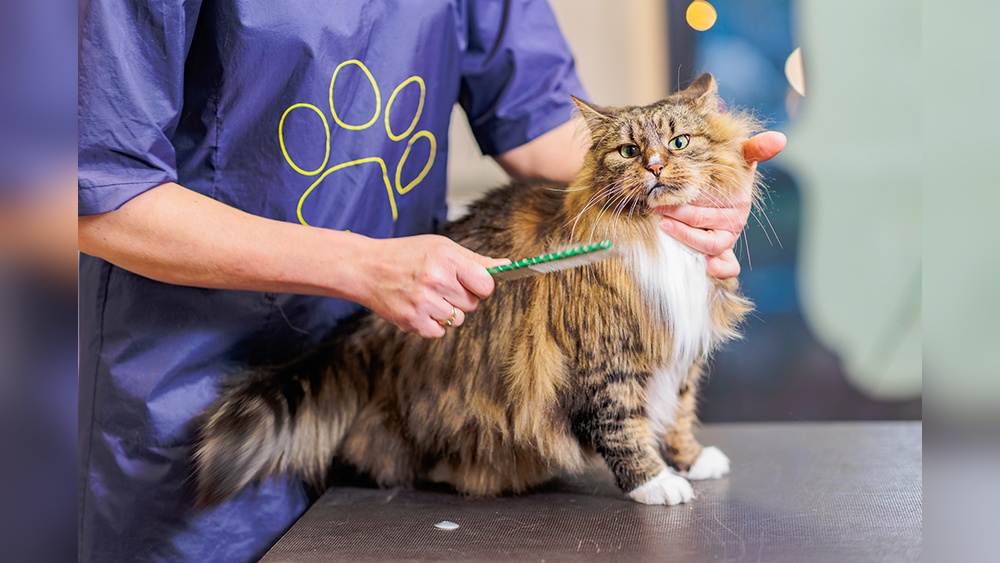
Grooming your cat can be a real challenge, especially when they’re restless or scared. You might wonder, “What can I give my cat to sedate for grooming?” If your furry friend struggles to stay calm during brushing or nail trimming, you’re not alone.
Finding a safe way to help your cat relax can make grooming easier for both of you. You’ll discover practical tips and safe options to soothe your cat, so grooming becomes a peaceful experience instead of a stressful battle. Keep reading—you’re just a few steps away from stress-free grooming sessions!

Credit: catspajamasgrooming.ca
Reasons Cats Resist Grooming
Cats often resist grooming for many reasons. Understanding these reasons helps improve the grooming process. Grooming is necessary, but cats may feel uncomfortable or scared. Knowing why they resist can make grooming easier for both you and your cat.
Common Grooming Challenges
Cats dislike grooming due to several common issues. Some cats hate the feeling of brushes or combs on their fur. Others may dislike water or shampoo smells. Grooming tools might hurt if used too roughly. Cats with long fur can get mats that cause pain during grooming. These challenges can make cats avoid grooming altogether.
Stress And Anxiety Triggers
Stress makes cats resist grooming more. Loud noises or sudden movements can scare them. New places or people during grooming cause anxiety. Cats may remember a bad grooming experience and fear it again. Stress increases their need to escape or hide, making grooming difficult.

Credit: www.wikihow.com
Risks Of Sedating Cats At Home
Sedating cats at home for grooming can seem like an easy solution. Many pet owners want to calm their cats to avoid stress. Yet, sedating cats without a vet’s guidance carries serious risks. Cats react differently to sedatives. What works for one might harm another.
Understanding these risks helps keep your cat safe. Sedation can affect breathing, heart rate, and behavior. It might cause unexpected side effects or allergies. Always think twice before giving your cat any medicine at home.
Potential Health Hazards
Sedating cats without professional help can cause health problems. Overdosing is a common risk and can be deadly. Some cats have hidden heart or lung issues. Sedatives might worsen these conditions. Cats can also have allergic reactions to sedative drugs. Breathing problems may occur during sedation. Lack of proper monitoring increases dangers. Sedation can lead to unsteady movements or vomiting.
When To Avoid Sedation
Do not sedate cats with existing health problems. Sick or elderly cats are more sensitive to drugs. Avoid sedation if your cat is pregnant or nursing. Cats with breathing or heart issues should never be sedated at home. Avoid sedatives if your cat has eaten recently. Food in the stomach can cause complications during sedation. Always consult a vet before sedating your cat. Never use human medications or unapproved drugs.
Safe Sedation Options For Cats
Grooming a cat can be stressful for both pets and owners. Some cats become anxious or restless during grooming. Safe sedation helps calm your cat without harm. It makes grooming easier and safer. Knowing safe options is important to protect your cat’s health.
Veterinary-prescribed Medications
Only a vet can prescribe safe sedatives for cats. These medications are tested and proven effective. Common drugs include gabapentin and trazodone. They reduce anxiety and keep cats calm. Dosage depends on your cat’s size and health. Never give human medicine or over-the-counter drugs. Wrong medicines can cause serious harm. Always follow your vet’s instructions carefully.
Natural Remedies And Supplements
Natural options can also help calm your cat. Supplements like L-theanine and valerian root are popular. These ingredients promote relaxation without strong sedation. Products like calming collars and sprays may reduce stress. Use natural remedies as a gentle approach. They work best for mild anxiety during grooming. Consult your vet before starting any supplement. Safety and proper use matter most.
Preparing Your Cat For Grooming
Preparing your cat for grooming helps reduce stress and makes the process easier. Cats can feel scared or nervous about grooming. Taking steps before grooming can calm your cat and make the experience better for both of you. A calm cat is easier to handle and less likely to resist.
Creating A Calm Environment
Choose a quiet place with few distractions. Turn off loud noises like TVs or radios. Use soft lighting to help your cat feel safe. Keep the room warm and comfortable. Have all grooming tools ready before you start. Speak in a gentle, soothing voice to reassure your cat. A calm environment helps your cat stay relaxed.
Gradual Desensitization Techniques
Introduce grooming tools slowly over several days. Let your cat sniff and explore brushes and combs. Start by touching your cat gently with your hand. Then, try brushing for a few seconds at a time. Reward your cat with treats and praise. Increase grooming time little by little. This method helps your cat get used to grooming without fear.
Alternatives To Sedation
Finding safe ways to help your cat stay calm during grooming is important. Sedation is not always the best choice. There are gentle alternatives that can reduce stress. These methods can make grooming easier for both you and your cat.
Professional Grooming Services
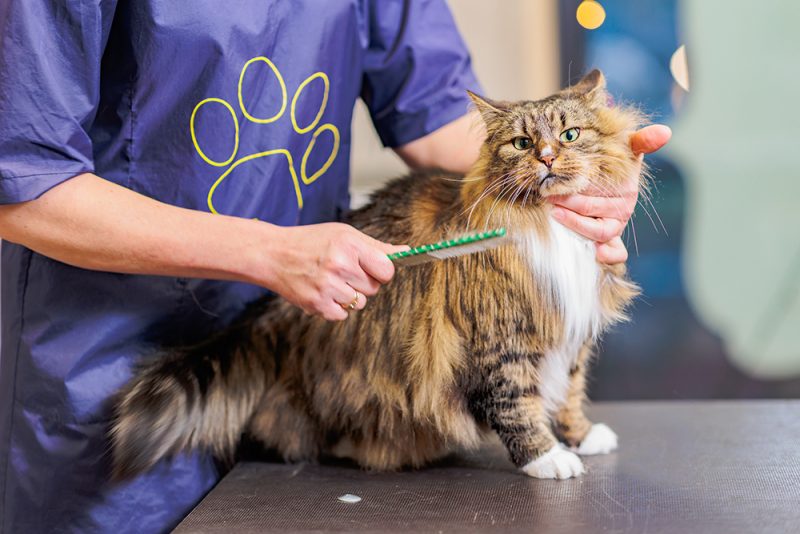
Professional groomers have experience with nervous cats. They use calm and gentle handling techniques. Groomers often create a quiet and safe environment. This helps cats feel less scared. Some groomers offer special services for anxious pets. They know how to keep cats calm without sedation. Visiting a groomer can reduce your cat’s stress during grooming.
Using Distraction And Positive Reinforcement
Distraction can shift your cat’s focus from grooming. Toys, treats, or gentle petting work well. Reward your cat with small treats for good behavior. This encourages calmness and cooperation. Praise your cat softly to build trust. Break grooming into short, manageable sessions. These steps help your cat feel safe and relaxed. Positive reinforcement makes grooming a positive experience.
Credit: www.catster.com
When To Consult Your Veterinarian
Knowing when to consult your veterinarian is crucial before sedating your cat for grooming. Sedation carries risks and requires professional guidance to keep your cat safe. Your vet can assess your cat’s health and suggest the best approach. Never give your cat any sedative without expert advice.
Signs Your Cat Needs Medical Attention
Watch for unusual behavior before grooming. Excessive drooling, vomiting, or weakness are warning signs. Difficulty breathing or rapid heartbeat also needs urgent care. If your cat is very anxious or aggressive, seek help. These signs show your cat may not handle sedation well.
Getting Professional Advice On Sedation
Veterinarians provide safe sedation options suited to your cat’s needs. They consider age, weight, and health conditions. Your vet may recommend special drugs or alternatives. Follow their instructions carefully to avoid side effects. Professional advice ensures grooming is stress-free and safe.
Frequently Asked Questions
What Medications Are Safe To Sedate Cats For Grooming?
Veterinarian-prescribed sedatives like gabapentin or trazodone are safe for cat grooming sedation. Always consult your vet before use.
Can Natural Remedies Help Calm My Cat During Grooming?
Yes, natural remedies like pheromone sprays and calming treats can reduce stress. They are gentle but less potent than medications.
How Long Does Cat Sedation Last For Grooming Sessions?
Sedation duration varies by medication but typically lasts 2 to 4 hours. Follow your vet’s guidance for timing and dosage.
Is Sedation Necessary For All Cats During Grooming?
Not all cats need sedation. Calm or accustomed cats usually groom well without it. Sedation is for anxious or aggressive cats.
Conclusion
Sedating a cat for grooming requires care and expert advice. Always ask your vet before giving any medicine. Natural calming methods can help reduce stress too. Never use human drugs on your cat. Safety comes first for your pet’s health.
Keep grooming a positive experience for your cat. This helps your cat stay calm and happy. Trust your vet to guide the best approach. Regular grooming keeps your cat clean and healthy.