
If your cat hates being brushed, you’re not alone—and it can make grooming feel like a real challenge. But keeping your furry friend clean and healthy doesn’t have to be a battle.
Imagine turning brushing time into a calm, even enjoyable moment for both of you. You’ll discover simple, effective ways to groom your cat without stress or struggle. Ready to learn how to make grooming easier and strengthen your bond at the same time?
Keep reading—your cat will thank you.

Credit: baileybrush.com
Why Cats Resist Brushing
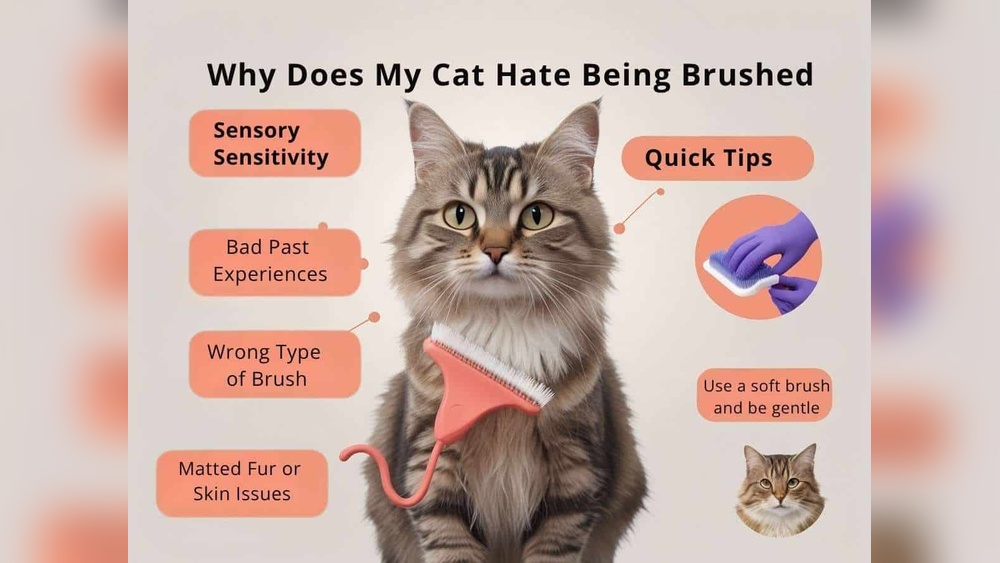
Many cats do not like being brushed. This can make grooming a challenge for cat owners. Understanding why cats resist brushing helps you care for them better. It also reduces stress for both of you.
Common Causes Of Dislike
Cats may dislike brushing for several reasons. Some have sensitive skin that feels uncomfortable. Others might have had a bad experience with grooming before. The brush type can also affect their mood. Hard bristles or pulling can cause pain. Some cats simply do not like being touched in certain areas. Fear of the unknown also plays a big role. A cat new to brushing might feel scared or confused.
Signs Of Stress During Grooming
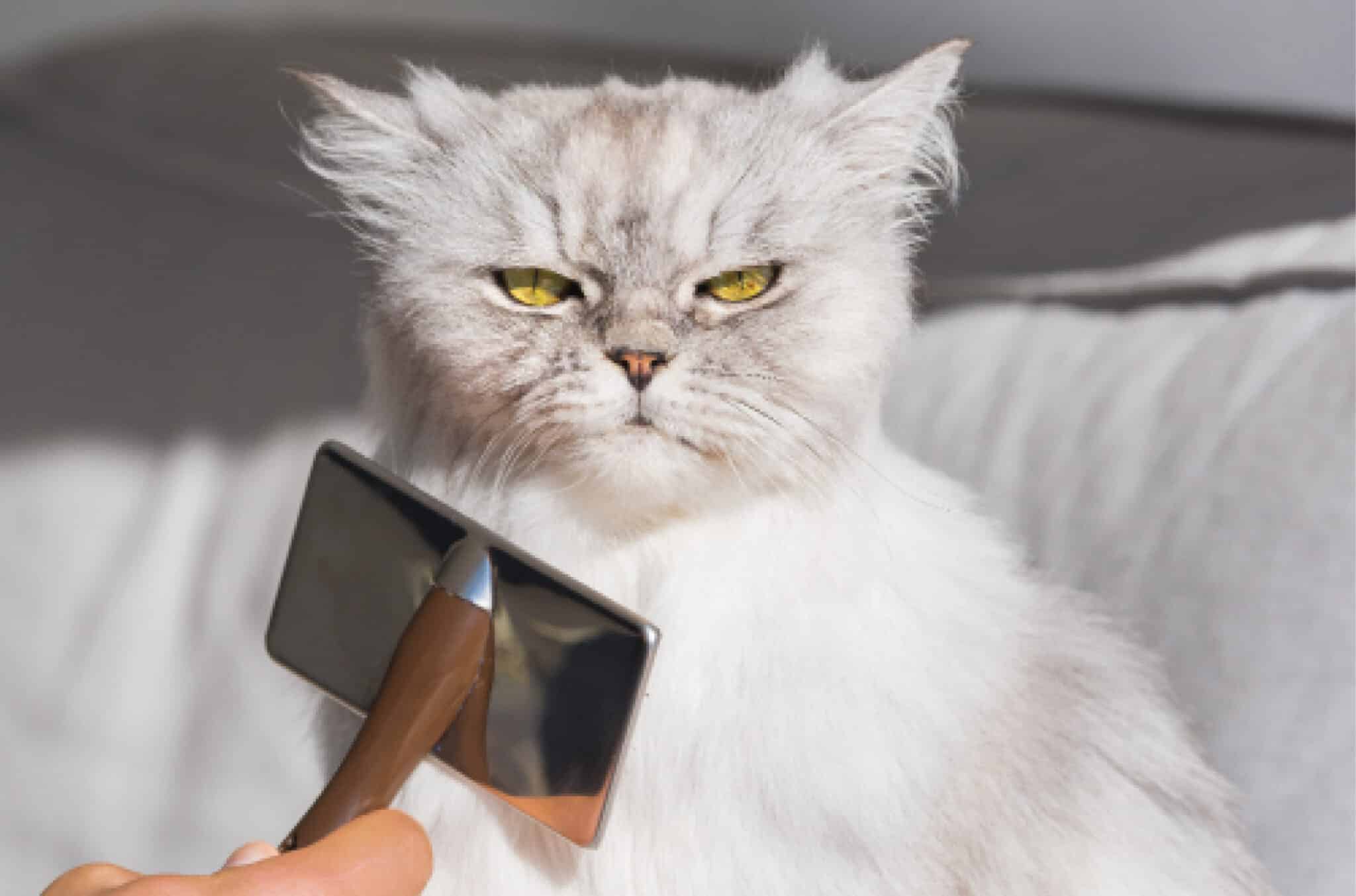
It is important to watch for signs of stress. Cats might hiss or growl when brushed. They could try to run away or hide. Tail flicking and ears flattening show discomfort. Some cats may freeze or stiffen their bodies. Heavy breathing or wide eyes are other clues. Recognizing these signs helps you stop before stress grows. It keeps grooming calm and safe for your cat.

Credit: meowyjanes.com
Preparing Your Cat For Grooming
Preparing your cat for grooming is key to a smooth experience. Cats that dislike brushing need gentle care. Starting calm helps your cat feel safe. Using the right tools makes grooming easier. Patience and kindness can change your cat’s view of grooming.
Creating A Calm Environment
Choose a quiet room with few distractions. Soft lighting helps your cat relax. Speak softly and move slowly around your cat. Play calming music if your cat likes it. Let your cat explore the grooming area first. Give gentle pets before you start brushing. Keep treats nearby for positive moments.
Choosing The Right Tools
Pick a brush made for your cat’s fur type. Soft bristles work well for sensitive skin. Use a small comb for knots or mats. Avoid noisy or heavy tools that scare your cat. Have everything ready before you start. Clean your tools regularly to keep them gentle. The right tools make grooming less stressful.
Techniques To Calm A Reluctant Cat
Grooming a cat that dislikes brushing can be challenging. Calm your cat first to make brushing easier. Use techniques that reduce stress and create trust. Patience and care are key. These steps help your cat feel safe and relaxed during grooming.
Using Gentle Touch And Slow Movements
Start with soft petting to soothe your cat. Use slow, smooth hand movements. Avoid sudden motions that might scare your cat. Let your cat smell and see the brush first. Gently stroke small areas before brushing fully. Keep your voice calm and quiet. This approach helps your cat get used to the process.
Incorporating Treats And Positive Reinforcement
Offer small treats during and after brushing. Reward good behavior to encourage calmness. Use treats your cat loves for best results. Praise your cat softly with each treat. This links brushing with positive feelings. Over time, your cat may start to enjoy grooming. Make grooming a time your cat looks forward to.
Credit: www.catster.com
Alternative Grooming Methods
Some cats do not like brushing. It can make them stressed or scared. Alternative grooming methods help keep your cat clean and comfortable. These ways are gentle and easy to do. They help remove loose fur and dirt without causing fear.
Using Grooming Gloves
Grooming gloves are soft and flexible. They feel like petting your cat. The gloves have small rubber tips that catch loose hair. Use slow, gentle strokes to avoid frightening your cat. Gloves also help remove dirt and dander from the coat. They are easy to clean after use.
Dry Bathing And Wipes
Dry bathing uses special powders or wipes made for cats. These remove dirt without water or soap. Wipes are safe and gentle on your cat’s skin. Gently rub the wipe over your cat’s fur. Dry bathing helps reduce odors and keeps your cat fresh. It works well for cats who dislike water or brushing.
Maintaining Regular Grooming Habits
Maintaining regular grooming habits helps keep your cat healthy and comfortable. Cats that dislike brushing need gentle care and patience. Consistent routines can reduce stress for both you and your cat. Regular grooming also prevents mats and hairballs, which cause discomfort. Small, frequent sessions work best to build trust over time.
Setting A Routine
Choose a quiet time each day for grooming. Short sessions, five to ten minutes, work well. Use the same spot so your cat feels safe. Start with gentle petting to relax your cat. Gradually introduce the brush, moving slowly. Keep calm and speak softly to reassure your cat. Consistency helps your cat get used to grooming.
Monitoring Your Cat’s Coat Health
Check your cat’s fur regularly for mats and dirt. Look for signs of irritation or hair loss. Healthy fur is shiny and smooth, not dull or patchy. Notice changes in your cat’s grooming habits. A sudden change may signal a health problem. Regular checks help catch issues early. Clean and trim fur around sensitive areas carefully.
When To Seek Professional Help
Sometimes, grooming a cat that hates being brushed is too hard to do alone. Cats can show strong stress or fear during brushing. At this point, professional help is the best option. Experts know how to calm cats and groom them safely. They also handle cases where brushing causes pain or injury.
Signs Of Severe Anxiety
Watch your cat’s body language closely. Extreme hiding or trembling shows high anxiety. Growling, hissing, or scratching during brushing is a warning. If your cat tries to escape all the time, anxiety is severe. These signs mean grooming is too stressful for your cat.
Finding A Cat Groomer Or Vet Assistance
Choose a groomer with experience in handling nervous cats. Ask your vet for recommendations. Professionals use gentle tools and techniques. They may use calming sprays or mild sedatives. Vets can also check for skin problems causing pain during brushing. Trust their help to keep your cat safe and calm.
Frequently Asked Questions
How Can I Groom A Cat That Hates Brushing?
Start slowly by introducing the brush gently. Use treats and praise to create positive associations. Brush in short sessions. Choose a soft brush suited for sensitive cats. Patience and consistency help reduce your cat’s anxiety over time.
What Tools Work Best For Cats That Resist Grooming?
Use a soft-bristled brush or grooming glove. These tools are gentle on sensitive skin. Avoid harsh brushes that cause discomfort. Grooming gloves also allow you to pet your cat while removing loose fur, making the process less stressful.
How Do I Calm My Cat Before Grooming?
Speak softly and pet your cat calmly. Create a quiet, comfortable environment free of distractions. Offer treats or play before grooming to relax your cat. A calm cat is more likely to accept brushing without resistance.
How Often Should I Groom A Cat That Dislikes Brushing?
Groom your cat 2-3 times weekly. Frequent short sessions are better than long, stressful ones. Regular grooming helps reduce matting and shedding. It also helps your cat slowly get used to the process.
Conclusion
Grooming a cat that dislikes brushing takes time and patience. Start slow and stay calm to build trust. Use gentle strokes and offer treats to make brushing pleasant. Watch your cat’s mood and stop if it gets too stressed. Regular grooming keeps your cat healthy and happy.
Small steps lead to big progress. Keep trying, and your cat will get used to it. Caring for your pet this way strengthens your bond every day.