
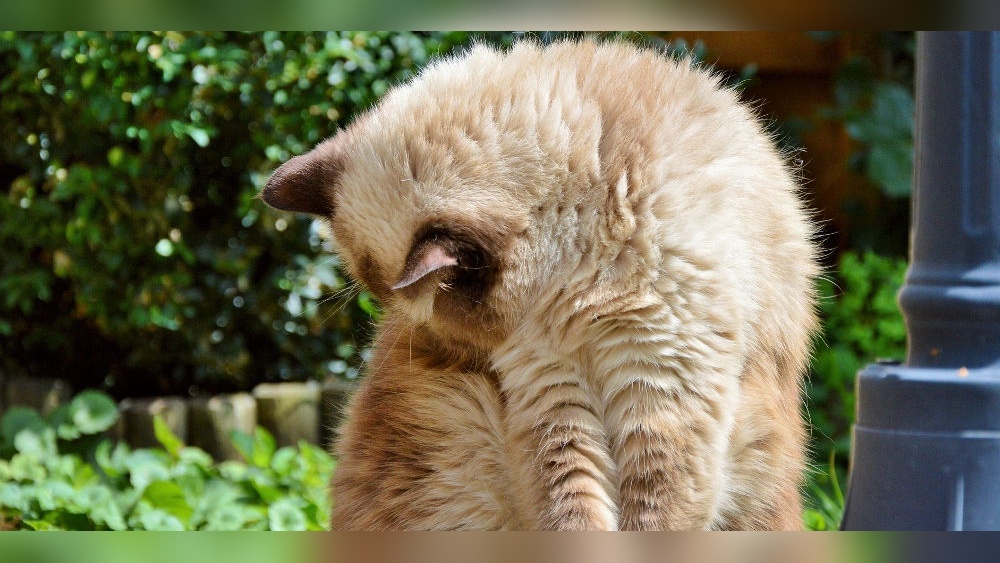
Have you noticed your cat’s fur looking dull or matted lately? It might be a sign that your furry friend is not grooming properly.
Grooming is a natural habit for cats, and when they stop, it could signal that something is wrong. If you’re wondering how to tell if your cat is not grooming, you’re in the right place. Understanding the signs can help you act quickly to keep your cat healthy and happy.
Keep reading to learn what to look for and what you can do to help your cat feel their best.
Changes In Coat Appearance
Changes in your cat’s coat can signal grooming problems. A healthy cat usually has smooth, shiny fur. Any shifts in texture or look might mean your cat is not grooming well. Watch closely for specific signs.
Mattes And Tangles
Mattes form when fur clumps together. They feel rough and tight on the skin. Tangles make the coat look messy. Cats that skip grooming often get these knots. These can cause pain and skin issues.
Dull Or Greasy Fur
A shiny coat shows good health. Dull fur looks lifeless and dry. Greasy fur feels oily and sticky. Lack of grooming stops natural oils from spreading. This change can invite dirt and infections.
Excessive Shedding
Shedding happens normally but too much is a concern. Patches of fur may fall out easily. This can mean poor grooming or health problems. Watch for bald spots or clumps of loose fur.

Credit: luckydawgsalongrooming.com
Behavioral Clues
Behavioral clues reveal if a cat is not grooming itself properly. Cats usually keep clean by licking their fur. Changes in behavior can signal grooming problems. Watch your cat closely for signs of distress or discomfort.
Reduced Self-grooming
Cats that stop grooming often have dirty or matted fur. Their coat may look greasy or dull. You might notice clumps of fur falling out. A clean cat usually grooms several times a day. A sudden drop in grooming is a clear warning sign.
Increased Scratching Or Biting
Cats that scratch or bite themselves a lot may have skin problems. This behavior can mean irritation or pain under the fur. Sometimes, it shows a deeper health issue. Watch for red or sore spots on the skin. Excessive scratching is a sign your cat needs help.
Lethargy Or Disinterest
A cat that feels tired or uninterested might stop grooming. Illness or stress can cause this change. Look for less movement and fewer playful actions. A lazy cat could be struggling with pain. Lethargy often goes hand in hand with poor grooming habits.
Physical Health Indicators
Physical health indicators reveal much about your cat’s grooming habits. Cats that do not groom often show signs on their skin, fur, and body. These signs help you spot problems early. Watch your cat closely for changes in appearance and smell. These clues often mean your cat needs help or a vet visit.
Skin Irritations Or Redness
Check your cat’s skin for redness or bumps. Irritated skin can mean your cat is not cleaning well. Dirt and oils build up, causing itchiness. Scratching or licking more than usual may follow. These signs often show discomfort and poor grooming habits.
Unusual Odors
A strong or bad smell from your cat is a warning. Healthy cats usually smell clean. A foul odor means dirt or infection on the fur. It can also suggest your cat is not grooming enough. Smell your cat’s fur regularly to catch any changes early.
Weight Fluctuations
Changes in weight can link to grooming problems. A cat that loses weight may feel weak or sick. Weakness makes grooming hard or painful. Overweight cats might struggle to reach all body parts. Weight changes often affect how well cats groom themselves.
Common Causes Of Poor Grooming
Poor grooming in cats can signal health or emotional problems. Cats usually keep themselves clean. Changes in grooming habits often point to underlying issues. Understanding common causes helps to identify the problem early. This way, you can get your cat the right care.
Dental Problems
Dental pain makes grooming uncomfortable for cats. Sore gums or broken teeth can stop them from licking. Bad breath or drooling might also be signs. Look for changes in eating habits or pawing at the mouth. These signs suggest dental problems affecting grooming.
Arthritis Or Mobility Issues
Older cats often suffer from arthritis. Joint pain limits their ability to reach certain spots. Cats with stiff or swollen joints may groom less. Watch for limping or difficulty jumping. Mobility problems make grooming painful and hard.
Stress And Anxiety
Stress can cause cats to stop grooming. Changes in environment, new pets, or loud noises may trigger anxiety. Cats may hide or act restless. Stress reduces their interest in self-care. A calm, safe space helps stressed cats feel better.
Underlying Illnesses
Some illnesses reduce a cat’s grooming habits. Conditions like kidney disease, diabetes, or infections can cause fatigue. Sick cats may lose interest in cleaning themselves. Look for other signs like weight loss or lethargy. Medical checkups can reveal hidden health problems.
When To Seek Veterinary Help
Knowing when to seek veterinary help for a cat that is not grooming is important. Grooming is a natural behavior for cats. It keeps their coat clean and skin healthy. A sudden stop or change in grooming may signal health issues. Early veterinary care can prevent serious problems.
Persistent Grooming Problems
If your cat stops grooming for several days, watch closely. Persistent grooming problems may mean illness or stress. A vet can check for skin infections, parasites, or other health issues. Do not wait too long to get help.
Signs Of Pain Or Discomfort
Cats may stop grooming if they feel pain. Look for limping, hiding, or unusual vocal sounds. Pain can come from arthritis, injury, or dental issues. A vet can identify the cause and provide relief.
Changes In Eating Or Drinking Habits
Changes in eating or drinking often accompany grooming problems. A cat that eats less or drinks more needs a vet’s attention. These signs may show underlying health problems like kidney disease or diabetes. Early diagnosis improves treatment success.

Credit: catspajamasgrooming.ca
Supporting Your Cat’s Grooming
Supporting your cat’s grooming is important for their health and happiness. Cats usually keep themselves clean. Sometimes, they need a little help. You can make grooming easier and more pleasant for your pet.
Helping your cat with grooming also strengthens your bond. It shows care and keeps their coat shiny and healthy. Simple steps can make a big difference.
Regular Brushing Techniques
Brush your cat often to remove loose hair and dirt. Use a brush made for cats with soft bristles. Start gently, especially if your cat is new to brushing.
Brush in the direction of the fur. Short sessions work best to avoid stress. Focus on areas where mats can form, like behind ears and under the legs.
Creating A Comfortable Environment
Choose a quiet and calm place for grooming. Let your cat get used to the brush before you start. Speak softly and offer treats to create positive feelings.
Keep the room warm and free from distractions. A relaxed cat grooms better and enjoys the process more.
Diet And Hydration Tips
A healthy diet helps your cat’s skin and fur stay strong. Provide food with good protein and essential fatty acids. These nutrients support a glossy coat.
Fresh water is key for skin health. Change water daily and encourage your cat to drink often. Hydrated skin reduces itching and dryness, helping grooming naturally.

Credit: www.reddit.com
Frequently Asked Questions
How Do I Know If My Cat Is Not Grooming?
Look for matted fur, greasy coat, or bald patches. Notice if your cat’s fur smells bad or feels sticky. A sudden change in grooming habits often signals health issues or stress.
Why Does My Cat Stop Grooming Suddenly?
Cats may stop grooming due to pain, illness, or stress. Dental problems, arthritis, or skin infections can cause discomfort. Emotional stress or anxiety also affects their grooming routine.
Can Lack Of Grooming Harm My Cat’s Health?
Yes, poor grooming can lead to skin infections, mats, and parasites. It affects their overall hygiene and comfort. Regular grooming is essential for a cat’s health and well-being.
When Should I See A Vet About Grooming Problems?
Visit the vet if your cat stops grooming for more than a few days. Also, seek help if you notice wounds, hair loss, or behavioral changes. Early diagnosis improves treatment success.
Conclusion
Cats stop grooming for many reasons. You might see dirty fur or bald spots. These signs mean your cat needs help. Act fast to keep your cat healthy. Visit a vet to find the cause. Helping your cat feel better is important.
Watch your pet closely every day. Healthy grooming shows a happy cat. Don’t ignore changes in your cat’s habits. Taking care early prevents bigger problems.