
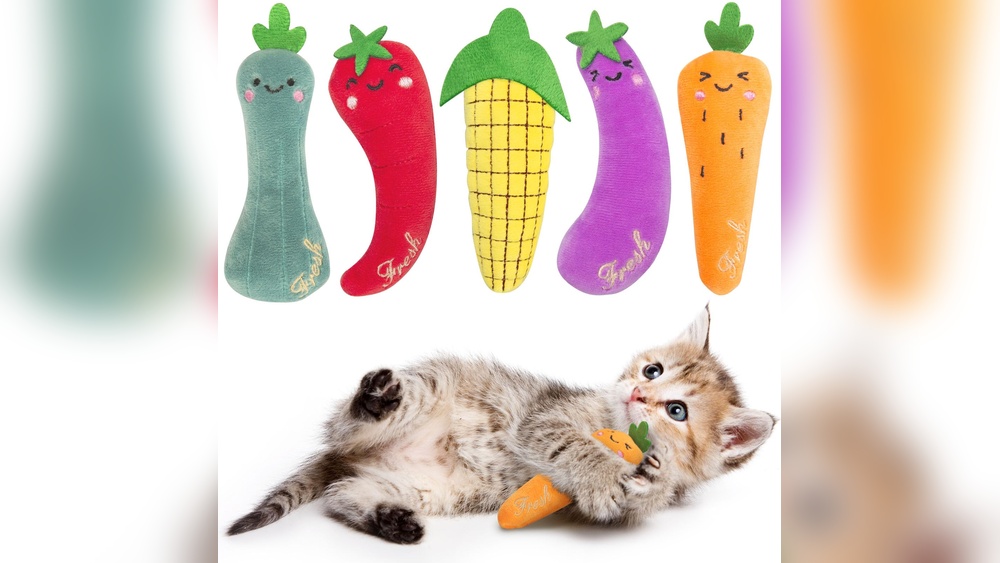
If you have a baby and a cat, you might wonder: will it hurt your baby to play with catnip toys? You want to keep your little one safe, but you also want them to enjoy time with your furry friend.
This question is more common than you think, and the answer might surprise you. Keep reading to learn what you need to know to protect your baby while letting both of them have fun together.

Credit: www.amazon.com
Cat Nip Toys And Babies
Babies and cat nip toys can be an interesting mix. Both are curious about the world around them. Parents often wonder if it is safe for babies to touch or play with these toys. Understanding cat nip and its effects helps parents make smart choices.
Cat nip toys are fun for cats but may raise questions for parents. This section explains what cat nip is and why cats love it. It also looks at why babies might show interest in these toys.
What Is Cat Nip?
Cat nip is a plant called Nepeta cataria. It has a strong smell that cats enjoy. The plant contains a natural oil called nepetalactone. This oil affects cats’ brains and makes them playful or calm. Cat nip is safe for cats but can cause a strong reaction.
Why Cats Love Cat Nip
Cats react to cat nip by sniffing, licking, or rubbing it. The smell triggers happy feelings. It can make cats jump, roll, or purr. Cat nip toys are made to keep cats active and entertained. Not all cats react to cat nip. About half of cats feel its effects.
Baby Curiosity About Cat Nip Toys
Babies explore by touching and putting things in their mouth. Cat nip toys can attract babies because of their texture and smell. Babies do not feel the effects of cat nip like cats do. The main concern is the small parts in toys, which can be a choking hazard. Parents should watch babies closely around these toys.
Potential Risks For Babies
Babies are curious and love to explore new things. Cat nip toys might seem harmless but they can pose risks. Understanding these risks helps keep babies safe.
Some dangers come from the plant itself or the toy parts. Parents must watch closely if babies play with cat nip toys.
Allergic Reactions
Cat nip can cause allergic reactions in some babies. Skin rashes or redness may appear after contact. Sneezing and watery eyes are common signs. Babies may also cough or have difficulty breathing. Stop use immediately if allergies appear.
Choking Hazards
Small pieces from cat nip toys can break off easily. Babies often put things in their mouths. Loose parts can block airways and cause choking. Toys should be sturdy and large enough to avoid this risk. Always supervise babies during playtime.
Toxicity Concerns
Cat nip contains natural chemicals that might upset a baby’s stomach. Swallowing too much can cause vomiting or diarrhea. Some babies may be more sensitive to these effects. Keep cat nip toys out of reach when not in use. Consult a doctor if you suspect poisoning.
Safe Play Guidelines
Playing with cat nip toys can be fun for babies and pets. Safety is very important during playtime. Follow these guidelines to keep your baby safe and happy while they enjoy cat nip toys.
Supervised Interaction
Always watch your baby when they play with cat nip toys. Babies can put toys in their mouths. This may cause choking or allergies. Stay close and stop play if your baby shows discomfort.
Choosing Age-appropriate Toys
Pick toys that fit your baby’s age and ability. Soft, small toys without small parts work best. Avoid toys with sharp edges or loose pieces. This lowers the risk of accidents and injury.
Keeping Cat Nip Toys Clean
Clean toys often to remove dirt and germs. Use mild soap and warm water. Let toys dry completely before giving them back. Clean toys help prevent infections and keep play safe.
Credit: www.blueq.com
Alternatives To Cat Nip Toys
Exploring alternatives to catnip toys is important for baby safety. Catnip can cause mild reactions in some children and pets. Choosing safe play items ensures fun without any risk. Many options stimulate senses and encourage play.
Baby-safe Sensory Toys
These toys help babies learn through touch, sight, and sound. Soft fabrics and bright colors attract their attention. Toys with different textures improve fine motor skills. Rattles and squeezable items encourage interaction. All are made with non-toxic materials for safety.
Non-toxic Natural Play Items
Natural items like wooden blocks or cotton balls are safe to explore. They avoid harmful chemicals found in some plastic toys. These materials feel good and are gentle on baby skin. Parents can offer leaves or smooth stones from outside, cleaned well before use. Such items promote curiosity and discovery without danger.
When To Consult A Pediatrician
Knowing when to seek medical advice is important if your baby plays with catnip toys. Some babies may have mild reactions, while others might face more serious issues. Watching closely for any unusual signs helps keep your baby safe. Quick action can prevent problems from getting worse.
Signs Of Allergies Or Reactions
Look for redness, swelling, or rash on your baby’s skin. Sneezing, coughing, or watery eyes may also appear. Notice if your baby seems fussy or has trouble breathing. These signs could mean an allergy to catnip or the toy material. Keep track of any changes after playtime.
Handling Unexpected Incidents
Stay calm if your baby swallows a part of the toy or catnip. Remove the toy immediately and check your baby’s mouth. Watch for choking or unusual behavior. Call a pediatrician right away if your baby shows distress. Have emergency numbers ready to act fast.
Credit: www.blueq.com
Frequently Asked Questions
Can Catnip Toys Harm Babies If They Play With Them?
Catnip toys are generally safe but not designed for babies. Babies might chew or swallow small parts, causing choking risks. Always supervise playtime and keep catnip toys out of reach of infants to avoid any accidental ingestion or injury.
Is Catnip Toxic To Babies Or Toddlers?
Catnip is not toxic to humans, including babies. However, babies’ immune systems are sensitive, and exposure to catnip could cause mild allergic reactions. It’s best to prevent babies from handling catnip toys to ensure their safety and avoid any potential irritation.
What Are The Risks Of Babies Playing With Catnip Toys?
Main risks include choking on small parts and allergic reactions. Babies can accidentally ingest catnip or toy materials, leading to stomach upset. Supervision is essential, and it’s safer to provide age-appropriate toys designed specifically for infants.
How To Keep Babies Safe Around Cats And Catnip Toys?
Keep catnip toys and cats separate from babies. Ensure babies do not put toys or catnip in their mouths. Regularly clean toys and monitor interactions to prevent any accidental harm or allergic reactions.
Conclusion
Babies playing with catnip toys usually do not face harm. Catnip affects cats, not humans or babies. Still, watch your baby closely during playtime. Avoid letting babies put toys fully in their mouths. Keep small parts away to prevent choking risks.
Clean toys often to keep germs away. Playtime should always be safe and fun. Trust your instincts and care for your baby well. Safe play helps babies grow and learn happily.