
Have you ever noticed your cat ignoring the toys you buy, no matter how colorful or noisy they are? It can be confusing and even a little frustrating when your furry friend seems uninterested in the things meant to keep them entertained.
You might wonder, “Why don’t cats use toys like dogs do? ” Understanding this can help you connect better with your pet and find new ways to keep them happy and active. Keep reading to discover surprising reasons behind your cat’s toy aversion and how you can turn playtime into something your cat truly enjoys.
Cat Play Behavior
Cats have unique ways of playing. Their play behavior shows their natural instincts. Understanding why some cats ignore toys helps us learn more about them.
Instincts Over Toys
Cats follow strong hunting instincts. They prefer actions that mimic real hunting. Toys often lack the movement and unpredictability of prey. Cats may lose interest quickly if toys seem too simple. Their instincts make them seek more natural play.
Preference For Real Prey
Cats like to chase real animals. Small insects, birds, or rodents catch their attention more. These prey move in ways toys cannot copy. The smell and sound of real prey attract cats. This preference makes toys less exciting.
Age And Playfulness
Kittens are very playful and curious. They enjoy many different toys at first. As cats grow older, their energy can decrease. Adult cats may play less and prefer quiet time. Age changes how much a cat wants to use toys.

Credit: www.amazon.com
Types Of Toys Cats Avoid
Cats have different tastes in toys. Some toys catch their attention. Others do not. Understanding the types of toys cats avoid helps you choose better ones. This knowledge keeps your cat happy and engaged.
Many cats turn away from certain toys. These toys often share common problems. Knowing these issues can improve your cat’s playtime.
Unappealing Textures
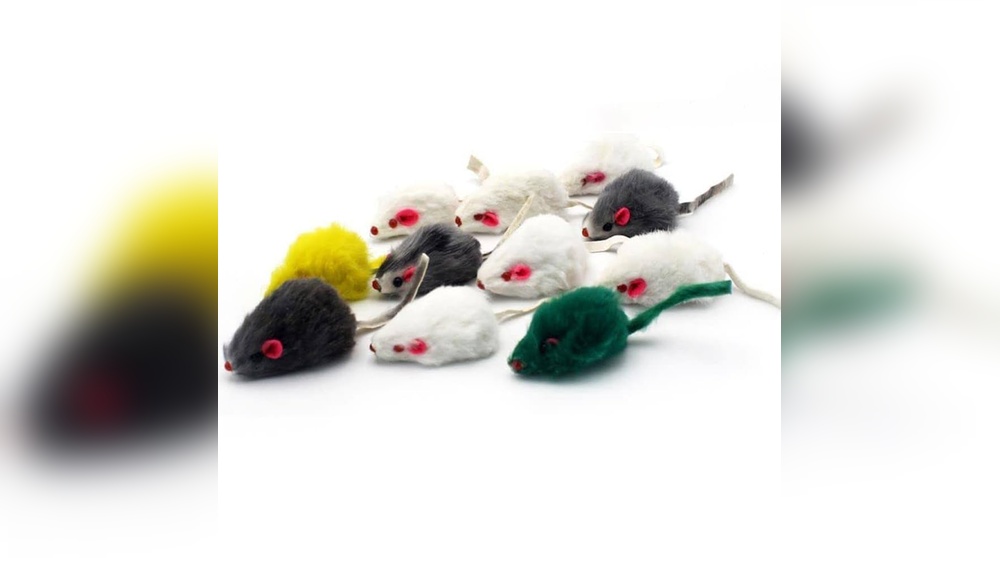
Cats dislike some textures. Rough or sticky surfaces can be off-putting. Toys that feel too hard or soft may also be ignored. Cats prefer toys that feel natural to their paws and mouths. Soft fabrics like faux fur or smooth plastic often attract them more.
Lack Of Movement
Still toys rarely attract cats. They respond more to motion. Toys that do not move or wiggle can seem boring. Cats enjoy toys that mimic prey movement. A toy that stays still does not stimulate their hunting instincts.
Overstimulation
Too much action can scare cats. Bright flashing lights or loud noises may overwhelm them. Fast or constant movements can cause stress. Cats prefer gentle, natural play. Overstimulating toys might cause them to avoid playtime.
Environmental Factors
Cats often ignore toys due to their environment. Their surroundings affect their interest and behavior. Understanding these factors helps explain why some cats avoid toys. Environment shapes how cats play or avoid play.
Space And Safety
Cats need enough room to feel safe while playing. Small or crowded spaces make cats nervous. They may not want to chase or pounce on toys. A quiet, calm area invites cats to explore toys. Safety matters more than the toy itself.
Previous Experiences
Cats remember past playtime events. Bad experiences with toys can cause fear or disinterest. Rough handling or scary noises stop cats from playing. Gentle and positive play encourages future interest. Past memories shape how cats react to toys.
Owner Interaction
Cats often play more with owners nearby. Interaction builds trust and excitement for toys. Watching and joining in play helps cats learn. Lack of owner involvement can make toys boring. Cats enjoy shared moments during playtime.

Credit: firehousepetshop.com
Health And Wellbeing
Cats need good health and wellbeing to enjoy life fully. Toys can help with this, but sometimes cats avoid them. Understanding why helps keep cats happy and healthy.
Physical Limitations
Some cats have health problems that limit their movement. Older cats may have arthritis or weak muscles. These issues make chasing toys hard and painful. Cats with injuries or disabilities also avoid active play. Their body may not support jumping or running. Toys that require less movement suit these cats better.
Stress And Anxiety
Stress affects cats deeply. Loud noises, changes in environment, or new people cause anxiety. Stressed cats often hide and avoid toys. They may not feel safe enough to play. Calm and quiet spaces help reduce stress. A relaxed cat is more likely to use toys again.
Boredom And Mental Stimulation
Cats need mental challenges to stay sharp. Toys that are too simple fail to keep their interest. Bored cats may ignore toys completely. Puzzle toys and interactive play can help. These stimulate their minds and encourage activity. Mental exercise is as important as physical play.
Encouraging Toy Use
Encouraging cats to use toys can be challenging. Many cats ignore toys because they do not find them interesting. Changing this habit takes patience and the right approach. Understanding what attracts your cat helps make playtime fun and engaging.
Choosing The Right Toys
Select toys that mimic prey movements. Cats like toys that move like birds or mice. Soft toys, feather wands, and balls can work well. Avoid toys that are too big or hard. Small, lightweight toys encourage chasing and pouncing.
Interactive Play Techniques
Join your cat in play to boost interest. Move toys slowly to catch their attention. Let your cat catch the toy sometimes to keep them motivated. Use different speeds and directions to simulate hunting. Short play sessions often work better than long ones.
Creating A Stimulating Environment
Place toys where your cat spends time. Rotate toys regularly to keep them new. Add climbing spots and hiding places nearby. A lively environment invites your cat to explore. Fresh scents on toys can also spark curiosity.

Credit: www.ebay.com
Frequently Asked Questions
Why Don’t Some Cats Play With Toys?
Some cats prefer real prey-like activities over toys. They may find toys uninteresting or lack motivation. Individual personality and past experiences affect toy play behavior.
Can Boredom Cause Cats To Ignore Toys?
Yes, bored cats might lose interest in toys. Without variety or interaction, toys become less appealing. Regularly changing toys can keep cats engaged and active.
Do Cats Prefer Natural Play Over Artificial Toys?
Many cats favor natural textures and movements resembling prey. Artificial toys may lack scent or unpredictable actions. Offering interactive play mimics hunting, increasing toy appeal.
How Does A Cat’s Age Affect Toy Use?
Kittens and young cats usually enjoy toys more. Older cats might play less due to health or energy. Adjusting toy type and playtime suits different ages.
Conclusion
Cats often ignore toys because they prefer real hunting. They like moving objects that mimic prey. Toys without natural scents or sounds may bore them. Each cat has its own play style and needs. Understanding their behavior helps choose better toys.
Patience and observation can improve playtime fun. Remember, not all cats will enjoy toys. Keep trying different kinds to find what works. Play is important for a cat’s health and happiness. Give your cat time to explore and enjoy.