
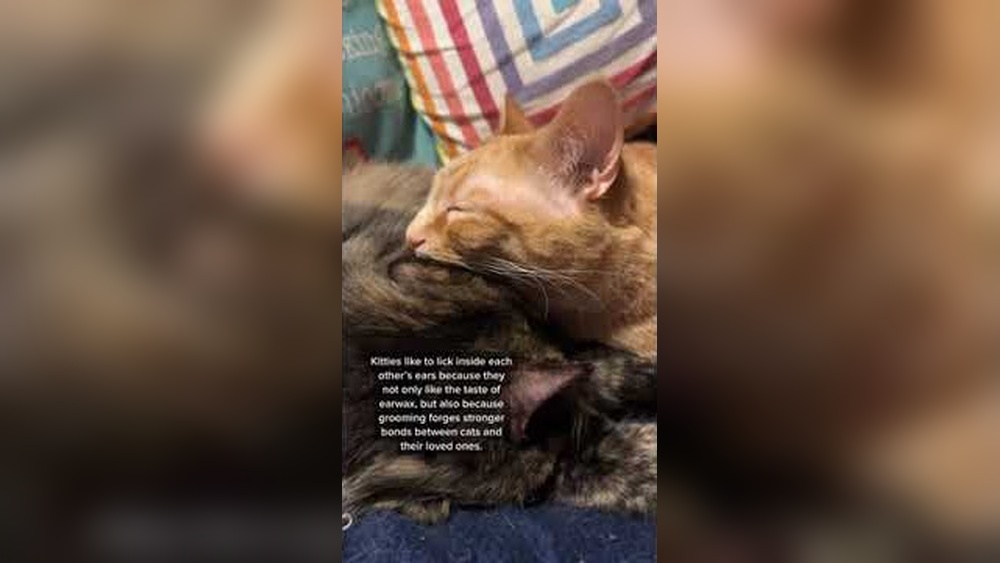
Have you ever watched cats carefully cleaning each other’s ears and wondered why they do it? It might seem like a simple act, but there’s more to this behavior than just keeping clean.
When your cats groom each other’s ears, they are actually building trust, showing affection, and even helping with their health. Understanding this fascinating behavior can help you connect better with your furry friends and keep them happy. Keep reading to discover the surprising reasons behind why cats groom each other’s ears—and what it means for your pets.
Social Bonding Through Ear Grooming
Cats often groom each other’s ears as a way to connect. This behavior goes beyond cleaning. It helps cats build and keep strong social bonds. Ear grooming plays a special role in their friendships and group harmony.
By grooming ears, cats show care and attention. It creates a sense of safety and comfort between them. This action helps cats feel close and secure with one another.
Strengthening Cat Relationships
Ear grooming helps cats form strong ties. It shows they trust each other. This act often happens between cats that get along well. Grooming each other’s ears keeps their bond healthy and steady.
The more cats groom each other, the closer they become. It helps reduce stress and tension. This mutual care builds a peaceful group environment. Cats in friendly groups tend to groom ears often.
Trust And Affection Signals
When cats groom ears, they send clear signals of trust. Ears are sensitive, so allowing another cat to touch them means confidence. It is a sign of deep affection and friendship.
This behavior shows cats feel safe with each other. Grooming ears is a gentle way to express love. It helps maintain harmony in their social circle and strengthens feelings of belonging.

Credit: outwardhound.com
Hygiene And Health Benefits
Cats grooming each other’s ears is more than a sign of friendship. It plays a key role in their hygiene and health. Cleaning the ears helps keep the area free from dirt and pests. This simple act supports their overall well-being and comfort.
Regular grooming between cats prevents many ear problems. It keeps infections away and helps them stay healthy. This natural behavior is important for cats living together.
Removing Dirt And Parasites
Cat ears can collect dust and debris easily. Grooming helps remove these unwanted particles. It stops dirt from building up inside the ear canal. This cleaning also removes tiny parasites like ear mites. These pests cause itching and discomfort if left unchecked. Cats grooming each other’s ears reduce the risk of parasites spreading.
Preventing Ear Infections
Dirty ears can lead to infections. Grooming keeps the ears dry and clean. This lowers the chance of bacteria or yeast growing inside. Grooming also helps spot early signs of infection. Cats might lick or scratch more if their ears hurt. By grooming, cats protect each other from painful infections.
Stress Relief And Comfort
Cats grooming each other’s ears is more than a cleaning habit. It helps them feel calm and safe. This behavior plays a big role in reducing stress and bringing comfort. Cats often use grooming to connect and relax together. It is a sign of trust and friendship.
Calming Effects Of Grooming
Grooming releases feel-good chemicals in a cat’s brain. These chemicals help lower stress and calm nerves. When cats groom each other, they share this relaxing feeling. It soothes their minds and bodies. This calmness helps cats stay peaceful in their environment. Grooming also slows down their breathing and heart rate. It creates a quiet moment that comforts both cats.
Reducing Anxiety Among Cats
Cats use grooming to ease worry and fear. Stress can come from loud noises or new places. Grooming each other’s ears can reduce this anxiety fast. It gives cats a sense of safety and care. They feel less alone and more secure. This action builds strong bonds that lower tension. Cats who groom often show less nervous behavior. It is a natural way to help them feel better.

Credit: hiccpet.com
Hierarchy And Dominance
Cats use grooming to show their place in the group. This behavior helps them keep peace and order. Grooming each other’s ears is more than just cleaning. It is a way to show who is in charge.
Establishing Social Order
In a cat group, some cats lead and others follow. Grooming helps set this order clearly. Cats groom ears of those they respect or want to calm. The act says, “I accept you,” or “I am your friend.” It stops fights and makes living together easier.
Grooming As A Status Symbol
Dominant cats often groom others more than they get groomed. This shows power and control without fighting. Being groomed by a higher cat means trust and peace. Cats use ear grooming to share their rank quietly. It helps keep the group stable and safe.
Instinctual And Evolutionary Roots
Cats grooming each other’s ears is more than just a cute habit. It has deep roots in their instincts and evolution. This behavior helps cats form bonds and stay healthy. Understanding why cats groom each other starts with their natural history and survival needs.
Ancestral Grooming Behaviors
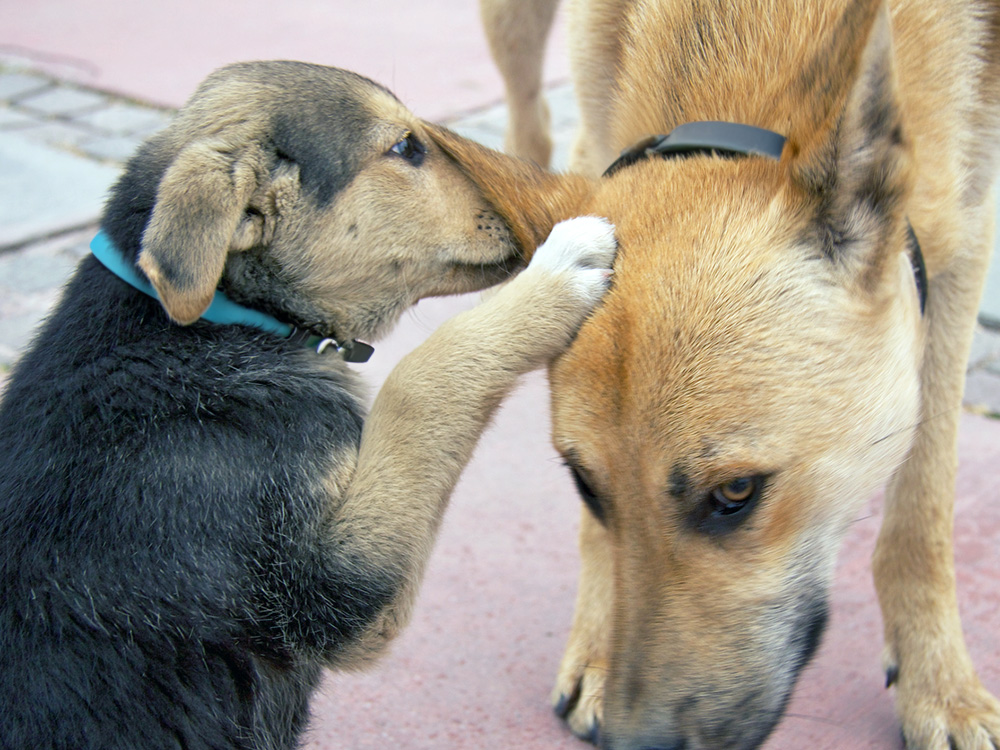
Wild cats groom each other to keep clean and strong. This habit came from their ancestors. Grooming helps remove dirt, parasites, and dead skin. Cats cannot reach all parts of their body alone. Ears are hard to clean by themselves. So, they rely on friends to help. This teamwork shows trust and friendship.
Survival Advantages
Grooming ears helps cats stay free from bugs and infections. Parasites in ears cause pain and illness. Removing them keeps cats healthy and alert. Healthy cats hunt better and avoid danger. Grooming also reduces stress and fights loneliness. This behavior improves their chances of survival in the wild. It builds strong social bonds that protect the group.
Credit: www.kinship.com
When Grooming Becomes Excessive
Cats grooming each other’s ears is a sign of trust and bonding. It usually helps keep their ears clean and free from dirt. But sometimes, this grooming can become too much. Excessive grooming may cause irritation or injury. It might mean something is wrong with the cat or their environment. Understanding when grooming is too much helps protect your cat’s health and comfort.
Signs Of Overgrooming
Look for redness or swelling around the ears. Hair loss or bald patches are common signs. Scratches or scabs may also appear. Your cat might seem restless or irritated. They may try to hide or avoid other cats. Overgrooming can cause pain or discomfort. Watch for changes in behavior or appetite. These signs show grooming is no longer healthy.
When To Seek Veterinary Help
Visit a vet if you notice wounds or infection. A vet can check for mites or allergies. They may recommend treatment to stop itching. Early care prevents serious ear problems. Don’t wait if your cat seems in pain. A vet visit ensures your cat stays happy and healthy.
Frequently Asked Questions
Why Do Cats Groom Each Other’s Ears?
Cats groom each other’s ears to strengthen social bonds. This behavior helps build trust and reduce tension within their group. It also keeps their ears clean and free from dirt or parasites. Grooming is a sign of affection and mutual care among cats.
Is Ear Grooming A Sign Of Cat Friendship?
Yes, ear grooming signifies friendship and trust between cats. It shows they feel safe and comfortable with each other. This behavior helps maintain social harmony and emotional connection in multi-cat households or colonies.
Can Cats Groom Ears To Remove Parasites?
Yes, cats groom ears to remove dirt and parasites. Licking helps clean hard-to-reach areas and prevent infections. This mutual grooming is beneficial for maintaining ear health and hygiene.
How Often Do Cats Groom Each Other’s Ears?
Cats groom ears based on their social relationship and comfort. It can happen several times daily or less frequently. Regular grooming reinforces bonds and helps maintain cleanliness in shared living spaces.
Conclusion
Cats grooming each other’s ears show trust and friendship. This behavior helps keep their ears clean and healthy. It also strengthens their bond and reduces stress. Watching cats groom can teach us about their social lives. Next time you see this, remember it means they care.
Understanding this helps us appreciate cats more. Simple acts, big meaning.