
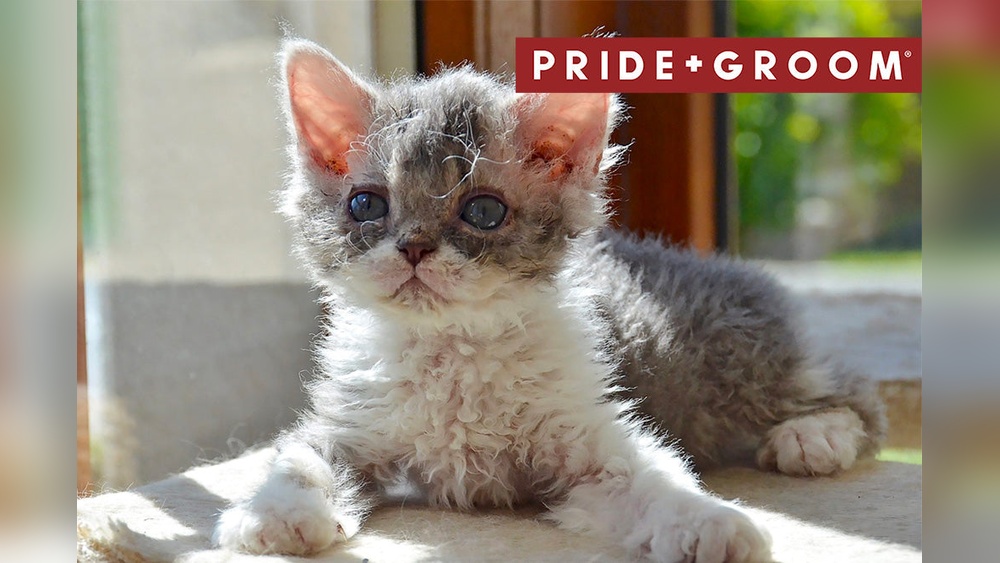
Have you ever noticed your cat’s fur looking curly or wavy and wondered if it’s because you haven’t groomed them well enough? You might worry that those curls mean your cat isn’t clean or healthy.
But is curly cat fur really a sign of poor grooming, or is there something else going on? Understanding the truth behind your cat’s unique coat can help you care for them better and keep them comfortable. Keep reading to discover what causes curly fur and how you can make sure your feline friend stays happy and healthy.

Credit: pro.prideandgroom.com
Curly Fur Traits In Cats
Cats with curly fur catch many eyes. Their fur looks soft and unusual. This curly coat is not a sign of poor grooming. It is a unique trait found in certain cats. Understanding these traits helps to clear common myths.
Curly fur feels different from regular cat fur. It may curl tightly or have loose waves. The texture varies by breed and genetics. Some cats need special care for their curly coats.
Common Curly Cat Breeds
Several cat breeds naturally have curly fur. The Cornish Rex has soft, tight curls all over. The Devon Rex shows waves and short curls. The Selkirk Rex sports thick, loose curls. Each breed has a distinct curl pattern and coat feel.
These cats are not unhealthy. Their curls come from natural breed traits. Owners should groom them with care to keep curls neat.
Genetic Factors Behind Curly Fur
Curly fur happens due to specific genes. These genes change hair shape and growth. A mutation in the hair follicle gene creates curls. Different genes cause different curl styles in cats.
Curly fur genes are inherited from parent cats. This means not all cats in a litter will have curls. The gene’s effect depends on its strength and combination.
Grooming Habits And Fur Texture
Grooming habits greatly affect a cat’s fur texture. Cats clean themselves by licking their fur. This keeps their coat smooth and healthy. Sometimes, fur looks curly or rough. This change does not always mean poor grooming. Various factors influence how a cat’s fur feels and looks.
Normal Grooming Behavior In Cats
Cats spend many hours grooming each day. They use their tongue to remove dirt and loose hair. Grooming also helps spread natural oils on the fur. These oils keep the coat shiny and soft. Cats may stop grooming if they feel sick or stressed. Older cats might groom less because of pain or stiffness.
Impact Of Grooming On Fur Appearance
Good grooming usually results in smooth and clean fur. Neglect or illness can cause fur to become tangled or matted. Curly fur can sometimes be a natural trait, not a grooming issue. Lack of grooming may cause fur to look dull or uneven. Regular brushing helps prevent knots and keeps fur healthy. Grooming also removes dead hair, reducing shedding.
Myths About Poor Grooming
Many people believe curly cat fur means poor grooming. This idea is common but not true. Curly fur can look different from regular cat fur. It does not mean the cat is dirty or neglected. Understanding the myths helps us care better for curly cats.
Curly fur is natural for some cat breeds. It is important to separate facts from false ideas. Let’s explore where this myth began and why it is wrong.
Origins Of The Curly Fur Misconception
People often link messy or curly fur to neglect. This thought comes from seeing unkempt pets. Curly fur can appear wild or tangled. Some assume this means the owner does not groom well. This assumption is not based on facts.
The myth grew because curly fur looks different. It is less smooth and shiny than straight fur. Some cats with curly fur are rare or unusual. This makes people think their fur is abnormal or unhealthy.
Why Curly Fur Is Not A Sign Of Neglect
Curly fur is a natural trait for certain cats. Breeds like the Selkirk Rex have soft, curly coats. Their fur is healthy and needs regular care. Curly fur just grows differently, not worse.
Good grooming helps curly cats stay clean and healthy. Regular brushing prevents mats and tangles. Curly fur can trap dirt more easily than straight fur. This means grooming is often more important, not less.
Neglect shows in other ways, such as skin problems or bad smell. Curly fur alone never proves poor grooming. Understanding this helps owners care for their cats correctly.

Credit: www.petscare.com
Health And Care For Curly-furred Cats
Curly-furred cats have unique health and care needs. Their unusual coat can confuse many pet owners. Some may think poor grooming causes the curliness. This is not true. The curl comes from genetics, not neglect.
Proper care helps keep these cats happy and healthy. Their curly fur requires special attention. The coat can trap dirt and oils more easily. Regular grooming supports skin health and comfort.
Special Grooming Needs
Curly fur is delicate and prone to tangles. Use a gentle brush or comb to avoid pulling. Brushing once or twice a week is usually enough. Avoid over-brushing, which can damage the coat. Bathing may be needed more often than with straight-haired cats. Use mild cat shampoo to protect natural oils. Check ears and eyes during grooming. Curly cats sometimes have more wax build-up.
Maintaining Coat Health
Nutrition impacts coat shine and softness. Feed a balanced diet with essential fatty acids. These nutrients support healthy skin and fur. Regular vet visits help spot skin problems early. Watch for signs of irritation or hair loss. Keep the cat’s environment clean and dry. Dampness can cause skin infections in curly-furred cats. A healthy coat shows a well-cared-for cat.
Comparing Curly Fur And Matted Fur
Curly cat fur and matted fur often confuse cat owners. Both look unusual but mean very different things. Curly fur is a natural trait in some cat breeds. Matted fur usually signals a grooming problem or health issue. Knowing the difference helps you care for your cat better. This section explains how to spot the visual differences and identify grooming issues.
Visual Differences
Curly fur looks soft and springy. It curls in loose, even waves. The fur feels smooth and clean to touch. Matted fur appears tangled and clumpy. It forms tight knots that pull on the skin. The fur feels rough and dirty. Curly fur grows naturally like this. Matted fur happens from lack of brushing or baths.
How To Identify Grooming Issues
Check your cat’s fur regularly. Matted fur often causes pain or discomfort. Your cat may scratch or bite the fur. You might notice bald patches or skin redness. Curly fur does not cause these signs. Matted fur needs prompt grooming or vet care. Curly fur requires normal brushing to stay healthy.

Credit: www.walmart.com
Frequently Asked Questions
Is Curly Cat Fur Caused By Poor Grooming?
No, curly cat fur is usually genetic, not due to poor grooming. Specific breeds naturally have curly coats, which is a normal trait.
Can Grooming Affect A Cat’s Fur Texture?
Grooming keeps fur clean and healthy but doesn’t change natural fur texture. Curly fur is determined by genetics, not grooming habits.
Which Cat Breeds Have Naturally Curly Fur?
Breeds like the Selkirk Rex and LaPerm have naturally curly fur. Their unique coats result from specific genetic mutations, not grooming issues.
Does Poor Grooming Cause Matting In Curly Cats?
Yes, poor grooming can cause matting in curly cats. Regular brushing prevents tangles and keeps the coat soft and healthy.
Conclusion
Curly cat fur does not mean poor grooming. Some cats have naturally curly coats. Grooming helps keep any cat’s fur clean and healthy. Regular brushing prevents mats and tangles in all fur types. Pay attention to your cat’s unique needs.
A vet can help if you notice changes in fur texture. Understanding your cat’s coat makes grooming easier. Enjoy the special look of your curly-furred friend. Caring well means a happy, healthy cat every day.