
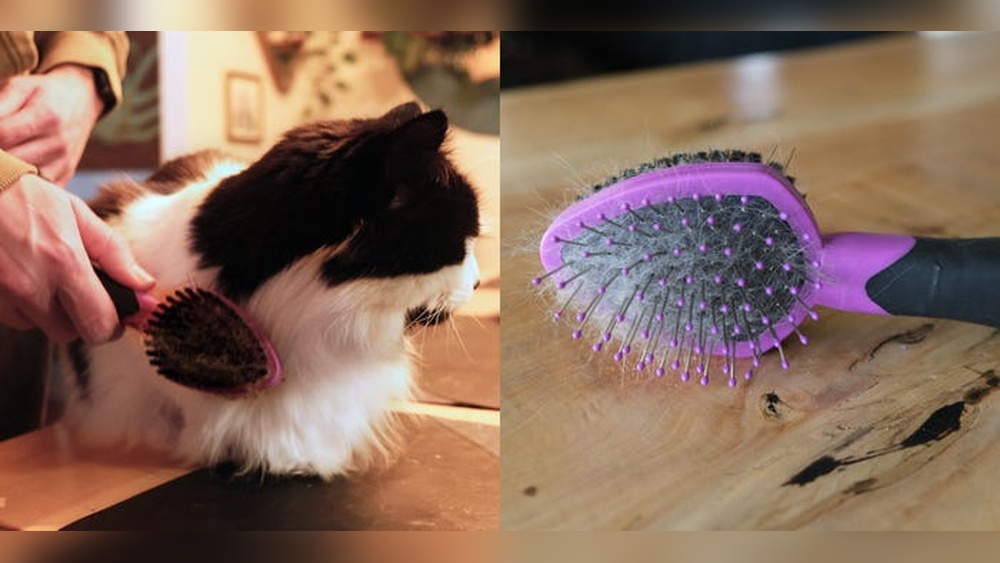
Are you looking for the best grooming tools to keep your cat happy and healthy? Choosing the right tools can make a big difference in your cat’s comfort and your ease of care.
Whether your furry friend has short fur or a thick coat, the right grooming gear helps reduce shedding, prevent mats, and even strengthen your bond. You’ll discover which grooming tools work best for your cat’s unique needs and how to use them like a pro.
Keep reading to find out how to make grooming a stress-free and enjoyable experience for both of you.
Essential Grooming Tools
Keeping your cat clean and comfortable needs the right tools. Essential grooming tools help maintain your cat’s coat, nails, ears, and eyes. Using these tools regularly keeps your cat healthy and happy. It also reduces shedding and prevents matting. Here is a guide to the must-have grooming tools for every cat owner.
Brush Types And Uses
Different brushes suit different coat types. A slicker brush removes loose fur and prevents tangles. It works best for medium to long-haired cats. A bristle brush smooths short hair and spreads natural oils. Use it for short-haired cats to boost shine. A rubber brush helps remove dirt and massages the skin. It is gentle and good for sensitive cats.
Combs For Detangling
Combs help remove knots and mats carefully. A wide-tooth comb loosens large tangles without pulling. Follow with a fine-tooth comb to catch smaller knots. Regular combing prevents painful mats and keeps the coat smooth. Use combs gently to avoid hurting your cat.
Nail Clippers And Trimmers
Proper nail care stops scratches and nail damage. Use clippers made for cats to trim nails safely. Scissor-style clippers offer control for precise cuts. Guillotine clippers are easy to use but need caution. Trim nails every two to three weeks for best results. Avoid cutting the quick, which is the pink part inside nails.
Ear And Eye Cleaning Tools
Clean ears prevent infections and wax build-up. Use cotton balls or soft pads with vet-approved ear cleaner. Wipe gently and never insert anything deep into the ear canal. For eyes, use a damp cloth or special eye wipes to remove discharge. Keep these tools clean to avoid spreading germs.
Choosing The Right Brush
Choosing the right brush for your cat is important for their comfort and health. Different cats have different coats and skin types. Using the correct brush helps remove loose fur and dirt. It also reduces hairballs and matting. A good brush makes grooming a calm and pleasant time for your cat.
Slicker Brushes For Shedding
Slicker brushes have fine, short wires close together. They work well for cats that shed a lot. These brushes reach deep into the fur. They remove loose hair and prevent mats. Use gentle strokes to avoid hurting your cat’s skin. Slicker brushes are best for long or thick coats.
Bristle Brushes For Short Hair
Bristle brushes have soft, flexible bristles. They are ideal for cats with short hair. These brushes clean the fur and spread natural oils. Bristle brushes help keep the coat shiny and smooth. They also remove light dirt and loose hairs. Bristle brushes are gentle and good for sensitive skin.
Rubber Brushes For Sensitive Skin
Rubber brushes have soft rubber tips or nubs. They suit cats with sensitive or delicate skin. These brushes massage the skin while grooming. Rubber brushes remove loose fur without causing irritation. They also help improve blood flow. Use rubber brushes regularly for a healthy coat and happy cat.
Nail Care Essentials
Proper nail care is a key part of keeping your cat healthy and happy. Cats need their nails trimmed regularly to avoid pain and damage. Using the right tools makes nail care easier and safer for both of you. Below are the main tools and tips to keep in mind.
Guillotine Clippers Vs. Scissor Clippers
Guillotine clippers have a hole where you place the nail. When you squeeze the handle, a blade cuts the tip. These clippers are good for cats with small nails. They offer precise cuts.
Scissor clippers look like small scissors. They cut the nail by closing two blades around it. These are better for cats with thick or large nails. They give more control during trimming.
Both types work well. Choose one that feels comfortable and safe for you.
Nail Grinders For Smooth Edges
Nail grinders use a small spinning bit to file nails down. They do not cut but smooth the edges. This tool reduces sharp tips that can scratch people or furniture.
Grinders are quieter than clippers and less likely to pinch your cat’s nail. They also help shape nails gradually. Use them after clipping or alone for gentle nail care.
Safety Tips For Trimming
Always check your cat’s nails before trimming. Avoid the pink area called the quick; it holds blood vessels. Cutting it causes pain and bleeding.
Trim nails in a well-lit space. Hold your cat gently but firmly. Use slow, steady cuts to avoid crushing nails.
Reward your cat with treats after each session. Keep clippers and grinders clean to prevent infections. Stop if your cat shows stress or pain and try again later.
Credit: www.businessinsider.com
Bathing And Cleaning Tools
Bathing and cleaning are key parts of cat grooming. Cats need gentle tools to stay clean and healthy. Choosing the right products makes bathing easier and less stressful. It keeps your cat’s coat shiny and skin healthy.
Cat-friendly Shampoos
Use shampoos made especially for cats. These shampoos are gentle and safe for their skin. They do not contain harsh chemicals that can cause irritation. Look for natural ingredients like aloe and chamomile. Avoid products with strong fragrances or dyes. A mild shampoo keeps your cat comfortable during baths.
Waterless Cleaning Options
Waterless shampoos and wipes are great for quick cleaning. These help clean your cat without a full bath. They remove dirt and odors gently. Waterless options are useful for shy or nervous cats. They reduce stress and save time. Choose unscented or lightly scented formulas to keep your cat calm.
Towels And Drying Techniques
Soft towels are essential after washing your cat. Use absorbent towels to dry the fur gently. Pat the cat dry instead of rubbing to avoid tangles. Keep the room warm to help your cat dry faster. Avoid hairdryers unless your cat is used to the noise. Slow, gentle drying protects your cat’s skin and fur.
Specialized Grooming Accessories
Specialized grooming accessories help keep your cat healthy and comfortable. These tools go beyond basic brushes and combs. They target specific needs like shedding, fleas, and gentle handling.
Using the right accessories makes grooming easier. It also strengthens the bond between you and your cat. Each tool has a unique purpose and benefits your pet’s coat and skin.
De-shedding Tools
De-shedding tools remove loose fur and reduce shedding. They reach the undercoat without hurting your cat’s skin. These tools help keep your home cleaner by cutting down on hair around.
Regular use prevents hairballs and matting. Cats with thick or long hair benefit the most from de-shedding tools. They come in various designs, like brushes and rake-style combs.
Flea Combs And Treatment
Flea combs are fine-toothed combs that catch fleas and eggs. They help spot flea problems early. Use them along with flea treatments to control infestations.
Gently comb your cat’s fur, especially around the neck and tail. Flea combs also remove dirt and debris. They provide a natural and safe way to check your cat’s skin.
Grooming Gloves
Grooming gloves have soft rubber tips to remove loose hair. They feel like a gentle massage to your cat. These gloves work well for shy or nervous cats.
They allow you to groom while petting your cat. Gloves help reduce shedding and improve blood circulation. Easy to use and clean, they fit most hand sizes.
:max_bytes(150000):strip_icc():focal(1999x0:2001x2)/peo-cat-brushes-test-aumuca-shedding-jeanne-geer-02-1-be6a20ee3e5c4e2b982c4d122abde4ee.jpeg)
Credit: people.com
Tips For Stress-free Grooming
Grooming your cat can be a challenge for both of you. Stress-free grooming helps your cat stay calm and enjoy the process. The right approach makes grooming easier and safer. Here are simple tips to keep grooming time peaceful and pleasant.
Creating A Calm Environment
Choose a quiet, comfortable place for grooming. Soft lighting helps your cat feel safe. Avoid loud noises and sudden movements. Calm surroundings lower your cat’s stress levels. A relaxed cat is easier to groom.
Introducing Tools Gradually
Show grooming tools slowly to your cat. Let them sniff and touch the brushes or combs. Use the tools gently at first. Take breaks and watch your cat’s reaction. Gradual introduction builds trust and comfort.
Rewarding Your Cat
Give treats after grooming sessions. Use soft praise and gentle petting. Rewards create positive feelings about grooming. Your cat will look forward to the next time. Small rewards make a big difference.
Maintenance And Cleaning Of Tools
Keeping your cat’s grooming tools clean and well-maintained is very important. Dirty tools can cause skin problems or spread germs. Proper care helps your tools last longer and work better.
Regular cleaning and maintenance keep brushes and combs safe for your cat. It also ensures a smooth grooming session every time. Let’s explore the best ways to care for your grooming tools.
Sanitizing Brushes And Combs
Remove loose hair from brushes and combs after each use. Use warm water and mild soap to wash them. Rinse thoroughly to remove all soap. Dry the tools completely before storing. This stops bacteria and mold from growing.
Disinfect tools by wiping with rubbing alcohol or a pet-safe disinfectant. Do this regularly, especially if your cat has skin issues. Clean tools protect your cat from infections.
Replacing Worn-out Equipment
Check brushes and combs for broken or bent bristles. Sharp edges can hurt your cat’s skin. Replace tools that show damage or wear. Old tools do not groom well and may cause discomfort.
Plan to replace grooming tools every year or as needed. Fresh tools make grooming easier and safer for your cat.
Storage Solutions
Store grooming tools in a dry, clean place. Avoid humid areas that can cause rust or mold. Use a container or bag to keep tools together. This prevents loss and damage.
Keep tools out of reach of children and pets. Proper storage protects your tools and keeps your home tidy.
:max_bytes(150000):strip_icc()/peo-cat-brushes-test-aumuca-shedding-jeanne-geer-02-a100c014bb3340a894686eaeb52b571f.jpg)
Credit: people.com
Frequently Asked Questions
What Grooming Tools Are Essential For Cats?
Essential cat grooming tools include a slicker brush, nail clippers, and a comb. These help remove loose fur, prevent mats, and maintain nail health. Using the right tools ensures your cat stays clean, comfortable, and healthy.
How Often Should I Groom My Cat?
Grooming frequency depends on your cat’s coat type. Long-haired cats need daily brushing, while short-haired cats benefit from weekly grooming. Regular grooming reduces shedding, prevents mats, and keeps your cat’s skin healthy.
Can Grooming Tools Prevent Hairballs In Cats?
Yes, grooming tools like brushes help reduce hairballs by removing loose fur before your cat swallows it. Frequent brushing minimizes hair ingestion, promoting better digestion and reducing discomfort caused by hairballs.
Which Grooming Tools Suit Long-haired Cats Best?
Long-haired cats benefit from slicker brushes, wide-tooth combs, and detangling sprays. These tools help remove tangles, prevent mats, and keep their coat silky and smooth. Proper grooming reduces discomfort and promotes a healthy coat.
Conclusion
Choosing the right grooming tools keeps your cat healthy and happy. Soft brushes and combs help remove loose fur gently. Clippers and nail trimmers protect your cat’s paws. Regular grooming reduces hairballs and skin problems. It also strengthens the bond between you and your pet.
Remember, patience and care make grooming easier for both. Start with simple tools and watch your cat enjoy the routine. Good grooming means a clean, comfortable, and happy cat every day.