
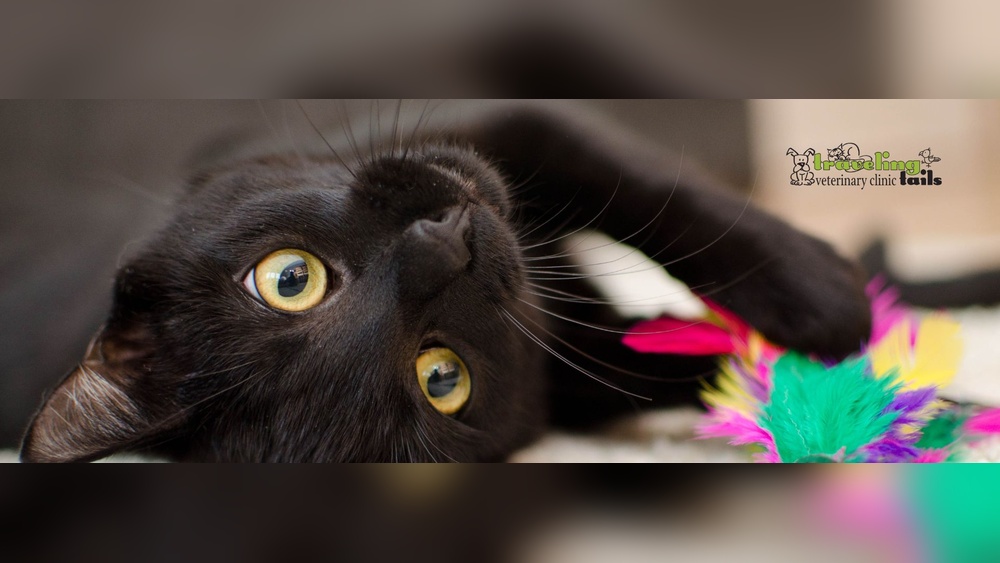
Have you ever noticed your cat playing with toys right on top of you? It might seem strange or even a little annoying, but there’s a special reason behind this behavior.
Understanding why your cat chooses you as their play spot can help you connect with them better and enjoy these moments even more. Keep reading to discover the surprising reasons your cat loves to play with toys on you—and how you can make these playtimes more fun for both of you.
Cats And Play Behavior
Cats play to explore their world and stay active. Play helps them learn hunting skills. It also keeps their body and mind strong. Watching cats play shows their natural instincts and personality. Each cat has its own way of enjoying playtime. Understanding why cats play helps owners bond with them better.
Play is not just fun for cats. It is a key part of how they grow and stay healthy. Toys and playtime give cats chances to use their senses. This is why cats often play with toys on or near their humans.
Instincts Behind Play
Play mimics hunting behavior in cats. They practice stalking, chasing, and pouncing. These actions come from their wild ancestors. Even indoor cats keep these instincts strong. Play helps them stay sharp and ready. It also reduces stress and boredom.
When a cat plays on you, it shows trust. They see you as part of their hunting team. Your movement can trigger their chase reflex. This instinct makes play more exciting for them.
How Cats Choose Toys
Cats prefer toys that move or make noise. Small, light toys are easy to catch and bat. Toys that mimic prey catch their attention quickly. Texture and smell also matter. Some cats like soft toys, others prefer hard ones.
Many cats like toys that feel like real prey. Feathers, strings, and small balls often win their hearts. Cats also pick toys based on their mood and energy. A tired cat may want a gentle toy. An active cat looks for something fast and tricky.
Why Cats Prefer Playing On You
Cats enjoy playing on their owners for many reasons. They find comfort and fun in being close to you. Your presence makes their playtime more exciting and safe. Understanding why cats prefer playing on you helps improve your bond.
Seeking Attention And Interaction
Cats play on you to get your attention. They want to interact and feel noticed. Play is their way to say, “Look at me!” This helps them feel connected and less lonely.
Comfort And Security
Your body feels warm and safe to your cat. Playing on you gives them a sense of comfort. It reminds them of being close to their mother. This security helps them relax during play.
Marking Territory
Cats use play to mark their space. Their paws and scent leave a mark on you. This shows other pets that you belong to them. It is a natural way to claim their safe zone.
Expressing Affection
Playing on you is a sign of love. Cats show trust by involving you in their games. They enjoy being near you and sharing fun moments. This play strengthens your relationship every day.
Types Of Play Your Cat Shows On You
Cats show different types of play on you. This play is part of their natural behavior. It helps them practice hunting skills and bond with you. Watching your cat play can be fun and interesting. Each type of play means something special. Understanding these types helps you connect with your cat better.
Pouncing And Pawing
Pouncing is a common way cats show play. Your cat might jump or spring toward your hand or feet. Pawing means they tap or swipe gently with their paws. This action mimics catching prey in the wild. It shows your cat’s excitement and alertness. It is a safe way for cats to practice hunting.
Biting And Nibbling
Light biting or nibbling is another type of play. Cats use their mouths to explore and interact. This biting is usually gentle and not meant to hurt. It can show affection or a desire to keep playing. Watch closely to make sure it does not get too hard. It is a way for cats to communicate with you.
Chasing Movements
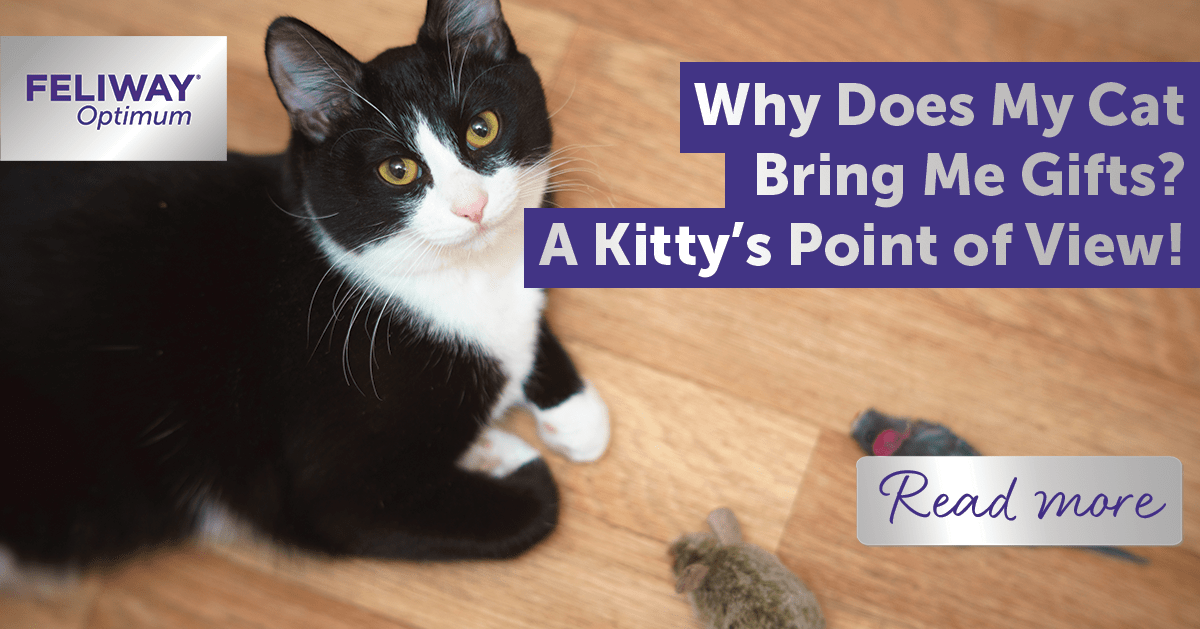
Chasing movements happen when your cat follows fast motions. They might chase your fingers or a moving toy on your body. This play mimics hunting small animals like mice. It shows your cat’s energy and focus. Chasing helps your cat stay active and sharp.
Credit: www.feliway.co.uk
How To Encourage Positive Play
Encouraging positive play helps keep your cat happy and healthy. Play time builds trust and reduces unwanted biting or scratching. It also gives your cat mental and physical exercise. The key is to guide your cat gently during play. This way, play stays fun and safe for both of you.
Choosing The Right Toys
Select toys that match your cat’s natural hunting skills. Toys like feather wands and small balls work well. Soft toys your cat can carry or bite are good choices. Avoid toys with small parts that can break off. Rotate toys often to keep your cat interested and excited.
Setting Play Boundaries
Teach your cat what is okay to play with. Use toys instead of your hands or feet. Stop play if your cat becomes too rough. Say “no” firmly but gently to discourage biting. Offer a toy right away to redirect your cat’s energy. Consistency helps your cat learn good play habits.
Engaging Your Cat Regularly
Set aside time daily for play sessions. Short bursts of 10 to 15 minutes work best. Use interactive toys to keep your cat focused. Talk softly to encourage your cat during play. Regular play reduces stress and unwanted behavior. It strengthens the bond between you and your cat.
When Play Becomes Problematic
Playtime with your cat is fun and helps build your bond. Sometimes, playful behavior can become too much. It might lead to biting or scratching. This shift can confuse cat owners. Understanding when play becomes problematic is important for safety and comfort. Recognizing signs early helps keep playtime safe and happy.
Signs Of Overstimulation
Your cat may suddenly bite or scratch during play. Tail flicking fast is a clear sign. Ears flattening back shows irritation. Pupils dilate or get very wide. These behaviors mean your cat feels too excited or stressed. Stop playtime if you see these signs.
Managing Aggressive Play
Aggressive play can hurt you or your cat. Use toys to keep your hands safe. Avoid using fingers as toys. Give your cat soft, safe toys to bite and chase. Keep play sessions short and calm. Praise gentle play to encourage good behavior.
Knowing When To Redirect
Redirect your cat’s energy to toys when play gets rough. Offer a favorite toy to shift attention. Use wand toys to keep distance between your hands and claws. Stop playing before your cat gets too excited. This helps prevent aggressive behavior from starting.
Credit: www.reddit.com
Benefits Of Play For Cats And Owners
Playing with toys is more than fun for cats and their owners. It helps keep cats healthy and happy. It also builds a good connection between cats and people. Playtime benefits both in many ways.
Understanding these benefits shows why your cat likes to play with toys on you. It is not just a habit but a way to stay active and close.
Physical Exercise
Play gives cats a chance to move their bodies. Chasing toys helps them stay fit and strong. It keeps their muscles healthy and joints flexible. Exercise also helps stop weight gain and related health issues. A playful cat is usually a healthy cat.
Mental Stimulation
Toys challenge a cat’s mind. Hunting and catching games keep their brain sharp. It stops boredom and destructive behavior. Play encourages natural instincts and curiosity. Mental activity makes cats feel satisfied and less stressed.
Strengthening Bond
Playing with your cat builds trust and love. It creates happy moments and shared joy. Your cat learns to see you as a friend. Physical touch and interaction reduce loneliness for both. Playtime strengthens your special relationship daily.

Credit: petlibro.com
Frequently Asked Questions
Why Does My Cat Prefer Playing With Toys On Me?
Cats feel safe and comforted by your presence. Playing on you strengthens your bond and provides warmth. They enjoy your scent and attention, making playtime more engaging and reassuring.
Is My Cat Seeking Attention Through Toy Play?
Yes, cats often use toys to get your attention. They want interaction, affection, or to initiate playtime. This behavior helps them communicate their needs in a playful way.
Does Playing With Toys On Me Mean My Cat Trusts Me?
Absolutely. When cats play on you, it shows trust and affection. They feel secure enough to express their playful instincts close to you, reinforcing your relationship.
Can Toy Play On Me Indicate My Cat’s Hunting Instincts?
Yes, toy play mimics hunting behavior. Cats use you as a safe “prey” surface to practice stalking and pouncing. It’s a natural way to satisfy their predatory urges.
Conclusion
Cats play with toys on you to show trust and feel close. They enjoy your warmth and like to share their fun. This behavior also helps them stay active and curious. Playing together strengthens your bond and brings joy to both.
Remember, your cat’s play is a way to connect and express love. Embrace these moments; they make your relationship special and unique.