
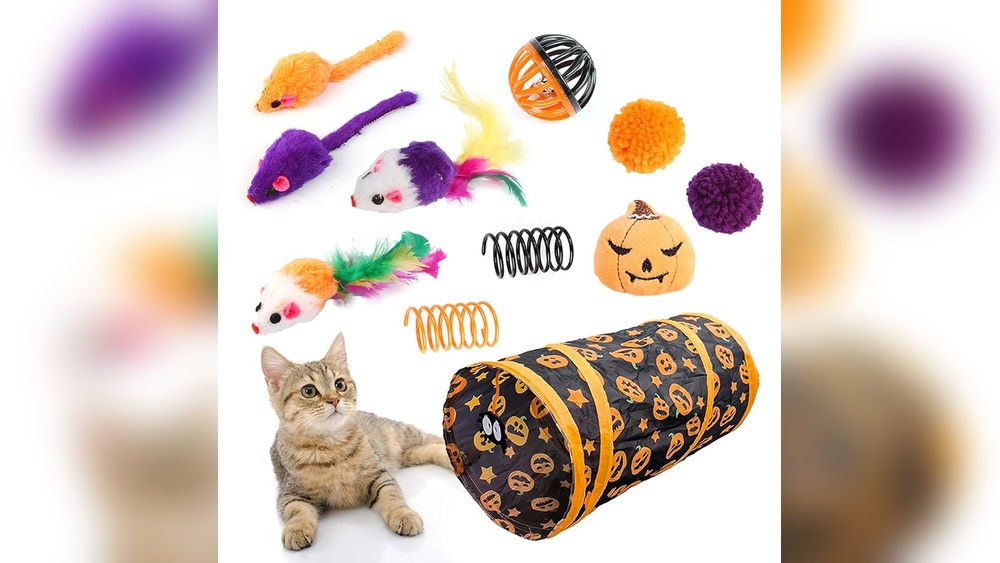
Have you ever caught your cat eagerly chewing on feather toys and wondered why they do it? It’s a common behavior that many cat owners notice but don’t fully understand.
Your furry friend’s love for feather toys isn’t just about play—it taps into instincts and feelings you might not expect. By learning why your cat chews these toys, you’ll discover more about their needs and how to keep them happy and healthy.
Keep reading to find out the surprising reasons behind this quirky habit and what it means for your cat’s well-being.
Cat Chewing Instincts
Cats chew on feather toys because of their natural instincts. Chewing is part of how cats explore and interact with their world. This behavior connects to their hunting roots and physical needs.
Natural Hunting Behavior
Cats are predators by nature. They use their mouths to catch and kill prey. Feather toys mimic the movement of birds, triggering this instinct. Chewing helps cats practice skills needed to survive in the wild.
Teething In Kittens
Kittens chew more when they are teething. Their new teeth push through the gums, causing discomfort. Chewing on soft feather toys soothes their pain. It also helps their teeth grow strong and healthy.
Exploring Textures
Cats use their mouths to learn about objects. Feather toys offer a soft, interesting texture for them to explore. Chewing helps cats understand their environment better. It also keeps their jaws active and muscles strong.
Attraction To Feathers
Cats are naturally drawn to feather toys. Feathers mimic the look and feel of real prey. This attraction sparks their hunting instincts. It makes feather toys very exciting for them. Understanding why helps you see your cat’s behavior better.
Movement And Sound Appeal
Feather toys move like birds or small animals. Their fluttering catches a cat’s eye quickly. Cats respond to this movement with energy and focus. Some feather toys also make soft sounds. These noises attract cats and keep their interest alive.
Scent And Texture Factors
Feathers have a unique texture that cats enjoy biting. The soft, light feel is different from other toys. Some feather toys carry natural scents or added smells. These scents make the toy more tempting for cats to chew. The combination of texture and scent adds to the toy’s charm.
Health And Dental Benefits
Cats love to chew feather toys for many reasons. One big reason is health and dental benefits. Chewing helps keep their teeth clean and their jaws strong. It also satisfies their natural need to bite and chew. These benefits make feather toys a good choice for playtime.
Teeth Cleaning Effects
Chewing on feather toys helps remove plaque from cats’ teeth. The gentle friction cleans their teeth naturally. This reduces the risk of dental problems like tartar buildup. A clean mouth means fewer visits to the vet for dental care. Feather toys act like tiny toothbrushes during play.
Jaw Exercise
Chewing helps cats exercise their jaw muscles. Strong jaw muscles improve their bite and chewing ability. This exercise keeps their jaws healthy and flexible. It also helps relieve stress and boredom. Feather toys provide a fun way for cats to work their jaws.

Credit: www.amazon.com
Behavioral Reasons
Cats chew feather toys for many behavioral reasons. These reasons explain why your cat may focus on chewing rather than just batting or pouncing. Understanding these behaviors helps you meet your cat’s needs better. It also keeps your cat happy and healthy.
Boredom And Play
Cats often chew feather toys when they feel bored. Chewing offers a way to stay busy. It also mimics hunting behavior. Your cat uses teeth and claws to catch prey in the wild. Feather toys give your cat a chance to practice these skills. Chewing keeps your cat entertained and mentally sharp.
Stress Relief
Chewing can calm a stressed cat. Stress happens from changes in the home or loud noises. Chewing feather toys helps cats relax. It releases built-up energy and tension. This behavior can stop your cat from doing unwanted things. Chewing acts like a natural stress reliever for cats.
Attention Seeking
Cats chew toys to get your attention. They learn chewing makes you look or respond. Your cat may want to play or be petted. Chewing becomes a way to communicate with you. Watching your cat chew can signal they need more interaction. This behavior shows your cat wants your focus.
Potential Risks
Chewing on feather toys might seem harmless, but it carries risks for cats. These toys can break apart, causing small pieces to become dangerous. Understanding these risks helps keep your cat safe and healthy.
Choking Hazards
Feather toys often shed tiny parts. Cats can swallow these pieces, blocking their throat. This can cause coughing or difficulty breathing. Always watch your cat play to prevent choking. Remove damaged toys immediately to avoid accidents.
Ingesting Harmful Materials
Some feather toys contain glue, dyes, or plastics. These materials are toxic if swallowed. Eating them can upset your cat’s stomach or cause poisoning. Choose safe, non-toxic toys and check labels carefully. Regularly inspect toys for harmful parts.
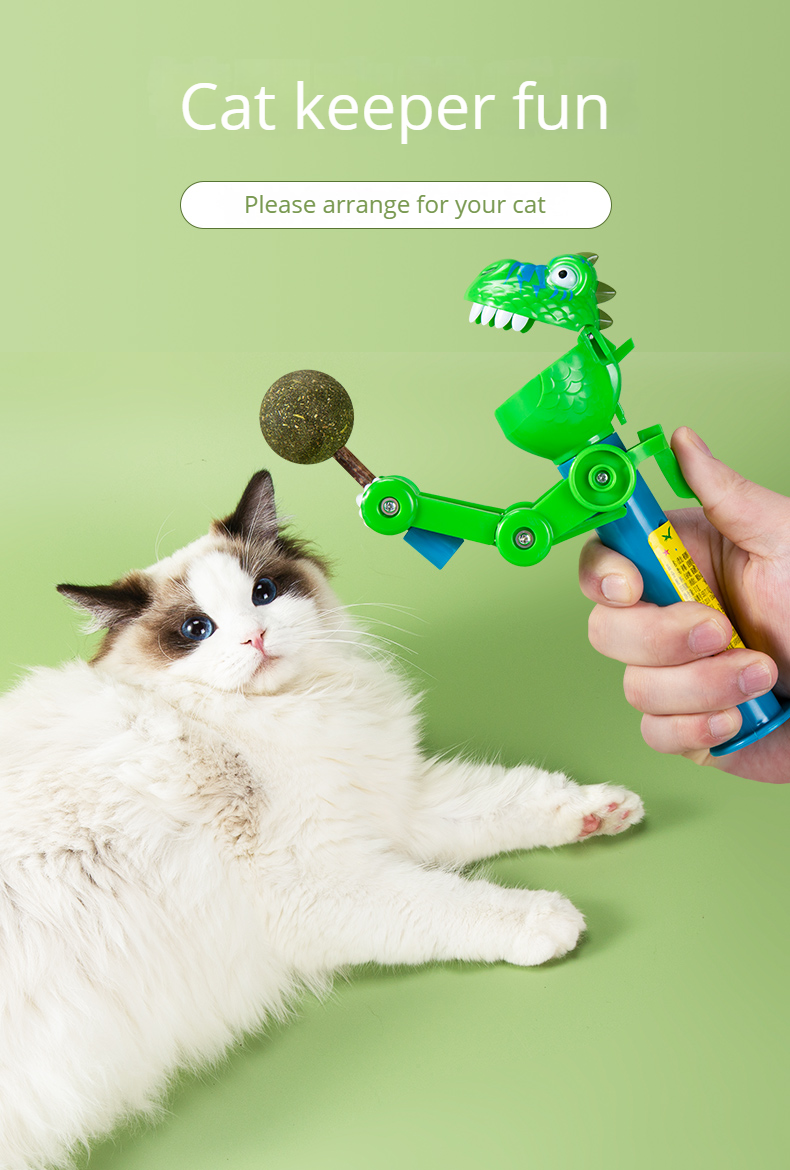
Credit: coconutjacks.com
Safe Toy Choices
Choosing safe toys is very important for cats that love to chew feathers. Some feather toys can break easily and cause harm. Picking the right toys keeps your cat happy and safe. It also helps protect their teeth and digestive system from damage.
Durable Feather Alternatives
Look for toys made with strong materials that copy feathers. These last longer and do not break into small pieces. Toys with soft fabric or silicone parts work well. They feel like feathers but are safer to chew. These toys prevent choking and swallowing of unsafe parts.
Diy Feather Toys
Making your own feather toys at home is a smart idea. Use safe materials like felt or cloth strips instead of real feathers. Tie them securely to a string or stick. This way, you control what your cat plays with. Homemade toys can be fresh, clean, and free from harmful chemicals.
Tips To Manage Chewing
Managing your cat’s chewing on feather toys can make playtime safer and more fun. Some cats chew out of boredom or curiosity. Others do it to relieve stress or explore textures. You can guide this behavior to protect your cat and their toys.
Redirecting Behavior
Offer safe alternatives for chewing. Try soft rubber or nylon toys made for cats. When your cat starts chewing feathers, gently swap the toy. Praise your cat when they chew the right toy. This teaches what is okay to bite.
Providing Enrichment
Keep your cat busy with different activities. Play with your cat daily using various toys. Puzzle feeders and interactive toys stimulate their mind. A tired cat chews less out of boredom. Rotate toys to keep interest high.
Regular Vet Checkups
Check your cat’s health to rule out dental problems. Pain or discomfort may cause chewing. A vet can spot issues early and offer advice. Healthy cats are less likely to chew excessively. Schedule checkups twice a year for best care.
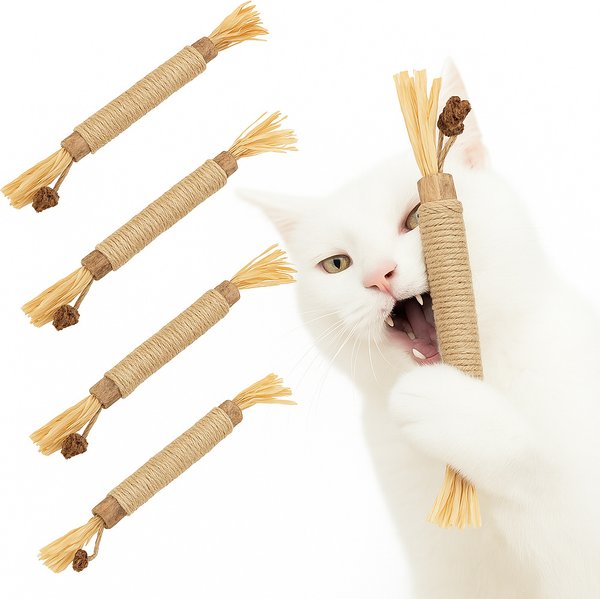
Credit: www.chewy.com
Frequently Asked Questions
Why Do Cats Like Chewing Feather Toys?
Cats chew feather toys because they mimic prey textures. Chewing stimulates their hunting instincts and provides mental enrichment. It also helps keep their teeth clean and jaws strong, making feather toys both entertaining and beneficial for cats.
Can Chewing Feather Toys Harm My Cat?
Chewing feather toys is generally safe if supervised. However, ingesting feathers can cause choking or digestive blockages. Always check toys for damage and replace them if feathers start falling out to keep your cat safe.
How Can I Stop My Cat From Chewing Feathers?
To reduce feather chewing, offer durable toys and rotate them regularly. Provide plenty of playtime and mental stimulation. If chewing persists, redirect your cat’s attention to safer alternatives like rubber or plush toys.
Do Feather Toys Satisfy A Cat’s Hunting Instinct?
Yes, feather toys mimic birds, triggering cats’ natural hunting behaviors. They encourage stalking, pouncing, and biting, which are important for feline mental and physical health. Feather toys keep cats engaged and active by simulating prey.
Conclusion
Cats chew feather toys because they enjoy the texture and movement. It helps them practice hunting skills and stay active. Chewing also relieves stress and boredom for many cats. Always watch your cat to keep them safe from loose feathers.
Offer other safe toys to keep them interested and healthy. Understanding why cats chew toys helps you care for them better. Keep playtime fun and safe for a happy pet.