
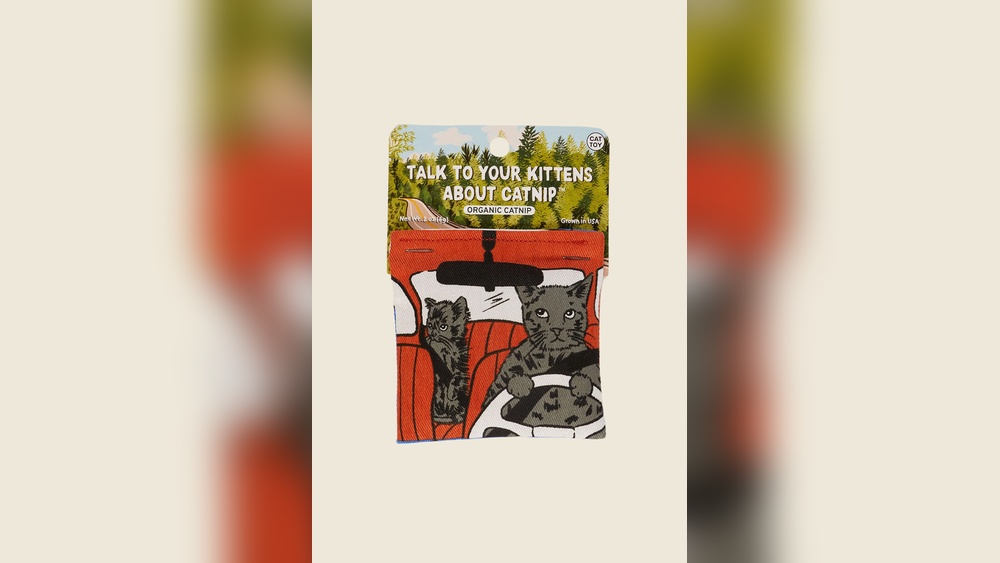
Have you ever found your cat peeing on his catnip toy and wondered why? It can be confusing and a bit frustrating when your furry friend treats a beloved plaything like a litter box.
You might worry if it’s a sign of health problems or just strange behavior. Understanding why your cat does this can help you fix the issue quickly and keep both you and your pet happy. Keep reading to discover the surprising reasons behind this habit and what you can do about it.
:max_bytes(150000):strip_icc()/what-does-catnip-do-to-cats-2-1935981871-2000-6b0a5f54ba8d4476b0d3b62e24194582.jpg)
Credit: www.dailypaws.com
Catnip And Cat Behavior
Catnip has a unique effect on cats. It can change their behavior in many ways. Understanding this helps explain why some cats pee on their catnip toys. Catnip interacts with a cat’s senses and brain. This interaction can trigger playful or relaxed actions.
How Catnip Affects Cats
Catnip contains a compound called nepetalactone. This chemical binds to receptors in a cat’s nose. It sends signals to the brain that affect mood and behavior. Some cats feel excited and energetic. Others may become calm and sleepy. Not all cats react to catnip. Sensitivity depends on genetics. The effects usually last about 10 to 15 minutes. After that, cats lose interest until some time passes.
Common Reactions To Catnip Toys
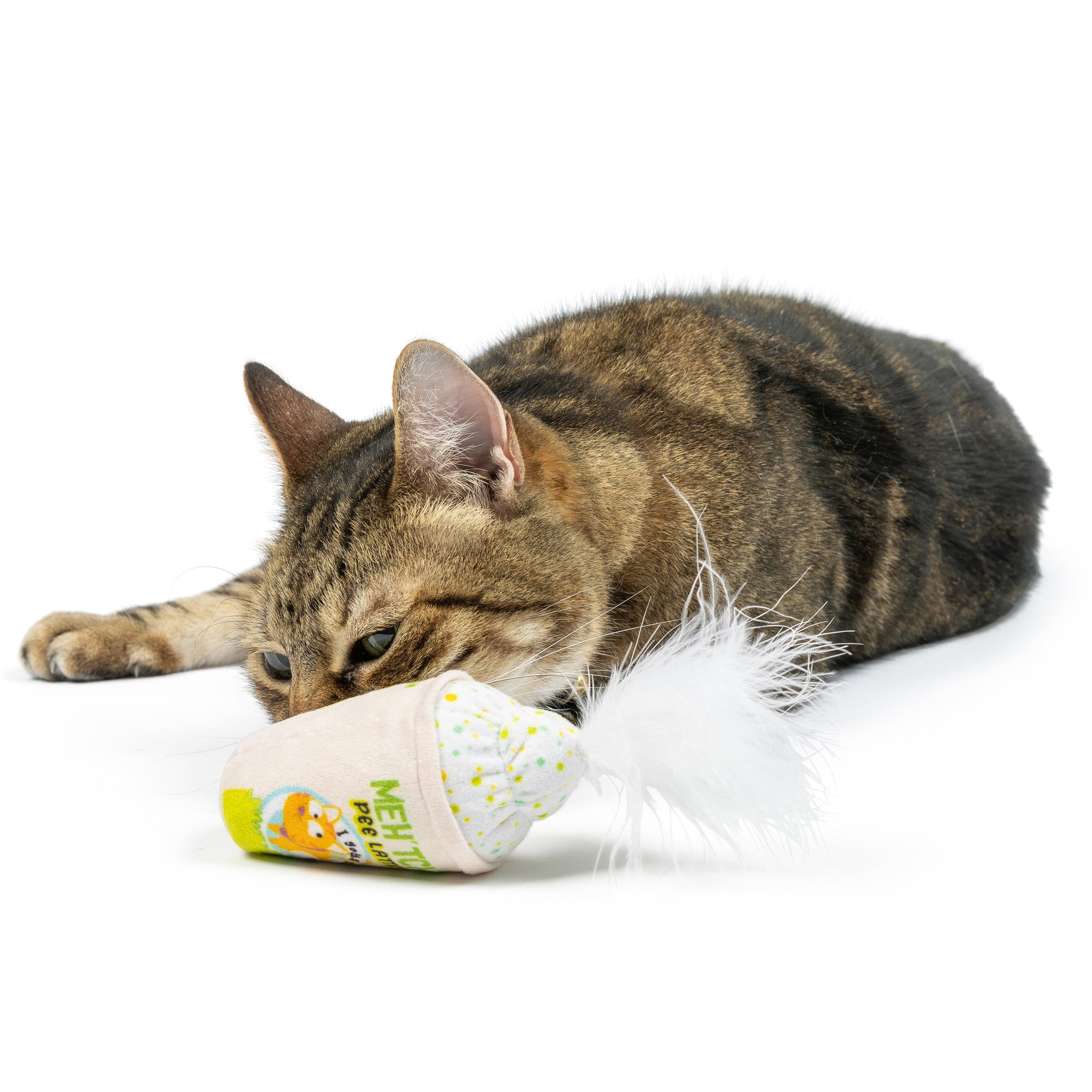
Cats may roll, rub, or bite their catnip toys. Many cats purr or meow happily. Some cats chase or bat the toys around. A few may drool or lick the toy excessively. This excitement can sometimes cause marking behavior, like peeing. Urinating on the toy may be a way to claim it. It can also be due to overstimulation or stress. Watching your cat’s reaction helps you understand their needs better.
Reasons For Peeing On Toys
Cats sometimes pee on their catnip toys for various reasons. Understanding these reasons helps you manage your cat’s behavior better. It can be confusing and frustrating when your cat chooses a toy as a bathroom spot. Knowing why this happens makes it easier to find a solution.
Marking Territory
Cats use urine to mark their territory. This behavior shows other animals this spot belongs to them. Your cat may pee on a catnip toy to claim it. The scent signals ownership and keeps other pets away.
Stress And Anxiety
Stress can cause cats to pee outside their litter box. Changes in the home or loud noises may upset your cat. Peeing on a toy might comfort your cat during stressful times. The toy smells familiar, helping your cat feel safer.
Medical Issues
Health problems can cause unusual urination. Urinary tract infections or bladder issues may make your cat pee more often. Pain or discomfort may stop your cat from reaching the litter box. A vet visit is important to rule out medical causes.
Cat’s Communication Through Urine
Cats use urine as a way to talk to each other and to their owners. This behavior is a form of communication that helps them share messages about their feelings and space. When a cat pees on their catnip toy, it is not random. It is a way to send signals through scent. Understanding this can help you better care for your pet.
Scent Marking Explained
Scent marking means leaving a smell to mark a place or object. Cats have glands that produce scents, but urine carries a stronger message. By peeing on a toy, a cat leaves its unique scent behind. This shows ownership and comfort with the item. The cat feels safe and claims the toy as its own.
Territorial Boundaries
Cats are territorial animals. They use urine to set boundaries and warn others. Marking a toy helps the cat protect its space. It tells other cats to stay away or be cautious. This behavior helps reduce conflicts and keeps the cat calm in its home environment.

Credit: www.amazon.sa
Health Concerns To Watch
Noticing your cat peeing on his catnip toy can signal health concerns. It is important to watch for signs of illness. Cats cannot tell you when they feel pain or discomfort. Observing changes in behavior helps catch problems early. Some health issues cause cats to urinate outside their litter box.
Understanding these concerns can protect your cat’s well-being. Acting quickly can prevent serious problems.
Urinary Tract Infections
Urinary tract infections (UTIs) are common in cats. They cause pain and frequent urination. Cats with UTIs may pee on toys or other unusual places. Signs include straining to urinate and blood in urine. UTIs need prompt treatment to avoid kidney damage. A vet can diagnose and prescribe antibiotics. Early care helps your cat feel better fast.
Other Medical Conditions
Other health problems may cause unusual urination. Bladder stones or crystals cause irritation and discomfort. Cats with these issues often avoid the litter box. Kidney disease and diabetes can also change urination habits. Stress and anxiety sometimes lead to marking behavior. Veterinary exams and tests find the exact cause. Proper treatment improves your cat’s quality of life.
Preventing Toy Peeing
Preventing your cat from peeing on his catnip toy requires patience and smart steps. This behavior can be frustrating but is often a sign of stress or marking. Taking action early can keep your home fresh and your cat happy.
Cleaning Techniques
Clean the toy with an enzyme cleaner. This removes urine smells that attract cats. Avoid ammonia-based cleaners. They smell like urine to cats and may worsen the problem. Wash toys regularly to keep them fresh.
Providing Alternatives
Offer several catnip toys in different spots. Cats like variety and space to play. Add scratching posts and cozy beds nearby. This distracts your cat from marking one toy. Rotate toys to keep your cat interested.
Reducing Stress
Create a calm environment for your cat. Loud noises or changes can cause stress. Use pheromone sprays or diffusers to soothe your cat. Spend quiet time playing or petting. A relaxed cat is less likely to mark toys.
When To Consult A Vet
Noticing your cat peeing on his catnip toy can be confusing and concerning. Sometimes, this behavior signals an underlying health issue. Knowing when to consult a vet helps keep your cat healthy and happy.
Identifying Symptoms
Watch for signs like frequent urination or straining to pee. Blood in the urine or foul smell is a clear warning. Your cat may also lick the genital area often or show signs of pain. Behavioral changes like hiding or aggression can indicate discomfort. These symptoms suggest your cat needs medical attention.
Treatment Options
The vet may run tests to find the cause of the problem. Treatment might include antibiotics for infections or special diets for urinary issues. Pain relief medicines can help your cat feel better. Sometimes, behavioral advice is needed to reduce stress. Early treatment improves recovery and stops unwanted peeing.
Credit: huxleyandkent.com
Frequently Asked Questions
Why Does My Cat Pee On His Catnip Toy?
Cats may pee on catnip toys due to marking territory or stress. Catnip stimulates excitement, causing some cats to urinate. It can also signal a medical issue like a urinary tract infection. Observe behavior and consult a vet if urination persists.
Can Catnip Cause Inappropriate Urination In Cats?
Yes, catnip can trigger excitement or anxiety, leading to inappropriate urination. Some cats react strongly to catnip’s scent, causing stress or territorial marking. Monitor your cat’s reaction and limit catnip use if urination problems occur.
How To Stop My Cat Peeing On Toys?
Clean soiled toys thoroughly and remove catnip temporarily. Provide multiple litter boxes and maintain cleanliness. Reduce stress by creating a calm environment. If urination continues, consult a veterinarian for possible health issues.
Is Peeing On Catnip Toys A Sign Of Health Issues?
Peeing on catnip toys can indicate urinary tract infections or bladder problems. It may also reflect behavioral stress or marking tendencies. A vet checkup is recommended to rule out medical causes and ensure your cat’s wellbeing.
Conclusion
Cats pee on catnip toys for many reasons. It can be stress, marking, or health issues. Watch your cat’s behavior closely. Keep toys clean and replace them often. Give your cat enough space and attention. Visit a vet to rule out health problems.
Understanding your cat helps you solve this issue. Patience and care make a big difference. Your cat will feel happier and safer soon.