
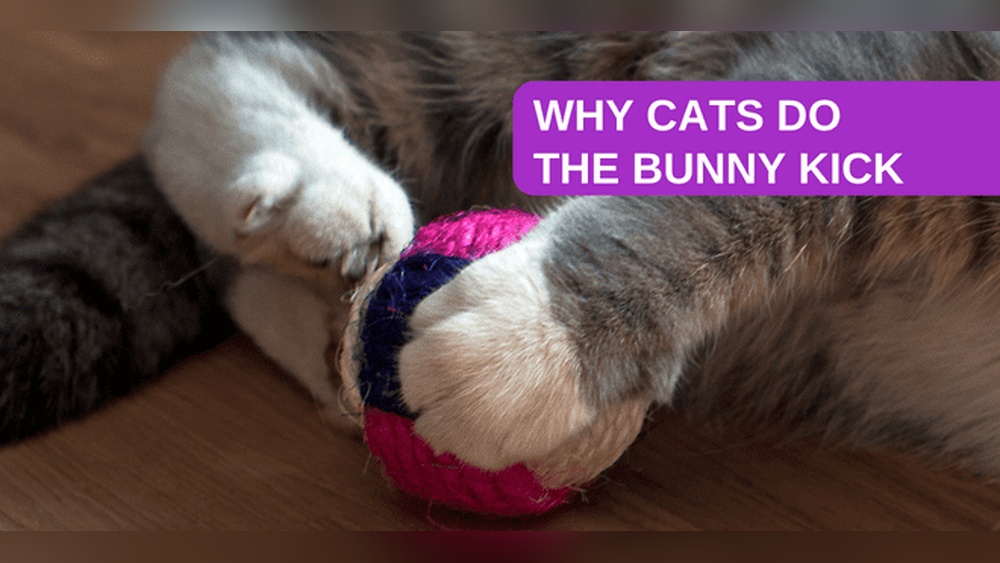
Have you ever watched your cat suddenly start kicking her toys with her back legs and wondered why she does it? It’s a curious behavior that can leave you puzzled and eager to understand what’s going on in her mind.
If you want to unlock the mystery behind this quirky habit, you’re in the right place. Keep reading, because understanding why your cat kicks her toys will not only deepen your bond but also help you create a happier, more playful environment for her.
Let’s dive in!

Credit: thecatisinthebox.com
Cat Kicking Behavior
Cats have many ways to show their playful side. One common behavior is kicking their toys. This action might seem strange at first. But it is natural and part of how cats play and hunt.
Cat kicking behavior helps cats use their energy. It also sharpens their hunting skills. Watching a cat kick a toy can be fun and cute. Understanding why they do this can help you enjoy playtime even more.
What Is Cat Kicking?
Cat kicking is when a cat holds a toy with their front paws. Then they use their back legs to kick it. This looks like a small karate move. Cats do this to keep the toy close and to “attack” it.
This behavior mimics how wild cats catch prey. Kicking helps them hold down animals before biting. Even house cats keep this instinct. It is part of their natural hunting drive.
Common Toys Cats Kick
Cats kick many types of toys. Soft toys like stuffed mice are popular. They are easy to grab and kick. Balls also work well for kicking games. Cats enjoy chasing and then kicking them.
Feather toys on sticks can be kicked too. Cats like to hold the feather and use their back legs. Some cats kick crinkly toys that make noise. These sounds keep them interested and excited.

Credit: petitespaws.com
Instinctual Roots
Cats kick their toys because of deep instincts. These actions come from long ago. Instincts help cats survive in the wild. Even house cats keep these habits.
Understanding these roots explains why your cat acts this way. It is more than just play. It shows natural behavior passed down through generations.
Hunting Instincts
Kicking toys mimics hunting moves. In the wild, cats catch small animals. They use their paws to trap and control prey. Kicking helps hold the catch tight. It stops the prey from escaping before the final pounce. Your cat treats toys like real prey. The behavior is natural and needed for practice.
Territorial Behavior
Cats mark toys as part of their territory. Kicking is a way to claim ownership. It sends signals to other animals. Your cat shows that the toy belongs to her. This behavior is common in both wild and house cats. It helps them feel safe and in control of their space.
Play And Exercise
Play and exercise are very important for cats. They help cats stay healthy and happy. Kicking toys is one way cats use their energy. It also keeps their mind active. This behavior shows natural instincts and helps prevent boredom.
Energy Release
Cats have a lot of energy. Kicking toys helps them use this energy safely. It mimics hunting actions like pouncing and capturing prey. This physical activity stops cats from feeling restless. It also reduces unwanted behaviors like scratching furniture.
Mental Stimulation
Kicking toys is not only physical but also mental exercise. It keeps cats alert and focused. This activity challenges their brain to think and react quickly. Mental stimulation helps prevent stress and anxiety. It makes playtime fun and rewarding for cats.
Communication Signals
Cats use body language to talk without words. Kicking toys is one way your cat sends messages. Understanding these signals helps you know your cat better. It shows how your cat feels or what it wants.
Showing Dominance
When a cat kicks her toys, she might show dominance. This act says, “This is mine.” It marks territory and warns others to stay away. Kicking shows control over the toy, like claiming a prize. This behavior comes from wild instincts, where cats protect their space. Your cat feels safe and strong by kicking her toy.
Expressing Excitement
Kicking toys can also mean your cat is excited. It happens during play or after catching something. The motion releases energy and shows joy. Cats often kick with their back legs to prepare for a pounce. This action expresses happiness and eagerness. Your cat uses kicking to show her playful mood and active mind.
Stress And Anxiety
Cats use their bodies and actions to show how they feel inside. Stress and anxiety are common reasons cats kick their toys. This behavior helps them handle feelings that are hard to express. It is a way for cats to release built-up tension or frustration.
Stress can come from many things. Changes in the home, loud noises, or new pets can make cats uneasy. Kicking toys gives them a small sense of control. It also helps burn off nervous energy and calm their minds.
Coping Mechanism
Kicking toys acts as a coping tool for stressed cats. This action mimics hunting, a natural instinct. It lets cats focus on something physical, which can ease their worries. The repetition of kicking can feel soothing and help reduce anxiety. It also keeps their minds busy and distracted from stress.
Signs To Watch For
Not all toy kicking means stress. Look for extra signs like hiding or loss of appetite. Cats may also show changes in grooming or sleep habits. Aggression or loud vocalizing can be clues too. Spotting these signs early helps you support your cat better. It is important to create a calm, safe space for your pet.
How To Respond
Knowing how to respond when your cat kicks her toys helps build a strong bond. It also keeps playtime safe and fun. Your reaction guides your cat’s behavior and emotions.
Encouraging Healthy Play
Offer toys that match your cat’s natural hunting skills. Soft, lightweight toys work well for kicking and pouncing. Praise your cat gently when she uses toys properly. This shows her which behaviors you like. Set aside regular playtime to keep her active and happy. Change toys often to keep her interested and engaged.
Redirecting Aggression
Sometimes, kicking shows frustration or stress. Do not punish your cat for this. Instead, give her a quiet space to calm down. Provide calming toys or treats to reduce tension. Use toys to distract her from biting or scratching. Stay calm and patient during these moments. This helps her feel safe and secure.
Choosing The Right Toys
Choosing the right toys for your cat helps keep her happy and active. Cats kick toys to mimic hunting and play. The right toys encourage this natural behavior safely. Not every toy fits your cat’s style or needs. Focus on toys made to last and keep your cat safe.
Good toys make playtime fun and stress-free. They also protect your cat from harm. Understanding what toys trigger kicking helps you pick the best options. Your cat will enjoy toys that feel real and move in interesting ways. This section explains how to choose toys your cat will love.
Durability And Safety
Choose toys that can handle rough play. Cats use claws and teeth when they kick. Soft toys may tear quickly. Avoid toys with small parts that can break off. Loose parts can cause choking or upset stomachs. Look for strong stitching and tough materials. Safe toys keep your cat healthy and happy. Regularly check toys for damage or wear. Replace toys that no longer look safe.
Toys That Trigger Kicking
Toys that move or make noise catch your cat’s attention. Feathers, strings, and small balls often trigger kicking. Toys that feel like prey encourage natural hunting skills. Your cat likes toys she can grab and kick easily. Lightweight toys let her bat and chase without effort. Avoid toys that are too heavy or hard to carry. The right toy invites your cat to play and kick often.

Credit: www.hillspet.com
Frequently Asked Questions
Why Does My Cat Kick Her Toys Aggressively?
Cats kick toys to mimic hunting behavior. It helps them practice catching and controlling prey. This instinctive action releases energy and provides mental stimulation.
Is Kicking Toys Normal Cat Behavior?
Yes, kicking toys is a normal and healthy cat behavior. It reflects their natural hunting instincts and helps keep them active and entertained.
How Can I Stop My Cat From Kicking Toys?
You can redirect your cat’s energy with interactive play sessions. Provide various toys and avoid punishing, as kicking is natural and not harmful.
Does Toy Kicking Mean My Cat Is Bored?
Often, yes. Kicking toys may indicate your cat needs more mental and physical stimulation. Increase playtime to reduce boredom and destructive behavior.
Conclusion
Cats kick their toys to practice hunting skills and have fun. This behavior helps them stay active and sharp. Understanding why your cat kicks toys builds a stronger bond. It shows their natural instincts and playful nature. Watching this behavior can be entertaining and sweet.
Giving your cat safe toys encourages healthy play and exercise. Enjoy these moments—they reveal your cat’s personality well. Keep toys fresh and interesting for ongoing fun. Your cat’s kicking is a sign of happiness and good health.