
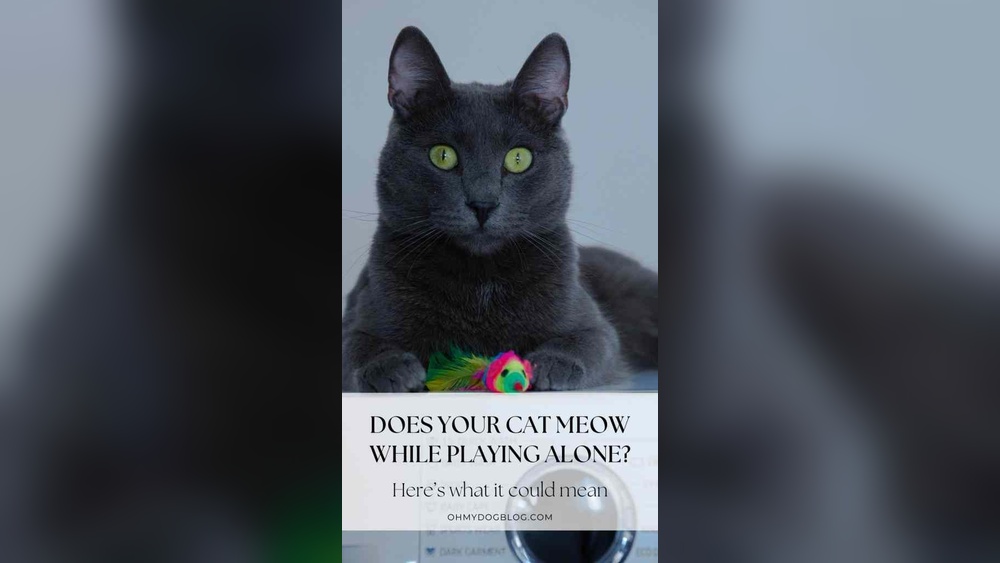
Have you ever caught your cat “singing” to her favorite toy and wondered why? It’s a curious and charming sight that can make you smile, but it also raises questions.
Why does your cat make those sounds? Is she happy, lonely, or trying to tell you something? Understanding this unique behavior can deepen the bond you share and give you insight into your furry friend’s world. Keep reading to discover the surprising reasons behind your cat’s “songs” and what they mean for you both.

Credit: www.amazon.com
Cat Vocalizations Explained
Cats use sounds to share their feelings and needs. Their voices tell us a lot about what they think. Understanding these sounds helps us connect better with them.
Different sounds mean different things. Cats often use their voices to get attention, show happiness, or express curiosity. Sometimes, they even sing to their toys. This behavior might seem strange but has a clear meaning to cats.
Types Of Cat Sounds
Cats make many sounds. The common ones are meows, purrs, growls, hisses, and chirps. Each sound shows a unique feeling or message.
Meows usually ask for something or say hello. Purring shows comfort or happiness. Growls and hisses warn others to stay away. Chirps and trills are playful and curious sounds.
What Singing Means To Cats
When cats “sing” to their toys, they often make chirping or trilling sounds. This is like talking to a friend or a prey. They might be practicing hunting or showing excitement.
Singing can also be a way for cats to bond with their toys. It shows they enjoy playing and feel safe. This vocalization is a sign of happiness and interest.
Credit: tumama-kids.com
Bonding With Toys
Cats form unique bonds with their toys. These objects become more than just playthings. They serve as companions that provide comfort and joy. Cats often express their feelings through sounds, including singing to their toys. This behavior shows a deep connection and attachment.
Emotional Attachment
Cats develop strong emotional ties to certain toys. These toys may remind them of their owners or other cats. Singing to a toy can be a way to show love and care. It also helps cats feel safe and happy. The toy becomes a source of comfort during quiet moments.
Imitating Social Interactions
Cats learn social behaviors by watching others. Singing to their toys mimics how they communicate with other cats. It is a way to practice social sounds in a safe space. This behavior strengthens the bond between the cat and its toy. It also helps cats feel less lonely.
Hunting Instincts And Play
Cats are natural hunters. Their play often shows their hunting instincts. Singing to their toys is one way they express these instincts. It helps cats stay sharp and entertained. Play is not just fun; it is practice for hunting skills. Understanding this behavior helps owners connect with their cats better.
Toy As Prey
Cats see their toys as small prey. They stalk, chase, and pounce just like in the wild. Singing may happen when they catch the toy. This sound mimics the noises cats make during a hunt. It signals excitement or victory. The toy becomes a target, not just an object. This role-playing helps cats stay alert and active.
Communication During Play
Singing is a form of communication for cats. It can show their feelings during play. Sometimes it means they are happy or focused. Other times, it warns the toy or nearby pets to keep away. This vocalization strengthens the play experience. It also reflects their natural instincts and emotions clearly.
Seeking Attention
Cats often sing to their toys as a way to seek attention. They want to make sure you notice them. This behavior shows their desire to connect and interact with you. It is their unique way of asking for company or playtime.
Understanding why your cat sings to her toy helps you respond better to her needs. It shows how much she values your presence and wants to share moments with you.
Gaining Human Interaction
Cats use sounds to get your attention. Singing to a toy is one way they try to involve you. They want you to join their play or simply watch them. This behavior helps build a stronger bond between you and your cat.
When your cat sings to her toy, she hopes you will talk back or play along. This makes her feel less alone and more connected to you.
Expressing Needs And Wants
Singing to a toy can also show what your cat needs. She might want food, water, or a cozy place to rest. Her song is a gentle way to tell you she needs something.
This behavior helps communicate feelings without using words. Paying attention to these sounds can improve your cat’s comfort and happiness.
Comfort And Security
Cats often sing or make sounds to their toys. This behavior shows they find comfort and security in their playthings. Toys become more than just objects. They act like friends or safe spots for cats.
Understanding why cats sing to toys helps us see their need for comfort. It also shows how toys help them feel safe and calm. Many cats use toys to soothe themselves and reduce stress.
Self-soothing Behavior
Singing to a toy is a way cats calm themselves. This is called self-soothing. Cats may purr, meow, or chirp softly to their toy. These sounds help them feel relaxed.
The toy acts like a comfort blanket or a friend. Cats use it to feel less lonely or scared. This behavior is common in cats who spend time alone. It helps them stay calm and happy.
Reducing Stress With Toys
Toys can reduce stress for cats. Singing or talking to a toy lowers their anxiety. It gives them a sense of control and safety. This is important in busy or noisy homes.
Playing and vocalizing with toys helps cats release nervous energy. It keeps their mind busy and reduces fear. Stress relief through toys improves a cat’s overall well-being and mood.
Health And Well-being
Cats express their feelings in many ways. Singing to a toy is one way your cat shows her health and well-being. This behavior often signals positive emotions and mental balance. Watching your cat interact with her toy can reveal much about her mood and health.
Indicators Of Happiness
A cat singing to her toy often means she feels safe and happy. Contentment shows through soft, gentle vocal sounds. Playful singing can mean your cat enjoys her environment. A relaxed body and focused attention on the toy are good signs. These moments help reduce stress and keep your cat calm.
When To Be Concerned
Repeated loud or frantic singing may indicate stress or pain. If your cat sings to her toy but shows other signs of discomfort, watch closely. Loss of appetite, hiding, or changes in behavior might signal health problems. Sudden changes in vocalization patterns deserve a vet check. Early attention helps keep your cat healthy and happy.

Credit: www.amazon.com
Frequently Asked Questions
Why Does My Cat Sing To Her Toy?
Cats may sing to toys to express excitement or mimic hunting behavior. It helps them engage mentally and physically with their playthings.
Is My Cat’s Singing A Form Of Communication?
Yes, singing can be a way for cats to communicate joy, curiosity, or even claim ownership of their toy.
Does Toy Singing Indicate My Cat’s Happiness?
Often, singing while playing shows your cat is content and stimulated. It reflects positive emotions and a healthy bond with the toy.
Can Singing To Toys Be A Hunting Instinct?
Absolutely. Cats mimic hunting sounds and behaviors when singing to toys, which satisfies their natural predatory instincts safely indoors.
Conclusion
Cats sing to their toys to express joy and curiosity. This behavior shows their playful and social side. Singing helps them feel safe and connected, even with objects. It also keeps them entertained and mentally active. Understanding this can deepen your bond with your cat.
Enjoy these special moments—they reveal your cat’s unique personality. Keep observing and learning about your furry friend’s habits. Every sound tells a story worth hearing.