
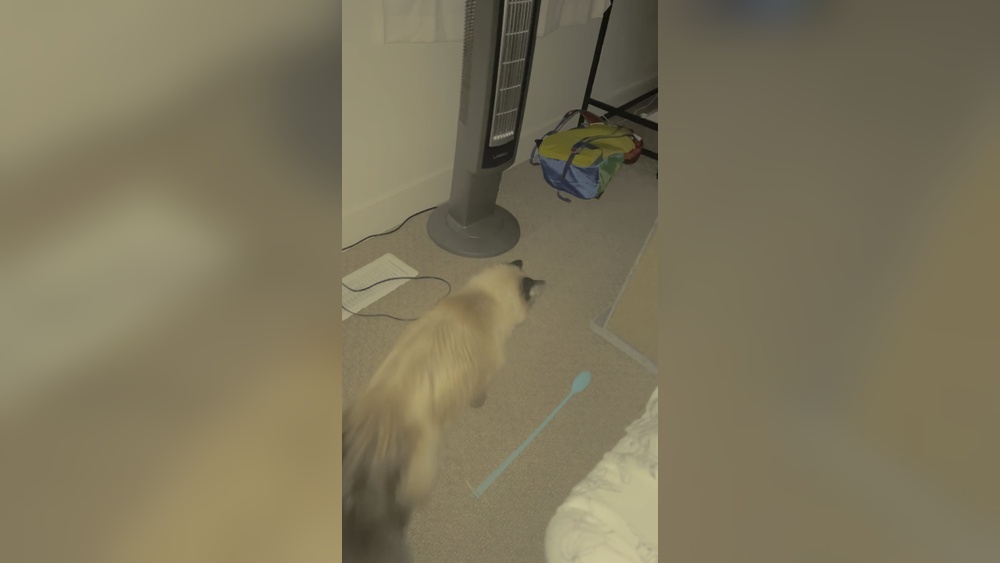
Have you ever noticed your cat yowling while playing with a toy and wondered why? It can be surprising and even a little confusing to hear those loud sounds coming from your usually quiet pet.
Understanding why your cat yowls during playtime can help you connect better with your furry friend and make play sessions more enjoyable for both of you. Keep reading to discover the reasons behind this behavior and what it means for your cat’s happiness and health.

Credit: www.reddit.com
Cat Yowling Basics
Cats use many sounds to communicate. Yowling is one of these sounds. It can sound loud and strange. Many cat owners wonder why their cats yowl while playing with toys. Understanding yowling basics helps you know what your cat feels. It shows a part of their mood and behavior.
Yowling is different from regular meowing. It is longer and more drawn out. Cats may yowl for many reasons. Sometimes it is a sign of excitement or frustration. Other times, it may mean your cat wants attention. Knowing these basics helps you respond better.
Common Cat Sounds
Cats make sounds like meows, purrs, hisses, and yowls. Meows are short and usually polite. Purrs show happiness or calmness. Hisses warn others to stay away. Yowls are loud and can mean many things. They often show strong feelings or needs. Each sound tells a different story.
When Yowling Occurs
Yowling often happens during playtime with toys. Your cat may feel excited or overstimulated. They may also yowl if they feel frustrated. Some cats yowl to get your attention. Sometimes, it happens if they want to show dominance. Watching your cat’s body language helps understand why.
Emotional Triggers
Cats use yowling to express strong feelings. Toys often trigger these sounds. Understanding emotional triggers helps you know your cat better.
Excitement And Play
Yowling can show a cat’s excitement during play. The toy sparks their hunting instincts. They get thrilled chasing or pouncing. The sound is a way to share joy and energy. It is a natural reaction to fun and movement.
Frustration And Overstimulation
Sometimes yowling means your cat feels frustrated. The toy might be just out of reach. Or the cat cannot catch it quickly. Too much play can cause overstimulation. The cat’s emotions become intense and loud. Yowling helps release built-up tension and stress.
Communication Signals
Cats use yowling as a way to talk to us and other animals. It is a vocal signal that shows what your cat feels or needs. Understanding these communication signals helps you respond better to your cat.
When your cat yowls while playing with a toy, it is trying to tell you something. It may want attention or feel uncomfortable. Paying attention to these signs improves your bond.
Seeking Attention
Sometimes, cats yowl to get your focus during playtime. They want you to join in or watch them. Yowling can mean they want more interaction or fun.
This call helps your cat feel noticed and loved. It is a way to invite you to share their excitement. Ignoring this signal might make them yowl louder.
Expressing Discomfort
Yowling can also mean your cat feels pain or stress. If a toy is too hard or sharp, your cat might show discomfort by yowling. It tells you the toy is not pleasant.
Stress from a noisy or rough play session can cause yowling too. Your cat uses this sound to warn you. Watching their body language helps you understand their feelings better.
Credit: www.reddit.com
Health-related Causes
Cats yowling while playing with toys can signal health problems. Understanding these signs helps you care for your pet better. Some health issues make cats uncomfortable or stressed during play. Recognizing these can keep your cat happy and safe.
Pain Or Injury
A cat might yowl if it feels pain or hurt. Playing with toys can worsen an injury or cause discomfort. Cats hide pain well but yowling shows they are upset. Check for wounds, limping, or sensitivity during play. A vet visit is important if your cat yowls often.
Age-related Changes
Older cats may yowl more with toys due to aging. Arthritis and joint stiffness make movement painful. Their senses, like sight and hearing, also decline. This can cause confusion or fear during play. Gentle toys and slow play help reduce stress for older cats.
Toy-related Factors
Cats often yowl during playtime, and toys play a big role in this behavior. Different toys can trigger different reactions. Some toys excite cats more, causing louder yowls. Understanding toy-related factors helps you choose better toys. This can make playtime happier for your cat.
Type Of Toy
Some toys mimic prey animals, like mice or birds. These toys can cause cats to yowl because they trigger hunting instincts. Noisy toys, like those with bells or crinkles, may also make cats vocal. Soft toys might lead to quieter play. The texture and size of the toy matter too. Toys that are too big or hard can frustrate cats. This frustration can cause yowling during play.
Interaction Style
Cats respond differently based on how you play with them. Fast movements can excite cats and cause yowling. Slow, gentle play might keep them calm. Some cats like chasing toys on strings. Others prefer pouncing on stationary toys. Your play style affects how your cat communicates. Loud yowls can be a sign of excitement or frustration. Paying attention to your cat’s reactions helps improve playtime.
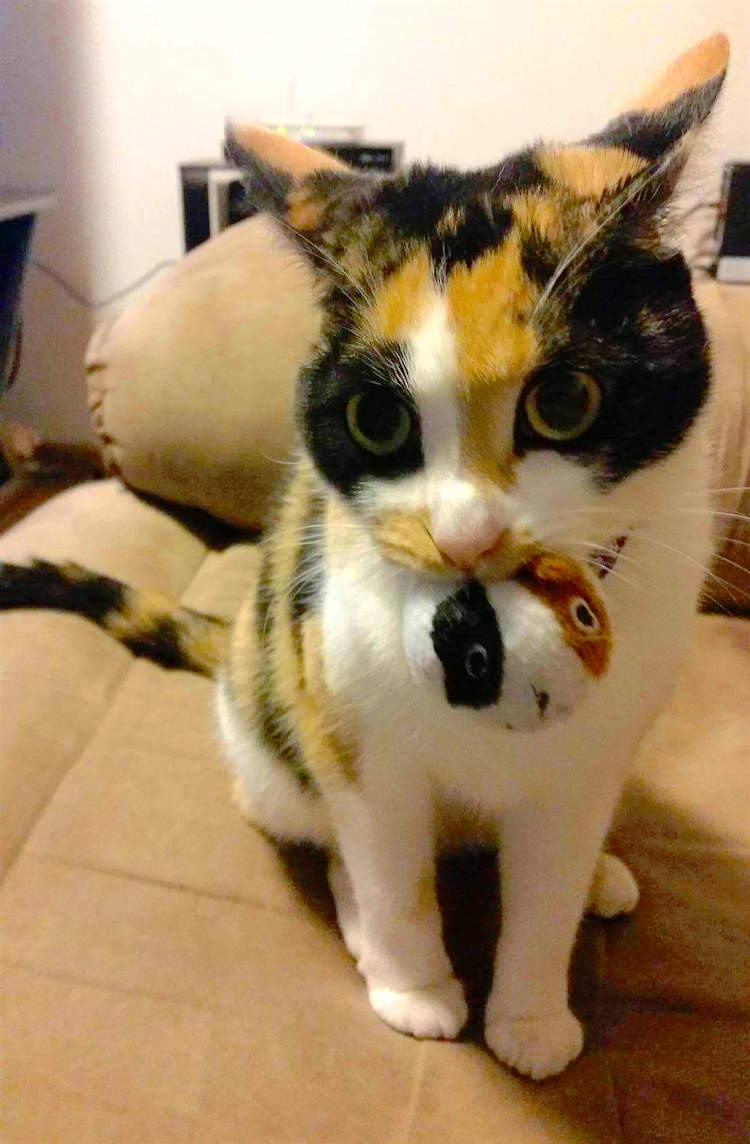
Credit: www.catsharks.org
Behavioral Insights
Understanding why your cat yowls while playing with toys involves looking at their natural behavior. Cats express many feelings through sounds. Yowling often shows strong emotions or instincts at work.
These sounds connect to deep behaviors like territory and hunting. Recognizing these can help you enjoy playtime with your cat more.
Territorial Instincts
Cats see toys as part of their space. They may yowl to warn others. This sound tells others to stay away. It shows your cat feels protective. Yowling can mean your cat is marking its area. This behavior is normal and shows confidence.
Hunting Drive
Toys mimic prey animals. Your cat’s yowl mimics a hunting call. It shows excitement and focus. Yowling can also mean your cat is trying to catch the toy. This sound is part of the chase. It helps your cat stay alert and ready. Playing triggers these natural hunting behaviors.
Tips To Manage Yowling
Yowling during play can be stressful for both you and your cat. Understanding how to manage this behavior helps keep playtime fun and calm. Simple steps can reduce yowling and improve your cat’s happiness.
These tips focus on choosing the right toys, planning play sessions well, and knowing when to ask a vet for help. Each step supports a peaceful and enjoyable playtime for your pet.
Choosing The Right Toys
Select toys that fit your cat’s size and energy level. Soft toys or those that mimic prey often work best. Avoid noisy or rough toys that might scare or annoy your cat. Rotate toys regularly to keep your cat interested and engaged. This can reduce stress and less yowling.
Playtime Strategies
Set short, regular play sessions to burn off your cat’s energy. Use toys that encourage gentle hunting and pouncing. Stop play if your cat starts to yowl or act overly excited. Calm breaks help your cat relax and enjoy play without stress. Consistent timing creates a routine your cat can trust.
Consulting A Veterinarian
Persistent yowling might signal pain or illness. A vet can check for health problems causing discomfort. They can also offer advice on managing behavior. Do not ignore sudden or loud yowling during play. Early vet visits ensure your cat stays healthy and happy.
Frequently Asked Questions
Why Does My Cat Yowl When Playing With Toys?
Cats often yowl during play to express excitement or mimic hunting calls. It’s a natural behavior linked to their predatory instincts and communication.
Is Yowling Normal When Cats Play With Toys?
Yes, yowling is normal during intense play. It shows engagement and stimulation, especially if the toy mimics prey movements.
Can My Cat’s Yowling Mean Stress Or Pain?
Sometimes, yowling may indicate discomfort or anxiety. Observe other signs like hiding or limpness and consult a vet if concerned.
How Can I Reduce My Cat’s Yowling While Playing?
Use quieter toys and play calmly. Ensure your cat feels safe and isn’t overstimulated during play sessions.
Conclusion
Cats yowl with toys to show excitement or frustration. They may want your attention or feel playful. Sometimes, yowling helps them express their hunting instincts. Watching your cat’s behavior can help you understand their needs. Give your cat time to enjoy their toys calmly.
This builds trust and keeps playtime fun. Knowing why your cat yowls makes you a better pet owner. Stay patient and enjoy these special moments together. Your cat’s voice is part of their unique personality.