
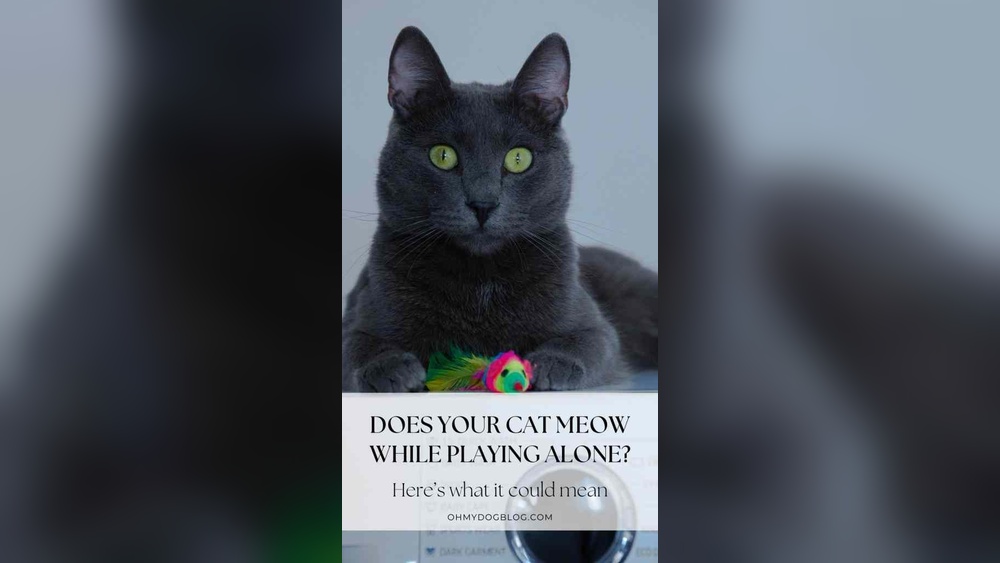
Have you ever noticed your cat yowling loudly over a simple toy mouse and wondered why? It can be surprising and a bit confusing to hear those sounds coming from your usually quiet pet.
Understanding why your cat reacts this way can help you connect better with them and make playtime more enjoyable for both of you. Keep reading to discover the surprising reasons behind your cat’s yowling and learn how to turn those noisy moments into happy, fun times.
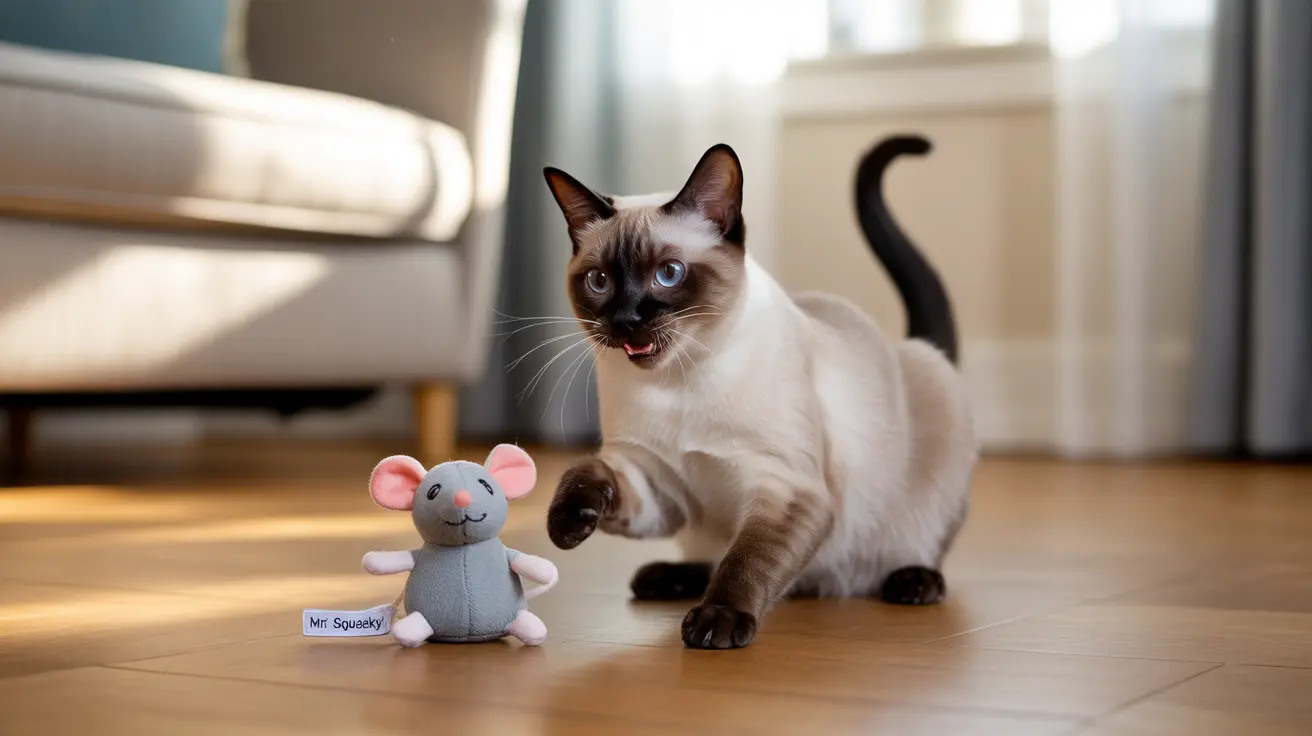
Credit: www.petscare.com
Cat Vocalizations And Behavior
Cats use sounds to share their feelings and needs. Understanding cat vocalizations helps decode their behavior. When your cat yowls over a toy mouse, it shows more than just play. It reflects their emotions and instincts. Cats speak through different sounds. Each sound tells a unique story about their mood and intentions.
Common Cat Sounds
Cats make many sounds to express themselves. Meowing is common and often means they want attention. Purring usually shows contentment or comfort. Hissing signals fear or warning. Chirping or chattering happens when cats watch birds or prey. Yowling is louder and more intense. It can mean distress, excitement, or a call for help.
What Yowling Signifies
Yowling is a strong, drawn-out sound. Cats yowl to get noticed or to warn. Sometimes, yowling means they feel threatened or scared. Over a toy mouse, yowling can show excitement or frustration. Your cat may be mimicking hunting sounds. It might also be trying to claim its “prey.” Yowling can signal a need for interaction or play.
Credit: www.reddit.com
Instincts Behind Yowling At Toys
Cats yowl at toy mice for many reasons rooted in their natural instincts. These sounds show their deep connection to hunting and territory. Understanding these instincts helps explain why your cat reacts this way to toys.
Hunting And Play Connection
Cats see toy mice as prey. Their yowling mimics the sounds they make during a hunt. This behavior comes from their wild ancestors. Play is practice for real hunting skills. Yowling helps cats focus and express excitement. It also signals their intent to catch the toy.
Territorial Reactions
Cats treat toys as part of their territory. Yowling can be a way to warn others away. It shows they want to protect their “catch.” This is common if other pets are nearby. The sound helps the cat claim its space. The toy mouse becomes a valued object in their environment.
Emotional Triggers
Cats often yowl over toy mice due to strong emotions. These sounds show how they feel inside. Understanding these feelings helps you connect with your cat better. Emotional triggers can make your cat vocal and active around toys.
Frustration And Excitement
Sometimes, cats yowl because they feel frustrated. The toy mouse may seem real but stays still. This can confuse your cat. Excitement also causes loud yowling. They want to catch and play with the toy. The mix of wanting and not catching causes noise.
Seeking Attention
Your cat might yowl to get your attention. They want you to join their play. Yowling is a way to say, “Look at me!” Cats enjoy interaction. The toy mouse becomes a tool to start fun with you. Your response matters to them.
Health And Comfort Factors
Health and comfort play a big role in why your cat might yowl over a toy mouse. Cats use sounds to tell us about their feelings and needs. Sometimes, yowling can mean they feel pain or discomfort. Other times, it shows they are stressed or anxious. Understanding these signs can help you keep your cat happy and safe.
Pain Or Discomfort Signals
Cats often yowl when they feel pain. The toy mouse might remind them of something that hurts. They may have an injury or sickness that makes playing uncomfortable. Watch for other signs like limping or hiding. These clues tell you your cat needs a vet check-up. Do not ignore loud or repeated yowling during play.
Stress And Anxiety Indicators
Stress can cause cats to yowl too. New toys or changes at home might scare them. The toy mouse could trigger memories of fear or past harm. Loud yowls mean your cat feels unsafe or worried. Help your cat relax by giving quiet time and a calm space. Gentle play and patience reduce anxiety and build trust.
How To Respond To Yowling
Understanding how to respond to your cat’s yowling over a toy mouse helps improve your bond. Cats use sounds to express feelings, needs, or discomfort. Responding well can keep playtime fun and stress-free.
Encouraging Positive Play
When your cat yowls during play, try to stay calm. Speak softly and gently encourage your cat to continue. Use the toy mouse to guide play in a fun way. Praise your cat with pets or soft words. This helps your cat feel safe and happy. Avoid yelling or sudden movements. These can scare or upset your cat. Offer breaks if your cat seems tired or stressed. Rotate toys often to keep interest high. Positive play makes your cat enjoy toys more.
When To Consult A Vet
Yowling that sounds painful or very loud needs attention. Watch for other signs like limping or hiding. If your cat stops eating or grooming, see a vet soon. Sudden changes in behavior can mean health issues. A vet can check for pain or illness. Don’t wait if you worry about your cat. Early care helps your cat feel better faster.
:max_bytes(150000):strip_icc():focal(1999x0:2001x2)/peo-cat-toys-test-trixie-5-1-activity-center-elizabeth-theriot-12_crop-1-1-8612968865894682b634e766481f5350.jpeg)
Credit: people.com
Frequently Asked Questions
Why Does My Cat Yowl At The Toy Mouse?
Cats yowl at toy mice due to excitement or frustration. They mimic hunting behavior and express strong interest or confusion.
Is Yowling Over Toys Normal Cat Behavior?
Yes, yowling over toys is normal. It shows a cat’s natural hunting instincts and desire to play or interact.
Can Yowling Mean My Cat Is Stressed By The Toy?
Sometimes. If yowling is loud or persistent, it might indicate stress or overstimulation from the toy mouse.
How Can I Stop My Cat’s Yowling Over Toys?
Redirect attention with different toys or play sessions. Calm your cat with gentle petting and breaks during play.
Conclusion
Cats yowl over toy mice for many reasons. They may feel excited or want your attention. Sometimes, yowling shows their natural hunting instinct. Your cat might also feel frustrated if the toy moves too fast. Watching your cat closely helps you understand their feelings.
Try playing gently and giving praise to calm them. Happy playtime keeps your cat healthy and happy. Enjoy the special bond built through simple toys. Your cat’s yowling is a sign of love and fun.