
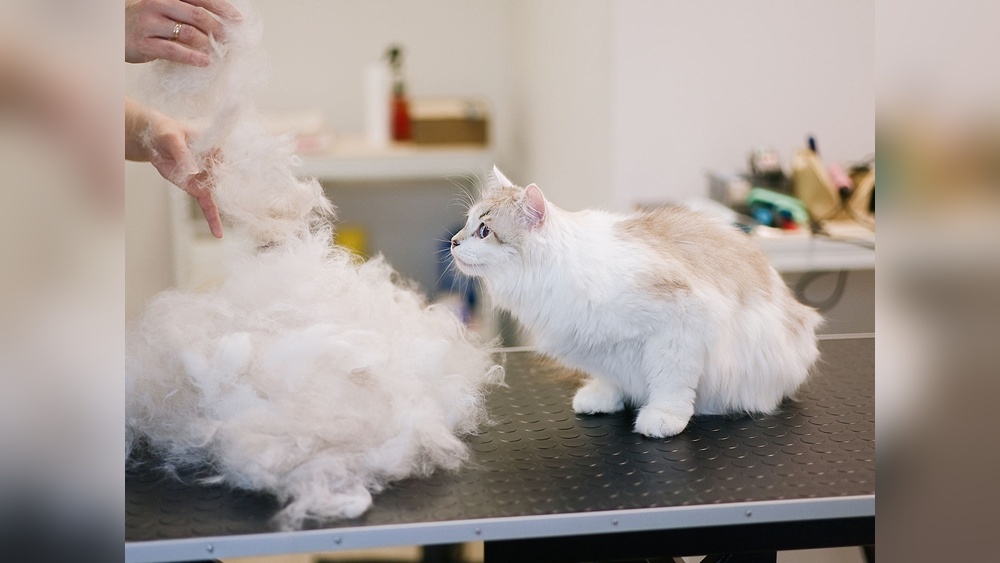
If you have a long-haired cat, you know how beautiful and soft their fur can be. But keeping that fur healthy and tangle-free takes some effort.
You might wonder how to make grooming easy and stress-free for both you and your cat. This guide will show you simple, effective ways to care for your cat’s long hair. By the end, you’ll feel confident in keeping your furry friend comfortable and looking their best every day.
Keep reading to discover tips that will make grooming a breeze!
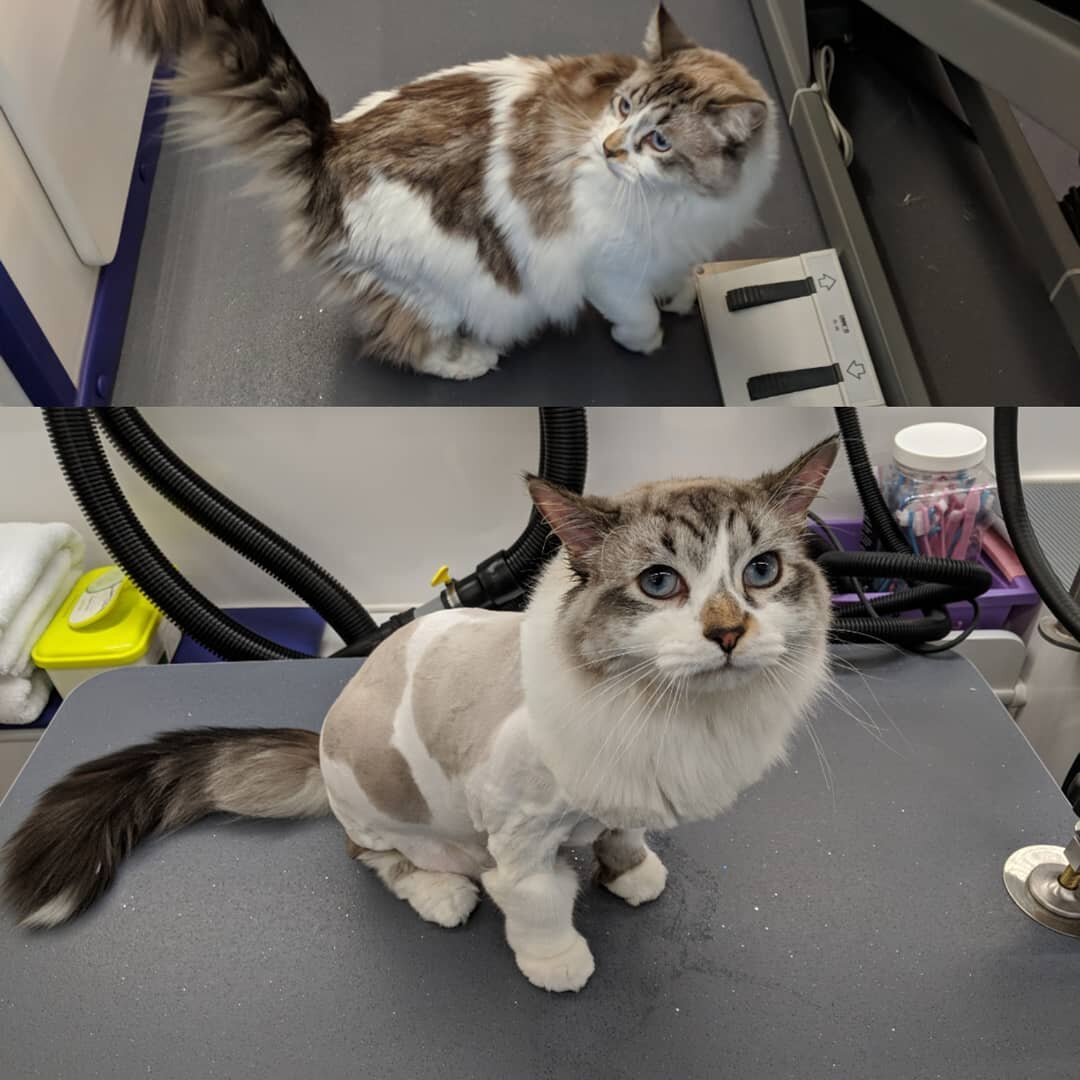
Credit: www.squeakycleangrooming.com
Choosing The Right Tools
Grooming a long-haired cat needs the right tools. Choosing good tools makes grooming easier and more effective. It helps keep your cat’s coat clean and healthy. The right tools also reduce pulling and discomfort. This section explains the best brushes, combs, and other supplies for long-haired cats.
Brush Types For Long Hair Cats
Soft-bristle brushes remove dirt and loose fur gently. Slicker brushes have fine wire bristles that detangle mats and knots. Pin brushes reach deep into thick fur without hurting the skin. Choose brushes that fit your cat’s fur type. Use them regularly to prevent mats and tangles.
Combs And Their Uses
Wide-tooth combs help detangle thick fur. Fine-tooth combs remove smaller knots and loose hair. Metal combs work best for sensitive skin. Use combs after brushing to catch hidden mats. Combing also helps check for fleas and skin problems.
Additional Grooming Supplies
Grooming scissors trim tough mats or hair around eyes. Nail clippers keep claws short and safe. A grooming spray helps with brushing and adds shine. Use grooming wipes for quick cleaning between baths. Keep all supplies clean and ready for use.

Credit: www.reddit.com
Preparing Your Cat
Preparing your long-haired cat for grooming helps make the process smooth and stress-free. Cats notice changes in their routine quickly. Gentle preparation builds trust and cooperation. It also protects their delicate fur and skin during grooming.
Start by setting a calm mood. Then, help your cat feel safe and relaxed. Finally, create a regular grooming routine. These steps make grooming easier for both you and your cat.
Creating A Calm Environment
Choose a quiet spot with little noise and few distractions. Soft lighting helps your cat stay calm. Avoid sudden sounds or fast movements. Use a comfortable surface like a soft towel or mat. Keep all grooming tools ready before you begin.
Getting Your Cat Comfortable
Spend time petting your cat before grooming. Use slow, gentle strokes on areas they enjoy. Let your cat sniff and explore the grooming tools. Speak softly to reassure your cat. Stop if your cat shows signs of stress. Give breaks and offer treats to build positive feelings.
Setting A Grooming Schedule
Choose regular grooming times to create a habit. Short sessions work better than long ones. Groom your cat more often in heavy shedding seasons. Keep each session consistent in timing and place. A routine helps your cat accept grooming as normal. This reduces anxiety and tangles in their fur.
Brushing Techniques
Brushing long-haired cats needs care and patience. Proper brushing keeps their coat clean and healthy. It stops hair mats and reduces shedding. Using the right techniques makes grooming easier. It also helps your cat enjoy the process.
Detangling And Removing Mats
Start by checking for tangles and mats. Use a wide-tooth comb to gently loosen knots. Hold the fur near the skin to avoid pulling. Work slowly and carefully to prevent pain. For tough mats, use a mat splitter or small scissors. Cut mats only if your cat stays calm. Always be gentle to protect your cat’s skin.
Brushing Direction And Frequency
Brush in the direction of hair growth. This helps remove loose fur and dirt. Use a soft-bristle brush for sensitive areas. Brush your cat daily to prevent tangles. Short sessions work best, around five to ten minutes. Regular brushing keeps the coat shiny and smooth. It also reduces hairballs and skin problems.
Handling Sensitive Areas
Long-haired cats have sensitive spots like the belly and tail. Use a gentle touch on these areas. Start brushing from less sensitive parts first. Let your cat get used to the brushing motion. Stop if your cat shows signs of stress. Use soft brushes or your fingers for delicate spots. Be patient and calm throughout the grooming.
Bathing Tips
Bathing long hair cats needs care and patience. Their thick fur holds dirt and oils more than short hair cats. Regular baths help keep their coat clean and healthy. Here are useful tips to make bathing easier and safer for your cat.
Choosing The Right Shampoo
Pick a shampoo made for cats only. Human or dog shampoos can irritate their skin. Look for mild, hypoallergenic formulas. Shampoos with natural ingredients work best. Avoid products with strong fragrances or harsh chemicals. These can cause dryness or allergic reactions.
Bathing Steps For Long Hair Cats
Brush your cat’s fur before the bath. This removes loose hair and tangles. Fill the tub or sink with lukewarm water. Keep water shallow, just enough to wet the fur. Gently wet your cat using a cup or sprayer. Apply shampoo and work it into the fur carefully. Avoid eyes, ears, and nose. Rinse thoroughly to remove all shampoo. Leftover shampoo can cause itching or skin problems.
Drying And Post-bath Care
Use a soft towel to dry your cat. Pat the fur gently; do not rub. Long hair can tangle easily when wet. Keep your cat in a warm room during drying. You can use a hairdryer on low, but keep it far away. Brush the fur again after drying. This helps remove tangles and smooths the coat. Reward your cat with treats for good behavior.
Dealing With Common Issues
Long-haired cats need special care to stay healthy and happy. Grooming helps avoid many common problems. These problems can cause discomfort or health issues. Regular attention to these issues keeps your cat comfortable. Here are some key points to focus on.
Preventing Hairballs
Hairballs form when cats swallow loose fur. Long hair increases this risk. Brushing your cat daily removes loose fur. This reduces how much fur they swallow. Feeding special hairball control food can help. Giving your cat water often also aids digestion. Watch for coughing or gagging, signs of hairballs.
Managing Shedding
Shedding can be heavy in long-haired cats. Regular grooming reduces loose hair around the house. Use a wide-toothed comb to detangle fur gently. Brush in the direction of hair growth to avoid pain. Bathing your cat occasionally can remove dead hair. Keep your home clean to reduce fur buildup.
Recognizing Skin Problems
Skin issues can hide under long fur. Check your cat’s skin often during grooming. Look for redness, bumps, or bald spots. Scratching more than usual may signal irritation. Fleas and ticks prefer long fur areas. Use vet-approved treatments if you find pests. Early detection of skin problems prevents serious illness.
Maintaining A Silky Coat
Maintaining a silky coat on long-haired cats takes care and attention. Their fur can easily tangle and become dull without the right routine. Soft, shiny fur means your cat is healthy and happy.
Focus on three key areas to keep the coat smooth and bright. These are diet and nutrition, regular grooming habits, and knowing when to seek professional help. Each plays an important role in your cat’s fur health.
Diet And Nutrition
Your cat’s coat starts with good food. High-quality cat food with essential fatty acids helps the fur stay soft and shiny. Omega-3 and omega-6 oils improve fur texture and reduce dryness.
Fresh water also supports healthy skin and fur. Dehydration makes the coat brittle and prone to knots. Provide clean water every day for best results.
Supplements like fish oil can help if your cat’s diet lacks nutrients. Always check with your vet before adding supplements.
Regular Grooming Habits
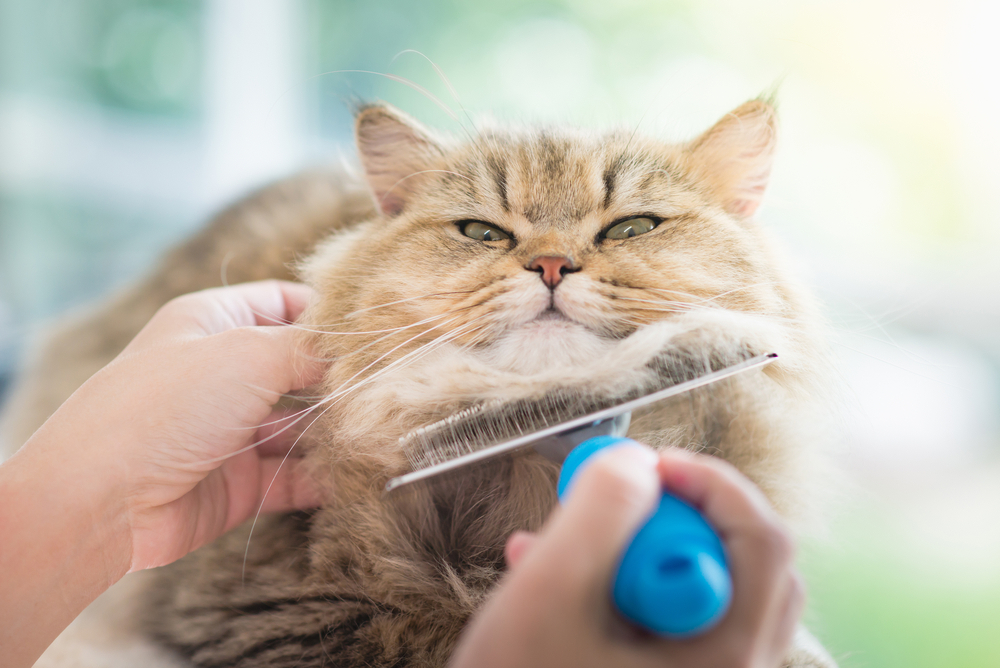
Daily brushing prevents mats and tangles in long hair. Use a wide-tooth comb or a slicker brush designed for cats. Brushing also spreads natural oils through the fur, adding shine.
Baths are needed only occasionally. Too many baths can dry out the skin. Use cat-safe shampoos and rinse well.
Check for debris, dirt, and loose hair during grooming. Clean ears and trim nails to keep your cat comfortable and healthy.
When To Seek Professional Help
Some coats need extra care beyond home grooming. If mats form and you cannot remove them, visit a groomer. Professional groomers can safely cut out tangles.
Skin problems like redness or hair loss need a vet’s advice. They can find underlying issues affecting the coat’s health.
Regular vet visits help catch coat problems early. This keeps your cat looking and feeling great.
Credit: unionlakepetservices.com
Frequently Asked Questions
How Often Should I Groom My Long-haired Cat?
Long-haired cats need grooming at least 3-4 times a week. Regular brushing prevents matting and reduces shedding. Frequent grooming keeps their coat healthy and clean. It also helps you spot skin issues early.
What Tools Are Best For Grooming Long Hair Cats?
Use a wide-toothed comb, slicker brush, and grooming scissors. These tools gently detangle fur and remove loose hair. They prevent discomfort and skin irritation. Choose tools designed specifically for long-haired cats.
How Can I Prevent Mats In My Cat’s Fur?
Brush your cat regularly to prevent mats and tangles. Focus on areas like behind ears and under legs. Use detangling sprays if needed. Regular grooming keeps the coat soft and mat-free.
Is Bathing Necessary For Long-haired Cats?
Bathing is rarely needed but can help if your cat is very dirty. Use cat-friendly shampoo and warm water. Bathing reduces grease and loose hair. Always dry your cat thoroughly afterward.
Conclusion
Grooming long-haired cats keeps their coats healthy and clean. Regular brushing stops mats and reduces shedding. It also helps you check for skin problems early. Be patient and gentle to make grooming a good experience. Use the right tools and stay consistent with care.
Your cat will feel more comfortable and look great. Simple steps can make a big difference in their well-being. Take time each day to care for your furry friend. A happy cat means a happy home.