
Have you ever noticed your cat licking itself more than usual and wondered why? Excessive grooming in cats can be more than just a quirky habit—it might be a sign your furry friend is trying to tell you something important.
Understanding why your cat grooms excessively can help you keep them happy and healthy. You’ll discover the common reasons behind this behavior and what you can do to help your cat feel better. Keep reading to learn how to spot the signs and take action before it becomes a bigger problem.
:strip_icc()/how-to-stop-cat-over-grooming-554052-02-292560d5fa1542458556eff312f669d7.jpg)
Credit: www.thesprucepets.com
Common Reasons For Excessive Grooming
Excessive grooming in cats often causes concern for pet owners. Understanding the common reasons helps to identify if the behavior is normal or a sign of a problem. Cats groom themselves to stay clean, but too much grooming may indicate stress or health issues. Paying attention to their habits can keep your cat happy and healthy.
Normal Grooming Behavior
Cats groom to clean their fur and skin. It removes dirt and loose hair. Grooming also spreads natural oils, keeping the coat shiny. Short grooming sessions several times a day are normal. This behavior helps cats feel comfortable and relaxed.
Stress And Anxiety
Stress can cause cats to groom more than usual. Changes in environment or routine may trigger anxiety. Grooming becomes a way to calm themselves. Over-grooming may lead to bald spots or sores. Identifying stress sources helps reduce this behavior.
Skin Irritations
Skin problems often cause excessive grooming. Fleas, allergies, or infections can make cats itchy. They lick or bite the irritated area to find relief. Persistent itching signals a need for veterinary care. Treating skin issues stops over-grooming and discomfort.

Credit: www.reddit.com
Medical Causes Behind Over-grooming
Excessive grooming in cats often signals an underlying medical issue. Cats may groom too much to relieve discomfort or irritation. Identifying the medical causes helps protect their health and well-being.
Allergies And Sensitivities
Allergies cause itching and skin irritation in cats. Common triggers include food, pollen, and dust mites. Cats lick or bite the irritated spots to soothe the itch. This behavior can lead to hair loss and sores. Treating allergies reduces the need for over-grooming.
Parasites And Infections
Parasites like fleas cause intense itching in cats. Mites and ticks also irritate the skin. Bacterial or fungal infections worsen the problem. Cats groom excessively to try to remove these pests. Proper parasite control and treatment stop the over-grooming cycle.
Pain And Discomfort
Injuries or joint pain may cause cats to groom a specific area more. Grooming acts as a way to relieve stress or discomfort. Internal issues like arthritis can also trigger this behavior. Consulting a vet helps diagnose hidden causes of pain. Managing pain improves the cat’s quality of life.
Behavioral Triggers
Behavioral triggers often cause cats to groom themselves too much. This grooming goes beyond normal cleaning. It can be a sign of stress or boredom. Understanding these triggers helps pet owners support their cats better.
Boredom And Lack Of Stimulation
Cats need mental and physical activity to stay happy. Without enough play or toys, they get bored. Excessive grooming may become a way to pass time. It helps them feel less restless but can harm their skin.
Changes In Environment
Moving to a new home or adding a new pet can stress cats. They may groom more to soothe themselves. This behavior acts like a comfort routine. It helps them cope with the unknown or change around them.
Compulsive Disorders
Some cats develop grooming habits they cannot control. These compulsive behaviors cause hair loss and skin damage. They need help from a vet or behaviorist. Treatment may include medication or behavior therapy.
Credit: pittwateranimalhospital.com.au
Signs To Watch For
Excessive grooming in cats can signal health or emotional issues. Spotting the right signs early helps protect your cat’s well-being. Watch your cat closely for changes in fur, skin, and behavior. These clues show if grooming is a problem or just normal care.
Hair Loss Patterns
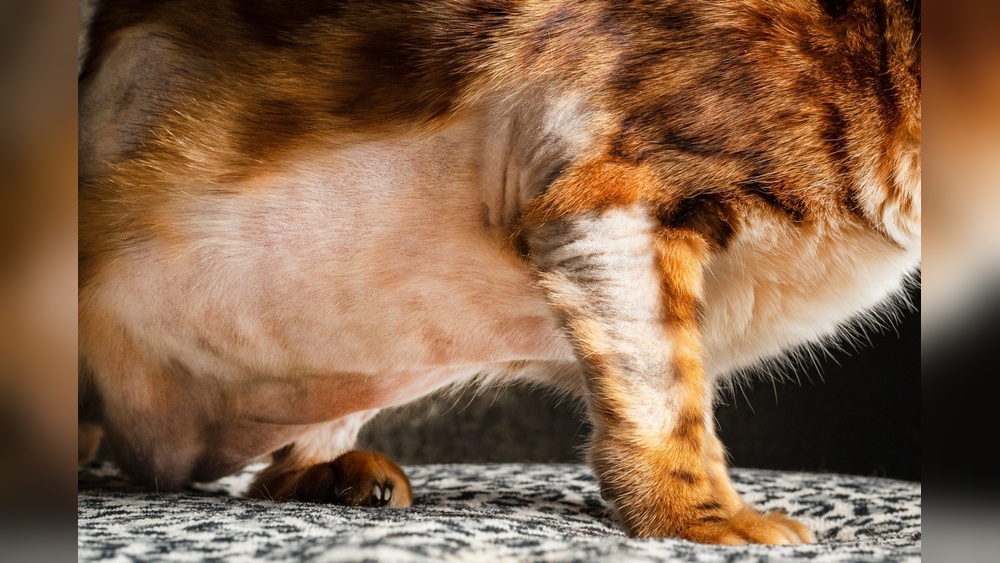
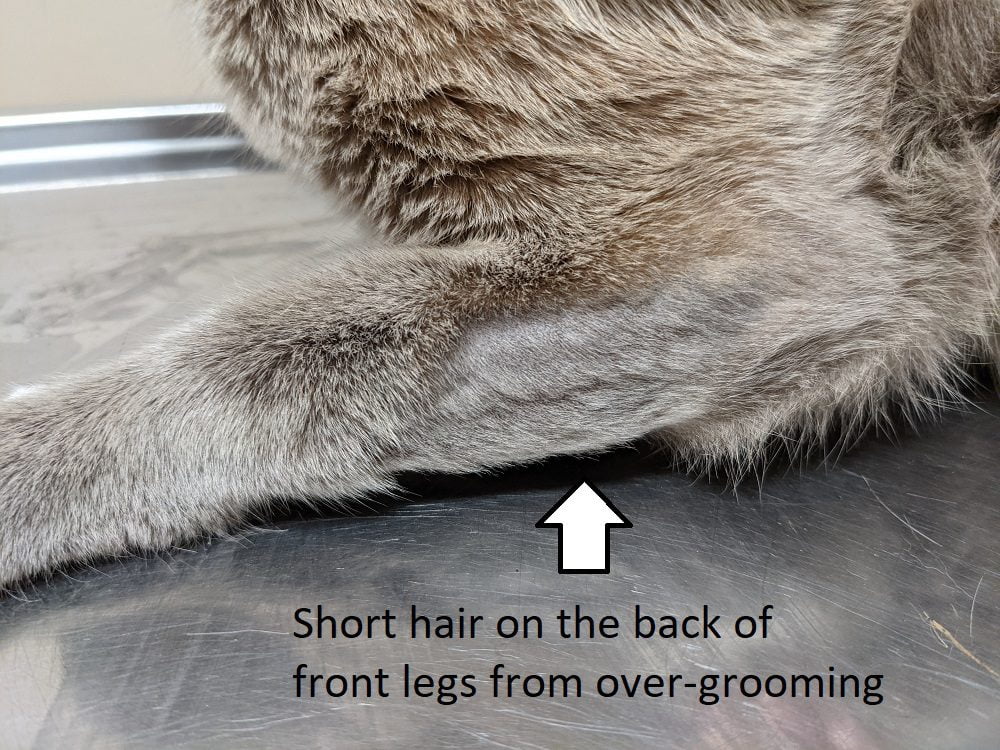
Look for patches where fur is missing. Bald spots often appear on the belly, legs, or sides. Uneven hair loss or thinning fur can mean over-grooming. Check if the skin beneath is red or irritated. This pattern shows your cat may be grooming too much.
Skin Damage
Notice any sores, scabs, or wounds on your cat’s skin. Over-grooming can cause cuts or raw areas. The skin might look dry or flaky. Constant licking or scratching worsens these injuries. Damaged skin can lead to infections if left untreated.
Changes In Mood Or Activity
Your cat may act restless or nervous. Excessive grooming sometimes links to stress or anxiety. Watch for less play or hiding more than usual. Sudden mood changes can signal discomfort or illness. These behavior shifts need attention alongside physical signs.
How To Help Your Cat
Helping a cat that grooms too much takes patience and care. Understanding what causes this behavior helps you support your pet better. You can create a calm home, check their health, and use gentle products to soothe your cat.
Creating A Stress-free Space
Cats groom more when they feel nervous or scared. Make a quiet place for your cat to relax. Use soft bedding and keep the area clean. Give your cat time alone without loud noises or busy activity. Toys and scratching posts can keep them busy and calm.
Regular Vet Checkups
Health problems can cause excessive grooming. Take your cat to the vet often for checkups. The vet can find skin issues, allergies, or pain that make your cat lick too much. Early treatment helps stop the grooming before it gets worse.
Using Soothing Products
Products like calming sprays or collars can help your cat feel safe. Choose items made for cats only. These products release smells that calm your cat’s nerves. Use them in the cat’s resting area or on their bedding for best results.
Frequently Asked Questions
Why Does My Cat Groom Excessively?
Cats groom excessively to relieve stress, anxiety, or skin irritation. Overgrooming can signal allergies, parasites, or behavioral issues. Monitoring grooming helps detect health problems early.
Can Excessive Grooming Harm My Cat?
Yes, excessive grooming can cause hair loss, skin wounds, and infections. It weakens the skin barrier and may lead to discomfort. Early intervention prevents worsening conditions.
How Can I Stop My Cat’s Excessive Grooming?
Identify and address underlying causes like allergies or stress. Provide enrichment, reduce stress, and consult a vet for medical treatments. Behavioral therapy may help in some cases.
Is Excessive Grooming A Sign Of Illness?
Excessive grooming can indicate illnesses such as allergies, infections, or pain. It also reflects emotional distress. Observing other symptoms helps determine if veterinary care is needed.
Conclusion
Cats groom to stay clean and healthy. Excessive grooming can show stress or health issues. Watch your cat’s behavior closely. A vet visit helps find any problems early. Keeping your cat happy reduces over-grooming risks. Understanding your cat’s needs supports their well-being.
Small changes can make a big difference. Caring for your cat means noticing these signs. Stay patient and gentle with your furry friend.