
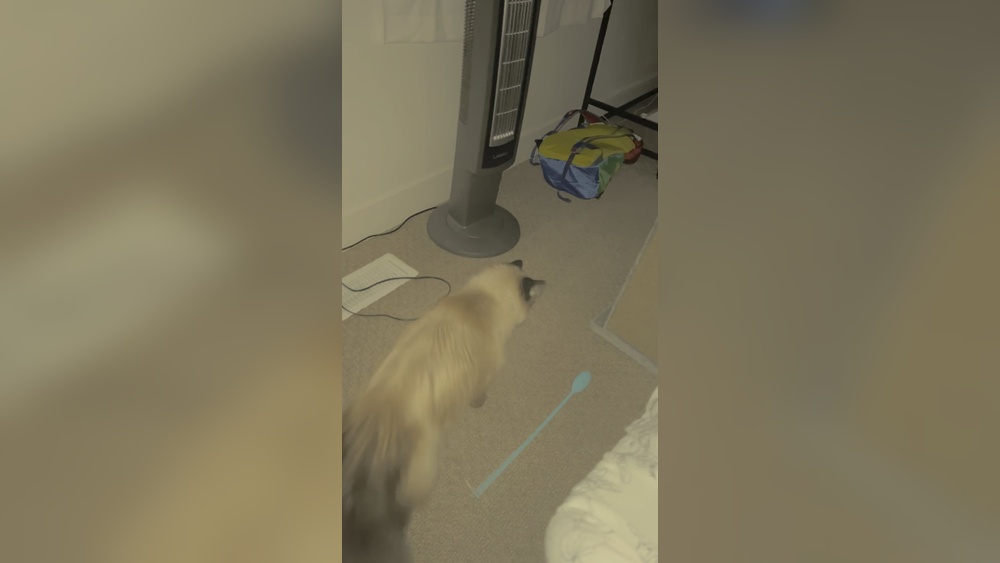
Have you ever caught your cat chatting away to its toy and wondered, “Why does my cat talk to its toy?” It’s a strange but fascinating sight that can make you smile or even scratch your head in curiosity. Your furry friend’s little conversations might seem odd, but they reveal a lot about how your cat thinks and feels.
Keep reading, and you’ll discover surprising reasons behind this quirky behavior that will change the way you see your pet forever.

Credit: kinshipgoods.com
Cat Communication Basics
Cats use many ways to communicate. They do not speak like humans but have their own language. Understanding cat communication helps us know what they want or feel.
Cats use sounds, body movements, and facial expressions to share messages. Each sound can mean different things. Watching and listening closely reveals their feelings and needs.
How Cats Use Vocalization
Cats make sounds to get attention or show emotions. They may meow to ask for food or company. Purring often means they feel happy or safe.
Sometimes cats hiss or growl to warn others. These sounds show fear or anger. Vocalization helps cats express themselves clearly without actions.
Different Cat Sounds And Their Meanings
Meows vary in tone and length. Short meows often mean hello or curiosity. Longer meows can ask for something or show frustration.
Purring usually means contentment but can also signal pain. Hissing means the cat feels scared or threatened. Growling is a strong warning to back off.
Chirps and trills are friendly sounds. Cats use them to greet or get attention. Understanding these sounds helps explain why cats talk to their toys.
Reasons Cats Talk To Toys
Cats often make noises or “talk” to their toys. This behavior can seem strange but has clear reasons. Understanding why cats talk to toys helps us learn more about their nature and feelings.
Imitating Hunting Behavior
Cats use sounds to mimic hunting actions. Talking to toys can be part of their hunting play. It helps them practice stalking, catching, and killing. These noises show their natural instincts at work. The toy becomes a pretend prey during this play.
Expressing Curiosity And Playfulness
Cats talk to toys out of curiosity. They explore new objects by making sounds. This behavior shows their playful mood. It keeps them entertained and active. Talking to toys is a way to enjoy their time alone.
Seeking Attention Or Interaction
Sometimes cats talk to toys to get attention. They might want you to join their play. The sounds can be a call for interaction. Cats like sharing moments with their owners. Talking to toys can be a way to connect with you.
Emotional Connection With Toys
Cats often talk to their toys because they form strong feelings toward them. These toys are more than just objects. They become a source of comfort and emotional support. Cats may treat their toys like friends or family. This connection helps cats feel safe and less lonely.
Comfort And Security Factors
Toys provide comfort to cats in many ways. Cats feel safe when they have a familiar object nearby. Toys often carry the cat’s scent, which is soothing. This scent helps cats relax and feel at home. Talking to toys can be a way for cats to express happiness and calmness. It helps reduce stress and anxiety in unfamiliar places or times.
Toys As Substitute Companions
Sometimes cats see toys as friends or companions. When alone, cats may talk to toys to feel less lonely. This behavior mimics how they interact with other cats or humans. Toys become a safe way to practice social skills. Talking to them can also show affection and playfulness. It keeps the cat mentally active and emotionally fulfilled.
Impact Of Environment On Cat Behavior
The environment around a cat shapes its behavior a lot. Cats react to their surroundings more than most people think. Their moods and actions depend on what they see, hear, and feel daily.
Sometimes, a quiet or empty space can make a cat act differently. It may start talking to its toy as a way to stay active or feel less alone. Toys can become friends in a silent room.
Loneliness And Boredom Effects
Loneliness makes cats seek attention. They may meow or “talk” to their toys to fill the silence. This behavior shows they want company or fun.
Boredom makes cats restless. Without enough play or interaction, they use toys to entertain themselves. Talking to toys helps break the dull moments.
Role Of Stimulating Toys
Toys that move or make sounds catch a cat’s interest. These toys keep cats busy and happy. Talking to these toys is a sign of engagement.
Stimulating toys provide mental exercise. They stop cats from feeling lonely or bored. A cat’s chatter often means it enjoys the playtime.
Enhancing Cat-toy Interaction
Enhancing the way your cat interacts with its toys can deepen their bond. Cats often talk to their toys as part of play and communication. This behavior shows engagement and curiosity.
By improving their playtime, you help your cat stay active and happy. Toys become more than just objects; they turn into companions for fun and learning.
Choosing The Right Toys
Select toys that match your cat’s size and play style. Soft toys can invite gentle bites and cuddles. Wand toys encourage chasing and jumping.
Look for toys with different textures and sounds. These keep your cat curious and interested. Avoid small parts that can be swallowed or cause harm.
Encouraging Healthy Play
Set aside daily time for interactive play. Use toys to mimic hunting and stalking motions. This taps into your cat’s natural instincts.
Keep sessions short but frequent to avoid tiring your cat. Praise and gentle petting after play build trust. Rotate toys to keep the experience fresh and exciting.

Credit: www.reddit.com
Credit: www.reddit.com
Frequently Asked Questions
Why Does My Cat Vocalize At Its Toy?
Cats vocalize at toys to mimic hunting behavior. It’s a way to express excitement and interaction. This communication helps cats engage mentally and physically with their environment, making playtime more stimulating and enjoyable.
Can Talking To Toys Indicate A Cat’s Loneliness?
Yes, cats may “talk” to toys if feeling lonely. Toys provide companionship and mental engagement. Vocalizing is a way cats seek interaction when alone, helping reduce boredom and anxiety.
Is My Cat’s Talking To Toys A Sign Of Stress?
Occasional talking to toys is normal play behavior, not stress. However, excessive vocalization might indicate anxiety or discomfort. Monitoring your cat’s overall behavior helps determine if stress is present.
Do Cats Understand Their Toys When They Talk To Them?
Cats don’t understand toys as living beings but treat them as prey. Vocalizing is part of their natural hunting instinct. It enhances the play experience by simulating real-life interactions.
Conclusion
Cats talk to their toys to express feelings and play. This behavior shows their curiosity and need for interaction. Toys become a fun way for cats to practice hunting skills. Talking to toys helps cats feel less lonely when alone.
Watching your cat talk to toys can strengthen your bond. Understanding this habit helps you care better for your pet. Every cat is unique, so enjoy their little quirks. Keep providing toys and love to keep your cat happy.