
Have you ever felt your cat gently licking or nibbling on your skin, carefully grooming themselves while sitting right on you? It might seem like a simple, sweet moment, but there’s more to this behavior than meets the eye.
When your cat chooses you as their personal grooming spot, they’re sending signals that go beyond just cleanliness. Understanding why your feline friend does this can deepen your bond and help you respond in the best way. Keep reading to discover the surprising reasons behind this unique act and what it means for your relationship with your cat.
Why Cats Groom Themselves
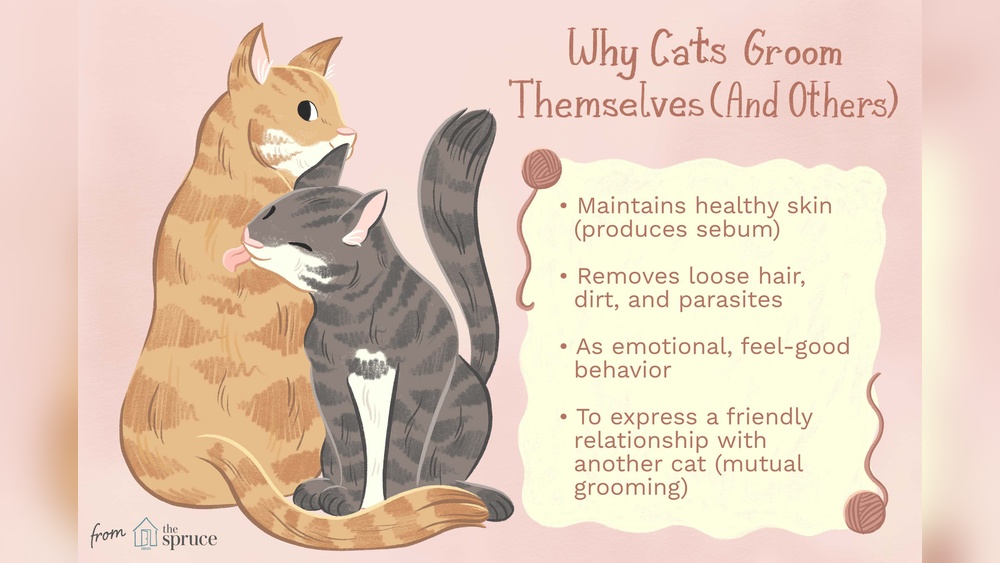
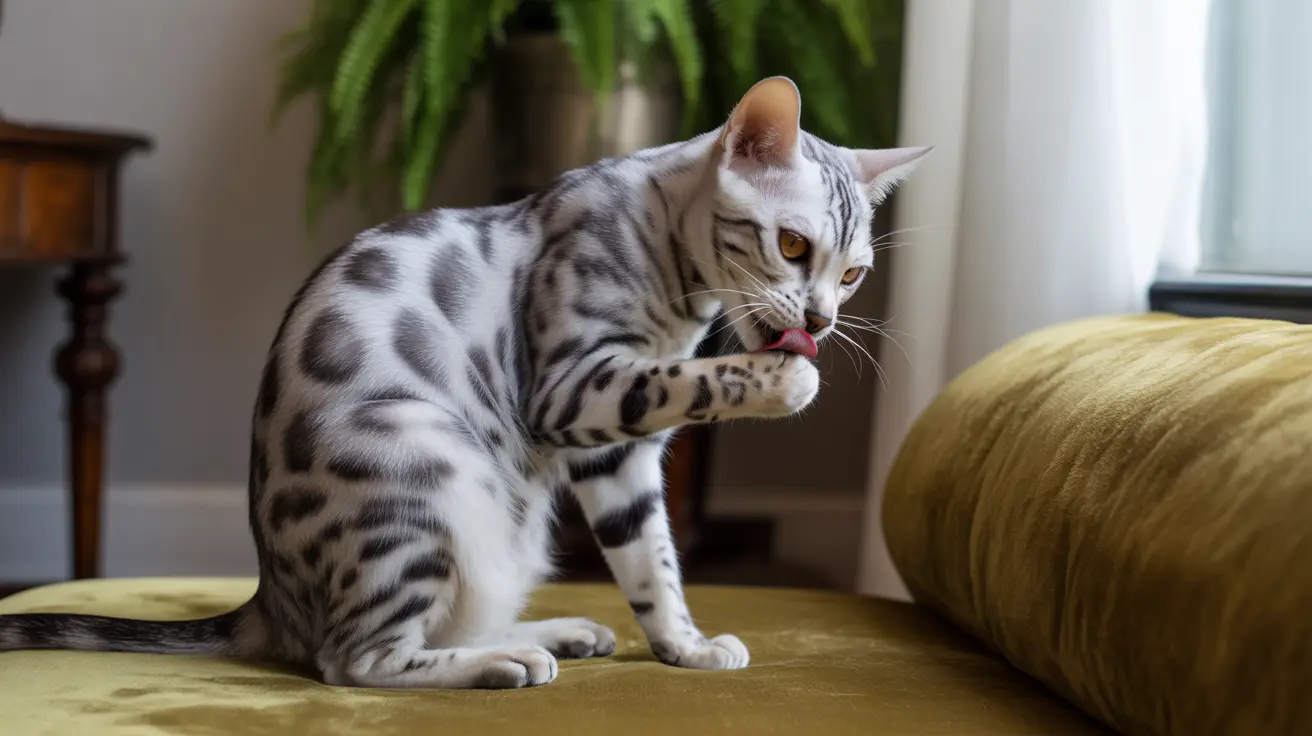
Cats spend a lot of time grooming themselves. This behavior is natural and important. Grooming helps cats stay healthy and feel safe. It is more than just cleaning. It shows how cats take care of their bodies and minds.
Instincts Behind Grooming
Cats groom themselves because of strong instincts. Wild cats use grooming to hide their scent. This helps them stay safe from predators. Domestic cats still keep this habit. Grooming is a natural way to protect themselves.
Maintaining Cleanliness
Grooming keeps cats clean and free from dirt. It removes loose fur and dust from their coat. This helps their skin breathe better. Clean fur also stops insects and germs from causing harm.
Stress And Comfort
Grooming helps cats relax and feel calm. When cats are nervous, they lick themselves to soothe. It works like a natural stress relief. Grooming also gives them comfort and a sense of control.
Credit: www.petscare.com
Grooming Behavior Directed At Owners
Cats grooming themselves on their owners is more than a simple habit. This behavior shows a special bond between cat and human. It means the cat trusts and feels safe with you. Cats use grooming to communicate feelings and create connections.
Understanding why cats groom their owners helps deepen the relationship. It shows affection, marks territory, and builds social bonds. Each reason reveals something important about your cat’s emotions.
Signs Of Affection
Grooming is a way cats show love. When a cat licks your skin or hair, it means they care. Cats lick their kittens to clean and comfort them. Doing this to you means they see you as family.
This gentle grooming calms the cat and the owner. It helps the cat feel close and protected. Your cat’s soft licking is a clear sign of affection and trust.
Marking Territory
Cats have scent glands in their mouths. When they lick you, they leave their scent behind. This marks you as part of their territory. It tells other cats, “This person belongs to me.”
Scent marking helps cats feel safe in their space. It also keeps strangers away. Grooming you is a way for cats to claim their human and their home.
Building Social Bonds
Grooming helps cats build social ties. They groom other cats to create friendships. When a cat grooms you, it is including you in their social group.
This behavior strengthens the bond between you and your cat. It creates a sense of togetherness and loyalty. Grooming is a natural way cats show they want to be close.
Emotional Signals In Grooming
Cats grooming themselves on you is more than just cleaning. It shows feelings and messages. This behavior is a way cats express emotions without words. Understanding these signals helps build a stronger bond with your cat.
Trust And Security
When a cat grooms you, it shows deep trust. Cats only groom those they feel safe with. This act means your cat sees you as part of its family. It feels secure enough to let its guard down around you.
Seeking Attention
Cats sometimes groom you to get your focus. It is a gentle way to say, “Notice me.” This behavior invites interaction or play. Your cat wants to connect and share time with you.
Calming Themselves
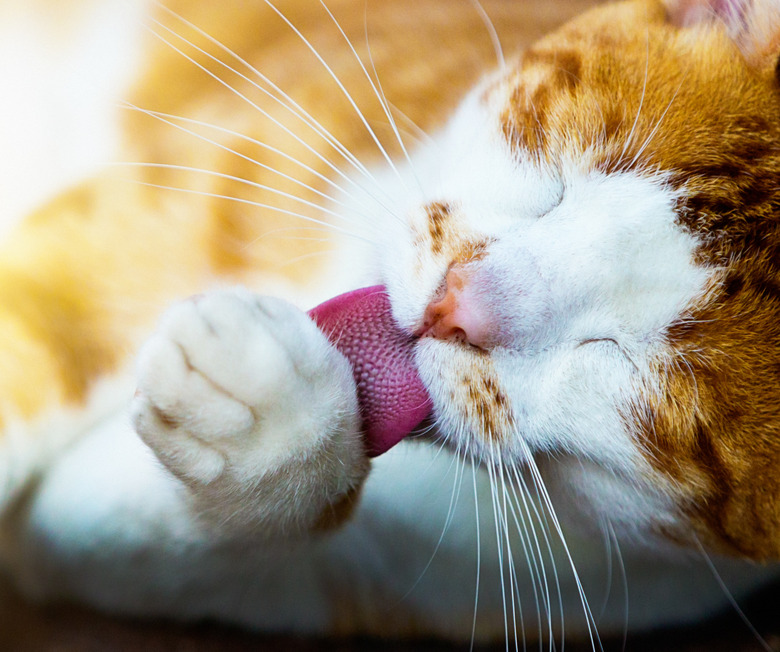
Grooming can help cats feel calm and relaxed. When stressed, cats lick themselves or others. Grooming you might soothe your cat during tense moments. It is a natural way for them to find peace.
Credit: www.cuteness.com
When Grooming Indicates Health Issues
Cats groom themselves to stay clean and healthy. Sometimes, grooming shows more than just hygiene. It can signal health problems or stress. Watching your cat’s grooming habits helps catch these signs early.
Changes in grooming patterns can mean trouble. Too much licking or biting may hurt their skin. Grooming can also rise from anxiety or pain. Recognizing these signals protects your cat’s well-being.
Overgrooming Concerns
Overgrooming means your cat grooms too much. It can cause bald patches or sores. This behavior often means pain or irritation. It might also show that your cat feels stressed.
Spotting overgrooming early prevents serious skin damage. Check your cat’s fur for thin or missing hair. Look for redness or scabs on the skin. These signs ask for a vet visit.
Skin Problems
Skin problems often cause cats to groom more. Fleas, allergies, or infections make skin itchy and sore. Your cat may lick or scratch the affected area.
Watch for redness, bumps, or flaking skin. These symptoms show skin trouble. Treating skin problems quickly stops discomfort and worsening conditions.
Stress-related Grooming
Cats use grooming to calm themselves during stress. Stress grooming may look like licking paws or fur in one spot. It helps them feel better but can cause harm.
Stress triggers include changes in environment or routine. Long grooming sessions can lead to skin damage. Reducing stress helps stop excessive grooming and keeps cats happy.
How To Respond To Your Cat’s Grooming
Cats grooming you is a sign of trust and affection. It shows they feel safe with you. Knowing how to respond helps keep your bond strong. It also makes your cat feel comfortable and loved. Here are ways to react to your cat’s grooming behavior.
Encouraging Positive Interaction
Allow your cat to groom you gently. Stay calm and relaxed during grooming. Speak softly to reassure your pet. Pet your cat in return, focusing on spots they like. This helps build trust and happiness. Offer treats to reward gentle grooming. It teaches your cat that grooming is good.
Setting Boundaries
Sometimes grooming can become too much. If your cat’s grooming hurts or annoys you, gently stop them. Use a soft voice to say “no” or “stop.” Move your hand away calmly. Do not yell or push your cat. Give your cat space to calm down. This teaches respect without fear or stress.
Monitoring Behavioral Changes
Watch for changes in your cat’s grooming habits. Excessive grooming might mean stress or illness. Less grooming can show discomfort or sadness. Notice if your cat grooms only certain areas. Keep track of these changes and consult a vet if needed. Early action helps keep your cat healthy and happy.

Credit: solidgoldpet.com
Frequently Asked Questions
Why Do Cats Groom Themselves On You?
Cats groom themselves on you to show affection and trust. It strengthens your bond and marks you with their scent. This behavior also comforts them and indicates they feel safe and relaxed around you.
Is It Normal For Cats To Groom On Humans?
Yes, it is normal. Cats groom on humans to express love and social bonding. It mimics grooming with other cats and helps them feel close to their favorite person.
What Does Cat Grooming On You Signify Emotionally?
Cat grooming on you signifies emotional attachment and comfort. It shows they view you as family and feel secure. This behavior often means your cat trusts and loves you deeply.
Can Cat Grooming Transfer Germs To Humans?
Cat grooming rarely transfers harmful germs to humans. Cats clean themselves to stay hygienic. However, regular hand washing is recommended after petting to maintain good hygiene.
Conclusion
Cats grooming themselves on you shows trust and love. It is their way to feel close and safe. This behavior also helps them calm down and relax. Enjoy these moments as a sign of friendship. Remember, every cat is different and may groom for many reasons.
Paying attention helps you understand your pet better. Cherish the bond that grows through these gentle touches.