
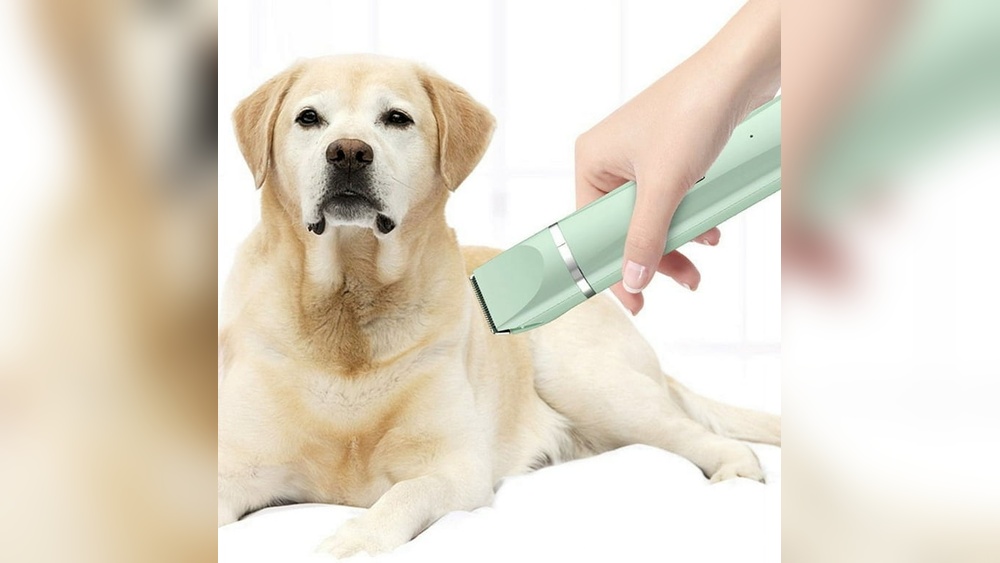
Grooming your cat can be a tricky task, especially when it comes to keeping their skin smooth and healthy. You might wonder, what do you use for lubricant when grooming a cat?
Choosing the right product can make a huge difference in how comfortable your furry friend feels and how easy the grooming process becomes for you. You’ll discover simple, safe options to keep your cat calm and happy while you groom.
Keep reading to find out exactly what works best for your pet and why it matters.
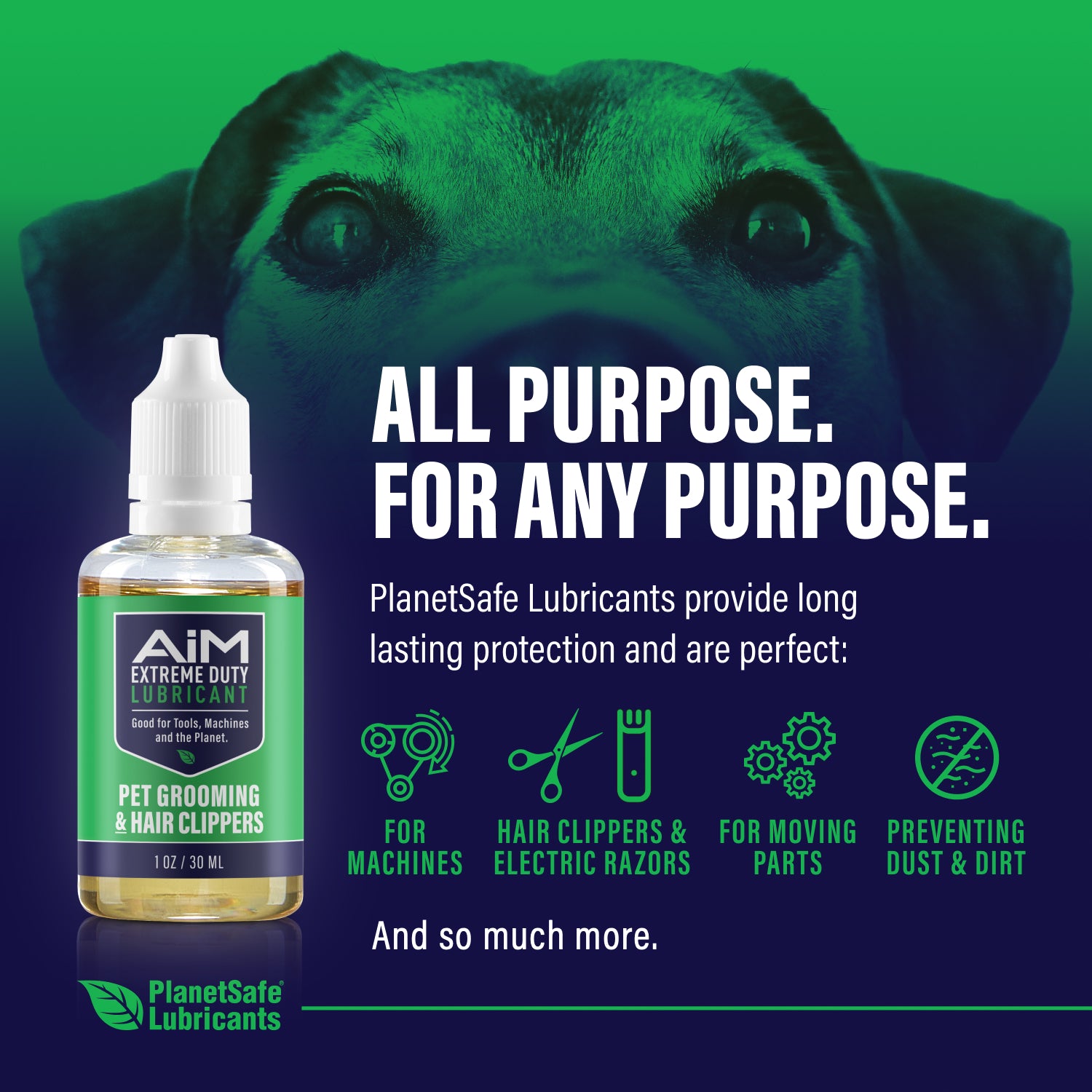
Credit: planetsafelubricants.com
Why Use Lubricant In Cat Grooming
Using lubricant during cat grooming helps make the process smoother and more pleasant. Cats have sensitive skin and delicate fur. Lubricants reduce friction and prevent pulling on their hair. This keeps cats calm and relaxed while you groom them. Choosing the right lubricant supports your cat’s skin health and comfort.
Benefits For Cat Comfort
Lubricants protect your cat’s skin from irritation. They add moisture to dry or flaky areas. This prevents itching and redness. A smooth coat feels better and looks shinier. Cats enjoy grooming more when their skin feels good. Lubricants also help avoid painful tangles and mats.
Easing Grooming Process
Lubricant makes combs and brushes glide easily over fur. It stops hair from catching or pulling. This reduces stress for both you and your cat. Grooming takes less time and effort. Lubricants help remove loose hair and dirt more effectively. The process becomes gentle and quick.
Safe Lubricant Options
Choosing the right lubricant for grooming a cat is very important. It helps the brush glide smoothly without hurting your cat’s skin. Some lubricants are safe, gentle, and made just for pets. Using the wrong product can cause irritation or allergies. Here are some safe options to consider.
Water-based Lubricants
Water-based lubricants are safe for cats. They do not contain harmful chemicals. These lubricants keep your cat’s fur soft and easy to brush. They dry quickly and do not leave sticky residue. Many pet owners prefer water-based options for sensitive skin.
Natural Oils Suitable For Cats
Natural oils can help make grooming easier. Coconut oil and olive oil are good choices. These oils moisturize the skin and reduce dryness. Use only small amounts to avoid greasiness. Always check with a vet before applying oils to your cat.
Pet-specific Grooming Lubricants
There are lubricants made especially for cats. These products are tested to be safe and gentle. They often include ingredients that help with skin health. Pet-specific lubricants reduce static and prevent tangles. Choose brands that list all ingredients clearly.
Lubricants To Avoid
Choosing the right lubricant for grooming your cat is important. Some lubricants can cause harm. Avoid products that may irritate your cat’s skin or cause health problems. Knowing which lubricants to avoid keeps your cat safe and comfortable during grooming.
Toxic Ingredients To Watch For
Many lubricants contain harmful chemicals. Avoid products with alcohol, which dries and irritates skin. Fragrances and dyes can cause allergic reactions. Parabens and sulfates may harm your cat’s health. Always check the label before using any product on your pet.
Common Household Products That Are Harmful
Some household items are unsafe for cat grooming. Never use cooking oils, like olive or vegetable oil. They can clog pores and cause infections. Petroleum jelly and baby oil may irritate your cat’s skin. Avoid using lotions or creams made for humans. These products can cause discomfort and allergic reactions in cats.
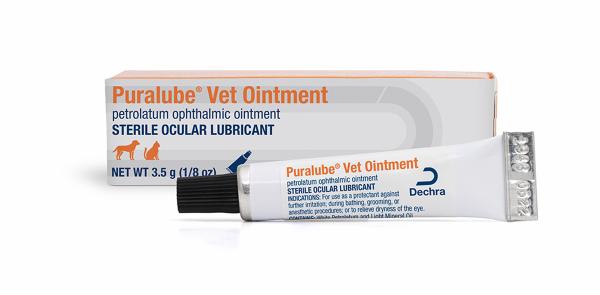
Credit: www.dechra-us.com
How To Apply Lubricant Safely
Applying lubricant safely during cat grooming helps avoid skin irritation and stress. It also makes brushing easier and more comfortable for your cat. Follow these simple steps for a smooth grooming session.
Preparing Your Cat
Choose a quiet, calm place for grooming. Let your cat sniff the lubricant first. Use a small amount at the start. Brush your cat gently to relax it. Watch for signs of discomfort or stress.
Application Techniques
Apply lubricant to your fingers or a soft cloth. Spread it thinly and evenly on the cat’s fur. Avoid sensitive areas like eyes and nose. Use gentle strokes to work the lubricant in. Do not pour lubricant directly on the cat.
Post-grooming Care
Remove excess lubricant with a clean cloth. Check your cat’s skin for redness or irritation. Give your cat water and a quiet space to rest. Praise your cat for good behavior. Clean your grooming tools after use.
Signs Of Allergic Reactions
Using the right lubricant during cat grooming helps the process go smoothly. Sometimes, cats can have allergic reactions to certain products. Recognizing these signs early can protect your cat’s health. Watch your cat closely after applying any new lubricant.
Common Symptoms
Redness or swelling on the skin is a common sign. Your cat may scratch or lick the area more than usual. Small bumps or rashes can also appear. A change in fur texture or hair loss might happen. Some cats show signs of discomfort or pain. Sneezing, coughing, or watery eyes may occur if the allergen is inhaled.
When To Consult A Vet
Seek veterinary help if symptoms worsen quickly. If your cat has trouble breathing, act fast. Continuous scratching that causes wounds needs attention. Swelling around the face or paws requires a vet’s check. A vet can recommend safe products and treatments. Early care helps avoid serious health problems.
Credit: planetsafelubricants.com
Additional Grooming Tips
Grooming your cat needs more than just a good lubricant. Small habits make a big difference. They keep your cat comfortable and healthy. Follow these tips to improve your grooming routine.
Regular Brushing Routines
Brush your cat often to avoid fur buildup. Short sessions work best for nervous cats. Use gentle strokes to keep your cat calm. Regular brushing removes loose hair and dirt. It also reduces hairballs and skin problems.
Handling Mats And Tangles
Start by gently teasing out small knots. Use a wide-tooth comb or your fingers. For tough mats, try a detangling spray safe for cats. Never pull hard or cut mats yourself. Visit a groomer or vet if mats are severe. Patience and care help your cat stay happy.
Frequently Asked Questions
What Type Of Lubricant Is Safe For Cat Grooming?
Use a pet-safe lubricant like coconut oil or specialized grooming sprays. Avoid human products with chemicals. These options ease brushing and reduce skin irritation effectively.
Can I Use Oil As A Lubricant For Cat Grooming?
Yes, natural oils like coconut or olive oil work well. They moisturize the skin and loosen mats gently. Avoid heavy oils that may clog fur or irritate skin.
How Often Should I Apply Lubricant When Grooming Cats?
Apply lubricant during grooming sessions when fur is dry or matted. Usually, once every few weeks is enough. Overuse can cause greasy fur or attract dirt.
Is It Necessary To Use Lubricant For All Cats?
Not all cats need lubricant. It’s helpful for long-haired or matted cats. Short-haired cats usually groom well without extra products.
Conclusion
Choosing the right lubricant makes grooming your cat easier and safer. Always pick products made for pets to avoid harm. A little lubricant helps reduce pulling on fur and skin. Keep your cat calm and gentle during grooming. Remember, patience and care improve the grooming experience.
With the right approach, your cat stays happy and clean. Simple steps make a big difference in grooming success.