
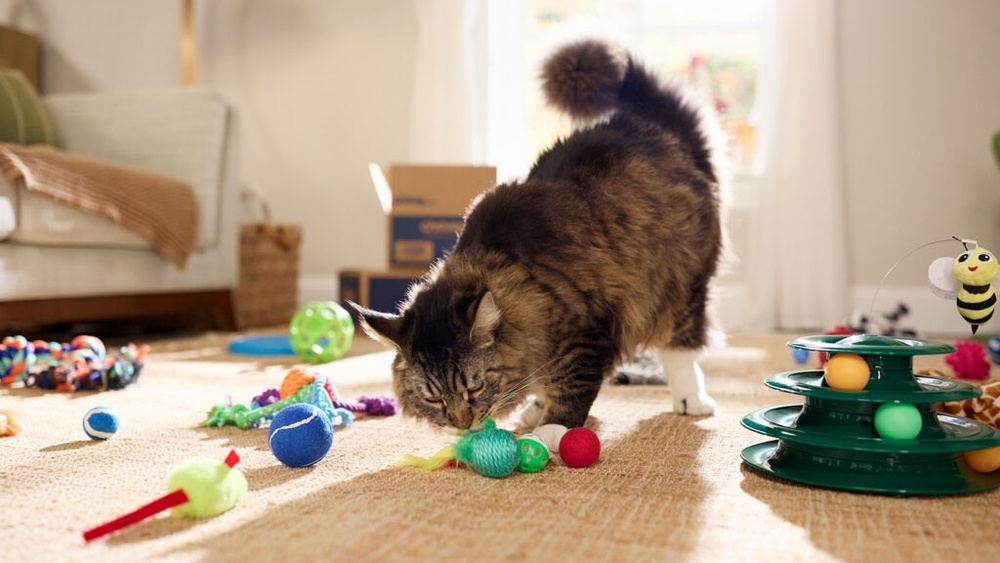
Have you noticed your senior cat peeing on their toys and wondered why this is happening? It can be confusing and even frustrating when your beloved pet starts behaving this way.
You might worry if it’s a sign of health problems or just a quirky habit. Understanding the reasons behind this behavior can help you find the right solution and keep your cat happy and comfortable. Keep reading to discover why your senior cat is doing this and what you can do about it.
Reasons For Inappropriate Urination
Senior cats may start peeing on their toys. This behavior often puzzles pet owners. Understanding the reasons helps solve the problem. Inappropriate urination can signal many issues. It is important to find the root cause quickly. This section covers main reasons why senior cats urinate outside the litter box.
Medical Issues
Health problems often cause sudden urination changes. Urinary tract infections are common in older cats. Kidney disease can also affect urination habits. Arthritis may make it hard for cats to reach the litter box. Pain or discomfort can lead cats to urinate on toys nearby.
Stress And Anxiety
Stress affects cats deeply. Changes in the home like new pets or visitors can upset them. Senior cats often feel anxious and insecure. Urinating on toys may be a way to cope. It gives them a sense of comfort and control.
Territorial Marking
Marking territory is natural for cats. Older cats may feel more protective of their space. They use urine to mark spots they consider safe. Toys might become targets because they carry the cat’s scent. This marking helps the cat feel secure.
Litter Box Problems
Problems with the litter box can cause urination issues. The box may be dirty or hard to access. Senior cats might dislike certain litter types or box shapes. If the box is not cleaned regularly, cats avoid it. They choose toys instead, as an easier spot to pee.
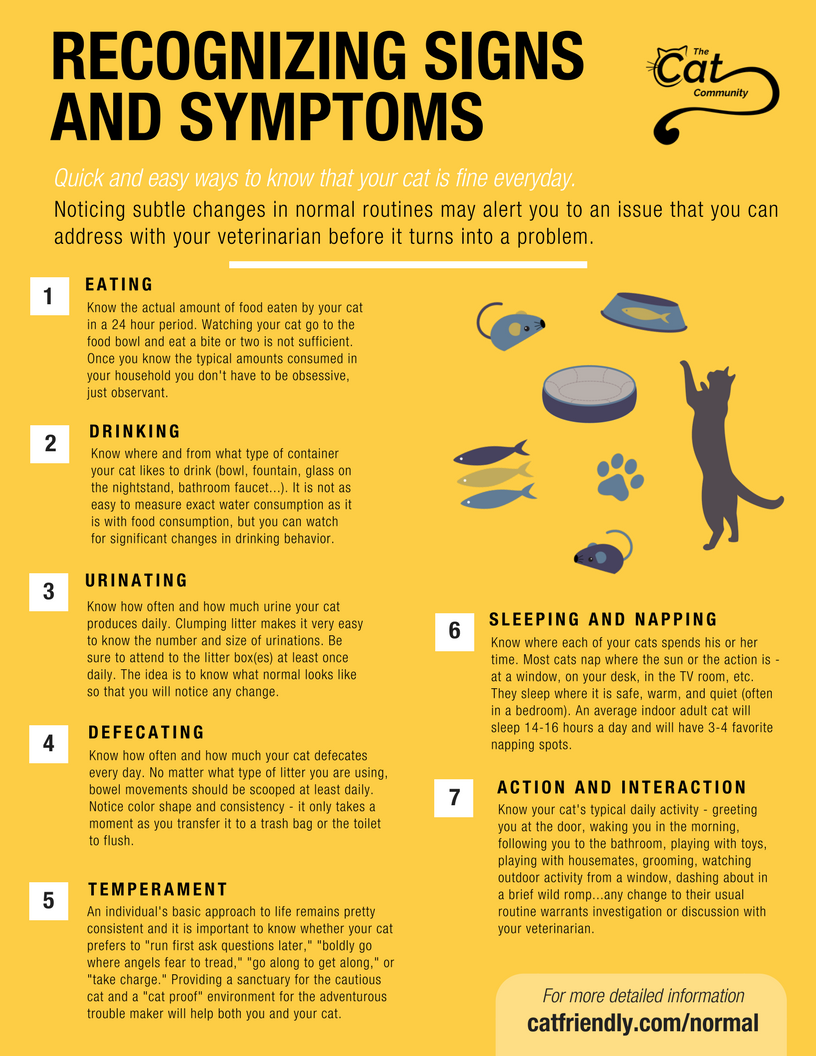
Credit: catfriendly.com
How Aging Affects Cat Behavior
Aging brings many changes to a cat’s behavior. Senior cats often act differently from their younger selves. These changes can explain unusual actions like peeing on toys. Understanding how aging affects cats helps in caring for them better.
Cognitive Decline
Older cats may suffer from cognitive decline. Their brain functions slow down with age. This can cause confusion and forgetfulness. A senior cat might forget where to pee or why. Toys may seem like new spots to mark or use as litter.
Mobility Challenges
Arthritis and joint pain affect many older cats. Moving around becomes harder and painful. A senior cat might avoid the litter box if it is far or difficult to reach. Toys nearby may become a convenient place to relieve themselves.
Changes In Senses
Aging dulls senses like smell and sight. Cats rely on these senses to find their litter box. A weaker sense of smell may confuse them about their usual toilet place. Toys may smell familiar or comforting, leading to accidents.
Identifying The Cause
Understanding why your senior cat pees on toys helps solve the problem faster. Identifying the cause is the first step. It involves watching your cat closely and checking different factors. This way, you can find the real reason behind this behavior.
Observing Behavior Patterns
Watch when and where your cat pees on toys. Notice if it happens after certain activities. See if your cat looks stressed or scared at those times. Track any changes in your cat’s routine or mood. These clues help find triggers for peeing on toys.
Checking Health Status
Health issues often cause unusual urination habits. Senior cats may have bladder problems or infections. A vet check can find pain or illness. Untreated issues lead to more accidents. Early diagnosis keeps your cat healthy and comfortable.
Examining Environment
Look at your cat’s space and litter box setup. Dirty or hard-to-reach litter boxes cause problems. Changes in the home may stress your cat. New pets or loud noises can upset them. A calm, clean environment helps reduce accidents.
:strip_icc()/sps-cat-toys-test-catstages-straw-babies-dental-toy-jordan-provost-47_crop-440c5ad94df147debafe05b1488474b1.jpeg)
Credit: www.thesprucepets.com
Effective Solutions
Finding your senior cat peeing on toys can be frustrating. The good news is there are ways to fix this behavior. Effective solutions focus on health, environment, and cleaning. These steps help your cat feel safe and clean.
Veterinary Care And Treatment
First, take your cat to the vet. Older cats often have health problems causing urine accidents. Urinary tract infections or kidney issues are common. A vet can diagnose and treat these problems quickly. Follow the prescribed treatment fully. Regular check-ups keep your senior cat healthy and comfortable.
Improving Litter Box Setup
Make sure the litter box is easy to use. Choose a box with low sides for older cats. Keep the box clean by scooping daily. Use soft, unscented litter that your cat likes. Place the box in a quiet, low-traffic area. Add more boxes if you have many cats. A better litter box setup encourages proper use.
Reducing Stress
Stress can cause your cat to pee outside the box. Keep a calm and stable home environment. Provide safe hiding spots and cozy beds. Spend quiet time playing and petting your cat. Avoid loud noises and sudden changes. Using calming sprays or diffusers can help. Less stress means fewer accidents.
Cleaning And Removing Odors
Clean soiled toys and areas thoroughly. Use enzyme cleaners to remove urine smells. Avoid ammonia-based cleaners that can confuse cats. Wash toys regularly and dry them well. Removing odors stops your cat from returning to the same spot. Clean surroundings support good litter habits.
Preventing Future Incidents
Preventing your senior cat from peeing on toys requires careful steps. Understanding the reasons helps you create a better environment. Focus on health, comfort, and mental stimulation to reduce accidents. Consistency in care makes a big difference over time.
Regular Vet Checkups
Take your cat to the vet regularly. Health problems often cause changes in urination. Issues like urinary tract infections or kidney disease need prompt treatment. Early detection stops unwanted behaviors from becoming habits. A healthy cat feels more comfortable and relaxed.
Providing Enrichment
Give your senior cat plenty of playtime and mental challenges. Toys, puzzles, and new scents keep your cat interested. Boredom can lead to marking toys with urine. Rotate toys often to keep them fresh and exciting. Happy cats are less likely to urinate outside their litter box.
Maintaining Clean Spaces
Keep your cat’s area clean and tidy. Wash toys and bedding regularly to remove odors. Cats often pee where they smell old urine. Clean litter boxes daily to encourage proper use. A clean environment helps your cat feel safe and secure.
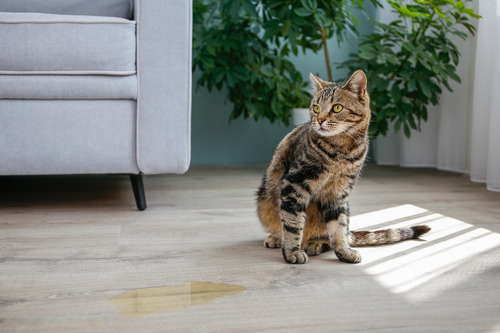
Credit: northjerseyanimalhospital.com
Frequently Asked Questions
Why Does My Senior Cat Pee On Toys?
Senior cats may pee on toys due to urinary tract issues, stress, or marking territory. Age-related health problems like kidney disease or arthritis can also cause this behavior. Consulting a vet helps identify medical causes and find proper treatment or behavior management.
Can Health Problems Cause Senior Cats To Urinate On Toys?
Yes, health problems like urinary tract infections, kidney disease, or arthritis can cause senior cats to urinate outside the litter box. These conditions may make it painful or difficult for cats to use the litter box properly, leading to accidents on toys or other objects.
How Can Stress Make My Senior Cat Pee On Toys?
Stress and anxiety can cause senior cats to mark their territory by urinating on toys. Changes in environment, routine, or new pets can trigger this behavior. Providing a calm, stable environment and using calming aids may reduce stress-related urination problems.
What Should I Do If My Senior Cat Pees On Toys?
First, consult your veterinarian to rule out medical issues. Next, clean toys thoroughly to remove odors. Provide multiple clean litter boxes and reduce stress factors. Behavioral training and environmental enrichment can also help prevent inappropriate urination.
Conclusion
Senior cats peeing on toys can signal health or stress issues. Watch for changes in behavior or litter box habits. Clean toys often to remove any scents that attract marking. Provide a calm and safe space for your cat. Consulting a vet helps rule out medical problems.
Understanding your cat’s needs keeps both of you happy. Small steps can improve your cat’s comfort and behavior. Stay patient and observe carefully for the best results.