
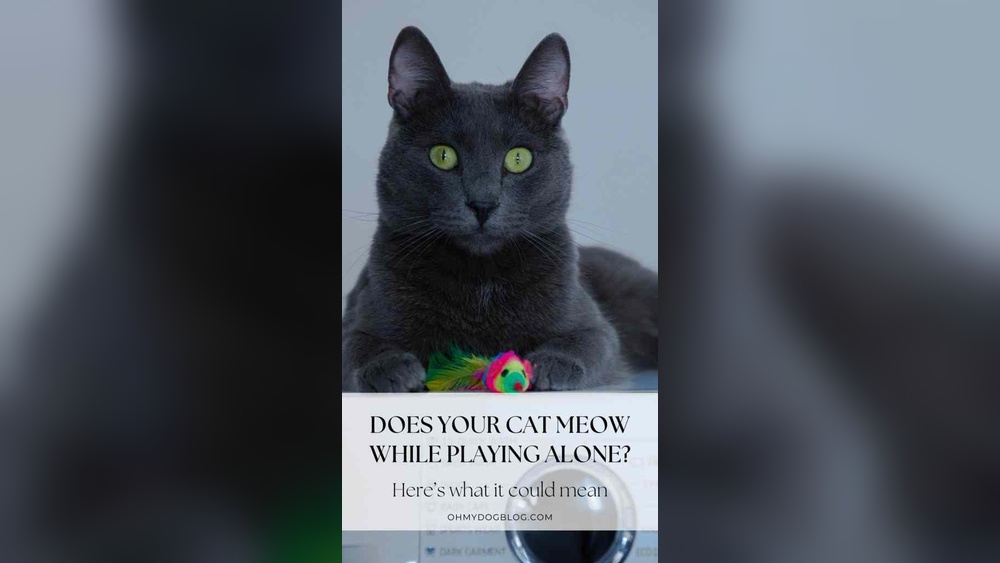
Have you ever walked into your bedroom only to find your cat’s toys scattered or hidden in strange spots? You might wonder, “Why does my cat hide her toys in my bedroom?” It’s not just a quirky habit—it reveals a lot about how your furry friend thinks and feels.
Understanding this behavior can help you connect better with your cat and even make playtime more enjoyable. Keep reading to discover the surprising reasons behind this mystery and what it means for your bond with your pet.
Cat Toy Hoarding Behavior
Cats often hide their toys in places like your bedroom. This behavior is called cat toy hoarding. It shows how cats think and feel about their toys and space. Understanding why cats do this helps you connect with your pet better.
Each cat has a reason for saving and hiding toys. These reasons come from their natural habits and feelings. Let’s explore the main causes of toy hoarding.
Instinctual Stashing
Cats have a natural habit to stash objects. Wild cats hide food and prey to save it for later. Domestic cats keep toys as if they were prey. This behavior comes from their hunting instincts. Hiding toys feels safe and natural to them.
Territory Marking
Hiding toys helps cats mark their territory. Toys carry their scent. When cats place toys in a spot, they claim it as their own. Your bedroom might smell like a safe zone for your cat. This act protects their personal space.
Safe Space Preference
Your bedroom may feel like a quiet, safe space. Cats prefer calm areas to keep their treasures. They hide toys where they feel secure and relaxed. This choice shows trust and comfort with you and your home.
Bedroom Appeal For Cats
Cats choose their favorite spots carefully. Your bedroom often becomes a special place for them. This is why your cat might hide her toys there. Bedrooms offer comfort, safety, and quiet. These factors make it a perfect spot for cats to stash their favorite things.
Comfort And Security
Bedrooms usually have soft beds and warm blankets. Cats love soft places to rest and feel safe. They hide toys where they feel calm and secure. The cozy environment helps cats relax and enjoy their playthings. A bedroom offers this quiet comfort better than many other rooms.
Owner’s Scent Attraction
Cats have a strong sense of smell. They are drawn to their owner’s scent. Your bedroom smells like you, which makes your cat feel close to you. Hiding toys there keeps them near your scent. It also helps cats feel safe and connected to their human.
Quiet And Privacy
Bedrooms tend to be quieter than other parts of the house. Fewer noises and less activity make it a private space. Cats like to hide toys where they won’t be disturbed. The calm environment helps cats protect their treasures. Privacy is important for cats to feel relaxed and in control.
Emotional Reasons Behind Toy Hiding
Cats hide their toys for many emotional reasons. It is more than just play. Their feelings guide this behavior. Understanding these reasons helps you connect with your cat better.
Hiding toys can show how your cat feels inside. It may be a way to express emotions or manage their mood. Let’s explore some common emotional reasons behind toy hiding.
Seeking Attention
Your cat may hide toys to get your attention. They want you to notice them and their treasures. This act can be a call for play or affection. Cats know you will find the toys and come to them.
This behavior often means they want more time with you. They enjoy your company and want to be closer. Hiding toys in your bedroom is a way to bring you near.
Stress And Anxiety Relief
Hiding toys helps cats feel safe. Stress or changes in the home can make them anxious. Putting toys in a quiet place calms their nerves. The bedroom is often a peaceful spot for them.
It gives a sense of control and comfort. This small act can reduce their stress levels. They create a personal safe zone with their toys.
Playtime Memories
Toys remind cats of fun moments. Hiding them keeps those memories close. Your bedroom may be a place where they feel happy and relaxed. Keeping toys there links to good feelings.
They save toys for future play and comfort. This behavior shows how much they value their playtime. It also shows trust by choosing your personal space.

Credit: humanerescue.org
How To Manage Toy Hiding
Managing your cat’s habit of hiding toys can make life easier for both of you. It helps keep your bedroom tidy and lets your cat enjoy her toys safely. By setting clear play zones and encouraging sharing, you guide your cat’s behavior gently. Giving her different toys also keeps her interested and less likely to stash them away.
Creating Dedicated Play Areas
Pick a spot in your home just for your cat’s toys. Use a soft mat or a small basket to keep toys in one place. Cats feel safe with a special zone for play. This stops toys from spreading all over your bedroom. Make the area cozy to invite your cat to play there often.
Encouraging Toy Sharing
Show your cat that sharing toys is fun. Play with her using the toys from the dedicated area. Praise her when she uses toys there instead of hiding them. Offer treats or gentle petting as rewards. This helps her learn that toys belong in the play zone.
Providing Variety And Stimulation
Give your cat different types of toys to keep her interested. Rotate toys every few days to feel new and exciting. Include toys that move, make sounds, or have different textures. A busy cat hides toys less because she enjoys playing. Variety keeps her mind active and happy.
When To Consult A Vet
Cats hiding toys in the bedroom is usually normal. It shows their natural instincts and play habits. But some times, this behavior might signal a problem. Knowing when to consult a vet helps keep your cat healthy and happy.
Behavioral Changes
Watch for sudden changes in your cat’s actions. Hiding toys more than usual could mean stress or anxiety. If your cat seems less playful or avoids people, these changes need attention. A vet can check for underlying causes and suggest ways to help.
Excessive Hiding
Hiding toys is normal, but hiding too much is not. If your cat hides all toys and stays away from you, it might feel unsafe. This may point to health or emotional issues. A vet visit can find out if your cat needs care or support.
Health Concerns
Physical problems can make cats hide their toys. Pain or discomfort may cause your cat to act differently. Look for signs like limping, loss of appetite, or unusual grooming. A vet can diagnose health problems and provide treatment to improve your cat’s well-being.

Credit: www.reddit.com

Credit: www.amazon.com
Frequently Asked Questions
Why Does My Cat Hide Toys In My Bedroom?
Cats hide toys in bedrooms because they feel safe there. Bedrooms offer quiet, cozy spaces where cats can stash their prized items. This behavior mimics natural instincts to protect valuable resources from others.
Is Hiding Toys A Sign Of Cat Possessiveness?
Yes, hiding toys shows possessiveness. Cats often guard their favorite toys by hiding them. This helps them control access and feel secure about their belongings.
How Can I Encourage My Cat To Play More?
Use interactive toys and schedule regular playtimes. Rotate toys to keep interest high. Positive reinforcement, like treats and praise, motivates cats to engage in play.
Does My Cat Hiding Toys Indicate Stress?
Not always. Hiding toys is usually normal behavior. However, sudden increases in hiding may signal stress. Monitor your cat’s environment for changes or discomfort.
Conclusion
Cats hide toys in bedrooms because they feel safe there. Your cat trusts this space and wants to keep treasures close. Hiding toys is a natural behavior that shows comfort and care. It also helps cats feel secure and playful at the same time.
Understanding this habit can improve your bond with your pet. Watch and enjoy these little moments—they tell you a lot about your cat’s feelings. Keep offering love and safe spaces for your furry friend. This simple act is a sign of trust and affection.