
If you have a long-haired cat, you know how beautiful—and sometimes challenging—their fur can be. Keeping your cat’s coat clean and tangle-free isn’t just about looks; it’s essential for their comfort and health.
But grooming a long-haired cat at home can feel overwhelming if you’re not sure where to start. What if you could make this task easier and even enjoyable for both you and your furry friend? In this guide, you’ll discover simple, effective steps to groom your long-haired cat with confidence.
Ready to make grooming a stress-free part of your routine? Let’s dive in.
Choosing The Right Tools
Grooming a long-haired cat at home requires the right tools. The right tools make grooming easier and safer. They help keep your cat comfortable and clean. Choosing good tools saves time and avoids stress for both of you.
Combs And Brushes
Use a wide-toothed comb to remove knots gently. A slicker brush works well for daily brushing. It helps remove loose hair and dirt. Choose brushes with soft bristles to protect your cat’s skin. Regular brushing prevents mats and tangles.
Nail Clippers
Pick nail clippers designed for cats. They are smaller and safer than human clippers. Sharp blades give a clean cut without crushing nails. Use clippers with a safety guard to avoid cutting too deep. Trim nails carefully to prevent pain or bleeding.
Shampoo And Conditioner
Choose shampoo made for cats, not humans. Cat shampoos are gentle and safe for their skin. A conditioner helps keep fur soft and shiny. It also makes brushing easier by reducing tangles. Use products without harsh chemicals or strong scents.
Credit: www.cats.org.uk
Preparing Your Cat
Preparing your long-haired cat for grooming is an important first step. Cats can feel nervous or scared during grooming. Taking time to prepare helps your cat relax. A calm cat makes grooming easier and safer. This section covers how to create a calm space and help your cat feel comfortable.
Creating A Calm Environment
Choose a quiet room with few distractions. Turn off loud noises like TVs or radios. Use soft lighting to make the space gentle on your cat’s eyes. Keep the room warm and cozy. Place a soft towel or blanket on a table or floor. This gives your cat a comfy spot to sit. A calm environment reduces stress and helps your cat stay still.
Getting Your Cat Comfortable
Spend a few minutes petting your cat gently. Speak in a soft, soothing voice. Let your cat sniff the brush or comb before using it. Offer small treats to create positive feelings. If your cat shows signs of stress, pause and calm them down. Repeat these steps over several days to build trust. A comfortable cat is more likely to enjoy grooming sessions.
Brushing Techniques
Grooming a long-haired cat needs the right brushing techniques. Proper brushing keeps your cat’s coat healthy and shiny. It also prevents painful mats and tangles. Brushing your cat gently makes the process pleasant for both of you. Use soft strokes and stay calm to keep your cat relaxed.
Detangling Mats And Tangles
Start by checking for any mats or tangles in your cat’s fur. Use your fingers to gently pull apart small knots. For larger mats, use a special detangling comb. Work slowly and carefully to avoid hurting your cat. Hold the fur near the skin to reduce pulling. Take short breaks if your cat feels stressed.
Brushing Direction And Frequency
Brush your cat’s fur in the direction it grows. Start from the head and move toward the tail. This method feels natural and reduces discomfort. Brush daily or at least three times a week. Regular brushing stops mats from forming. It also removes loose hair, cutting down on shedding around your home.
Bathing Your Cat
Bathing a long-haired cat may seem hard. But with the right steps, it can be safe and easy. Bathing helps keep your cat’s coat clean and healthy. It removes dirt, loose hair, and oils that brushing alone can miss. Regular baths reduce hairballs and skin problems.
When To Bathe
Bathe your cat only when needed. Long-haired cats do not need frequent baths. Bathe if your cat is very dirty or smells bad. Also, bathe after your cat gets something sticky on its fur. Avoid bathing if your cat is scared or sick. Choose a warm day for the bath.
Step-by-step Bathing Process
Gather all supplies before starting. Use cat-friendly shampoo and a cup for rinsing. Fill the sink or tub with warm water, not too deep. Gently place your cat in the water. Use slow, calm movements to keep your cat relaxed.
Wet your cat’s fur carefully, avoiding the face. Apply shampoo and work it into the fur with your hands. Rinse the fur thoroughly to remove all shampoo. Use a washcloth to clean the face gently. Avoid getting water or shampoo in the eyes, ears, and nose.
Drying Tips
Wrap your cat in a soft towel right after the bath. Pat the fur dry; do not rub hard. Use several towels if your cat’s fur is very long. Keep your cat in a warm, draft-free room. You can use a hairdryer on low heat and low speed. Keep the dryer far from the fur and move it constantly to avoid overheating.
Trimming Fur And Nails
Trimming your long-haired cat’s fur and nails helps keep them healthy and comfortable. Regular care stops mats and tangles. It also prevents nails from growing too long and causing pain. Doing this at home saves vet visits and builds trust with your cat.
Safe Fur Trimming
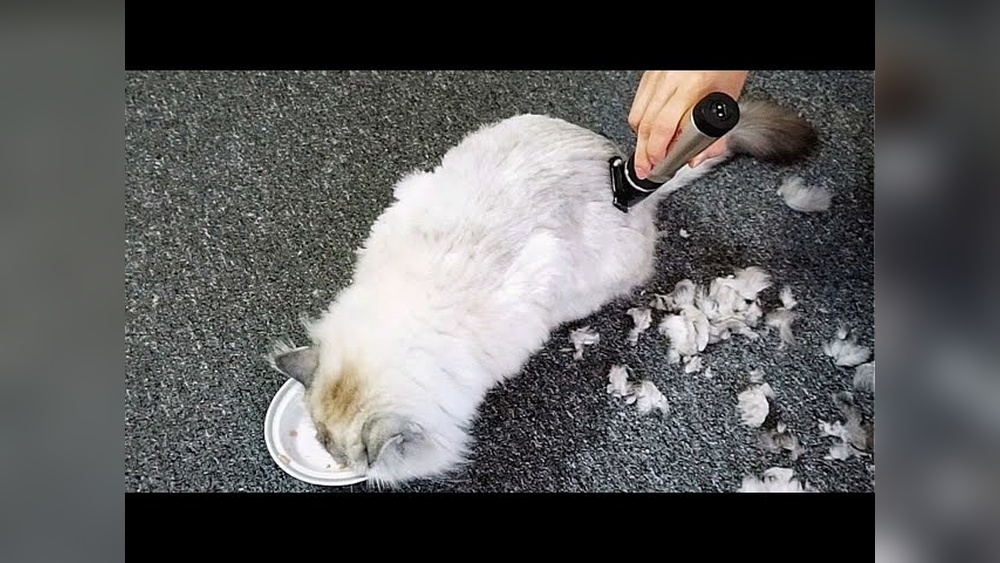
Use sharp, clean scissors or clippers made for pets. Choose a quiet spot with good light. Gently hold your cat and trim small sections at a time. Avoid cutting too close to the skin. Focus on areas prone to mats, like behind ears and under legs. Stay calm and speak softly to keep your cat relaxed.
Nail Care Tips
Use a nail clipper designed for cats. Hold your cat’s paw gently and press the pad to extend the nail. Cut only the clear, white part of the nail. Avoid the pink area called the quick; it hurts if cut. Trim nails every two to three weeks. Offer treats after trimming to make the experience positive.

Credit: www.reddit.com
Dealing With Common Grooming Challenges
Grooming a long-haired cat can be tricky at times. Cats may not always enjoy the process. Some challenges can make grooming hard. Knowing how to handle these problems helps both you and your cat.
Handling Aggressive Behavior
Cats can get scared during grooming. They might scratch or bite. Stay calm and speak softly. Use gentle movements to avoid startling them. Take breaks if your cat gets upset. Try offering treats to create a positive link. Use a towel to wrap your cat if needed. This keeps claws away and helps you groom safely.
Managing Shedding
Long-haired cats shed more fur. Regular brushing reduces loose hair. Use a comb designed for long fur. Brush at least three times a week. This stops hair from spreading in your home. Bathing your cat occasionally can help too. Keep your cat’s diet healthy for better fur quality. A well-fed cat sheds less.
Preventing Hairballs
Hairballs happen when cats swallow loose fur. Brushing removes fur before they eat it. Feed special hairball control cat food. It helps fur pass through their system. Provide fresh water to keep your cat hydrated. Hydration aids digestion and reduces hairballs. Watch for signs like coughing or gagging. If hairballs persist, ask your vet for advice.
Maintaining A Grooming Routine
Maintaining a grooming routine is key to keeping your long-haired cat healthy and comfortable. Regular care prevents mats and tangles. It also helps spot skin problems early. A steady routine makes grooming easier for both you and your cat. Your cat grows used to gentle brushing and handling.
Creating A Schedule
Set specific days and times for grooming. Twice or thrice a week often works well. Mark these on a calendar or phone reminder. Consistency builds habit and reduces stress. Short sessions keep your cat calm and happy. Always brush gently to avoid hurting your cat.
Tracking Your Cat’s Coat Health
Check your cat’s fur for changes each session. Look for dry patches, redness, or lumps. Notice if shedding increases suddenly. These signs might mean health issues. Write down what you observe to spot patterns. Share this information with your vet during visits.

Credit: www.youtube.com
Frequently Asked Questions
How Often Should I Groom My Long-haired Cat?
Groom your long-haired cat daily to prevent mats and tangles. Regular brushing removes loose fur and reduces shedding. Consistent grooming keeps their coat healthy and shiny.
What Tools Are Best For Grooming Long-haired Cats?
Use a wide-toothed comb, slicker brush, and grooming scissors. These tools help detangle fur, remove mats, and trim excess hair safely. Choose tools designed specifically for cats for best results.
How Can I Prevent Matting In Long-haired Cats?
Brush your cat daily and check for knots or tangles. Regular grooming stops mats from forming and keeps fur smooth. Bathing occasionally also helps maintain coat cleanliness and health.
Is It Safe To Trim My Long-haired Cat’s Fur At Home?
Yes, but use proper grooming scissors and be gentle. Trim only small areas to avoid cutting the skin. If unsure, consult a professional groomer to prevent injury.
Conclusion
Grooming a long-haired cat at home keeps your pet healthy and happy. Regular brushing prevents mats and reduces shedding. Use gentle tools and take breaks to keep your cat calm. Watch for signs of discomfort or skin issues during grooming.
Clean your cat’s fur and check its nails often. These simple steps help build trust and make grooming easier. Spend time with your cat to strengthen your bond. Your efforts will make your cat feel loved and cared for every day.