
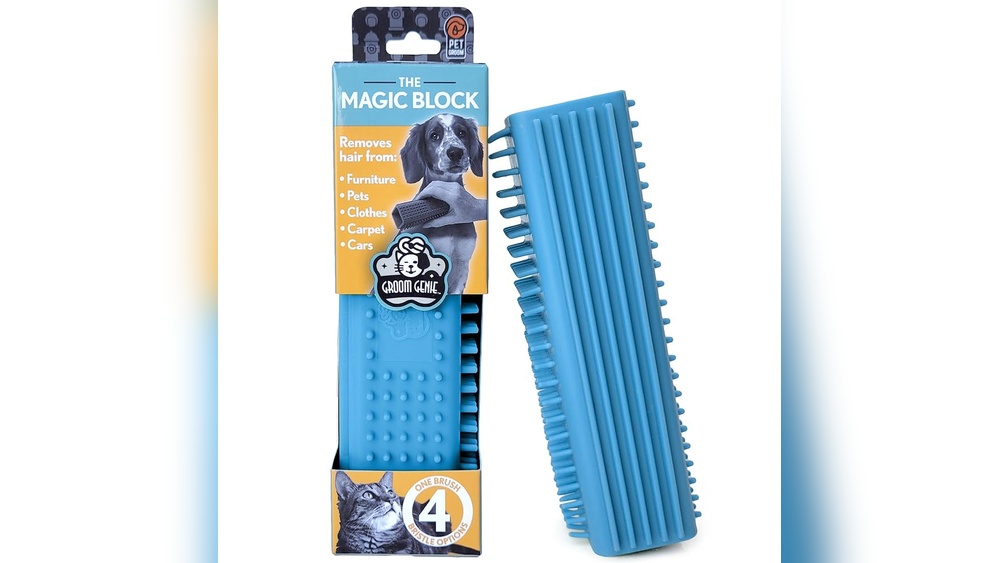
Are you wondering whether grooming your dog or cat will be easier? If you’ve ever struggled with tangled fur or a fussy pet, you know that grooming can sometimes feel like a challenge.
But what if there was a clear answer to which pet requires less effort to keep looking their best? Understanding the differences between dog and cat grooming can save you time, stress, and maybe even a few scratches. Keep reading to discover what makes grooming each pet unique—and find out which one fits better with your lifestyle.
Grooming Basics For Dogs
Grooming a dog helps keep them healthy and happy. It also strengthens your bond. Dogs need regular care to stay clean and comfortable. Understanding their grooming basics makes the task easier and safer.
Each dog has unique needs based on its coat type and lifestyle. Knowing these details helps you choose the right tools and routines. Here are some essential tips to start grooming your dog well.
Coat Types And Grooming Needs
Dog coats come in many types: short, long, curly, or double-layered. Short-haired dogs need less brushing but still require regular attention. Long-haired breeds need daily brushing to stop tangles and mats. Curly coats trap dirt and require special combs. Double coats shed heavily and need seasonal care to remove loose hair.
Essential Grooming Tools
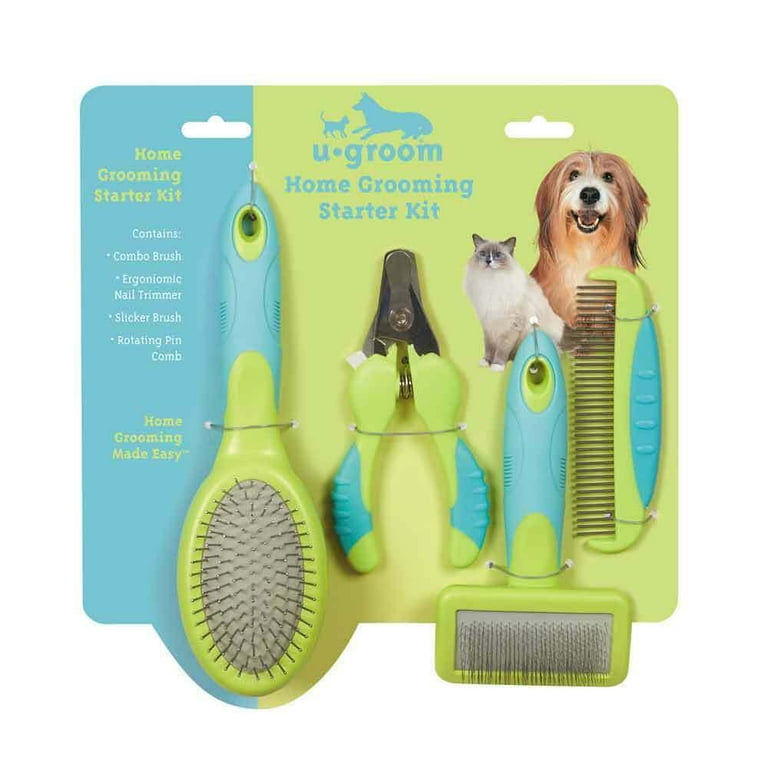
Basic tools include a brush, comb, nail clippers, and shampoo. Slicker brushes work well for curly and long hair. Bristle brushes suit short-haired dogs. Use a fine-toothed comb to check for fleas and debris. Nail clippers keep paws healthy and prevent injury. Choose dog-friendly shampoos to protect their skin.
Bathing And Brushing Tips
Bath dogs every 4 to 6 weeks to avoid drying out their skin. Use lukewarm water and gentle shampoo. Rinse thoroughly to remove all soap. Brush dogs before baths to remove loose hair and dirt. Regular brushing spreads natural oils, making fur shiny and soft. Brush gently to avoid hurting your dog’s skin.
Grooming Basics For Cats
Caring for a cat’s coat is important for their health and happiness. Regular grooming helps reduce hairballs, keeps fur clean, and checks for skin problems. Understanding the basics of cat grooming makes the process easier and more pleasant for both you and your pet.
Each cat has unique grooming needs based on its fur type and personality. Proper tools and techniques keep their fur shiny and healthy. Let’s explore the essential tips for grooming cats effectively.
Fur Types And Maintenance
Cats have different fur types: short, medium, and long. Short-haired cats need less frequent brushing. Long-haired cats require daily care to avoid mats and tangles. Medium-haired cats fall in between and need regular attention. Knowing your cat’s fur type helps plan the right grooming routine.
Choosing The Right Tools
Use a soft brush for short-haired cats to remove loose fur gently. A slicker brush or comb works well for long-haired cats to detangle and smooth the coat. Nail clippers and ear wipes are also helpful tools. Choose tools designed for cats to ensure safety and comfort.
Bathing And Brushing Techniques
Most cats do not need frequent baths, but occasional washing helps keep their coat clean. Use warm water and mild cat shampoo. Brush your cat before a bath to remove loose fur. Brush gently in the direction of hair growth. Brushing calms cats and improves blood flow to the skin.
Behavior Differences During Grooming
Grooming pets can be a calm or tricky task depending on their behavior. Dogs and cats react differently during grooming sessions. Understanding these reactions helps make grooming easier and safer.
Typical Dog Reactions
Dogs usually enjoy grooming if they trust you. Many stay still or wag their tails. Some may get excited and move around a lot. A few dogs might feel nervous and try to hide or bark. Most dogs respond well to gentle talking and treats.
Common Cat Responses
Cats often dislike grooming more than dogs. They may try to escape or scratch. Some cats freeze and stay very still. Others may hiss or swat with their paws. Patience and slow movements help calm cats during grooming.
Handling Nervous Pets
Nervous pets need extra care and calm voices. Start with short grooming sessions. Use soft brushes and gentle touches. Give rewards to build trust. Watch their body language closely to avoid stress. Creating a quiet space helps pets feel safe.

Credit: www.amazon.com
Time And Effort Comparison
Grooming pets requires time and effort. Dogs and cats have different grooming needs. Comparing their routines helps pet owners plan better. Understanding these differences can save time and reduce stress.
Daily Grooming Routines
Dogs often need daily brushing, especially long-haired breeds. Brushing removes dirt and prevents mats. Cats usually groom themselves but benefit from light daily brushing. This reduces loose fur and hairballs. Dogs may require extra care after walks or playtime. Cats’ daily grooming is quicker and less hands-on.
Frequency Of Full Grooming
Full grooming for dogs includes baths, nail trims, and ear cleaning. This can happen every few weeks or monthly. Some dogs need professional grooming regularly. Cats need fewer full grooming sessions. Baths are rare and only when very dirty. Nail trims and ear checks happen less often than dogs.
Dealing With Shedding
Shedding varies by breed and season. Dogs shed more and need frequent brushing to control hair. Cats shed less, but it still adds up. Using grooming tools helps reduce loose hair in both pets. Regular cleaning of pet hair around the home is necessary. Shedding management takes more effort with dogs.
Health Benefits Of Grooming
Grooming is more than making pets look good. It helps keep them healthy and happy. Regular grooming supports pets’ overall well-being. It helps spot problems early and keeps their skin and coat strong.
Skin And Coat Health
Brushing removes dirt, dead hair, and loose fur. It spreads natural oils that keep the coat shiny and soft. Grooming stops mats and tangles that hurt the skin. Clean skin lowers the chance of infections and irritations.
Preventing Parasites
Grooming helps find fleas, ticks, and other pests early. These bugs cause itching and can spread disease. Removing parasites quickly protects pets from health risks. Regular checks during grooming keep pets parasite-free.
Early Detection Of Health Issues
Careful grooming shows lumps, bumps, or wounds on the skin. It also reveals changes in fur or skin color. Spotting issues early means faster treatment and better care. Grooming time is a chance to check pets closely.
Credit: www.walmart.com
Professional Grooming Vs. Diy
Choosing between professional grooming and DIY depends on many factors. Each option has benefits and challenges. Professional groomers have tools and skills for deep cleaning and styling. DIY grooming offers convenience and comfort at home. Deciding the best method depends on your pet’s needs, your budget, and your comfort level.
When To Choose A Groomer
Choose a groomer if your pet has thick or long fur. Groomers handle mats and tangles better. Pets with sensitive skin or health issues need expert care. Groomers also trim nails safely and clean ears thoroughly. Busy schedules make professional grooming a good option. Groomers reduce stress for pets that dislike baths or cuts.
Tips For Grooming At Home
Start with calm pets. Use gentle brushes suited for your pet’s fur type. Trim nails carefully with proper clippers. Wash pets with mild shampoos designed for their skin. Dry pets fully to avoid irritation. Reward pets with treats to create positive experiences. Regular brushing prevents mats and fur buildup. Learn basic grooming skills before trying advanced cuts.
Cost Considerations
Professional grooming costs vary by pet size and services. Regular grooming can add up over time. DIY grooming requires buying tools and supplies initially. Tools include brushes, clippers, and shampoos. DIY saves money long term but demands time and effort. Consider your budget and time before deciding. Balance cost against your pet’s grooming needs and comfort.
Expert Tips For Stress-free Grooming
Grooming your pet can be a calm and pleasant experience. Stress-free grooming helps your pet stay relaxed and healthy. It also makes grooming easier for you. Follow expert tips to create a peaceful routine. These tips work well for both dogs and cats.
Creating A Calm Environment
Choose a quiet room without loud noises. Soft lighting helps your pet feel calm. Keep all grooming tools ready before you start. Speak in a gentle voice to soothe your pet. Short grooming sessions work better than long ones.
Using Positive Reinforcement
Praise your pet during and after grooming. Give small treats to reward good behavior. Use calm and happy tones to encourage your pet. Avoid punishment or harsh words. Positive reinforcement builds trust and cooperation.
Adapting Techniques To Your Pet
Notice your pet’s comfort level while grooming. Some pets prefer brushing slowly and gently. Others like short, quick strokes. Use tools suited to your pet’s fur type. Adjust your approach based on your pet’s reactions.

Credit: neakasa.com
Frequently Asked Questions
Is Grooming A Dog Easier Than Grooming A Cat?
Grooming a dog is often easier due to their cooperative nature. Dogs usually tolerate brushing and bathing better than cats, who can be more sensitive and stressed during grooming sessions.
How Often Should Dogs And Cats Be Groomed?
Dogs generally need grooming every 4 to 6 weeks, depending on breed. Cats usually self-groom but benefit from brushing once or twice a week to reduce shedding and hairballs.
What Tools Are Best For Grooming Dogs Versus Cats?
Dog grooming requires brushes suited to coat type, clippers, and nail trimmers. Cat grooming needs softer brushes and gentle tools to avoid stressing them during grooming.
Can Grooming Reduce Pet Shedding Effectively?
Yes, regular grooming helps remove loose hair and reduces shedding in both dogs and cats. It also promotes healthier skin and a shinier coat.
Conclusion
Grooming a dog or cat depends on your pet’s needs and personality. Dogs often need more frequent baths and brushing. Cats usually groom themselves but still need some care. Both animals require patience and gentle handling. Choose the pet whose grooming fits your lifestyle best.
Regular care keeps pets healthy and happy. Remember, grooming can be a bonding time too. It’s not just about ease but also about love and attention.