
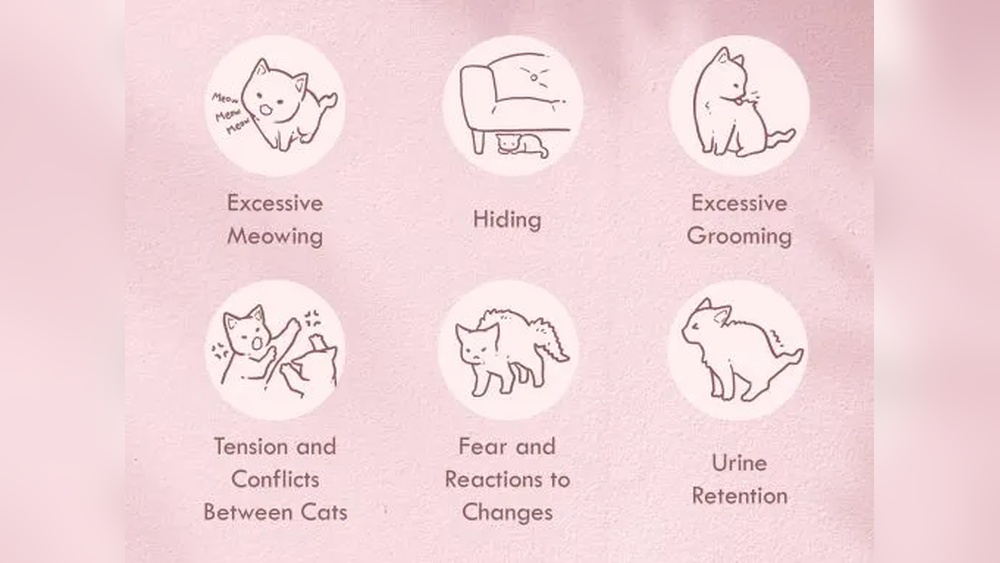
Is your cat spending too much time licking and grooming? Excessive grooming can be more than just a quirky habit—it might be a sign that something is wrong.
You want your furry friend to be happy and healthy, but when grooming turns into over-grooming, it can lead to skin problems and discomfort. You’ll discover simple and effective ways to help your cat stop excessive grooming. Keep reading to learn how to protect your pet and bring back their comfort and calm.
Signs Of Excessive Grooming
Excessive grooming in cats can signal health or stress problems. Cats normally groom to stay clean. But too much grooming causes harm. Spotting the signs early helps you protect your cat. Watch for changes in behavior and skin condition. These signs show your cat needs help.
Behavioral Clues
Your cat may lick or bite one spot often. It might seem restless or anxious. Grooming more than usual can mean stress or pain. A cat that hides or avoids play may groom excessively. Notice if your cat overgrooms after loud noises or new pets. These clues point to discomfort or nervousness.
Physical Symptoms
Look for bald patches or red, sore skin. Your cat’s fur may look thin or patchy. Scabs, wounds, or swelling show grooming damage. Skin infections can develop from constant licking. Watch for dry, flaky, or irritated skin. These symptoms need a vet’s check to find the cause.
Credit: www.walmart.com
Common Causes
Excessive grooming in cats can signal deeper issues. Understanding the common causes helps find the right solution. Cats groom themselves to stay clean and relaxed. Yet, too much grooming may indicate stress, illness, or changes in their environment.
Stress And Anxiety
Cats feel stress from many sources. Moving to a new home or loud noises can upset them. Stress causes cats to lick or bite their fur more. This behavior helps them cope but can harm their skin.
Medical Issues
Health problems often cause excessive grooming. Skin infections, allergies, or parasites make cats itchy. Pain from arthritis or injuries also leads to over-grooming. A vet check can reveal these hidden issues fast.
Environmental Factors
The cat’s surroundings affect grooming habits. Dirty litter boxes or lack of toys increase stress. Changes in routine or new pets may confuse cats. A calm and clean space helps reduce over-grooming.
Veterinary Evaluation
Excessive grooming in cats can signal health problems. A veterinary evaluation helps find the root cause. Early checkups prevent worsening issues and guide proper treatment. Vets use their skills and tools to understand why your cat grooms too much.
When To See A Vet
Take your cat to the vet if grooming causes hair loss or skin wounds. Notice if your cat grooms for long periods daily. Watch for changes in behavior or appetite. If grooming seems linked to stress or pain, book a vet visit.
Diagnostic Tests
The vet may perform skin scrapings to check for parasites. Blood tests reveal allergies or infections. Allergy testing helps find food or environmental triggers. Sometimes, the vet uses biopsies to study skin tissue. These tests help the vet choose the best treatment plan.
Credit: www.abc.net.au
Behavioral Solutions
Behavioral solutions help manage excessive grooming in cats by changing their daily habits. These methods focus on calming your cat and keeping it busy. This way, your cat feels better and grooms less. Two key strategies are reducing stress and increasing play and enrichment.
Reducing Stress
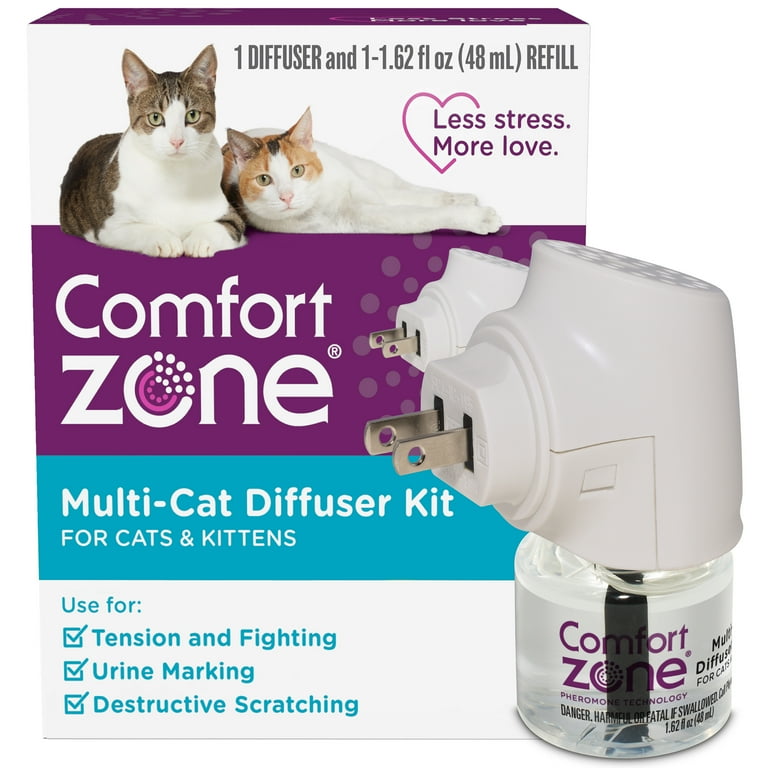
Stress often causes cats to groom too much. A quiet, calm space helps your cat feel safe. Avoid loud noises and sudden changes around your cat. Use gentle voices and slow movements to keep your cat relaxed. You can try calming products like pheromone sprays or diffusers. These create a soothing environment for your cat. Regular routines also reduce stress. Feed and play with your cat at the same times each day. This predictability helps your cat feel secure.
Increasing Play And Enrichment
Boredom can lead cats to groom excessively. Give your cat toys to chase, pounce on, and bite. Puzzle feeders make your cat work for food, which keeps their mind active. Rotate toys often to keep your cat interested. Play with your cat daily for 10 to 15 minutes. Use interactive toys like feather wands or laser pointers. Climbing shelves and scratching posts offer exercise and fun. Enriched environments reduce stress and stop over-grooming.
Medical Treatments
Medical treatments can help stop a cat from grooming too much. Excessive grooming may cause skin damage and hair loss. A vet can find the cause and suggest the right treatment. These treatments often include medicines and creams that soothe the skin or stop itching.
Medications
Vets may prescribe medicines to control itching and inflammation. Antihistamines reduce allergic reactions that cause itching. Steroids help calm severe skin inflammation quickly. Sometimes, antibiotics fight infections caused by scratching. These medicines help your cat feel better and stop over-grooming.
Topical Therapies
Topical treatments are creams or sprays applied directly to the skin. They can reduce redness and irritation. Some contain ingredients that heal wounds or kill bacteria. These therapies soothe the skin and stop the urge to lick or scratch. Regular use as directed by a vet shows the best results.

Credit: pawsona.com
Environmental Adjustments
Environmental changes help reduce a cat’s stress and stop over grooming. Cats feel safer and calmer in a balanced space. Small adjustments can make a big difference in their behavior.
Safe Spaces
Cats need quiet spots to relax and hide. Provide cozy beds or boxes in calm areas of your home. Avoid loud noises and heavy foot traffic near these spots. Safe spaces let cats feel secure and less anxious. This reduces the need to groom excessively.
Litter Box And Feeding Changes
Clean litter boxes often and place them in quiet, private places. A dirty or noisy box can stress cats. Feed your cat at regular times in a calm area. Avoid moving food or water bowls too often. Consistent feeding and clean litter help cats feel stable and calm. This lowers stress-related grooming.
Preventing Recurrence
Stopping a cat from grooming too much is just the start. Preventing the behavior from coming back is key. Cats may return to over-grooming if the cause is not handled well. Careful steps help keep your cat calm and healthy long-term.
Ongoing Monitoring
Watch your cat closely after treatment or changes. Check for signs of skin irritation or hair loss. Note any new stress triggers or changes in behavior. Early spotting of problems helps stop over-grooming again. Keep a simple daily log of your cat’s grooming habits. This record shows patterns and alerts you to issues fast.
Consistent Routine
Cats like routine and predictability. Keep feeding, play, and sleep times steady every day. A calm environment reduces stress that can cause over-grooming. Avoid sudden changes in the home or loud noises. Regular grooming sessions with gentle brushing also help. This builds trust and lessens the urge to self-groom excessively.
Frequently Asked Questions
Why Is My Cat Grooming Excessively?
Excessive grooming may indicate stress, allergies, or skin issues. It’s a way cats self-soothe or react to discomfort. Consulting a vet helps identify the cause and provide proper treatment to stop over-grooming effectively.
How Can I Reduce My Cat’s Grooming Behavior?
Provide mental stimulation and regular playtime to reduce stress. Maintain a clean environment and use calming products. Address any medical issues with a vet for a comprehensive approach to controlling excessive grooming.
Can Diet Affect My Cat’s Grooming Habits?
Yes, poor diet or allergies can trigger skin irritation, causing over-grooming. Feeding a balanced, hypoallergenic diet improves skin health and reduces excessive grooming. Consult your vet to choose the right food for your cat.
When Should I See A Vet For Grooming Issues?
If grooming leads to bald spots, wounds, or behavioral changes, see a vet. Persistent grooming often signals underlying health or emotional problems needing professional diagnosis and treatment. Early intervention prevents complications.
Conclusion
Excessive grooming can harm your cat’s skin and fur. Watch your cat’s behavior closely every day. Provide toys and attention to reduce stress. Keep your cat’s environment calm and safe. Consult a vet if grooming stays excessive. Early action helps your cat feel better fast.
Taking care now prevents bigger problems later. Your cat deserves a happy, healthy life. Small changes make a big difference for your pet. Stay patient and consistent with your care.