
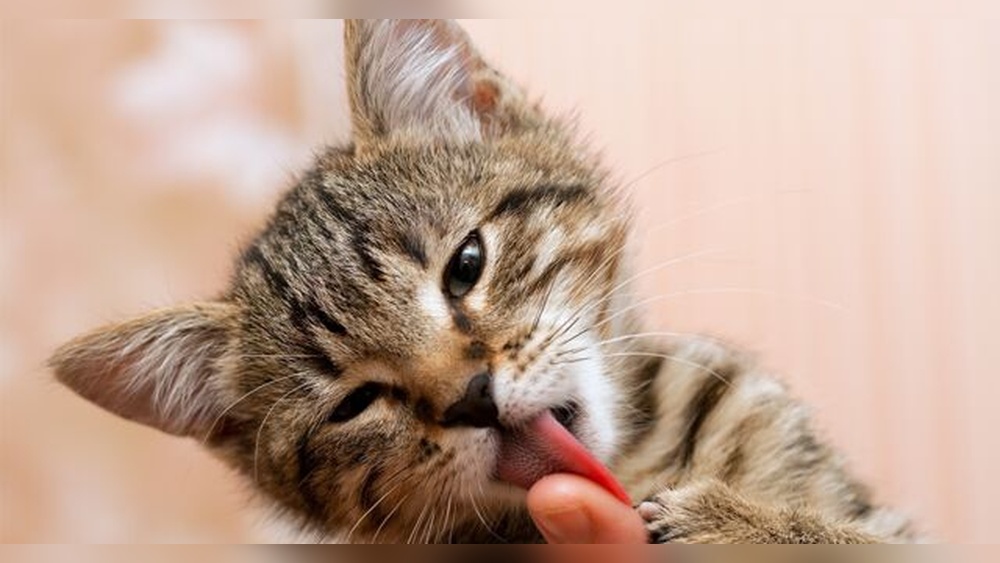
Have you ever watched your cat carefully licking its toys and wondered why? It’s a curious behavior that can leave you puzzled.
Understanding why your cat does this can help you connect better with your furry friend and keep them happy. You’ll discover the surprising reasons behind this habit and what it means for your cat’s health and happiness. Keep reading to unlock the mystery behind your cat’s toy-licking behavior—you might be surprised by what you learn!

Credit: www.reddit.com
Cat Toy Licking Behavior
Cats often lick their toys. This behavior may seem strange to some owners. It is normal and has many reasons behind it. Understanding why cats lick toys helps owners know their pets better. Licking is one way cats explore objects.
Cat toy licking behavior shows how cats interact with their environment. It can reflect comfort, curiosity, or play instincts. Some cats lick softly, while others lick more firmly. Observing these patterns can give clues about your cat’s mood.
Common Licking Patterns
Many cats lick toys gently after playing. This shows they feel safe and relaxed. Some cats lick to taste the toy’s material or any scents on it. Others lick to mimic grooming behavior, which is calming for them.
Cats may also lick toys that remind them of prey. This is part of their hunting instinct. Licking can be quick or slow, repeated or occasional. These patterns vary from cat to cat.
When Licking Becomes Excessive
Excessive licking of toys can signal stress or anxiety. It might also mean your cat is bored or lonely. Sometimes, health issues like allergies or dental problems cause over-licking.
Watch for signs like raw skin or constant licking. These may require a vet visit. Offering more playtime and interaction can reduce excessive licking. Provide a variety of toys to keep your cat engaged.
Scent And Taste Attraction
Cats use their tongue to explore the world. Toys have different smells and tastes that attract cats. Licking helps cats learn more about their toys. The sensation of taste and scent gives cats comfort and enjoyment. This behavior links to their natural instincts and curiosity.
Residual Food Or Treats
Sometimes toys carry tiny bits of food or treats. Cats can smell these leftovers and lick to taste them. This makes the toy more interesting and fun. Even small crumbs can excite a cat’s senses.
Mimicking Hunting Instincts
Licking toys is part of a cat’s hunting play. Cats use their tongue to catch and handle prey. Toys imitate small animals, so licking feels natural. This action helps cats practice skills they use in the wild.
Comfort And Stress Relief
Cats often lick their toys as a way to feel calm and safe. This behavior helps them handle stress. Toys become a source of comfort in their environment. Through licking, cats create a soothing ritual that eases their mind. Understanding this action gives insight into your cat’s feelings.
Self-soothing Mechanism
Licking toys acts like a calming routine for cats. It helps them relax when they feel uneasy. This action releases chemicals in their brain that reduce tension. The texture and taste of the toy can feel familiar and pleasant. This simple act can bring a sense of peace and safety.
Reducing Anxiety
Stress can come from loud noises or new places. Licking toys helps cats manage these worries. It distracts their mind from things that scare them. Repeating this behavior lowers their stress levels. It is a natural way for cats to feel secure and less anxious.
Marking Territory
Cats use many ways to mark their territory. One common way is by licking their toys. This behavior helps cats feel safe and secure. It shows other animals that the toy belongs to them. This section explains how cats mark territory by licking toys.
Using Saliva As A Scent Marker
Cats have special glands in their mouths. When they lick toys, they leave saliva on them. This saliva carries their unique scent. Other cats can smell this scent and know who owns the toy. Saliva marking is a quiet way for cats to claim their space.
Establishing Ownership
Licking toys tells other cats, “This is mine.” It helps reduce conflicts with other animals. The toy becomes part of their personal area. This act of ownership makes cats feel calm and confident. It is a natural way for cats to protect what is theirs.
Play And Exploration
Cats use play to learn about their world. Toys help them explore new things. Licking toys is part of how they discover and understand objects. This behavior shows their natural curiosity and need to interact with their environment.
Investigating New Objects
When cats find a new toy, they want to know what it is. Licking helps them learn about the toy’s taste and texture. This investigation is similar to how kittens learn from their mother. It helps cats decide if the toy is safe or interesting to play with again.
Engaging Multiple Senses
Cats use more than their eyes when playing. They touch, smell, and lick toys to gather information. Licking adds a sense of taste to their exploration. This makes playtime richer and more enjoyable. It also helps cats stay alert and mentally active.
Credit: us.feliway.com
Health And Medical Factors
Cats lick their toys for many reasons. Sometimes, health issues make them do it. Watching your cat’s behavior can help you find health problems early. This section explains how health and medical factors cause cats to lick toys.
Dental Issues
Pain in the mouth can make cats lick toys more. Problems like tooth decay or gum disease cause discomfort. Licking toys can soothe sore gums. Cats may also chew toys to ease the pain. If your cat drools or stops eating, check its teeth.
Nausea Or Digestive Problems
Nausea can lead cats to lick strange things, including toys. This behavior may calm their upset stomach. Digestive problems like acid reflux or constipation also cause unusual licking. Watch for vomiting or loss of appetite. These signs mean your cat may need a vet visit.
When To Consult A Vet
Cats often lick their toys as a normal behavior. This can show comfort or curiosity. But sometimes, licking can signal a health or stress issue. Knowing when to seek help is important. Early advice from a vet can prevent bigger problems.
Signs Of Distress
Watch for signs like constant licking beyond toys. If your cat seems anxious or restless, take note. Vomiting, drooling, or changes in eating habits matter too. These signs suggest your cat may be unwell. A vet visit can find the cause and offer treatment.
Behavioral Changes
Notice if your cat suddenly licks toys more than usual. Changes in playfulness or sleep patterns could be key. Avoidance of interaction or hiding often points to stress or pain. Marked changes in behavior deserve a professional check. A vet can help diagnose and support your cat.
Encouraging Healthy Play
Encouraging healthy play helps your cat stay happy and active. Playtime supports their mental and physical health. It also reduces stress and stops bad behavior. Understanding why your cat licks its toys can help you provide better play experiences.
Safe toys and interactive play keep your cat engaged and curious. These habits build trust between you and your pet. Let’s explore how to encourage healthy play with the right tools and techniques.
Providing Safe Toys
Choose toys made from non-toxic materials. Avoid small parts your cat can swallow. Soft, durable fabrics are best for licking and chewing. Regularly check toys for damage or wear. Replace broken toys to keep play safe. Offer a variety of textures to keep interest high.
Interactive Playtime Tips
Use toys that mimic prey, like feathers or strings. Move toys slowly to attract your cat’s attention. Let your cat catch the toy sometimes to feel successful. Play for short sessions multiple times a day. Watch your cat’s body language to avoid stress. Praise your cat to encourage positive play habits.

Credit: www.reddit.com
Frequently Asked Questions
Why Does My Cat Lick Its Toys Frequently?
Cats lick their toys to explore textures and scents. It helps them feel comfort and mimic hunting behavior. Licking also marks toys with their scent, establishing ownership and security.
Is Licking Toys A Sign Of Cat Stress?
Licking toys can be a mild stress relief for cats. It calms them and provides comfort during anxiety or boredom. However, excessive licking may indicate underlying stress or health issues.
Can Licking Toys Harm My Cat?
Usually, licking toys is harmless if toys are safe and clean. Avoid small parts or toxic materials. Regularly check toys for wear and replace them to prevent choking or poisoning risks.
Do Cats Lick Toys To Show Affection?
Yes, cats may lick toys as a sign of attachment. It mimics grooming behavior and shows comfort with their environment. Licking toys can express love and contentment.
Conclusion
Cats lick their toys for many reasons, such as comfort and curiosity. This behavior helps them feel safe and explore their world. Toys become more than just playthings; they turn into objects of affection. Watching your cat lick its toys shows a unique bond with its environment.
Understanding this habit can improve your pet’s happiness and care. Keep giving your cat safe and clean toys to enjoy. This simple act reveals much about your cat’s personality and feelings.