
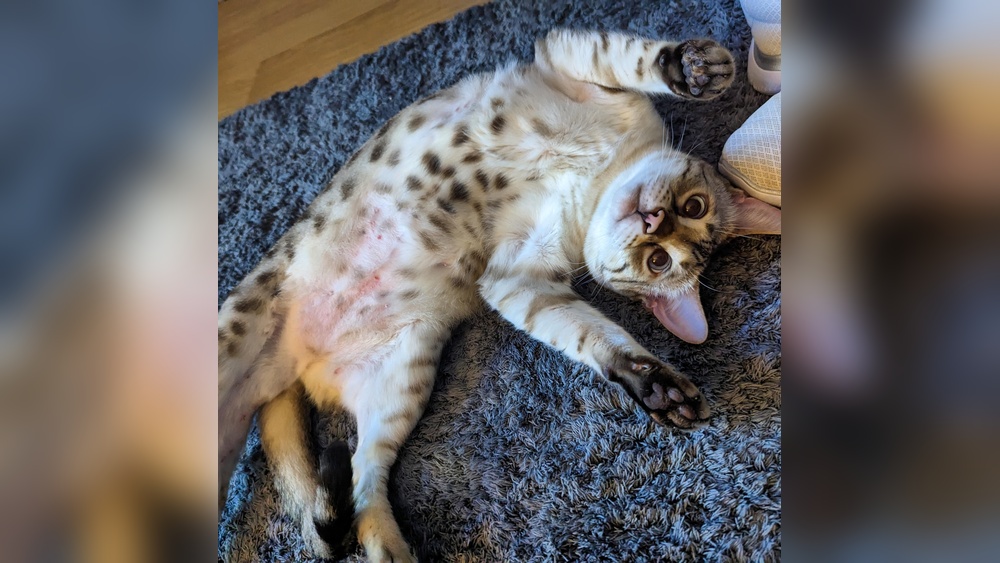
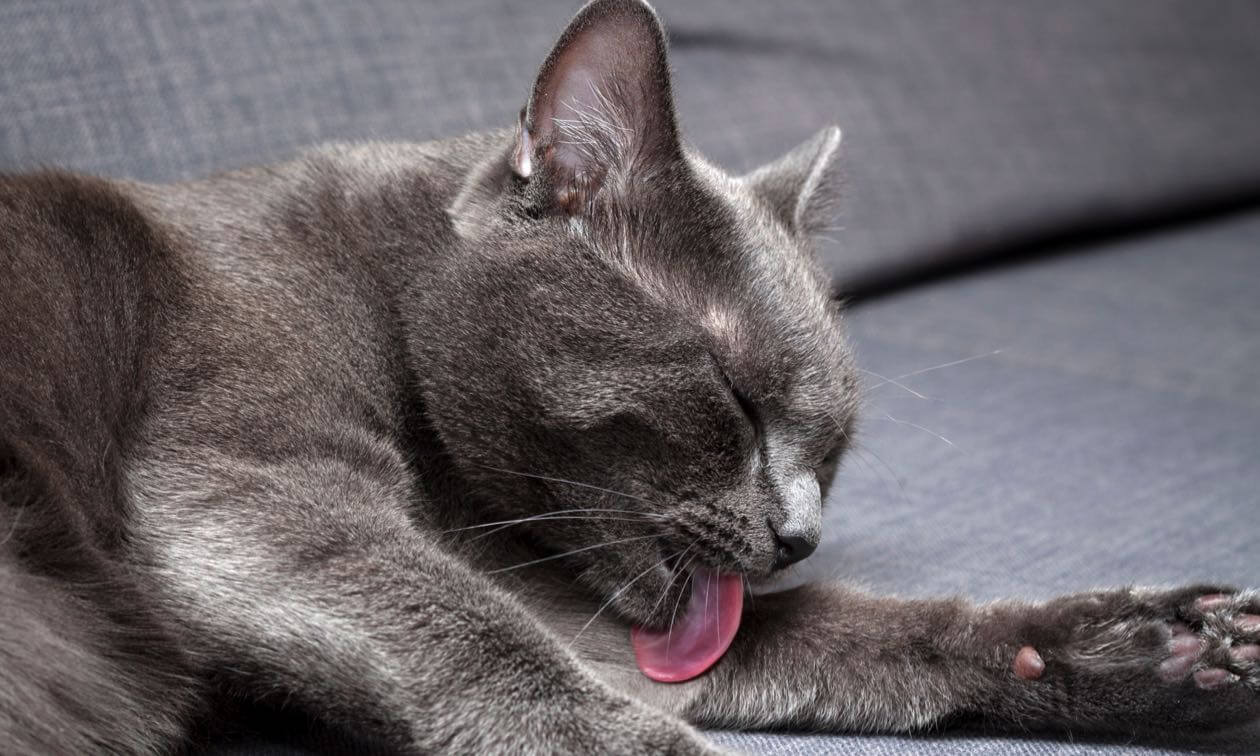
Have you noticed your cat licking itself more than usual? When your furry friend spends hours grooming, it might seem normal at first.
But when this behavior turns into almost constant over-grooming, it can be a sign that something’s not quite right. You might wonder, why does a cat over-groom almost continually? Understanding this can help you protect your cat’s health and happiness.
Keep reading to find out the surprising reasons behind this behavior and what you can do to help your beloved pet feel better.
Credit: www.mspca.org
Reasons For Excessive Grooming
Cats groom to keep clean and healthy. Sometimes, grooming becomes too much. This can signal a problem.
Excessive grooming happens for many reasons. Knowing these helps you care for your cat better.
Allergies And Skin Irritations
Allergies cause itching and discomfort. Cats lick or bite to soothe their skin. Common triggers include food, pollen, or dust. This can lead to red or raw spots. Skin irritations make grooming constant and intense.
Parasite Infestations
Fleas, ticks, and mites bother cats. These parasites cause itching and pain. Cats try to remove them by licking. Infestations often cause hair loss and sores. Treating parasites stops the over-grooming.
Stress And Anxiety
Stress affects cats deeply. Changes in home or routine upset them. Grooming helps calm nerves. Some cats groom too much to feel safe. This behavior is like a coping method.
Pain And Discomfort
Injury or illness can cause pain. Cats lick painful areas often. This can be a way to ease discomfort. Sometimes, grooming hides the pain from others. Watching behavior helps spot health problems.
Behavioral Issues
Some cats develop habits from boredom. Too much grooming can be a habit. Lack of play or stimulation leads to this. Behavioral grooming can cause skin damage. Enriching the environment reduces this behavior.
Signs To Watch For
Noticing signs of over-grooming in your cat helps catch problems early. Watch your cat carefully. Small changes can show a bigger issue. These signs tell you if your cat needs help.
Observe your cat’s skin and fur. Look at how your cat behaves. Check for any physical changes. Each sign gives clues about your cat’s health.
Bald Patches And Sores
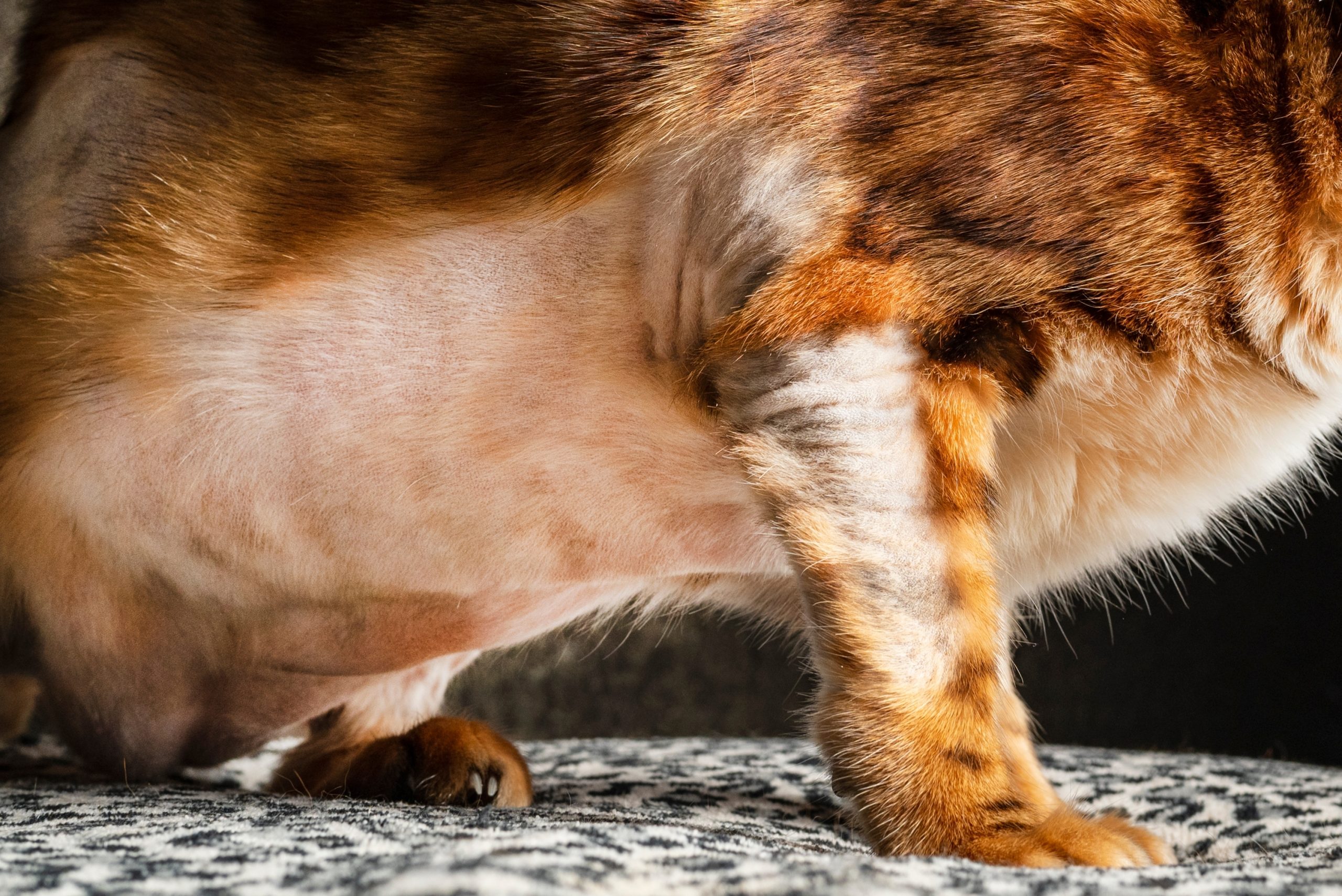
Bald spots appear where fur is missing. Sores may look red or raw. These areas can be painful for your cat. They often result from too much licking or scratching. Watch closely for these skin problems.
Changes In Grooming Habits
Your cat may groom more than usual. Or stop grooming certain areas completely. Over-grooming can cause fur to thin out. Sudden changes in grooming show discomfort or stress. Note if grooming becomes obsessive or uneven.
Behavioral Changes
Your cat might act restless or anxious. It may hide more than before. Aggression or irritability can also appear. These changes often link to skin discomfort or stress. Behavior shifts are important signs to monitor.
Physical Symptoms
Look for redness, swelling, or scabs on the skin. Your cat might scratch or bite itself often. Hair loss may spread over time. Weight loss or changes in appetite can also happen. Physical symptoms help identify the cause of over-grooming.
Diagnosing The Problem
Diagnosing why a cat over-grooms almost all the time is important. It helps find the cause and treat the problem. Over-grooming can come from many reasons. Careful checks are needed to understand what is wrong.
Veterinary Examination
A vet will start with a full physical check. They look for wounds, lumps, or skin changes. The vet checks the cat’s coat and body for signs of irritation. This exam helps spot obvious problems quickly. It also shows if the cat is in pain or stressed.
Skin Tests And Allergy Screening
Skin tests help find allergies or infections. The vet may take small skin samples. These samples show if mites, bacteria, or fungi are present. Allergy tests can identify food or environmental triggers. This step is key to stop the cat’s itch and licking cycle.
Observation Of Behavior
Watching the cat’s behavior gives clues to the cause. The vet or owner notes when and how often the cat grooms. Stress and anxiety cause over-grooming too. Changes in home or new pets can affect cats. Behavior helps separate medical from emotional causes.
Rule Out Medical Conditions
Some diseases cause constant grooming. Thyroid problems, pain, or parasites can lead to this. Blood tests may be done to check overall health. The vet looks for hidden issues under the skin or body. Removing medical causes helps focus on treatment.

Credit: www.reddit.com
Treatment Options
Treating a cat that over-grooms often needs several approaches. The cause of over-grooming can vary from allergies to stress. Each treatment targets a specific cause to help your cat feel better. Choosing the right treatment depends on your cat’s symptoms and vet advice.
Medications For Allergies And Parasites
Many cats over-groom due to allergies or parasites. Your vet may prescribe antihistamines or steroids to reduce itching. Flea treatments and parasite control medicines stop discomfort caused by bugs. These medicines help stop the cycle of itching and licking.
Stress Management Techniques
Stress can make cats lick themselves too much. Creating a calm environment reduces stress for your cat. Toys, scratching posts, and quiet spaces can distract and comfort them. Sometimes, calming sprays or diffusers with natural scents help reduce anxiety.
Pain Relief Strategies
Pain from injuries or arthritis can cause over-grooming. Your vet may give painkillers to ease discomfort. Reducing pain helps your cat stop licking sore areas. Regular check-ups can catch pain problems early for faster treatment.
Behavioral Therapy
Behavioral therapy helps change your cat’s habits. Training and gentle redirection can reduce over-grooming. Positive reinforcement encourages healthy grooming and play. This therapy works best with patience and consistency over time.
Preventive Measures
Preventive measures help stop cats from over-grooming too much. These steps keep cats healthy and calm. They reduce stress and skin problems. Caring for a cat well can lower the chance of over-grooming. Here are key ways to help your cat stay comfortable and happy.
Regular Vet Checkups
Take your cat to the vet often. Vets find health issues early. Skin problems, allergies, or pain can cause over-grooming. A vet can give proper treatments. Regular checkups keep your cat feeling good.
Environmental Enrichment
Give your cat toys and places to explore. Cats need mental and physical activity. Boredom and stress may cause over-grooming. Playtime and climbing spots keep cats busy. A happy cat grooms less.
Balanced Diet And Hydration
Feed your cat healthy food every day. Good nutrition supports skin and fur health. Water is important to avoid dry skin. Dry skin can lead to constant licking. Balanced diet and water help reduce over-grooming.
Parasite Control
Protect your cat from fleas and ticks. Parasites cause itching and discomfort. Itching leads to over-grooming and skin damage. Use vet-approved parasite treatments regularly. Keep your cat parasite-free for healthy skin.
Credit: www.zoetispetcare.com
When To Seek Immediate Help
Knowing when to seek immediate help for a cat that over-grooms is very important. Over-grooming can cause serious problems quickly. Early action can prevent pain and long-term issues. Watch your cat closely for warning signs. Act fast if you notice these serious symptoms.
Signs Of Severe Skin Damage
Look for red, raw, or bleeding skin. Open sores or scabs show the skin is hurt. Hair loss in patches or large areas is a bad sign. Swelling or pus means infection may be present. These signs need urgent veterinary care to stop pain and infection.
Persistent Behavioral Changes
Changes in behavior can signal distress or pain. If your cat hides more than usual, it may suffer. Aggression or irritability can mean discomfort. Loss of appetite and lack of energy are warning signs. Seek help if your cat acts very different for days.
Lack Of Improvement With Treatment
Treatment should show some progress within a week. If over-grooming continues or gets worse, get help quickly. No change means the problem may be serious or needs new treatment. Your vet can adjust care to protect your cat’s health.
Frequently Asked Questions
Why Does My Cat Groom Excessively?
Excessive grooming in cats often signals stress, allergies, or skin infections. It may also indicate parasites like fleas. Identifying the root cause helps in managing the behavior effectively and ensuring your cat’s health.
Can Allergies Cause Over-grooming In Cats?
Yes, allergies can trigger over-grooming. Cats react to food, pollen, or flea bites with itching and licking. Treating allergies usually reduces grooming and improves skin condition.
How To Stop A Cat From Grooming Too Much?
Address the underlying cause like stress or allergies. Provide environmental enrichment, regular vet check-ups, and flea control. Using calming sprays or anxiety treatments may help reduce over-grooming behaviors.
Is Over-grooming Harmful To Cats?
Yes, over-grooming can lead to hair loss, skin wounds, and infections. It damages the skin barrier and causes discomfort. Early intervention prevents long-term health issues.
Conclusion
Cats over-groom for many reasons. Stress, allergies, or skin problems can cause it. Watch your cat closely for signs of discomfort. A vet visit can help find the cause. Treating the issue early keeps your cat happy. Remember, a calm and healthy cat grooms just enough.
Helping your cat feel safe reduces over-grooming. Small changes in care make a big difference. Stay patient and caring with your furry friend. Your cat’s well-being depends on your attention.