
Have you ever noticed your cat making loud noises while she grooms herself? It might surprise you, or even worry you a little.
You may wonder if something is wrong or if this behavior is normal. Understanding why your cat is loud during grooming can help you connect better with her and ensure she’s happy and healthy. Keep reading, because uncovering the reasons behind this noisy habit will change how you see your feline friend forever.
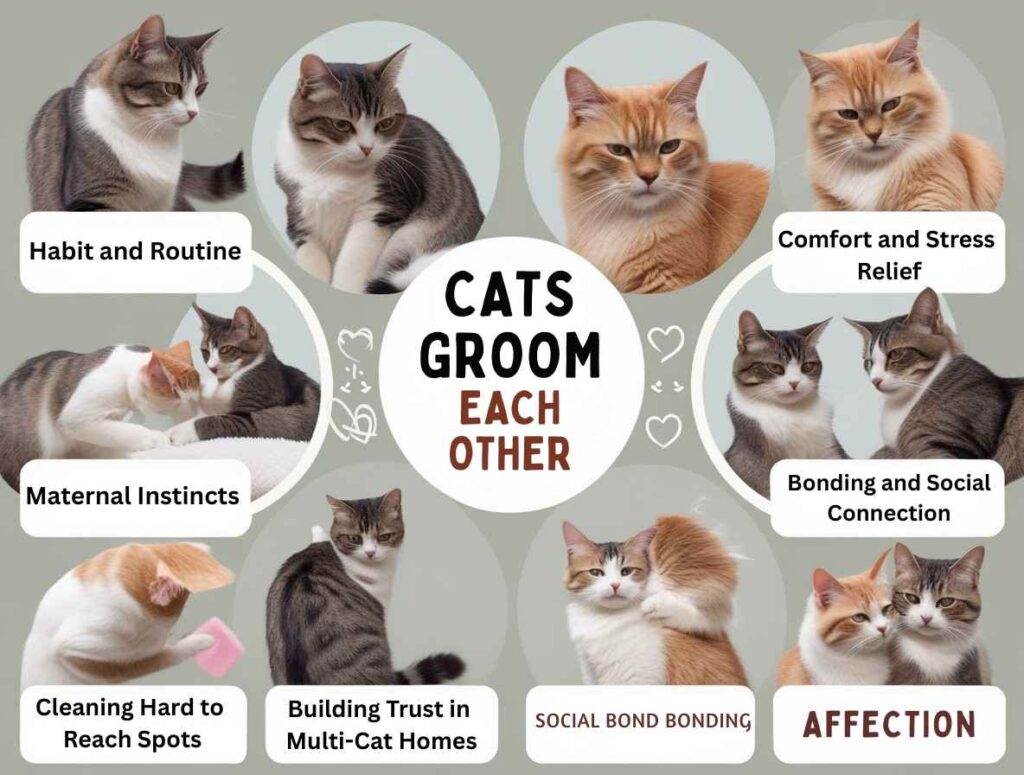
Credit: doctorgroomer.com
Cat Grooming Basics
Cats spend a lot of time grooming themselves. Grooming keeps their fur clean and healthy. It also helps cats feel calm and relaxed. Understanding how cats groom can explain why your cat might be loud during grooming.
Many cat owners wonder about the sounds their pets make. Some noises are normal and show your cat is healthy. Let’s look closer at the basics of cat grooming and the sounds you may hear.
How Cats Groom Themselves
Cats use their tongue to clean their fur. Their tongues have tiny, rough bumps called papillae. These bumps help remove dirt and loose fur. Cats lick their paws and rub them on their face. This action cleans hard-to-reach areas. Grooming also spreads natural oils, which protect the skin.
Grooming is a careful and repetitive process. Cats often pause and lick slowly. They may clean one spot many times. This behavior keeps their coat shiny and smooth.
Normal Grooming Sounds
Soft licking sounds are common during grooming. You might hear gentle slurping or light scraping from their tongue. Some cats purr quietly while grooming, showing they feel happy and safe. Occasionally, you may hear small chomping or nibbling noises. These happen when cats clean tough spots or remove tangles.
Noise levels can vary. Some cats are naturally louder or more expressive. Loud grooming sounds usually mean your cat is focused and content. It is not a sign of pain or stress in most cases.
Reasons For Loud Grooming
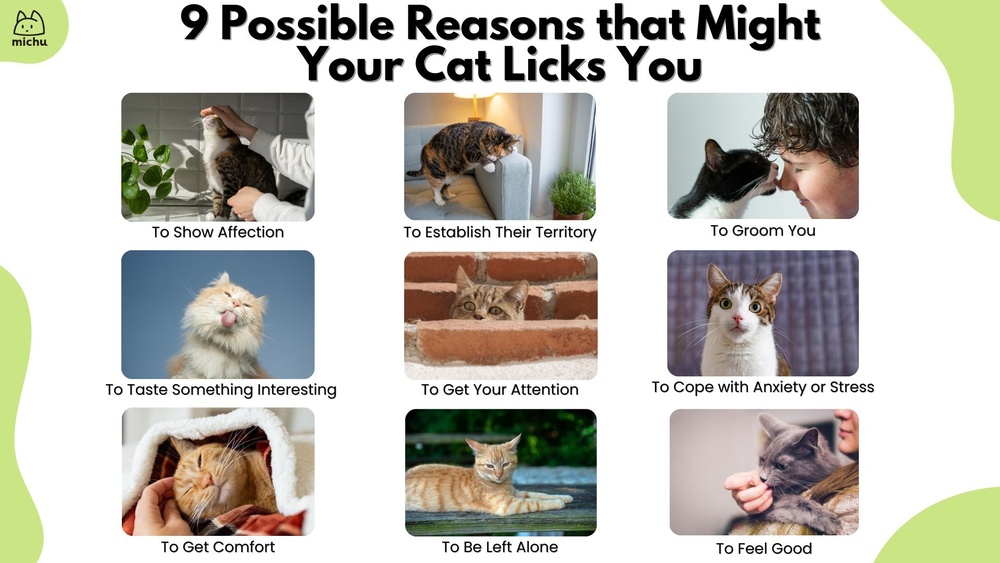
Cats can be surprisingly loud while grooming. This noise can make owners curious or concerned. Understanding the reasons behind loud grooming helps in caring for your cat better. Cats use vocal sounds for many purposes during grooming sessions.
Some cats vocalize to express feelings or needs. Others may sound loud due to discomfort or stress. Sometimes, medical issues can cause unusual grooming sounds. Let’s explore these reasons in detail.
Communication Through Vocalization
Cats often use sounds to talk to their owners or other cats. Loud grooming noises can be a way to show contentment or relaxation. Some cats purr or meow softly while grooming. Others may hiss or growl if annoyed or defensive.
This vocalization helps cats share their mood or state. It is a natural part of their grooming behavior.
Seeking Attention
Your cat may groom loudly to get your attention. Some cats learn that sounds bring humans closer. Loud grooming can be a call for petting or playtime. It is a simple way to ask for interaction.
Paying attention to these sounds can strengthen your bond.
Discomfort Or Pain
Loud grooming may signal discomfort or pain. Cats sometimes groom irritated skin or wounds. The noise can be a reaction to soreness or itchiness. Watch for other signs like limping or hiding.
If loud grooming continues, a vet check is wise.
Stress And Anxiety
Stress can make cats groom more loudly or often. Loud grooming may help calm an anxious cat. Changes in the environment or routine can trigger this. Loud grooming sounds may be a coping mechanism.
Helping your cat feel safe can reduce these noises.
Medical Issues
Health problems can cause loud grooming behaviors. Skin infections, allergies, or parasites may irritate your cat. Loud grooming might indicate these conditions. Regular vet visits help catch such issues early.
Addressing medical causes improves your cat’s comfort and health.
Behavioral Patterns
Cats show unique behaviors while grooming. These behaviors can explain why some cats are loud during grooming. Understanding these patterns helps pet owners connect with their cats better. Grooming is more than cleaning; it reflects a cat’s mood and personality.
Breed Tendencies
Some cat breeds are naturally more vocal. Siamese cats often make sounds while grooming. These breeds use noise to communicate comfort or stress. Loud grooming can be normal for these types. It’s part of their natural behavior.
Age And Grooming Noise
Young cats may be quieter during grooming. Older cats might be louder due to discomfort. Pain or stiffness can cause more noise. Grooming sounds can signal health issues. Watching changes in noise can help catch problems early.
Individual Personality
Every cat has its own personality. Some cats are calm and silent. Others express themselves loudly during grooming. Loud grooming may show excitement or anxiety. Knowing your cat’s personality helps understand their sounds.
When To Worry
Not all loud grooming by your cat is normal. Sometimes, noise may signal a problem. It is important to know when to worry about your cat’s grooming sounds. This section helps you spot signs that need attention.
Signs Of Distress
Listen closely to your cat’s sounds during grooming. Loud meowing or yowling can mean pain or discomfort. Watch for restlessness or hiding after grooming. These signs may show your cat feels stressed or hurt.
Changes In Grooming Habits
Notice if your cat grooms more or less than usual. Over-grooming can cause bald spots or sores. Less grooming might mean your cat feels weak or sick. Changes in grooming style can point to skin problems or illness.
Consulting A Veterinarian
Take your cat to the vet if you see worrying signs. Describe the loud grooming and any behavior changes. Early checkups help catch health issues before they get worse. A vet can find pain sources or infections causing loud grooming.
Tips To Manage Loud Grooming
Dealing with a loud cat during grooming can be challenging. Understanding how to manage this behavior helps both you and your pet feel comfortable. Here are some simple tips to reduce loud grooming sounds and keep your cat calm.
Creating A Calm Environment
Choose a quiet and peaceful space for your cat’s grooming sessions. Avoid loud noises and sudden movements nearby. Soft lighting helps your cat feel safe and relaxed. Use a comfortable surface, like a soft towel or mat, to make grooming pleasant. Keep the room at a comfortable temperature.
Regular Health Checks
Check your cat’s health often to rule out pain or discomfort. Loud grooming may signal skin irritation or dental issues. Visit the vet regularly to keep your cat in good condition. Healthy cats tend to groom quietly and enjoy the process more. Early detection of problems prevents loud grooming caused by pain.
Providing Attention And Playtime
Spend quality time with your cat outside grooming sessions. Play helps reduce stress and excess energy. Use toys that encourage movement and mental stimulation. A relaxed cat grooms calmly and feels safe with you. Regular attention builds trust and lowers loud grooming behaviors.
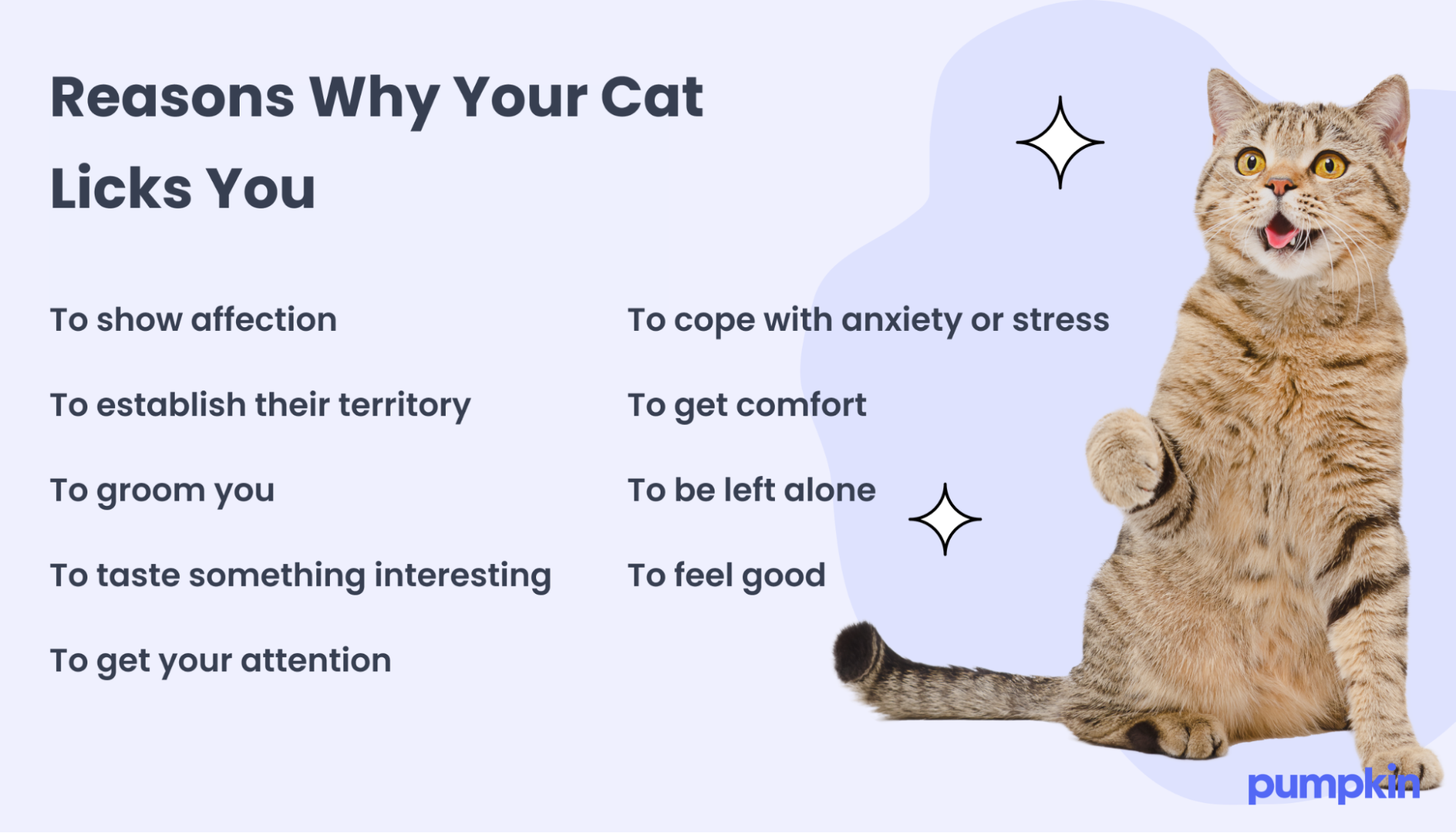
Credit: www.pumpkin.care
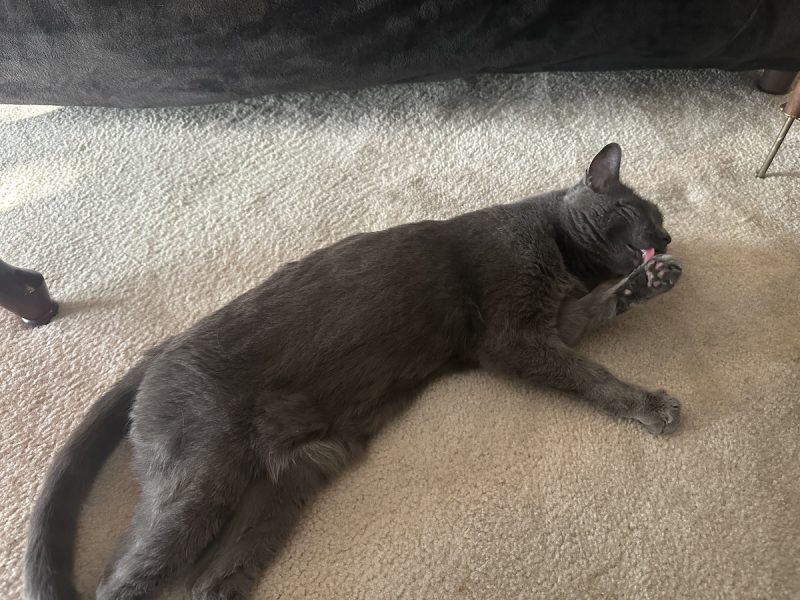
Credit: www.catster.com
Frequently Asked Questions
Why Does My Cat Make Noise While Grooming?
Cats often vocalize during grooming to communicate comfort or mild stress. The sounds can indicate relaxation or slight discomfort as they clean.
Is Loud Grooming Normal For Cats?
Yes, some cats naturally make noise when grooming. It varies by personality and can signal contentment or a need for attention.
Can Loud Grooming Mean Health Problems?
Occasionally, loud grooming may indicate pain or irritation. If your cat seems distressed, consult a vet to rule out health issues.
How To Reduce My Cat’s Loud Grooming Sounds?
Provide a calm environment and regular petting. This helps your cat feel secure and may reduce grooming vocalizations.
Conclusion
Cats often make noises while grooming because they feel relaxed or content. These sounds can show comfort or help them focus. Each cat is different, so some are louder than others. Understanding your cat’s grooming sounds can help you connect better.
Enjoy these little moments; they show your cat trusts you. Keep watching her behavior to ensure she stays happy and healthy. Loud grooming noises are usually normal and nothing to worry about.