
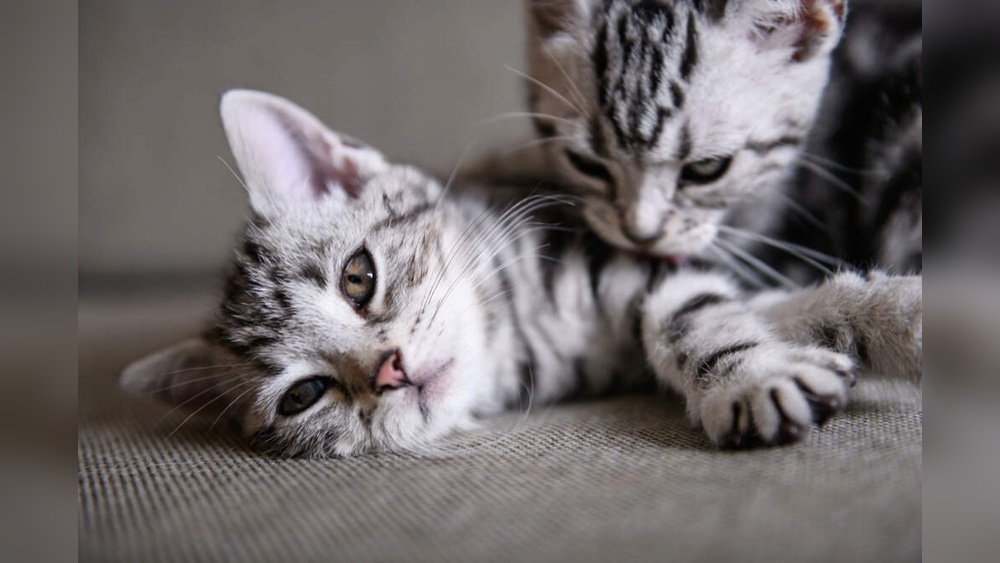
Have you ever watched your cats grooming each other and wondered if it’s a good thing? When cats lick and clean each other, it’s more than just a cute moment.
It’s a powerful way they connect and show trust. But is it always a positive sign? Understanding what this behavior means can help you better care for your furry friends. Keep reading to discover why cats groom each other, what it tells you about their relationship, and when it might be a cause for concern.
Your cats’ happiness could depend on it!
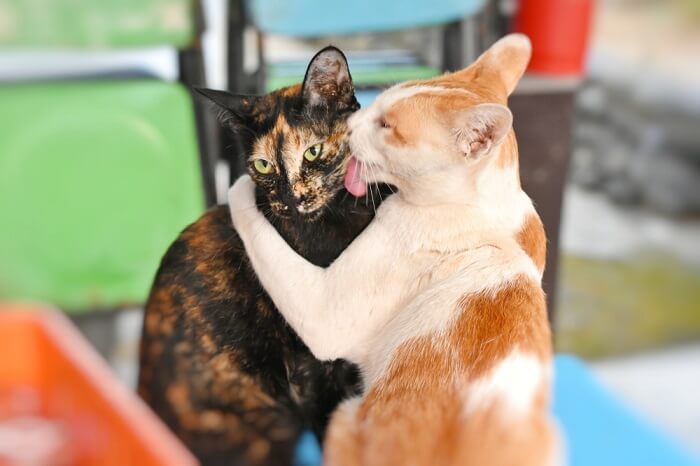
Credit: cats.com
Why Cats Groom Each Other
Cats grooming each other is more than just cleaning. It is a key part of how they connect and live together. This behavior shows trust and helps cats stay healthy. Understanding why cats groom each other helps cat owners see the bond between their pets.
Social Bonding Through Grooming
Grooming builds strong ties between cats. It shows they feel safe and calm with each other. Cats often groom family members or close friends in the group. This act helps keep peace and reduces fights among cats. It is a way to say, “You are part of my team.”
Mutual Hygiene Benefits
Cats cannot reach all their body parts easily. Grooming each other helps clean hard spots like the head and neck. This keeps their fur free from dirt and parasites. Sharing grooming duties means both cats stay cleaner and healthier. It also spreads natural oils across their coats, making fur shiny and soft.
Stress Reduction Among Cats
Grooming lowers stress and anxiety in cats. The gentle licking soothes and calms their nerves. Cats feel comforted and less lonely during grooming sessions. This helps them stay relaxed in new or tense situations. Grooming is a natural way to find peace and feel safe together.
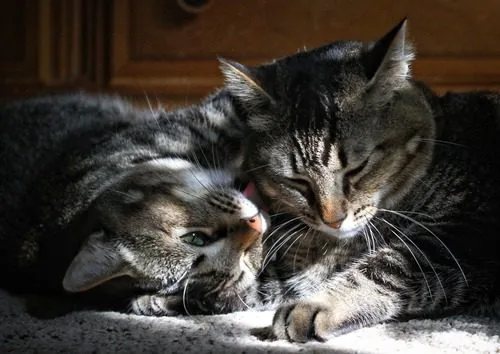
Credit: whitneyvet.com
Health Advantages Of Mutual Grooming
Mutual grooming among cats is more than just a social habit. It offers several health benefits that help keep cats happy and strong. This behavior supports their physical well-being and promotes a better quality of life.
Cats grooming each other can improve their coat, control parasites, and boost their immune system. These benefits make mutual grooming an important part of cat care and social bonding.
Improved Coat Condition
Mutual grooming helps remove dirt and loose fur from a cat’s coat. It spreads natural oils that keep the fur soft and shiny. A clean, well-maintained coat reduces skin problems and irritation. Cats that groom each other often have healthier, smoother fur.
Parasite Control
Grooming helps cats find and remove fleas, ticks, and other parasites. Cats can reach spots that are hard to clean alone, like behind the ears and under the chin. Removing parasites early prevents infections and discomfort. This natural defense reduces the need for extra treatments.
Enhanced Immune Response
Regular grooming lowers stress in cats, which supports their immune system. Less stress means fewer chances for illness to develop. Grooming also stimulates blood flow, helping the body heal faster. Cats that groom each other tend to stay healthier overall.
Behavioral Insights From Grooming Habits
Cats grooming each other reveals a lot about their behavior. This act shows more than just cleanliness. It reflects social bonds and communication among cats. Understanding these habits helps us see how cats interact and feel about each other.
Grooming is a way cats express feelings and establish relationships. Watching who grooms whom can tell us about their social order and trust levels.
Hierarchy And Dominance Signals
Grooming often shows which cat is in charge. Dominant cats may groom others to show control. Submissive cats accept grooming as a sign of respect. This behavior keeps peace in the group. It helps avoid fights by showing clear roles.
Signs Of Affection And Trust
Mutual grooming means cats trust each other. It is a gentle way to show love and care. Cats groom close friends or family members. This habit strengthens bonds and reduces stress. It creates a safe, calm environment for them.
Recognizing Grooming Preferences
Each cat has different grooming likes and dislikes. Some prefer gentle strokes, others more thorough licking. Understanding these preferences helps avoid conflicts. Watching their reactions shows what feels good. Respecting grooming choices builds better relationships.
Potential Downsides To Watch For
Cats grooming each other is often a sign of friendship. It helps them bond and stay clean. Yet, this behavior can sometimes lead to problems. Watching closely can help you spot if grooming turns harmful.
Over-grooming And Skin Issues
Too much grooming can cause skin damage. Cats may lick the same spot repeatedly. This causes redness, hair loss, and sores. Bacteria can enter, leading to infections. Over-grooming may mean discomfort or pain for the cat.
Aggression Linked To Grooming
Grooming can sometimes cause fights. One cat may groom too roughly. The other cat might feel annoyed or hurt. This can lead to swatting or biting. Aggression linked to grooming shows tension between cats.
When Grooming Indicates Stress
Grooming can hide stress in cats. A stressed cat may groom more or less. Grooming patterns change during anxiety or fear. Stress can come from new pets or changes at home. Notice grooming habits to help your cat feel safe.
Encouraging Healthy Grooming Between Cats
Encouraging healthy grooming between cats helps build strong bonds and keeps them clean. Grooming is a natural way cats show care and trust. You can support this behavior by making small changes at home. These changes create a peaceful space where cats feel safe. They also help cats learn to accept each other. Here are some ways to promote grooming between your cats.
Creating A Comfortable Environment
Start with a quiet, calm place for your cats. Noise and chaos can stress them out. Provide soft bedding and cozy spots for rest. Cats groom more when they feel relaxed. Keep their food and water bowls apart. Give each cat its own space to avoid fights. A calm environment makes grooming more natural.
Introducing Cats Gradually
Introduce new cats slowly and carefully. Let them see each other through a barrier at first. Use short visits before longer ones. Watch their body language for signs of stress. Praise calm and friendly behavior with treats. Gradual introduction helps cats trust each other. Trust leads to more grooming and less fighting.
Using Grooming Tools And Toys
Use brushes and combs to help cats groom each other. Grooming tools feel good and spread scent between cats. Play with toys to reduce stress and encourage bonding. Toys can distract cats from conflicts. Regular playtime builds friendship and trust. Grooming tools and toys support healthy cat relationships.

Credit: cats.com
Frequently Asked Questions
Why Do Cats Groom Each Other?
Cats groom each other to strengthen social bonds and show affection. It helps maintain cleanliness and reduces stress. Mutual grooming also promotes group harmony and comfort among cats living together.
Is Mutual Grooming Healthy For Cats?
Yes, mutual grooming is healthy. It helps remove dirt, loose fur, and parasites. This behavior also supports emotional well-being by reducing anxiety and promoting trust between cats.
Can Cats Groom Each Other Too Much?
Excessive grooming can indicate stress or health issues. If cats groom each other excessively, it may cause skin irritation. Monitor their behavior and consult a vet if needed.
Does Grooming Mean Cats Are Close Friends?
Yes, grooming usually shows a strong bond. Cats groom close friends or family members to reinforce their relationship. It signals trust and mutual care within their social group.
Conclusion
Cats grooming each other shows trust and strong bonds. It helps keep their fur clean and healthy. Grooming also reduces stress and makes cats feel calm. Watching cats groom each other can be heartwarming. It shows they care and enjoy each other’s company.
So, yes, cats grooming each other is a good sign. It means they have a happy, friendly relationship. Keep an eye on this behavior to understand your cats better. It helps you know they feel safe and loved.