
If you have a cat, you know how important grooming is for their health and happiness. But sometimes, your furry friend might struggle to clean certain spots—especially their behind.
It’s not always easy for cats to reach or manage this area, and that can lead to discomfort or even health problems. You want to help your cat stay clean and comfortable, but how do you do it without stressing them out?
Keep reading, because this guide will show you simple, effective ways to help your cat properly groom his butt. Your cat will thank you with purrs and playful cuddles!
Why Cats Groom Their Rear
Cats spend a lot of time grooming themselves, including their rear areas. This behavior is natural and important. Grooming helps keep cats clean and healthy. Understanding why cats groom their rear can help you assist them better.
Natural Grooming Behavior
Cats use their tongues to clean their fur. Their rough tongues remove dirt and loose hair. Grooming the rear area is part of this routine. It helps remove waste and prevents odors. Cats also groom to feel comfortable and calm. This behavior starts when they are kittens. Mothers clean their babies’ rear to keep them healthy.
Health Benefits Of Grooming
Grooming prevents infections in sensitive areas. It stops dirt and bacteria from building up. Regular cleaning reduces the risk of skin problems. Grooming also helps cats notice any wounds or irritation. Cats can then protect these areas or seek help. Clean fur and skin improve overall comfort. Proper grooming supports a cat’s well-being every day.

Credit: www.youtube.com
Signs Your Cat Needs Help
Sometimes cats struggle to clean their own bodies. Their rear end can be hard to reach. Knowing the signs your cat needs help is important. This helps keep your cat healthy and comfortable.
Difficulty Reaching The Area
Older cats or those with arthritis may find grooming tough. Overweight cats also have trouble bending. Watch if your cat tries but fails to clean the rear. They might sit awkwardly or stop grooming suddenly.
Visible Dirt Or Matting
Check your cat’s fur near the tail. Dirt, feces, or matted hair means cleaning is needed. Matted fur can cause pain and skin problems. This buildup shows your cat cannot clean properly.
Unusual Smells Or Irritation
A strong, bad smell from your cat’s rear is a clear sign. It may mean dirt is trapped or an infection is starting. Redness or swelling around the area shows irritation. These signs mean your cat needs help grooming soon.
Safe Grooming Tools To Use
Helping your cat groom his butt is important for hygiene and comfort. Using safe tools ensures your cat stays calm and clean. The right tools also protect your cat’s sensitive skin. Choose gentle, effective items made for cats. This section explains which grooming tools work best.
Types Of Brushes And Combs
Soft-bristled brushes are gentle on your cat’s fur. They remove loose hair without hurting the skin. Slicker brushes help with mats or tangles near the tail. Use a fine-toothed comb to clean dirt and debris. Avoid metal combs with sharp edges. Pick tools made specifically for cats to avoid irritation.
Wipes And Cleaning Solutions
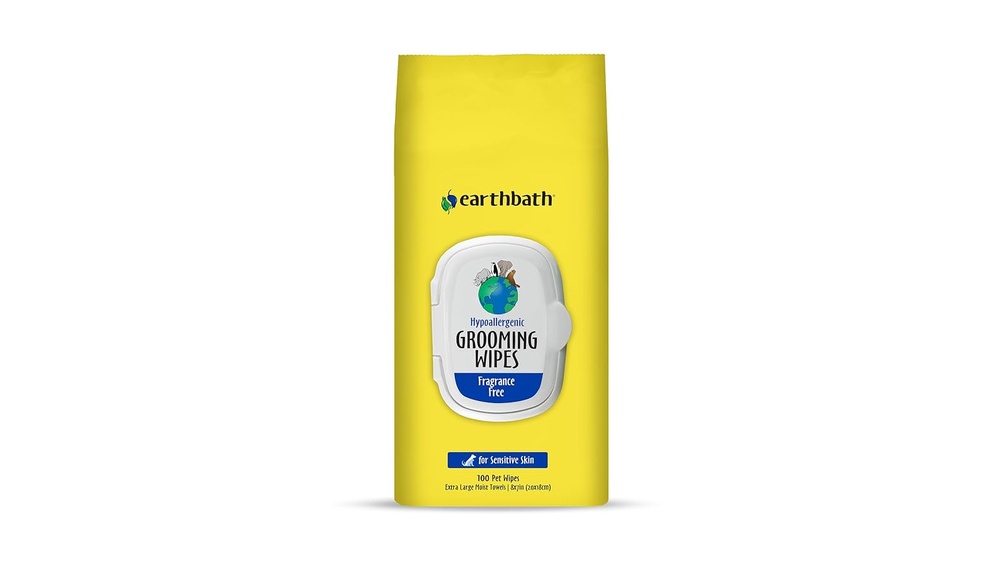
Pet-safe wipes help clean your cat’s bottom quickly. Choose wipes free from alcohol and harsh chemicals. These wipes remove dirt and reduce odor. You can also use mild cleaning solutions made for cats. Always test a small area first to check for reactions. Use wipes or solutions gently to avoid discomfort.

Credit: www.amazon.com
Step-by-step Grooming Process
Helping a cat groom its butt is important for its health and comfort. This step-by-step process guides you through safe and gentle grooming. Follow these easy steps to keep your cat clean and happy.
Preparing Your Cat
Find a quiet place where your cat feels safe. Speak softly and pet your cat to calm it down. Have all grooming tools ready before you begin. Use a towel to gently hold your cat if needed. Take your time and be patient.
Cleaning The Area Gently
Use a damp cloth or pet wipe to clean the area. Wipe softly to avoid hurting your cat’s skin. Check for dirt or stuck waste and remove it carefully. If the area is very dirty, use warm water and a mild soap. Dry the area with a clean towel afterward.
Trimming Excess Fur Safely
Use small, rounded scissors or pet clippers designed for cats. Trim only the fur around the butt, avoiding the skin. Cut little by little to prevent mistakes. Keep your cat calm and take breaks if needed. Clean your tools after each use to keep them safe.
Preventing Future Grooming Problems
Preventing future grooming problems is key to keeping your cat clean and healthy. Regular care can stop dirt and mats from building up. It also helps your cat feel comfortable and happy. Small habits make a big difference over time. Here are some easy ways to keep your cat’s grooming on track.
Regular Brushing Routine
Brush your cat’s fur gently every day. Focus on the back and tail area. Brushing removes loose hair and dirt. It also stops hair from tangling or matting. Use a brush made for cats. This keeps the skin clean and healthy. Your cat may enjoy the gentle massage.
Diet And Hydration Impact
Good food helps your cat’s skin and fur stay healthy. Feed a balanced diet with plenty of nutrients. Fresh water is important for hydration. Hydrated skin is less likely to get dry or itchy. Dry skin can make grooming harder and cause problems. Healthy eating supports natural grooming habits.
Monitoring Health Issues
Check your cat’s skin often for signs of trouble. Look for redness, bumps, or bad smell near the butt. These can mean infections or allergies. Watch for changes in grooming habits, like less cleaning. Visit the vet if you see problems. Early care stops small issues from growing bigger.
When To Consult A Veterinarian
Knowing when to consult a veterinarian is key for your cat’s health. Grooming problems around the rear end can signal bigger issues. Acting early can prevent pain and serious infections. Watch your cat closely for signs that need expert care.
Signs Of Infection Or Pain
Look for redness, swelling, or sores near your cat’s butt. A foul smell can mean infection. Your cat may lick the area often or show discomfort. Limping or hiding can also signal pain. These signs mean a vet visit is necessary.
Persistent Grooming Difficulties
Some cats struggle to clean their rear properly. This may be due to obesity, arthritis, or other health problems. If you see dirt or feces stuck on your cat for days, help is needed. Persistent problems with grooming require a vet’s advice to find the cause and treatment.
Credit: www.reddit.com
Frequently Asked Questions
How Can I Help My Cat Groom His Butt Safely?
Gently clean the area with a damp cloth or pet wipe. Avoid harsh chemicals. Regularly trim excess fur to prevent matting and odor. Consult a vet if your cat shows signs of discomfort or infection.
Why Does My Cat Have Difficulty Grooming His Butt?
Older cats or those with obesity may struggle to reach their rear. Pain from arthritis or illness can also limit grooming. Helping with cleaning and vet checks can improve their hygiene and comfort.
What Tools Are Best For Grooming A Cat’s Rear?
Use soft pet wipes, a damp cloth, and blunt-ended scissors for trimming. Avoid sharp tools to prevent injury. Specialized pet grooming gloves can help remove loose fur gently.
When Should I Consult A Vet About My Cat’s Rear Grooming?
See a vet if your cat shows redness, swelling, foul odor, or persistent licking. These signs may indicate infection, parasites, or underlying health issues needing medical attention.
Conclusion
Helping your cat groom his butt keeps him clean and healthy. Regular brushing removes dirt and loose fur. Use gentle wipes to clean hard spots. Watch for signs of irritation or discomfort. Keeping this area tidy prevents infections and odors.
Be patient and calm to make grooming easier. Small steps make a big difference in your cat’s comfort. A happy cat means a happy home. Keep caring with love and attention.